Essential Metals in Hardware Manufacturing: Properties, Applications & Selection Guide

1. Introduction to Hardware Metals
Hardware manufacturing relies on metals engineered for strength, machinability, and environmental resistance. Understanding properties like tensile strength, corrosion resistance, and thermal conductivity ensures optimal product performance.
2. Steel: The Industry Backbone
Carbon Steel Properties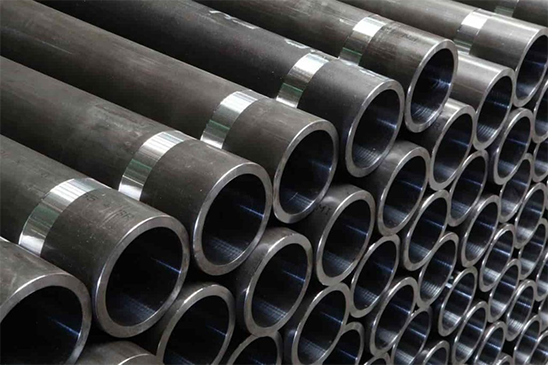
-
High strength-to-cost ratio
-
Excellent machinability (especially low-carbon grades)
-
Heat-treatable for enhanced hardness
-
Weakness: Prone to rust without coating
Applications
-
Structural frames
-
Fasteners, bolts, brackets
-
Expert Insight:
*"Low-carbon steels like 1018 dominate general hardware for their unmatched weldability and formability. For high-stress parts, we shift to alloy steels like 4140."*
*– Elena Rodriguez, Manufacturing Engineer, 15+ years in industrial hardware*
Related Read: The difference between carbon and stainless steel
3. Stainless Steel: Corrosion Resistance Champion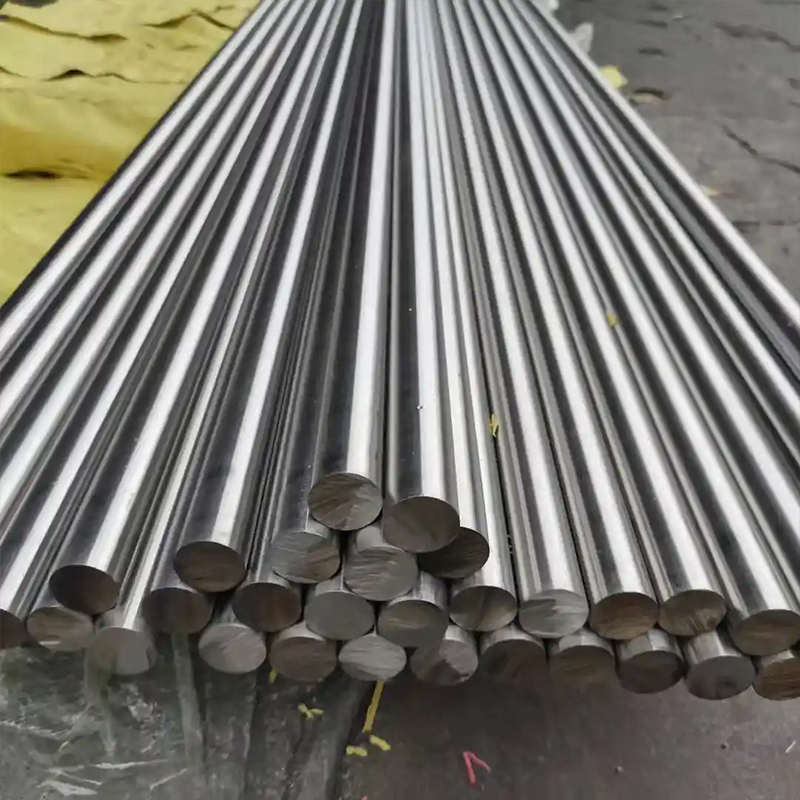
Key Grades & Traits
-
Grade 304: Food-safe, chemical-resistant
-
Grade 316: Superior saltwater resistance
-
Work-hardening tendency: Challenges machining but boosts wear resistance
Real-World Hardware Uses
-
Marine fixtures
-
Medical equipment components
-
High-Performance Stainless Steel Spur Gears: Ideal for corrosive/washdown environments
-
Tip: Use sharp carbide tools + high-pressure coolant to combat work hardening.
4. Aluminum: Lightweight Powerhouse
Top Alloys Compared
| Alloy | Strength | Machinability | Use Case |
|---|---|---|---|
| 6061 | Moderate | Excellent | Frames, fittings |
| 7075 | Aerospace-grade | Good (wear-resistant) | High-stress hinges |
Applications
-
Aluminum Sink Fabrication: Leverages formability + corrosion resistance
-
Heat sinks, lightweight enclosures
-
Expert Insight:
*"For CNC-milled parts, 6061 is our go-to. But for aircraft hardware, 7075’s fatigue strength is irreplaceable – despite higher tool wear."*
– David Chen, Aerospace Components Supplier
Deep Dive: The Difference Between 7075 & 6061 Aluminum
5. Brass: Precision Machining Star
Why Machinists Love Brass
-
Best-in-class machinability (especially leaded C36000)
-
Natural antimicrobial properties
-
Excellent conductivity
Critical Hardware Components
-
Plumbing valves & fittings
-
Decorative door handles
-
Brass Nut Threaded Inserts: Perfect for wear-resistant, corrosion-free fastening
-
Related: Brass Material Science: From Alloys to Applications
6. Zinc & Titanium: Specialized Solutions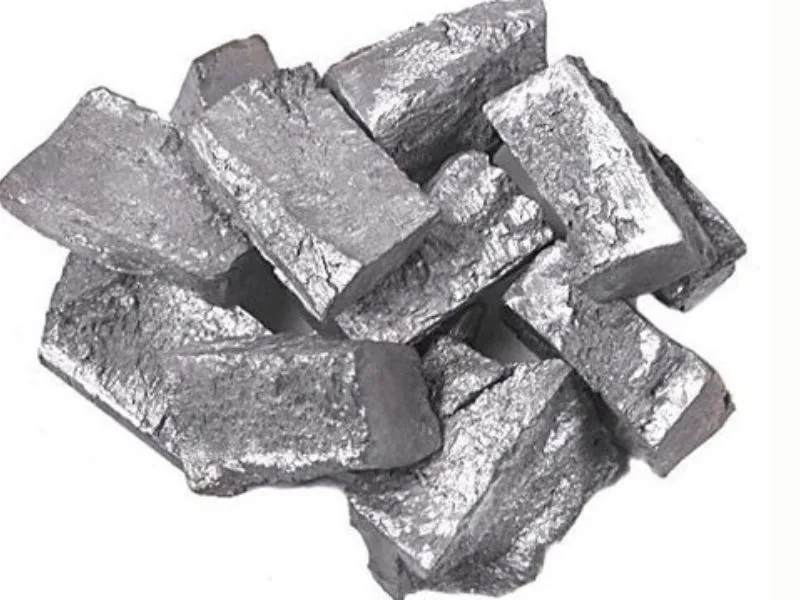
Zinc Alloys
-
Superb die-casting fluidity
-
Low melting point → High-volume, complex shapes
-
Use Case: Budget-friendly knobs, locks, zippers
Titanium Alloys
-
Extreme strength-to-weight ratio
-
Biocompatible & seawater-proof
-
Challenge: Difficult machining (requires specialized tooling)
-
Application: Surgical implants, marine hardware
7. Expert Material Selection Tips
-
Corrosive environments? → Stainless steel (316 for marine)
-
Weight-critical? → Aluminum 6061/7075
-
High-volume, intricate parts? → Zinc die casting
-
Electrical/thermal conductivity? → Brass or copper alloys
-
Fatigue resistance? → Titanium or tempered steel
8. FAQ: Hardware Metal Challenges
Q: Which metal offers the best cost-to-durability ratio for outdoor fasteners?
A: Hot-dip galvanized carbon steel – Affordable rust protection for non-critical applications. For coastal areas, upgrade to 316 stainless.
Q: Can aluminum replace steel in load-bearing hardware?
A: Yes – Alloy 7075 matches mild steel’s strength at 1/3 the weight. Requires precise engineering to avoid fatigue.
Q: Why choose brass over plastic for threaded inserts?
A: Brass provides superior pull-out strength, heat resistance, and won’t crack under stress. See our Brass Nut Threaded Inserts Guide.
Q: Titanium vs. stainless steel for surgical tools?
A: Titanium (Ti-6Al-4V) wins for biocompatibility and weight. Stainless steel (17-4 PH) suits reusable tools needing sterilization.
9. Conclusion
Mastering metal properties unlocks smarter hardware design. From stainless steel's resilience to aluminum's agility and brass's precision, each metal offers unique advantages. Match material science to your product’s demands – and let engineering excellence drive longevity.
Explore our deep dives:
DongGuan YiTai Electronic Technologies Co.,Ltd
DongGuan YiTai Electronic Technologies Co.,Ltd is a manufacturing service provider located in Dongguan, China.
YiTai specialized in CNC turning machining and sheet metal fabrication mainly. As a member of Hung Mou Group, we focus on the overseas marketing development. And based on our parent company’s manufacturing capability and resources, YiTai also expended machining services such as die casting, injection molding, aluminum profile extrusion, 3D printing, which are committed to providing customers with one-stop purchasing services and experience.
CNC MACHINING , CNC MILLING , CNC TURNING , SHEETMETAL , FASTENER , OTHERS




Cold Heading Process for Fasteners and Precision
The Versatile World of Aluminum Extrusion: Benefits, Applications, and Industry Insights
Related Article