Metal Injection Molding vs. Plastic Injection Molding: How to Choose
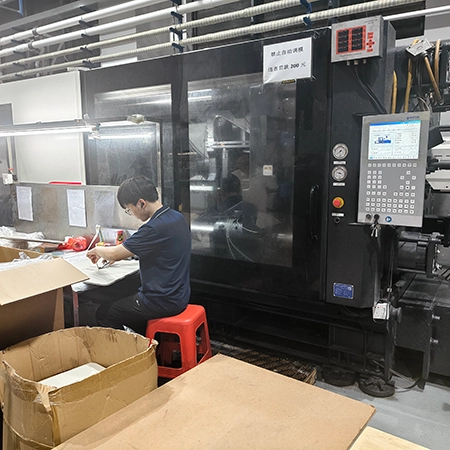
Metal injection molding (MIM) and plastic injection molding both use a mold to shape feedstock, but the steps after molding are different. MIM parts are debound and sintered to form metal components. Plastic parts cool in the mold and are then ejected.
The choice comes down to the finished part’s material requirements, geometry, production volume, and total cost. In metal injection molding vs plastic injection molding, the main distinction is the material: MIM produces metal parts from powder, while plastic injection molding forms polymer parts from molten plastic. Only MIM requires debinding and sintering after molding.
- What metal injection molding is?
- What plastic injection molding is?
- Process comparison
- Materials and part performance
- Shrinkage, tolerances, and dimensional control- Tooling
- Tooling, production volume, and cost
- When to choose MIM?
- When to choose plastic injection molding?
- CNC machining and 3D printing
- How to select the right process
- FAQ
1. What Is Metal Injection Molding (MIM)?
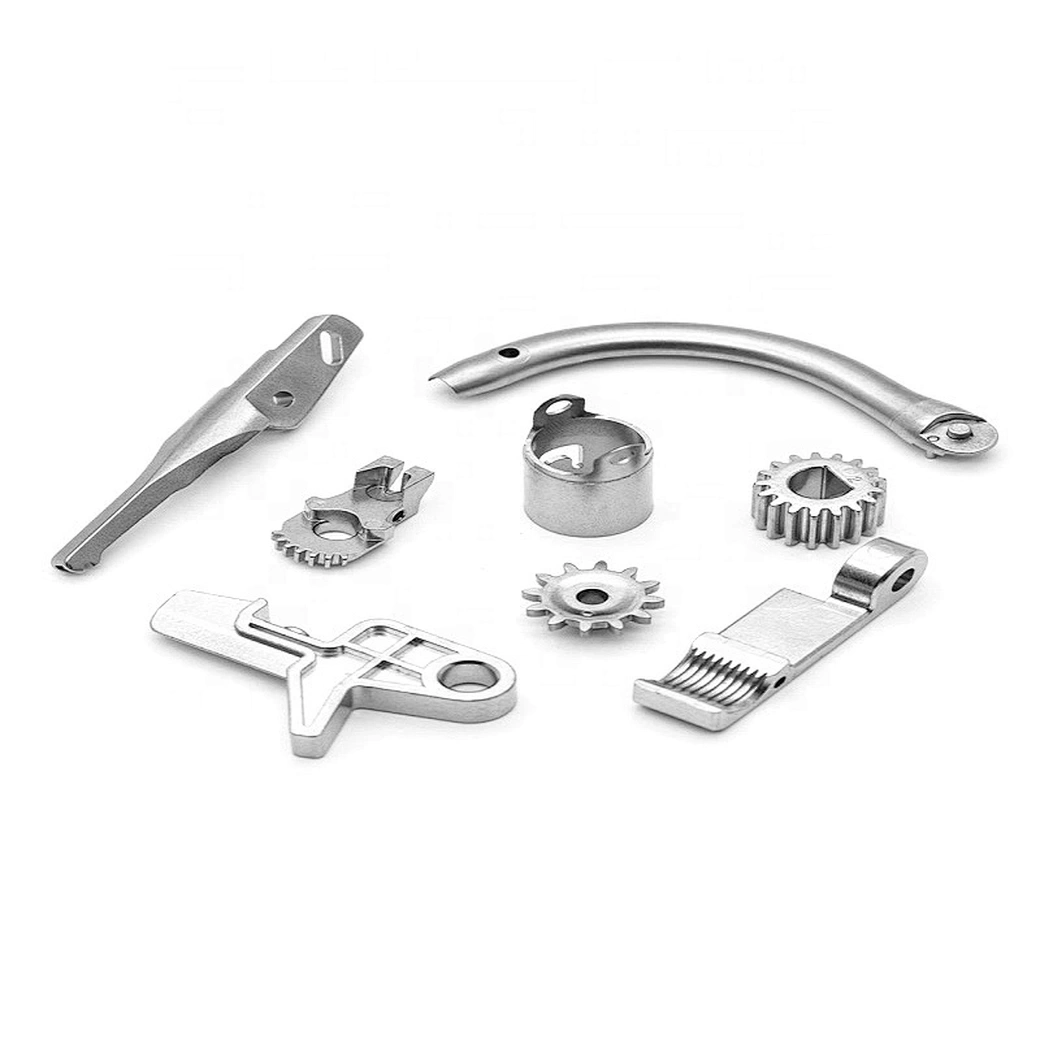
Metal injection molding (MIM) uses feedstock made from fine metal powder and a binder. The feedstock is heated and injected into a mold, much like plastic.
The molded part, called a green part, is held together by the binder. It then goes through two stages:
- Debinding removes most of the binder.
- Sintering bonds the metal particles into a dense component. The part shrinks during this stage, so the change must be accounted for in the tooling and process plan.
In short, the MIM manufacturing process consists of injection, debinding, and sintering. Some parts also need machining or other finishing operations. The metal powder doesn’t melt during injection; the binder carries it into the mold. The metal particles consolidate later in the furnace, producing metal injection molded parts with the shape of a molded component and the properties of a sintered alloy.
Shops that run this route treat it as a specialist capability, which is why it is normally discussed alongside dedicated metal injection molding services.
2. What Is Plastic Injection Molding?
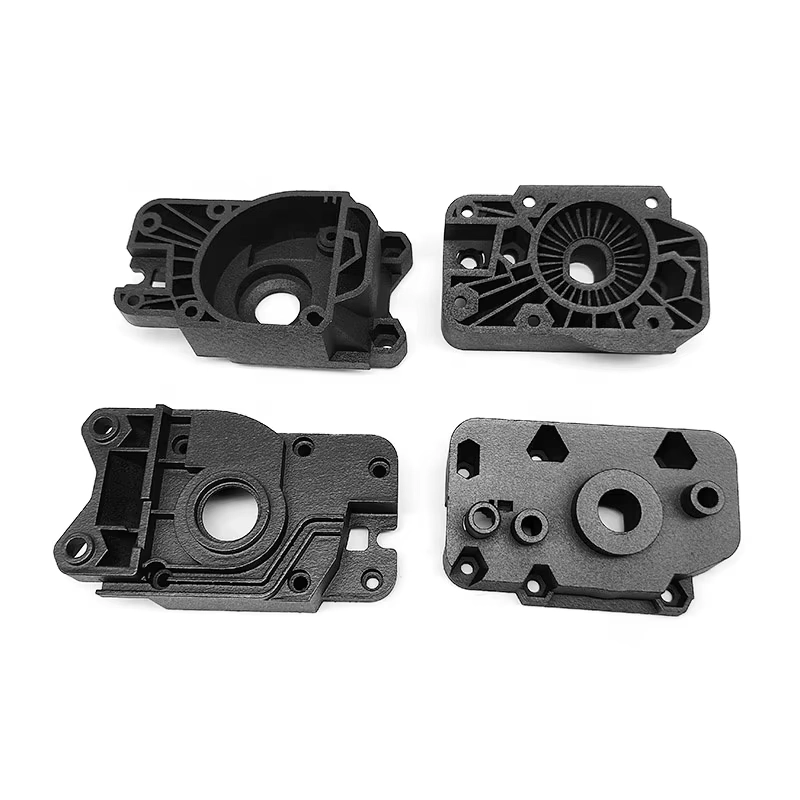
Plastic injection molding starts with polymer pellets, which are melted and injected into a mold. The plastic cools and solidifies in the cavity before the finished part is ejected. Finishing or other secondary operations may follow, but the process doesn’t involve debinding or sintering.
Mold and melt temperatures, the injection profile, and cooling time all affect the result. Plastic parts can also shrink or warp, so those factors need to be addressed through material data, mold design, and trials using the production tool.
Without a sintering stage, the process is shorter and often easier to adjust. The finished part is still polymer, so its properties differ from those of a metal component. When plastic is the right fit, manufacturers typically use plastic injection molding services.
3. Metal Injection Molding vs Plastic Injection Molding: Process Comparison
Both routes share the injection step. Everything that decides the final material happens after it.
| Process stage | MIM | Plastic injection molding |
|---|---|---|
| Feedstock | Metal powder combined with binder | Thermoplastic or other molding-grade polymer pellets |
| Injection | Feedstock fills the mold and forms a green part | Molten polymer fills the mold and forms the plastic part |
| After molding | Debinding and sintering are required | Cooling and ejection; finishing may follow |
| Dimensional change | Sintering shrinkage requires compensation | Molding shrinkage and warpage depend on material, geometry, and process |
| Final material | Sintered metal component | Plastic component |
| Secondary operations | May include machining, sizing, finishing, or heat treatment | May include trimming, painting, printing, or assembly |
This is the core of metal injection molding vs plastic injection molding. The tooling looks familiar in both cases, but only one process has a furnace stage that changes the part's dimensions and its material state at the same time.
4. Key Differences in Materials and Part Performance
Metal Properties vs. Plastic Properties
The first question is not which process is better but which material the part needs. Work through strength, stiffness, weight, heat resistance, wear resistance, corrosion resistance, and whether the part must be electrically insulating.
On comparing strength: It is not accurate to describe MIM as equivalent to forged steel. The final properties of a metal injection molded part depend on the alloy, the achieved density, the sintering profile, and any post-treatment. MIM can produce complex parts with specific metal properties, and those properties should be confirmed from material data sheets and part-level testing rather than assumed from the process name.
Geometry and Part Complexity
MIM can consolidate several details into one small, complex metal part, which is often where the cost case comes from. Plastic injection molding handles plastic housings, structural parts, and consumer components across a wide size range. Both processes still depend on mold design, draft, wall thickness, and molding feasibility, so neither escapes fundamental design rules.
Size and Weight Considerations
MIM is generally considered for smaller, more complex metal parts. The practical size and weight ceiling depends on the machine, the material, the part geometry, and the supplier's process, so no single figure should be treated as a universal limit.
5. Shrinkage, Tolerances, and Dimensional Control
MIM Shrinkage During Sintering
MIM parts change dimensions noticeably during debinding and sintering, so the mold has to be built to compensate for the expected MIM part shrinkage during sintering. Published design guidance gives different reference ranges because the shrinkage depends on the conditions. The working value for a project should be established from the material, the feedstock, the part design, and the sintering conditions, then confirmed on a sample.
Plastic Injection Molding Shrinkage
Plastic parts also shrink and warp during molding. The amount depends on the resin type, whether the material is fiber-filled, the wall thickness, the gate design, and the processing conditions. A general figure for "plastic" is not useful; the dimensional strategy should be built from the specific material grade and confirmed by mold flow analysis and a trial.
Tolerance Strategy
- Do not apply one general tolerance band to every MIM or plastic part.
- Mark the critical fit, locating, and functional dimensions first.
- For tighter critical features, evaluate machining, grinding, sizing, or another secondary process.
- Confirm at project level against the drawing, material, part geometry, and inspection method.
6. Tooling, Production Volume, and Cost
To compare MIM vs. plastic injection molding cost, look beyond the raw material price. The total depends on:
- Mold design and tooling
- Feedstock or resin
- Debinding and sintering for MIM
- Cycle time and production yield
- Secondary operations and inspection
- Annual volume and expected tool life
- Sampling, process development, and qualification
There’s no universal 5,000- or 10,000-piece break-even point. It depends on the part, tooling, material, and lifetime quantity, so compare actual quotations rather than relying on a rule of thumb.
MIM can be cost-effective for high-volume, complex metal parts, particularly when it replaces several machining operations. Plastic injection molding is suited to high-volume plastic parts when the material meets the application's requirements. Both processes require tooling investment, which can make low-volume production harder to justify.
7. Typical Applications
Common MIM Applications
Application examples may include:
- Small precision hardware components
- Watch components and buckles
- Complex gears and mechanical parts
- Medical or dental instrument components
- Electronic and mobile-device mechanisms
- Sewing-machine components
Common Plastic Injection Molding Applications
- Electronic enclosures
- Appliance housings
- Clips and brackets
- Toys and consumer products
- Automotive interior components
- Lightweight structural covers
Custom injection molded parts in this range are usually built around a dedicated tool, so the design and the volume have to justify the mold before the process becomes the cheaper answer.
8. When Should You Choose MIM?
MIM is worth evaluating when:
- The part must be metal.
- The geometry is complex and difficult or costly to machine.
- Several features can be consolidated into one component.
- The expected production volume can justify tooling and process development.
- The material and performance requirements are compatible with the available MIM alloys.
9. When Should You Choose Plastic Injection Molding?
Plastic injection molding is worth evaluating when:
- The design can use a polymer.
- Low weight, electrical insulation, or specific polymer properties matter.
- The part requires a complex molded shape at production scale.
- Metal strength or high-temperature performance is not required.
- The target cost and production volume support mold investment.
10. When Are CNC Machining or 3D Printing Better Alternatives?
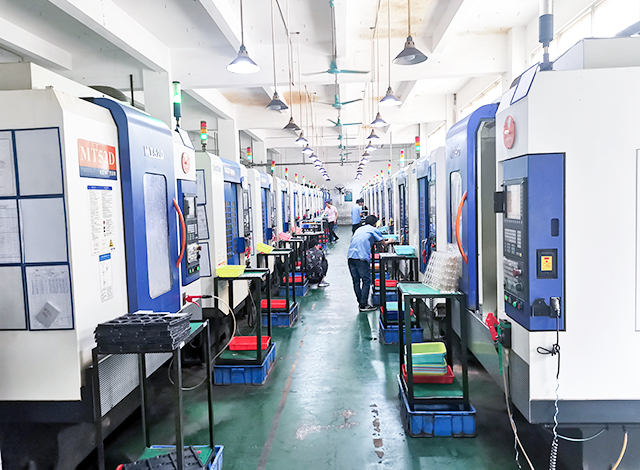
Injection molding is a volume process, and it is not the only route to a finished part:
- CNC machining may suit prototypes, low-volume metal parts, and parts with tight critical dimensions.
- Metal 3D printing may be considered for certain low-volume complex geometries, depending on the material, finish, and cost.
Process selection should compare total cost, lead time, required properties, and secondary operations rather than unit price alone. On MIM vs CNC machining for metal parts, the deciding factors are usually volume and how much machining-level control the critical features need. Where the answer points to machining, the route runs through CNC machining for custom metal parts.
11. How to Select the Right Process for Your Part
- Confirm whether the finished part must be metal or can be plastic.
- Define the requirements for strength, temperature, wear, corrosion resistance, weight, and appearance.
- Review the part's size, geometry, wall sections, and critical features.
- Estimate prototype, annual, and lifetime quantities.
- Compare tooling, unit cost, secondary operations, and inspection.
- Request a DFM review based on the drawing and 3D model.
Start with the material requirement. If the part must be metal, plastic injection molding is out, and the comparison is usually between MIM and machining. If plastic meets the requirements, MIM is rarely the lower-cost option.
"Most of these projects are decided by the material callout, not by the process. Once a designer confirms the part has to be metal, the comparison changes completely, and the useful question becomes volume against geometry against tolerance. Send the drawing and the annual quantity and that answer becomes measurable."
— Engineering review team, DongGuan YiTai
12. Frequently Asked Questions
What is the main difference between MIM and plastic injection molding?
Both use injection molding to shape feedstock, but MIM uses metal powder and binder and requires debinding and sintering after molding. Plastic injection molding uses polymer feedstock and does not have the MIM sintering stage.
Does MIM shrink after molding?
Yes. MIM parts undergo dimensional shrinkage during sintering. The amount depends on the feedstock, material, part geometry, and process, so it must be established for the specific project.
Do plastic injection molded parts shrink?
Yes. Plastic molding shrinkage and warpage vary with resin, part geometry, gate design, and processing conditions.
Is MIM stronger than plastic injection molding?
They produce different material classes, so stronger depends on the specific metal alloy, polymer grade, part design, and loading condition. Compare verified material and part-level data.
Is MIM suitable for low-volume production?
It may be technically possible, but tooling and process development can make low-volume production less economical. Request a project-specific cost comparison.
When should I choose CNC machining instead of MIM?
CNC machining may be preferable for prototypes, low-volume production, design changes, or critical features that require machining-level control. Compare the complete process and cost.
Conclusion
The choice between metal injection molding vs plastic injection molding starts with one question: does the finished part have to be metal? If it does, MIM becomes a candidate for small, complex components at production volume, and the real comparison is against machining. If a polymer can do the job, plastic injection molding is usually the more direct route and avoids the debinding and sintering stages.
Both processes shrink, both need tooling investment, and both reward early design review. Neither has a universal economic batch size, so the numbers should come from a quotation for the actual part. If you are working through that comparison, request a manufacturing DFM review with the drawing, the material requirements, and the expected volume.
Choosing Between MIM, Plastic Injection Molding, and CNC Machining?
Send us your drawing, material requirements, and expected volume for a manufacturing process review. Include the material callout and we will compare metal injection molding vs plastic injection molding against your volume and tolerance requirements.
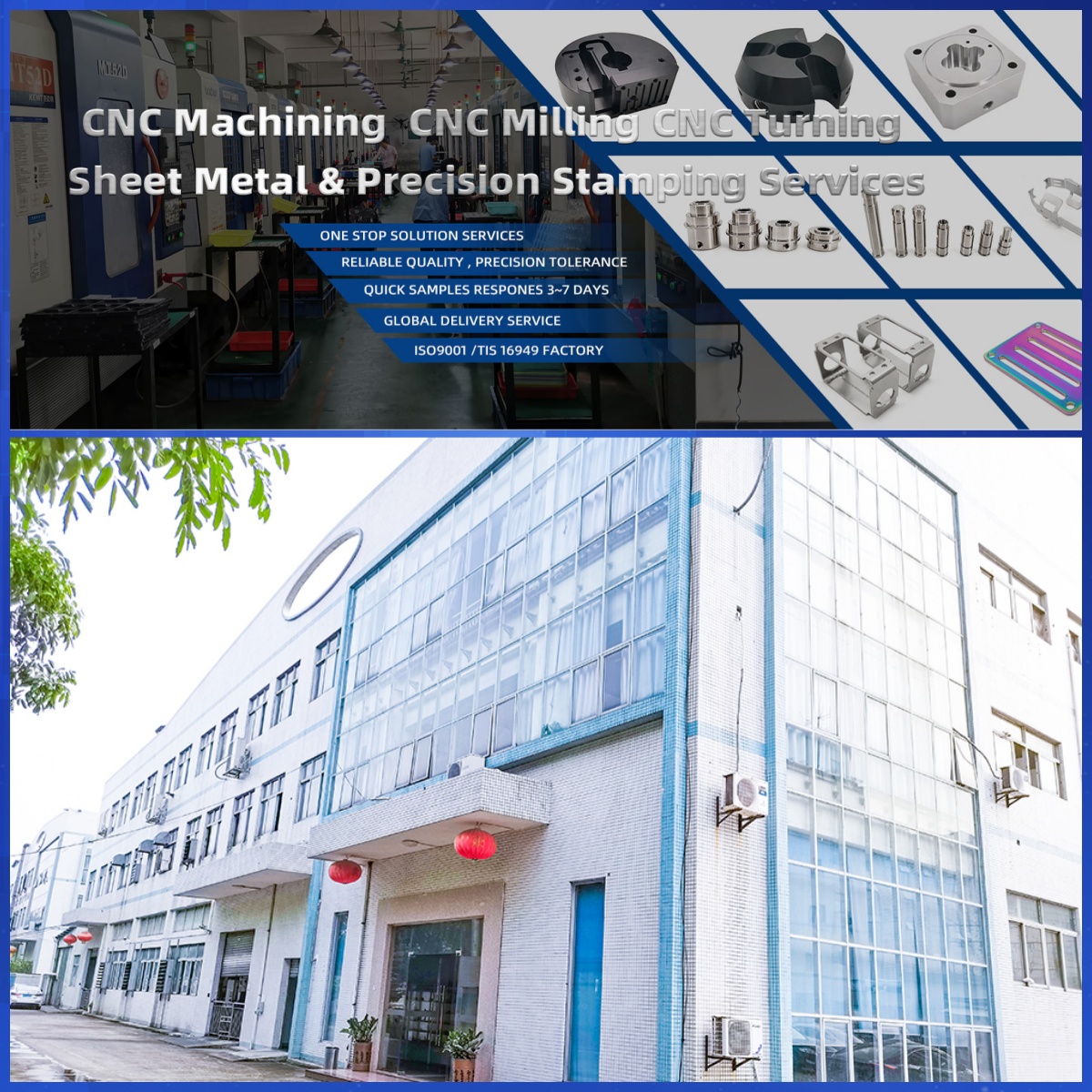
DongGuan YiTai Electronic Technologies Co.,Ltd
DongGuan YiTai Electronic Technologies Co.,Ltd is a manufacturing service provider located in Dongguan, China.
YiTai specialized in CNC turning machining and sheet metal fabrication mainly. As a member of Hung Mou Group, we focus on the overseas marketing development. And based on our parent company’s manufacturing capability and resources, YiTai also expended machining services such as die casting, injection molding, aluminum profile extrusion, 3D printing, which are committed to providing customers with one-stop purchasing services and experience.
CNC MACHINING , CNC MILLING , CNC TURNING , SHEETMETAL , FASTENER , OTHERS




Dimensional Tolerances vs. Geometric Tolerances in CNC Machining
Gang Tool vs Turret CNC Turning: How to Choose
Related Article