Brass Nut Threaded Inserts: The Ultimate Guide to Durable Fastening Solutions

-
Why Choose Brass? Key Advantages
-
Superior Corrosion Resistance
-
Excellent Electrical Conductivity
-
Good Thermal Conductivity
-
Machinability and Formability
-
Non-Magnetic & Non-Sparking
-
Aesthetic Appeal
-
-
Selecting the Right Brass Insert
-
Material Grade
-
Size and Thread Type
-
Insert Style (Press-in, Screw-in, Knurled)
-
Collar Type (Hex, Round, Flanged)
-
What are Brass Nut Threaded Inserts?
Why Choose Brass? Key Advantages

Brass naturally resists corrosion from moisture, humidity, many chemicals, and salt spray far better than standard steel fasteners. This makes brass inserts ideal for marine environments, outdoor applications, plumbing systems, and any setting where rust prevention is critical for longevity and safety. This inherent resistance often eliminates the need for additional plating or coatings.
While pure copper is the benchmark, brass retains very good electrical conductivity. This is crucial in electrical enclosures, grounding applications, battery terminals, and anywhere a reliable electrical connection through the fastener is required. Brass inserts ensure consistent conductivity between connected components.
Brass also conducts heat effectively. This property is valuable in applications involving heat dissipation, such as securing components in LED lighting fixtures, power electronics, or heat exchangers. It helps prevent localized hot spots around the fastener joint. (Interested in copper's thermal advantages? See our related post on Copper/Brass Nuts [Link to your previous article - or mention its title/topic]).
Brass is renowned for its excellent machinability, allowing for the production of inserts with precise threads and complex external locking features (like fine knurling) relatively easily and cost-effectively. It's also quite ductile, enabling the creation of various insert designs (flanged, hex-collar) without cracking.
Brass inserts are inherently non-magnetic, essential in sensitive electronic equipment (medical devices, aerospace, labs) where magnetic fields cause interference. They are also non-sparking, making them a safer choice in potentially explosive atmospheres (oil & gas, chemical plants, mining) compared to ferrous fasteners.
The distinctive warm, gold-like color of brass offers an attractive finish, often used where fasteners are visible and a decorative touch is desired, such as in furniture hardware, architectural elements, or consumer electronics.
Common Applications

-
Electronics & Electrical: PCB mounts, chassis grounding points, connector housings, battery contacts.
-
Marine: Deck hardware, instrumentation panels, underwater housings, sailboat fittings.
-
Automotive: Interior trim, lighting assemblies, sensors, under-hood components (non-critical).
-
Furniture: Assembly of metal-to-wood joints, reinforcing legs and frames, adjustable components.
-
Industrial Machinery: Panels on aluminum enclosures, fluid handling equipment, jigs and fixtures.
-
Plumbing & HVAC: Fixtures, valve bodies, sensor mounts, access panels.
-
Consumer Goods: Appliances, power tools, sporting goods, musical instruments.
Selecting the Right Brass Insert
-
Free-Cutting Brass (CZ121/C36000): Most common. Excellent machinability and good overall corrosion resistance. Ideal for general purpose.
-
Naval Brass (CZ112/C46400): Enhanced corrosion resistance, especially to salt water. Stronger than free-cutting brass. Preferred for marine applications.
-
Leaded Brass: Similar to free-cutting, sometimes used for ease of manufacture. (Note environmental regulations on lead).
-
Match the internal thread (e.g., M4, M6, 1/4"-20, 10-32) to the bolt/screw you intend to use.
-
Ensure the outer diameter and insert length are compatible with the thickness and strength of your host material. Follow manufacturer recommendations for hole size.


-
Press-in Inserts (Knurled/Ribbed): Most common for plastics and wood. External knurling bites into the material. Installed with press, ultrasonic, or heat.
-
Screw-in Inserts: Feature an external thread for installation into a pre-tapped hole (often in metal). Offer very high pull-out strength.
-
Key-Locking Inserts: Feature keys that fold out behind the host material for maximum resistance to rotation and pull-out in thin materials.
-
Hex Collar: Allows insertion with a standard wrench or socket, providing torque resistance during installation and bolt tightening. Common for screw-in types.
-
Round/Flush Collar: Provides a smooth surface finish. Installed below or flush with the material surface.
-
Flanged Collar: Distributes clamping load over a wider area, ideal for softer materials
Installation Methods & Best Practices
-
Precise Hole Preparation: Drill the correct size hole as specified for the insert type. Hole depth should exceed insert length slightly. Deburr the hole.
-
Method Selection:
-
Press Fit: For knurled inserts in plastics/metal. Use arbor press or calibrated installation tool. Avoid excessive force.
-
Thermal Expansion (Heat Staking): Heat insert (or cool host material), insert, let cool/shrink for tight fit. Common in plastics.
-
Ultrasonic: High-frequency vibrations soften plastic locally, allowing insert to embed cleanly. Very fast and clean.
-
Threaded Installation: For screw-in types. Tap hole to correct thread, screw insert in (often with threadlocker). Use appropriate tool on collar.
-
-
Alignment: Ensure insert is driven in straight and perpendicular to the surface.
-
Avoid Over-Tightening: When installing the mating bolt/screw, use a torque wrench to prevent stripping the brass thread or distorting the host material.
Expert Insights: Why Brass Stands Out
-
Dr. Eleanor Reynolds, Materials Scientist: "Brass strikes a remarkable balance for threaded inserts. Its inherent corrosion resistance significantly reduces lifecycle costs in harsh environments compared to plated steels, which can fail if the coating is breached. The alloy's machinability allows for intricate locking features that maximize grip in soft substrates, while its conductivity remains a key functional advantage in countless electrical applications."
-
Marcus Chen, Senior Design Engineer (Marine Equipment): "In saltwater environments, material failure isn't an option. We specify naval brass inserts almost exclusively for critical deck hardware and electronics housings. The combination of proven salt spray resistance and reliable electrical grounding performance is unmatched by alternatives at a reasonable cost point. They simply last."
Brass Nut Threaded Inserts: FAQs
A: Generally, no. Steel inserts (especially alloy steels) have higher tensile and shear strength than brass inserts. However, brass excels in corrosion resistance, conductivity, and non-magnetic properties. Choose brass for these specific advantages, not ultimate strength. For pure strength in non-corrosive environments, steel is usually better.
A: Brass softens significantly at elevated temperatures. While fine for typical operating temperatures (up to around 200°C / 392°F for many grades), avoid them in applications involving sustained high heat (e.g., engine blocks, exhaust components). Consider high-temperature alloys like stainless steel (A286) or Inconel instead.
A: * Corrosion: Both offer good resistance, but types matter. Some stainless (e.g., 316) beats brass in severe chloride environments. Brass is generally better against many chemicals.
* Strength: Stainless steel is significantly stronger.
* Conductivity: Brass is far superior electrically and thermally.
* Magnetism: Austenitic stainless (304, 316) is non-magnetic like brass. Martensitic (410) is magnetic.
* Cost: Brass is often less expensive than stainless.
* Gallling: Stainless is more prone to thread galling than brass.
A: For reliability and cleanliness, ultrasonic installation is often the best method. It minimizes stress on the plastic. Heat staking (heating the insert) is also very effective. Manual pressing with a tool works but requires careful control to avoid cracking the plastic. Always follow the insert manufacturer's recommendations.
A: Removal is difficult and often damages the host material or the insert. Press-in knurled inserts are designed to be permanent. Screw-in inserts might sometimes be unscrewed if accessible, but threadlocker can make this hard. Drilling out is usually the only option, risking damage. Consider inserts as permanent solutions.
A: It depends. For the insert itself: Sometimes used on screw-in types to prevent loosening, especially in vibration-prone environments. For the bolt/screw going into the insert: Threadlocker can be applied to the bolt threads to prevent it from loosening, just as you would with a standard nut. Use low/medium strength for easier disassembly if needed.
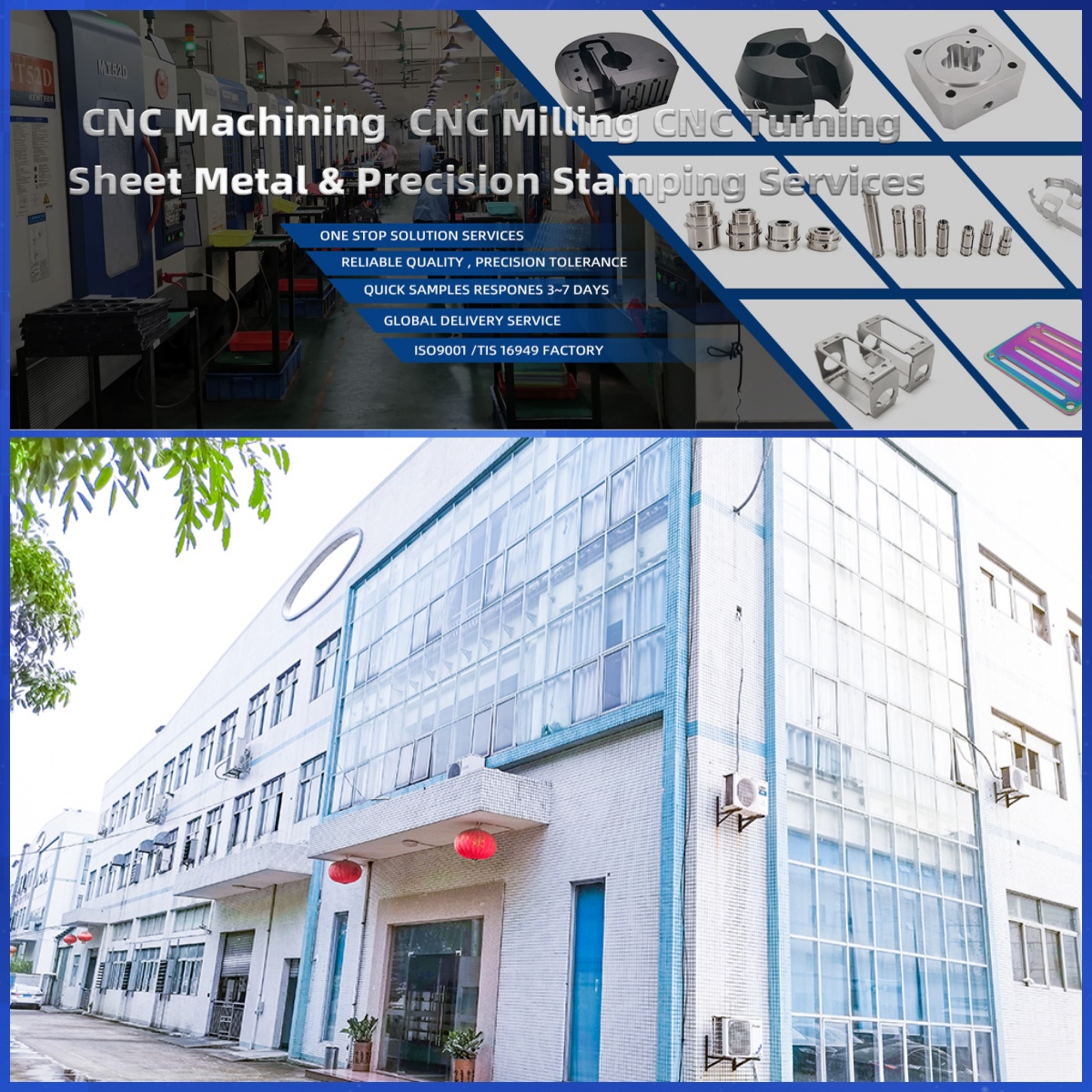
DongGuan YiTai Electronic Technologies Co.,Ltd
DongGuan YiTai Electronic Technologies Co.,Ltd is a manufacturing service provider located in Dongguan, China.
YiTai specialized in CNC turning machining and sheet metal fabrication mainly. As a member of Hung Mou Group, we focus on the overseas marketing development. And based on our parent company’s manufacturing capability and resources, YiTai also expended machining services such as die casting, injection molding, aluminum profile extrusion, 3D printing, which are committed to providing customers with one-stop purchasing services and experience.
CNC MACHINING , CNC MILLING , CNC TURNING , SHEETMETAL , FASTENER , OTHERS




Mastering Chassis Case Fabrication: Sheet Metal vs. CNC Machining
High-Performance Stainless Steel Spur Gears
Related Article