Brass Threaded Insert Kit: Sizes, Uses, and Selection
1. What Is a Brass Threaded Insert Kit?
A brass threaded insert kit gives users several insert sizes for adding screw connections to plastic parts. Keeping the sizes together makes it easier for designers, assembly technicians, and repair teams to choose an insert that fits the screw. This guide covers common uses, insert sizing, installation, and what to look for when choosing a kit.Plastic bosses wear down when screws are driven directly into them, especially after repeated assembly. A brass insert provides a more durable thread that can handle repeated use and higher torque. That's why threaded inserts for plastic are often specified during product design, before tooling begins.
2. What Is Included in This Insert Kit?

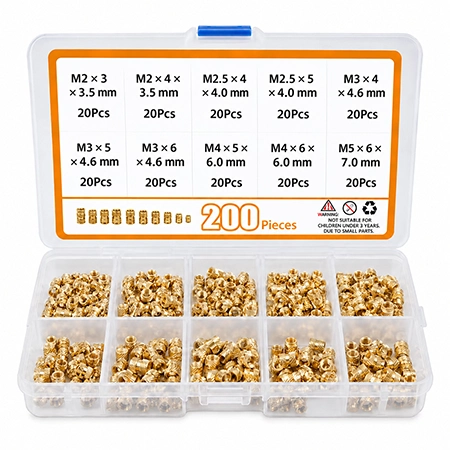
A typical kit contains brass inserts in several thread sizes, arranged in a compartment case so each size is easy to find and count.
Buyers often use assorted brass threaded inserts to describe a pack with multiple sizes, rather than separate bags for each one. Insert designs vary: some have knurled bodies, others use keyed or slotted patterns, and some have a plain exterior. Keeping the inserts sorted by size makes the case more useful.
Specification note: Thread sizes, insert lengths, quantities by size, and total count vary by SKU. Product photos show the assortment’s general appearance; check the packing list or specification sheet for the exact contents before ordering.
3. How Brass Threaded Inserts Work
An insert does two jobs at once. Internally, it provides a thread for the screw. Externally, it has to grip the plastic hard enough that the screw turns instead of the insert spinning.
Internal Threads for Screw Assembly
The internal thread has to match the screw. Metric and UNC callouts are not interchangeable, and pitch matters within the same diameter, so a screw that almost fits is a mismatch rather than a tight fit. Start from the screw on the drawing and work back to the insert.
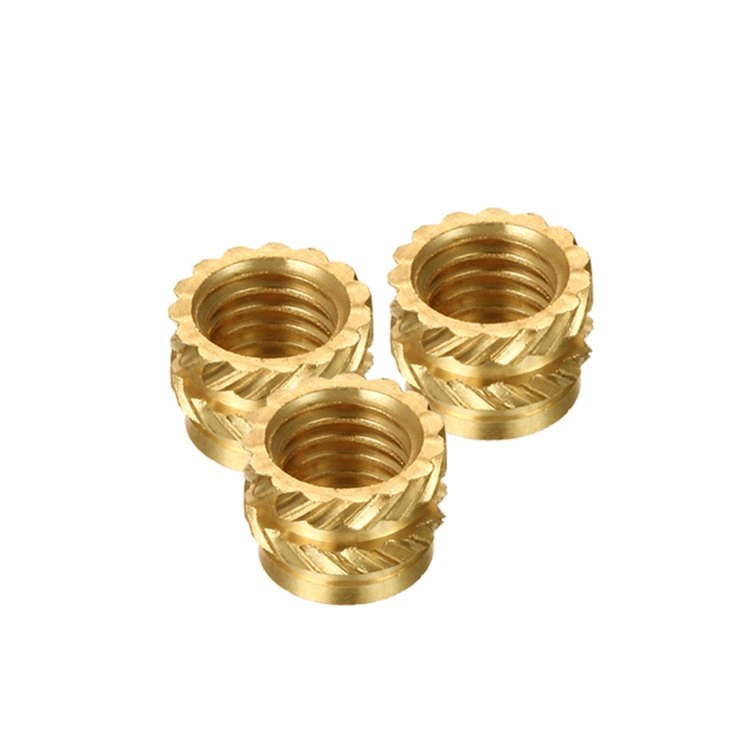
Knurled or Textured Exterior
Where an insert body carries a diamond knurl or a similar texture, the purpose is mechanical grip. During installation the plastic softens and flows into the texture. When it sets, that interlock resists rotation and pull-out, which keeps the insert from turning with the screw.
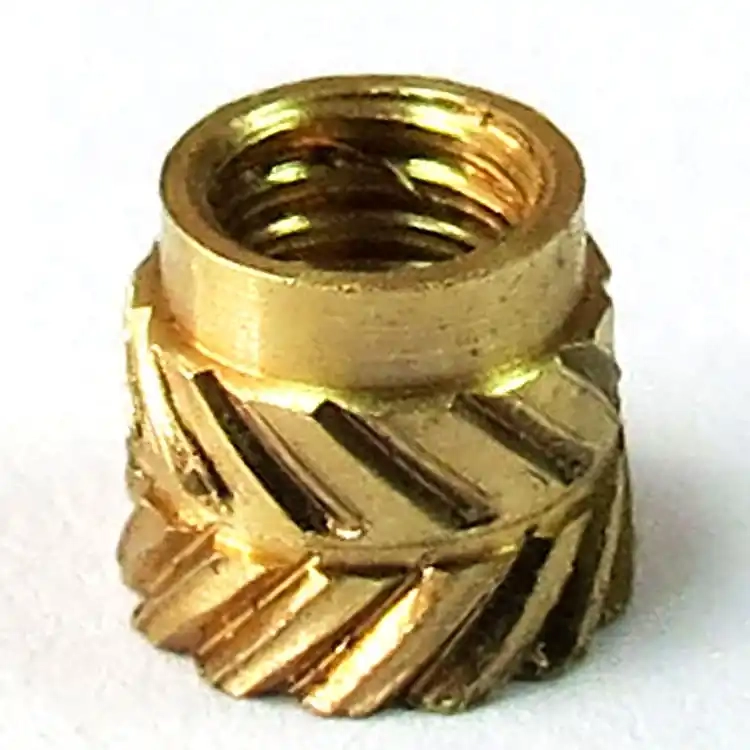
A knurled insert, a keyed insert, and a smooth press-fit insert are installed differently, so check the outer geometry before writing it into a drawing note.
Heat-Set Installation
A heat-set insert kit is installed with heat rather than force alone. The insert is brought to temperature, pressed into the prepared hole, and left to settle while the plastic reflows around the body and cools. Three variables decide the result: hole size, installation depth, and temperature for that polymer.
Those numbers are not universal. A setting that works on one grade of ABS can be wrong for glass-filled nylon or for a thin-wall boss. Use the figures supplied with the product, then prove them on a sample of the actual plastic before any production run.
Verify before you scale: installation temperature, hole diameter, and insertion depth should come from the product instructions and be confirmed on a sample part. Running a new plastic grade straight into production is how cracked bosses get discovered after assembly.
4. Common Applications for a Brass Threaded Insert Kit
Inserts appear wherever plastic has to accept a screw that will be tightened more than once.
- 3D printed parts. Printed holes are rarely round or on size, and layer lines do not hold threads well. Inserts give a printed enclosure or bracket a real thread. The checks for brass inserts for 3D printed parts are below.
- Plastic enclosures and panels. Covers that come off for service need a thread that survives being opened repeatedly.
- Electronics brackets and mounting points. PCB stands, sensor mounts, and display frames often specify a machine screw into a plastic housing.
- Custom plastic components. Any part where the drawing calls for a tapped hole in plastic is a candidate.
- Prototypes and repairs. A stripped hole can be opened up and fitted with an insert instead of being scrapped.
- Assemblies that get serviced. If the joint opens in the field, an insert is the difference between a service task and a broken thread.
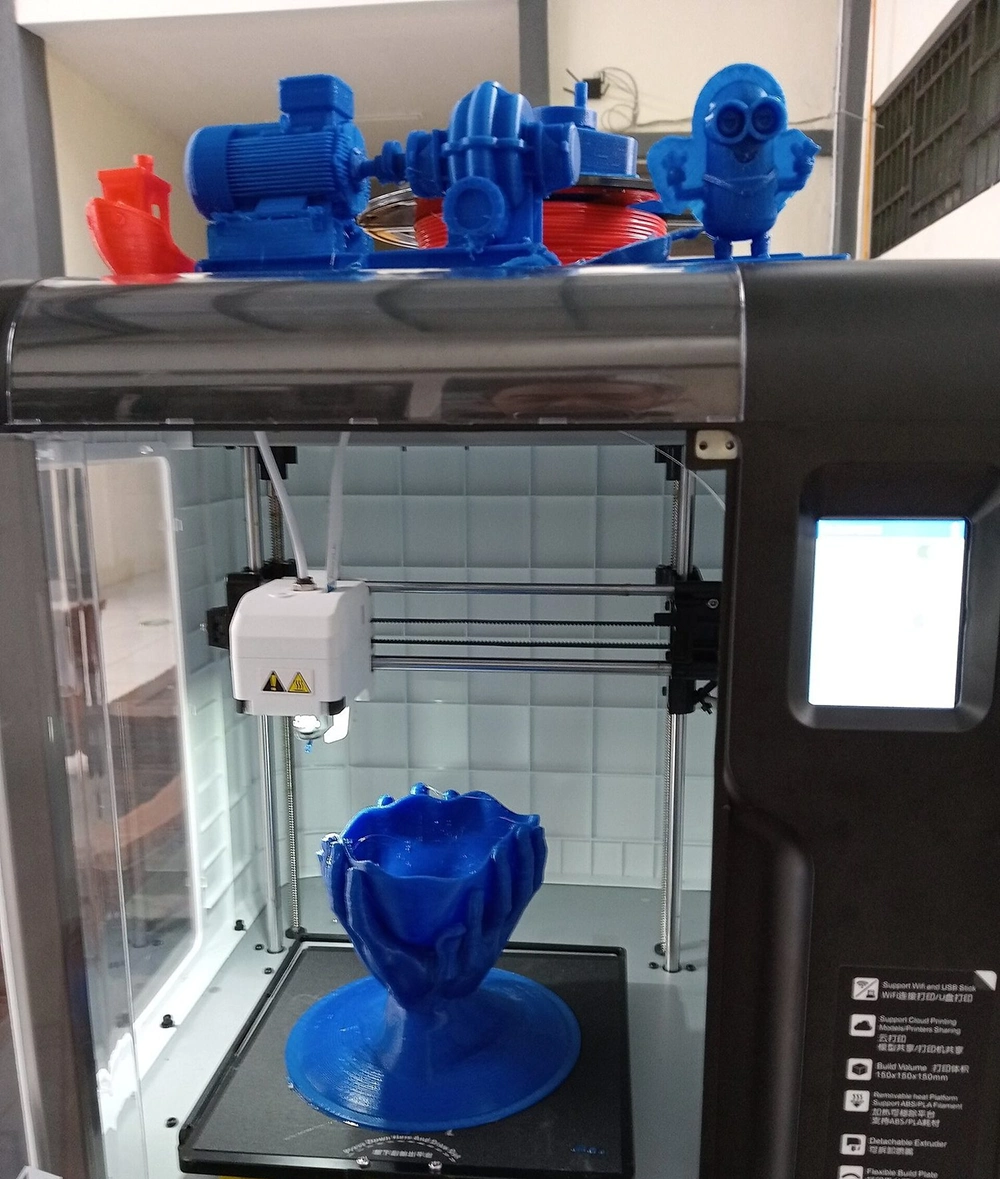
For printed parts, three checks come before the insert:
- Wall thickness. A boss that is too thin will split when the insert goes in, however carefully it is installed.
- Hole preparation. FDM holes often print undersized, so they may need drilling or reaming to the size the insert calls for.
- Material behaviour. PLA softens at a low temperature; PETG and nylon behave differently under heat and load, so the same setting does not transfer between them.
Applicability always comes back to the material, the part structure, and the insert size.
5. How to Choose the Right Insert Size
How to choose brass threaded inserts comes down to working outward from the screw and inward from the plastic:
- Screw thread specification. Diameter, pitch, and standard. This sets the insert's internal thread.
- Insert length and outer dimensions. Length has to sit inside the available depth; the outer diameter has to match the hole and the boss.
- Plastic part thickness and hole design. Boss diameter, wall thickness, and hole depth decide whether the insert can be installed without cracking the part.
- Installation tool and access. A heat-set tip needs clearance above the hole, and a tight recess can make a good insert the wrong choice.
- Assembly and service requirements. How often the joint opens and how much torque the screw needs set the minimum insertion depth.
- Specification sheet and physical sample. Confirm the choice against data, then against a real insert in a real part.
| Decision point | What to check | Common mistake |
|---|---|---|
| Thread | Matches the screw callout, including standard and pitch | Sizing from a photo or an unlabelled bag |
| Length | Fits within the available hole depth without bottoming out | Choosing a long insert for a shallow boss |
| Outer diameter | Matches the prepared hole in the drawing | Reusing the hole size from a different insert type |
| Boss wall | Thick enough to take the insert without splitting | Sizing the hole to the insert and ignoring the wall |
| Installation | Tool clearance and access above the hole | Designing a recess the heat-set tip cannot reach |
| Verification | Spec sheet plus a sample installation in the same plastic | Approving the insert from a catalogue drawing alone |
Do not size from a picture. Photos have no scale and the inserts are usually shot at an angle. Read the thread callout from the drawing, confirm it with a pitch gauge, and treat any size taken from a photograph as a guess.
6. Installation Considerations
How to install heat-set inserts in plastic follows a sequence, and skipping a step usually shows up as a loose insert or a cracked boss.
- Prepare the hole to the specified size. Undersized holes crack bosses; oversized holes leave the insert loose.
- Keep the insert aligned with the hole. A heat-set insert that starts at an angle stays at an angle.
- Control heat, force, and depth. Excess heat distorts the part, excess force shears the plastic around the boss, and too much depth buries the thread below the mating surface.
- Let the plastic cool and stabilise. Testing the screw while the plastic is soft can pull the insert out of position.
- Validate on a sample first. Same plastic, same wall thickness, same insert. A test on a different grade proves very little.
"The mistake we see most often is not the insert, it is the boss. The hole is sized to the insert outer diameter and the wall around it is left too thin, so the hoop stress from installation splits the part. Adding two millimetres of wall often solves a problem that no change of insert would fix. The second most common issue is installation depth: a heat-set insert driven in too far loses the surface it was supposed to provide."
Engineering review, DongGuan YiTai
7. Why Use a Compartment Storage Case?
Small hardware gets mixed up. A compartment case removes a whole category of assembly error:
- Sizes stay separated. M3 and M4 inserts look similar on a busy bench and are not interchangeable.
- Restocking is faster. You can see what is running low before a batch starts.
- Counting is straightforward. Compartments make a short size obvious.
- It travels well. One case covers prototype work, the repair bench, and sample builds.
The value only holds if the packaging actually has that structure, so match the description to the product you ship and confirm the case format with the supplier.
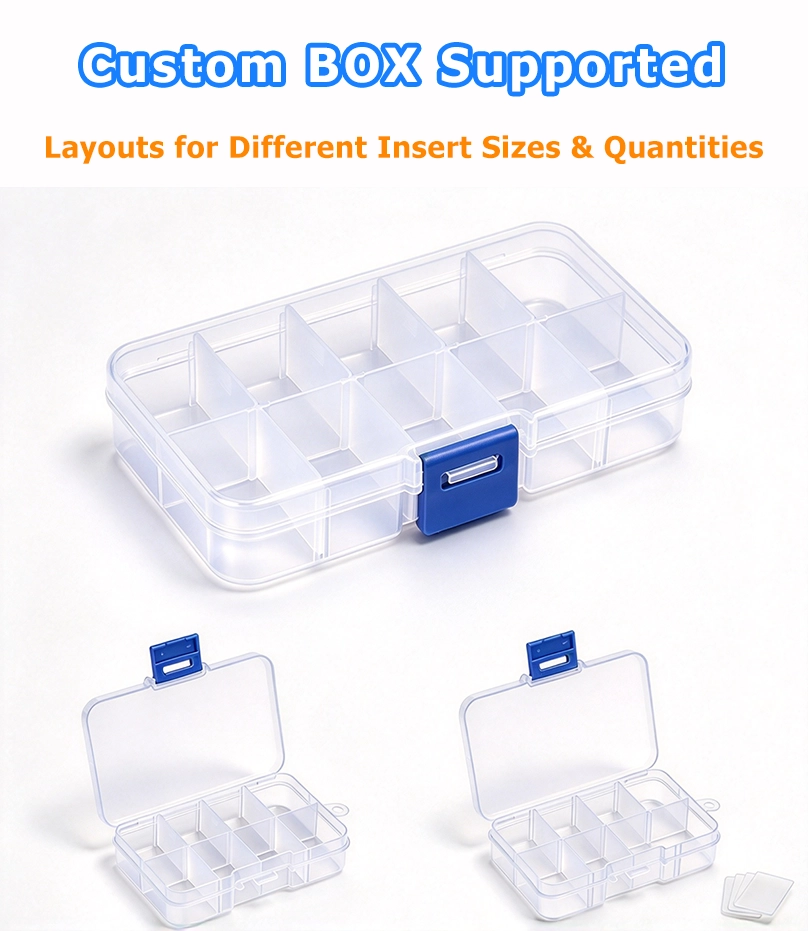
8. Brass Threaded Insert Kits for Custom Plastic Parts
Inserts are usually part of a larger part specification, and the part is usually custom. That is where a kit meets a drawing.
- Thread and hole position. The insert thread, the hole location, and the surrounding geometry are checked together, because a correct insert in the wrong place still fails.
- Plastic material and wall thickness. Both drive the insert choice and the installation method, so a late material change can invalidate an insert that passed earlier.
- Assortment fit. The useful question is which combination of sizes matches the bill of materials, not how many inserts are in the box.
- Custom configuration. A custom brass threaded insert kit depends on available insert sizes, requested quantities, and packaging requirements, so the specification and the minimum order quantity should be confirmed with the supplier.
For parts that are also machined, the same review applies to the plastic side of the job. Inserts fit a CNC machining for plastic parts workflow well, because the hole is cut to a known size and position rather than formed by a mold. Where the assembly combines plastic parts with metal hardware, custom hardware components and custom plastic parts are often quoted together so the thread, the hole, and the mating part stay consistent.
9. Frequently Asked Questions
What is a brass threaded insert kit used for?
It provides brass inserts that can add threaded screw connections to compatible plastic parts. The insert carries the thread instead of the plastic, so a screw can be installed and removed without stripping the hole.
Are the insert sizes in the pictured kit fixed?
The image is for reference. Confirm the current product specification or packing list for the exact sizes and quantities. Thread sizes, lengths, and the number of inserts per size vary by SKU.
Can I use this kit for 3D printed parts?
Some inserts may be suitable for 3D printed parts. Check the plastic material, insert dimensions, hole design, and installation method. Printed holes in FDM parts are often slightly undersized or out of round, so the hole may need to be reamed or drilled to the size the insert requires.
How do I choose the right insert?
Match the insert thread to the screw, then verify the insert dimensions and the plastic part's thickness and hole design. Start from the screw callout on the drawing, not from the insert photo. Confirm the final size against a spec sheet or a physical sample.
How are heat-set inserts installed?
Heat-set inserts are installed with controlled heat and pressure. The insert is heated and pressed into the prepared hole so the plastic reflows around the insert body. Follow the product instructions for temperature and depth, and test the process on a sample part made from the same plastic before running production.
Can the kit configuration be customized?
Customization depends on available insert sizes, requested quantities, and packaging requirements. Contact the supplier with your preferred specification and annual volume so the configuration and the minimum order quantity can be confirmed.
Conclusion
A brass threaded insert kit solves a specific problem: a screw that has to hold in plastic more than once. The inserts carry the thread, brass takes the load, and the plastic only carries the insert. Selection starts with the screw callout, moves through hole size and boss wall, and ends with a sample installation in the actual material before anything goes into production.
For one-off repairs, the kit is a bench tool. For a product program, it is a specification decision that belongs with the part drawing, reviewed alongside the hole design rather than after it. Send your required thread sizes and quantities, and we will check which configuration fits the project.
Need a brass threaded insert kit for your project?
Send us your required thread sizes and quantities to check the available configuration.
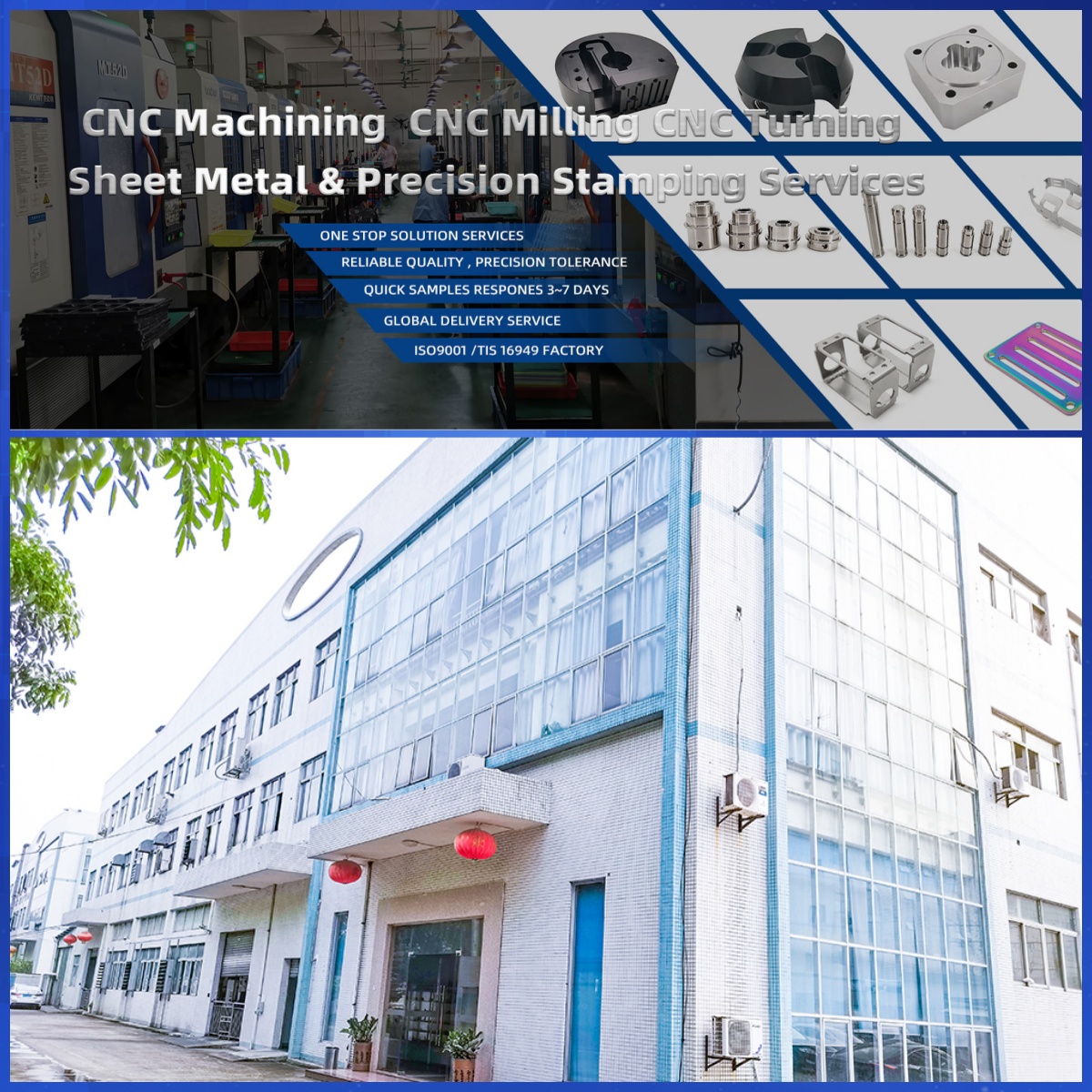
DongGuan YiTai Electronic Technologies Co.,Ltd
DongGuan YiTai Electronic Technologies Co.,Ltd is a manufacturing service provider located in Dongguan, China.
YiTai specialized in CNC turning machining and sheet metal fabrication mainly. As a member of Hung Mou Group, we focus on the overseas marketing development. And based on our parent company’s manufacturing capability and resources, YiTai also expended machining services such as die casting, injection molding, aluminum profile extrusion, 3D printing, which are committed to providing customers with one-stop purchasing services and experience.
CNC MACHINING , CNC MILLING , CNC TURNING , SHEETMETAL , FASTENER , OTHERS




Bronze Valve Guides: Function, Materials, and Custom Machining
What Kitchen Parts Are Commonly CNC Machined?
Related Article