What Is Stamping in Metal Manufacturing?
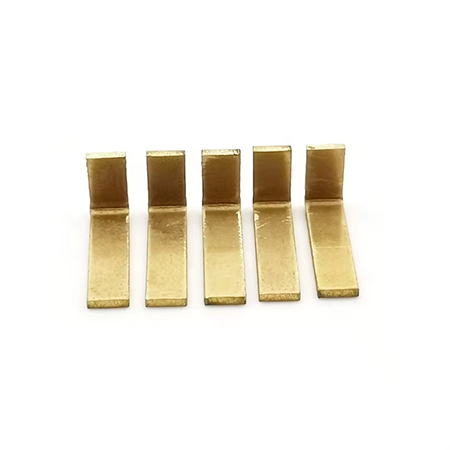
Every stamped part starts as flat metal and ends as a bracket, cover, terminal, panel, or enclosure. This guide explains what stamping is, how the stamping process runs, the common types of metal stamping processes, what materials can be stamped, and when stamping makes more sense than CNC machining for custom metal parts.
What's in this guide
- What Is Stamping?
- How Does the Metal Stamping Process Work?
- Common Types of Metal Stamping
- What Materials Can Be Used for Stamping?
- What Are the Advantages of Metal Stamping?
- What Are the Limitations of Stamping?
- Metal Stamping vs. CNC Machining
- Stamping in Custom Hardware Manufacturing
- How to Choose a Custom Metal Stamping Supplier
- Conclusion
- Frequently Asked Questions
1. What Is Stamping?
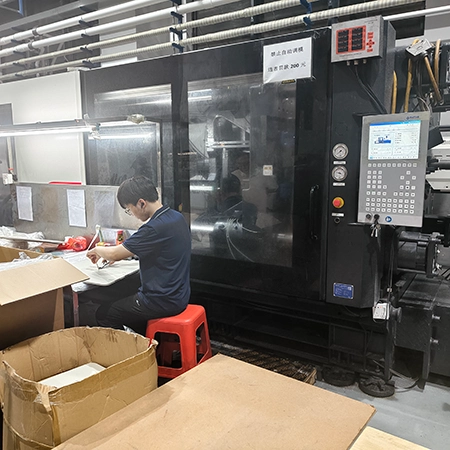
Stamping is a cold-forming process in most applications. No furnace or torch is involved. A sheet or strip sits between a die and a punch, the press delivers force, and the metal flows or shears into the shape the tooling allows. The result is a formed component, not a part slowly cut away.
Machining removes material to reveal a shape, so scrap is part of the deal. Stamping moves or shears metal into place, so for the right geometry it wastes far less sheet. That is why stamping is counted in parts per minute, not minutes per part.
Five terms explain almost every stamping conversation:
- Press is the machine that delivers the force, usually rated by the tonnage of its frame.
- Punch is the upper tool that moves down and pushes into the material.
- Die is the lower tool that supports the sheet and defines the cut edge or the formed shape.
- Sheet metal or metal strip is the stock, fed either as pre-cut blanks or as a coil that advances through the press.
- Formed component is the finished part that leaves the tooling and moves to the next operation.
Most of the cost and risk sit in the tooling. A die designed carefully holds its dimensions through a long run. A rushed die shows up as burrs, cracks, or parts that drift out of tolerance after a few thousand strokes.
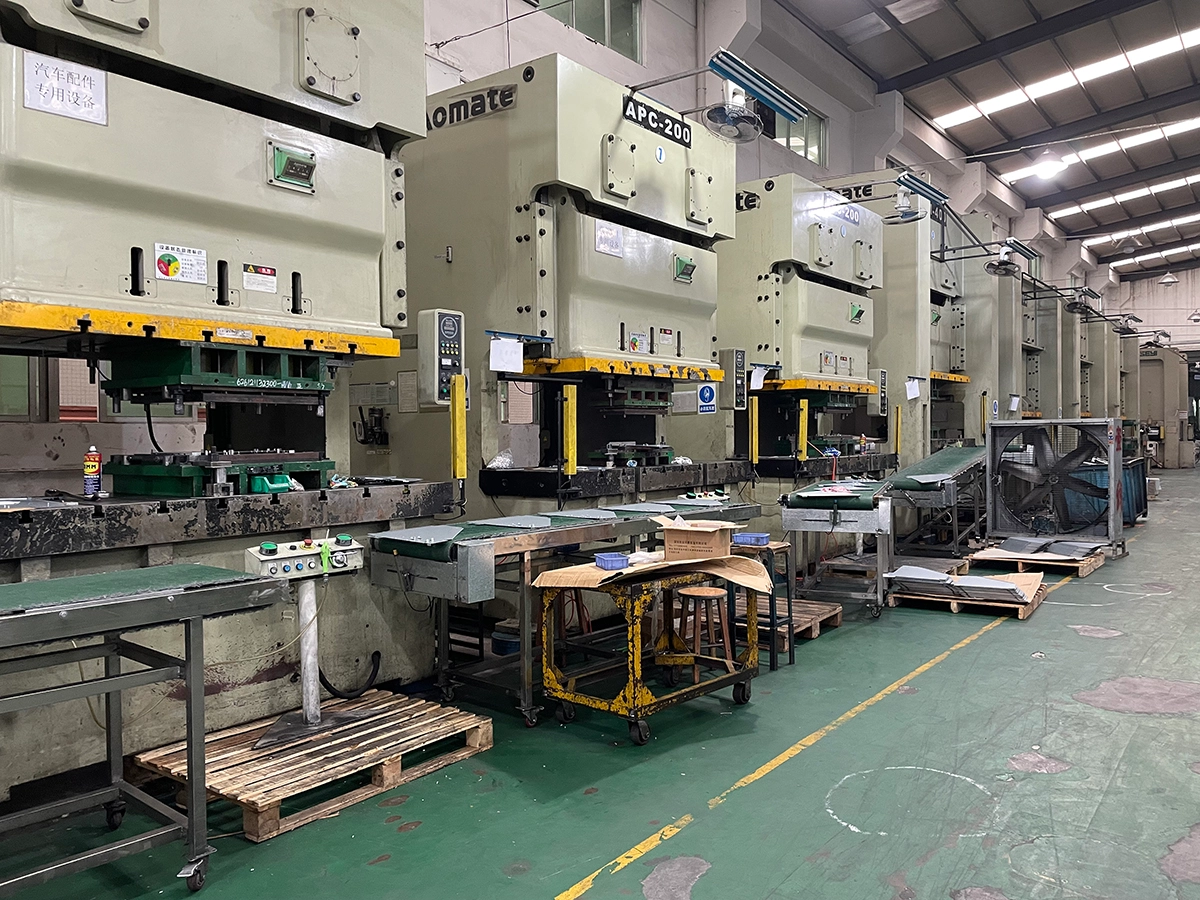
2. How Does the Metal Stamping Process Work?
So how does metal stamping work in practice? Projects rarely start at the press. Every job follows the same stamping process. These are the five stages from drawing to finished parts.
1. Product Design and DFM Review
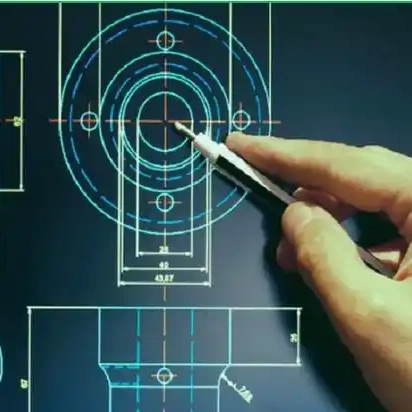
The drawing is reviewed before any tool steel is ordered. We check the 2D drawing and the 3D model, and we look at the material grade, the sheet thickness, the bend radii, the hole sizes, and the tolerances. We also ask an honest question: is this part even suited to stamping? A hole placed too close to a bend edge, or a radius drawn too tight for the material, gets flagged here rather than discovered on the first trial.
That early pass is cheap, and a design for manufacturability review can remove weeks from the tooling schedule. Moving a hole a few millimetres, opening up a bend radius, or relaxing an over-tight tolerance often turns a marginal die into a stable one.
2. Tooling and Die Design
Once the drawing is confirmed, the punch and die are designed around the part geometry. The tooling can be single-operation, compound, or progressive, and the choice follows the volume, the part size, and the number of features.
Tool design is where experience shows. The designer must plan for material flow, compensate for springback, and estimate tool life. Springback is the tendency of metal to relax back toward its original shape after bending, so the die geometry is built slightly past the final angle to make the part land on the print.
3. Blanking or Piercing
Blanking cuts the outer profile of the part out of the sheet. Piercing makes holes and openings inside that profile. Both are shearing operations, and both depend on cutting clearance, the small gap left between the punch and the die.
Clearance controls edge quality and burr size. Set too wide, the edge breaks rough and leaves a large burr. Set too tight, the tooling wears out early and the press works harder than it should. A stable clearance is one of the fastest signs of an experienced tool room.
4. Forming and Bending
Forming gives the part its three-dimensional features. Bending creates flanges, channels, and angled sections, and drawing pulls the sheet into a cavity for deeper shapes such as cups and enclosures.
The order of bends is planned, not improvised. Later operations must not disturb features that earlier ones already set, and the part has to stay stable in the die through every stroke. When parts match the drawing on one feature but miss on another, a badly planned bend sequence is usually the cause.
5. Inspection and Finishing
Finished parts are checked for dimensions, hole positions, bend angles, edge condition, and surface state. In precision metal stamping, inspection points are set on the features that control assembly, such as hole centres, bend angles, and overall length and width. When the drawing asks for it, parts then go through deburring, cleaning, plating, powder coating, or other surface work before they ship.
3. Common Types of Metal Stamping
There is no single way to stamp. The types of metal stamping processes differ in tooling and feed, and the right method follows the volume, the part size, and the geometry. Our custom metal stamping services are quoted around the method that actually fits the drawing.
Progressive Die Stamping
In progressive die stamping, a coil feeds through a die with several stations in a row. Each station does one operation, and the strip indexes forward one step per stroke until the part is cut free at the final station. A component needing blanking, piercing, and two bends can leave one press complete, which is why progressive tooling carries high-volume production of small and medium parts.
Deep Drawing
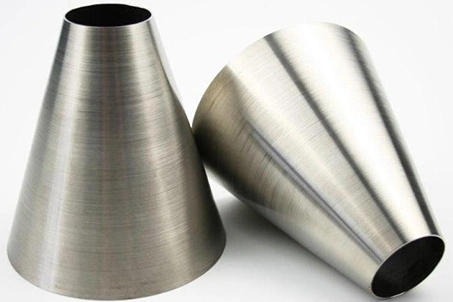
Deep drawing pulls sheet metal into a die cavity to create deeper shapes, such as cups, enclosures, containers, and cylindrical components. The wall thins as the metal flows, so the material must be ductile enough to stretch without tearing, and very deep parts often need several drawing steps with annealing between them.
Compound Stamping
Compound stamping runs more than one cutting operation inside a single press stroke. It fits flat components with several holes, or a precise outer profile combined with an internal shape. Because every cut happens in one stroke with one tool set, the relationship between features stays very tight.
Four-Slide Stamping
Four-slide stamping uses four slides that move in from different directions to form the part. It suits small bent parts with complex profiles and multi-directional forming, and it shows up in clips, springs, and electrical contacts.
Not every method exists in every factory. Progressive dies, deep drawing, compound dies, and four-slide machines each need specific equipment, so confirm what your supplier actually runs before you lock a process into the drawing.

4. What Materials Can Be Used for Stamping?
Most ductile metals take a stamping die well. What materials can be stamped usually comes down to the six grades below, and the choice depends on strength, ductility, thickness, corrosion resistance, surface requirements, and the final application.
- Carbon steel is strong, formable, and low in cost, so it is the default for structural brackets and frames.
- Stainless steel is selected when corrosion resistance or a clean surface matters.
- Aluminum is light and forms easily, which suits housings, panels, and heat-dissipating parts.
- Copper carries current well, so it is common in terminals and busbars.
- Brass pairs conductivity with formability and a clean look.
- Galvanized sheet metal gives carbon steel a zinc coating for outdoor or humid environments.
The grades are not interchangeable in one die. Stainless steel stamping needs more force than carbon steel because it work-hardens faster and wears tooling sooner. Aluminum stamping is gentler on dies, but its springback differs, so tool angles are not the same. Brass stamping runs clean and bright but costs more per kilo than the steel grades.
Sheet thickness matters more than most buyers expect. A 0.5 mm bracket and a 3 mm bracket in the same material do not act alike in one die, so the thickness has to be fixed before tooling design starts.

5. What Are the Advantages of Metal Stamping?
Seen from the buyer's side, stamping earns its place through production economics and repeatability:
- High-volume production. Cycle times are short, and several operations can run inside one tool.
- Repeatable geometry. The die defines the shape, so the operator does not have to hold the tolerance by hand.
- Material efficiency. Forming moves metal instead of cutting it away, so scrap stays low for the right part shape.
- Lower unit cost after tooling. Once the volume absorbs the die cost, each extra part is cheap to run.
- Fast cycle times. A press stroke takes seconds, which supports steady delivery schedules.
- Secondary operations work well. Stamped parts move on to tapping, welding, riveting, plating, and assembly without trouble.
- Custom hardware fit. Tooling is built to your drawing, so stamped parts follow your assembly instead of a standard catalogue.
Stamping does not guarantee zero burrs, zero error, or the lowest possible price. Burr height, accuracy, and unit cost all depend on the part design, the material, the tooling quality, and the order volume. Those claims should come from measured results on your parts, not from a sales page.
6. What Are the Limitations of Stamping?
Honesty about limits builds more trust than a perfect brochure. These are the constraints worth knowing before you commit to a die:
- Tooling cost is real. A progressive die is a serious investment, and it only pays back over volume.
- Tooling lead time exists. Die design and build take weeks, so first articles are never next-day parts.
- Complex geometry may need several operations. A hard shape can require a second die set or a follow-up machining pass.
- Springback fights accuracy. It can be compensated in the tool, but it must be measured and corrected first.
- Low volumes may cost more. Laser cutting or CNC machining can beat stamping for small quantities because they need no hard tooling.
- Tool wear is continuous. Long runs dull punches, and a worn edge changes burr size and dimensions.
7. Metal Stamping vs. CNC Machining
Buyers often weigh stamping or CNC machining for the same part family. The table below puts the two side by side, because in custom hardware manufacturing the answer is rarely one or the other.
| Comparison | Metal stamping | CNC machining |
|---|---|---|
| Best suited for | Medium- to high-volume sheet metal parts | Prototypes and complex solid parts |
| Tooling | Requires dies and punches | Uses cutting tools and CNC equipment |
| Unit cost at volume | Often lower after tooling | Depends on machining time |
| Geometry | Sheet-based formed shapes | Complex 3D solid geometries |
| Design changes | Tooling changes may be costly | Digital changes are often easier |
| Typical materials | Sheet metal and strip | Aluminum, steel, stainless steel, plastics, and others |
A simple test settles most metal stamping vs CNC machining debates. If the part is basically a flat shape with bends and holes, stamping usually wins on cost once volume climbs. If the part carries deep pockets, multi-axis threads, or tight tolerances on solid features, machining is the better route. The two are also combined on one product line, so our CNC machining services often run next to a stamping die on the same project.

8. Stamping in Custom Hardware Manufacturing
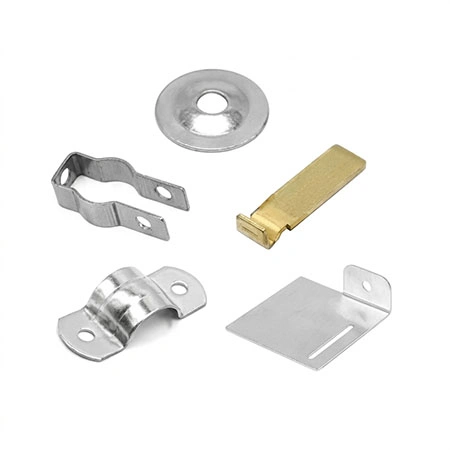
In custom hardware manufacturing, stamping handles brackets, clips, covers, shields, panels, washers, terminals, mounting parts, and similar sheet metal components. It also appears in spring contacts, heat shields, and decorative trim, wherever a flat sheet needs to become a functional shape at volume.
Custom tooling is what separates custom metal stamping from buying shelf parts. The die is built to your drawing, so hole positions, bend angles, and profiles follow your product. Custom metal stamping for small parts, such as clips, contacts, and terminals, is where this flexibility pays off fastest, because a small die is quick to iterate and cheap to refine.
A stamped part drawing without a material, a thickness, and a bend radius is not ready for tooling. Those three numbers drive the die design more than any other detail on the sheet, and confirming them before we cut steel is the cheapest protection for the whole tooling budget.
Engineering review team, DongGuan YiTai
Stamped parts rarely ship straight from the press. For more complex products, stamping is combined with CNC machining, welding, tapping, riveting, plating, and assembly. A bracket may be stamped, then drilled for a tapped hole the die cannot cut cleanly, then coated.
9. How to Choose a Custom Metal Stamping Supplier
Knowing how to choose a metal stamping supplier is as useful as choosing the process, because the quote is only part of the story. These are the points we tell buyers to verify before they commit:
- Press capacity for the part size and the sheet thickness you plan to run.
- Material and thickness range the shop actually handles day to day.
- Tooling design capability, especially whether dies are designed and built in-house.
- Dimensional inspection equipment and the records it produces.
- Production volume fit. A prototype shop and a production shop run different businesses.
- Secondary operations such as tapping, welding, riveting, and assembly.
- Surface finishing options including plating, powder coating, and anodizing.
- Packaging and traceability, which matter when parts feed an assembly line.
- Engineering communication. Tooling questions always come up, and fast answers save weeks.
A first article report from a similar job tells you more than any brochure. Send your drawings and request a manufacturing quote to confirm the process and the realistic tolerances before tooling is cut.
10. Conclusion
So, what is stamping? It is a sheet metal forming process that relies on a press, a punch, and a die to turn flat stock into repeatable custom components. For hardware produced in volume, stamping brings stable geometry, efficient material use, and competitive unit cost. Whether it is the right process for your part depends on the design, the material, the tolerance, the order volume, and the finishing you need.
Stamping is a volume game with a tooling gate. Below the break-even point, laser cutting or machining usually costs less. Above it, stamping pulls ahead as quantities grow. In custom metal stamping and custom hardware manufacturing, the strongest results start with a clean drawing reviewed before the die is designed.
Need Custom Stamped Metal Parts?
Send us your drawings for a tooling and manufacturing review. We will confirm the process, the material, and the realistic tolerances for your part.
Request a Manufacturing Quote11. Frequently Asked Questions
Q: What is stamping?
A: Stamping is a manufacturing process that uses a press, punch, and die to cut or form sheet metal into custom shapes. The sheet is placed between the tools, and press force pushes the punch into the die so the metal takes the required profile, holes, or bend.Q:
Q: What is metal stamping used for?
A: Metal stamping is used to produce brackets, clips, panels, covers, terminals, washers, and other custom metal components. It fits parts that start from sheet or strip and are ordered in medium to high volumes.
Q: What materials can be stamped?
A:Common stamping materials include stainless steel, carbon steel, aluminum, brass, copper, and galvanized sheet metal. The right grade depends on strength, ductility, thickness, corrosion resistance, surface needs, and the final application.
Q: Is metal stamping suitable for low-volume production?
A: Stamping can handle low volumes, but the tooling cost has to be justified first. For small quantities, laser cutting or CNC machining may cost less because they need no hard dies. The crossover point depends on part size, complexity, material, and total quantity.
Q: What is the difference between stamping and CNC machining?
A: Stamping shapes sheet metal between a punch and a die, while CNC machining removes material from a solid workpiece with rotating cutting tools. Stamping tends to lower the unit cost at volume, and CNC machining suits prototypes and complex solid 3D parts.
Q: Can stamped parts receive surface finishing?
A: Yes. Stamped parts can be deburred, cleaned, plated, powder coated, anodized, or passivated after forming. The finishing route is decided by the material, the drawing requirements, and the environment the part will work in.
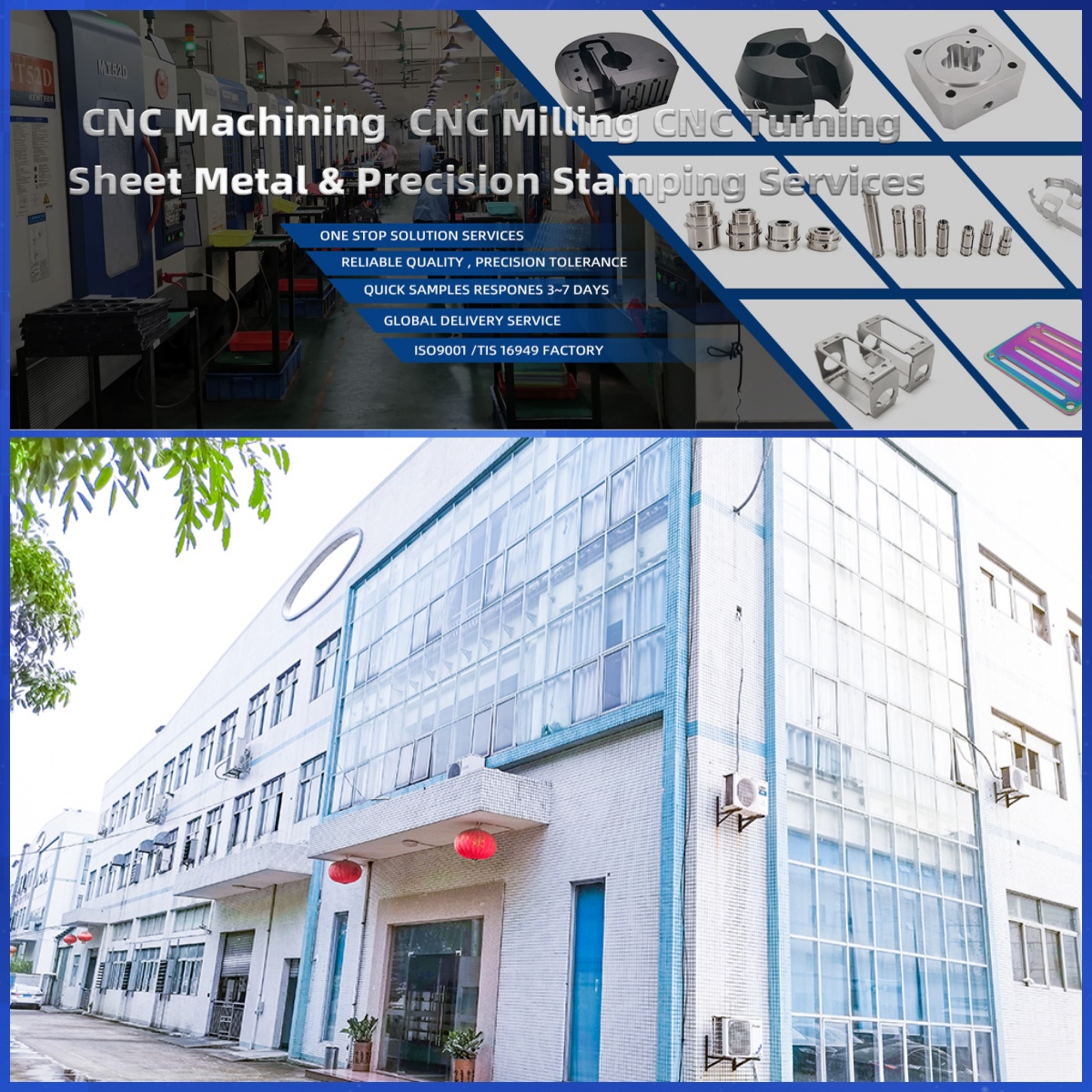
DongGuan YiTai Electronic Technologies Co.,Ltd
DongGuan YiTai Electronic Technologies Co.,Ltd is a manufacturing service provider located in Dongguan, China.
YiTai specialized in CNC turning machining and sheet metal fabrication mainly. As a member of Hung Mou Group, we focus on the overseas marketing development. And based on our parent company’s manufacturing capability and resources, YiTai also expended machining services such as die casting, injection molding, aluminum profile extrusion, 3D printing, which are committed to providing customers with one-stop purchasing services and experience.
CNC MACHINING , CNC MILLING , CNC TURNING , SHEETMETAL , FASTENER , OTHERS




316 vs 316L Stainless Steel for CNC Machining
The Dry Mirror Finishing Process and Its Applications in Custom Hardware Manufacturing
Related Article