Stamping
Stamping is a key metalworking process that shapes or forms metal sheets (e.g., steel, aluminum) into desired components using press machines and precision dies. It works by applying force to the metal, causing either deformation (such as bending, drawing) or separation (like blanking, punching) to achieve specific shapes and sizes.
● Preparation and Process Design
● Raw Material Preparation
● Stamping Formation - Core Link
● Post-Processing
● Inspection and Packaging
Process
Preparation and Process Design
● Product Design: Create 3D models and 2D drawings based on the part's functional, strength, and aesthetic requirements, specifying all dimensions, tolerances, and materials.
● Process Planning:
Analyze the design's suitability for stamping (e.g., corner radii, hole spacing).
Break down the part into a sequence of basic stamping operations (e.g., blanking, bending). Calculate the flat blank shape and optimize its layout on the sheet metal to maximize material use.
● Die Design & Manufacturing:
Design dies for the required processes. Common types are:
● Single Operation: One die, one process.
● Compound: Multiple processes in one press stroke.
● Progressive: Multiple stations in one die, producing a finished part with each cycle.
Manufacture the dies using high-precision machining, followed by heat treatment, assembly, and debugging.

Raw Material Preparation
● Material Selection: Select appropriate sheet metal based on product requirements, commonly including cold-rolled steel sheets, stainless steel sheets, aluminum sheets, copper alloy sheets, etc. Key parameters include material grade, thickness, and hardness.
● Uncoiling and Leveling: Large coils need to be unrolled by an uncoiler and passed through a leveling machine to eliminate curling stress and flatness issues, obtaining flat sheets.
● Shearing/Blanking: Cut large sheets or strips into smaller-sized strips or pieces suitable for the stamping production line. This step can sometimes also be the first stamping process.

Stamping Formation - Core Link
This is the core step where flat blanks are shaped into final parts. Operators or automated systems feed metal strips into the stamping press. With each press stroke, the die performs specific operations, which fall into two main categories:
● Shearing Processes:
Material is cut and separated.
● Blanking/Punching: Cutting out the part outline (blanking) or creating holes (punching).
● Trimming: Removing excess edges from formed parts.
● Parting: Separating one part into multiple pieces.
● Forming Processes:
Material is reshaped without cutting.
● Bending: Angling the blank into desired shapes.
● Deep Drawing: Stretching blanks into hollow shapes like cups or housings.
● Flanging: Forming raised edges on holes or borders.
● Bulging: Expanding sections of hollow parts.
● Sizing: Precisely calibrating dimensions for accuracy.
Post-Processing
Parts coming off the stamping press often require additional processing to become final products.
● Deburring: Removing sharp burrs from the sheared edges to ensure safety and meet assembly requirements. Common methods include grinding, vibratory finishing, chemical polishing, etc.
● Cleaning: Removing oil stains and metal chips from the part surface.
● Heat Treatment: To relieve processing stress or improve part hardness and strength, treatments like annealing, quenching, and tempering may be performed.
● Surface Treatment: For rust prevention, aesthetics, or special surface properties, common treatments include electroplating (e.g., zinc plating, nickel plating), spraying, anodizing, phosphating, etc.

Inspection and Packaging
Quality Inspection:
● First-Article Inspection: After line setup or die change, the first few produced parts are fully measured. Production only continues in bulk after confirmation of qualification.
● In-Process Inspection: Periodic sampling checks for dimensions, appearance, etc., to ensure process stability.
Common tools include calipers, micrometers, height gauges, Coordinate Measuring Machines (CMM), optical vision measuring systems, etc.
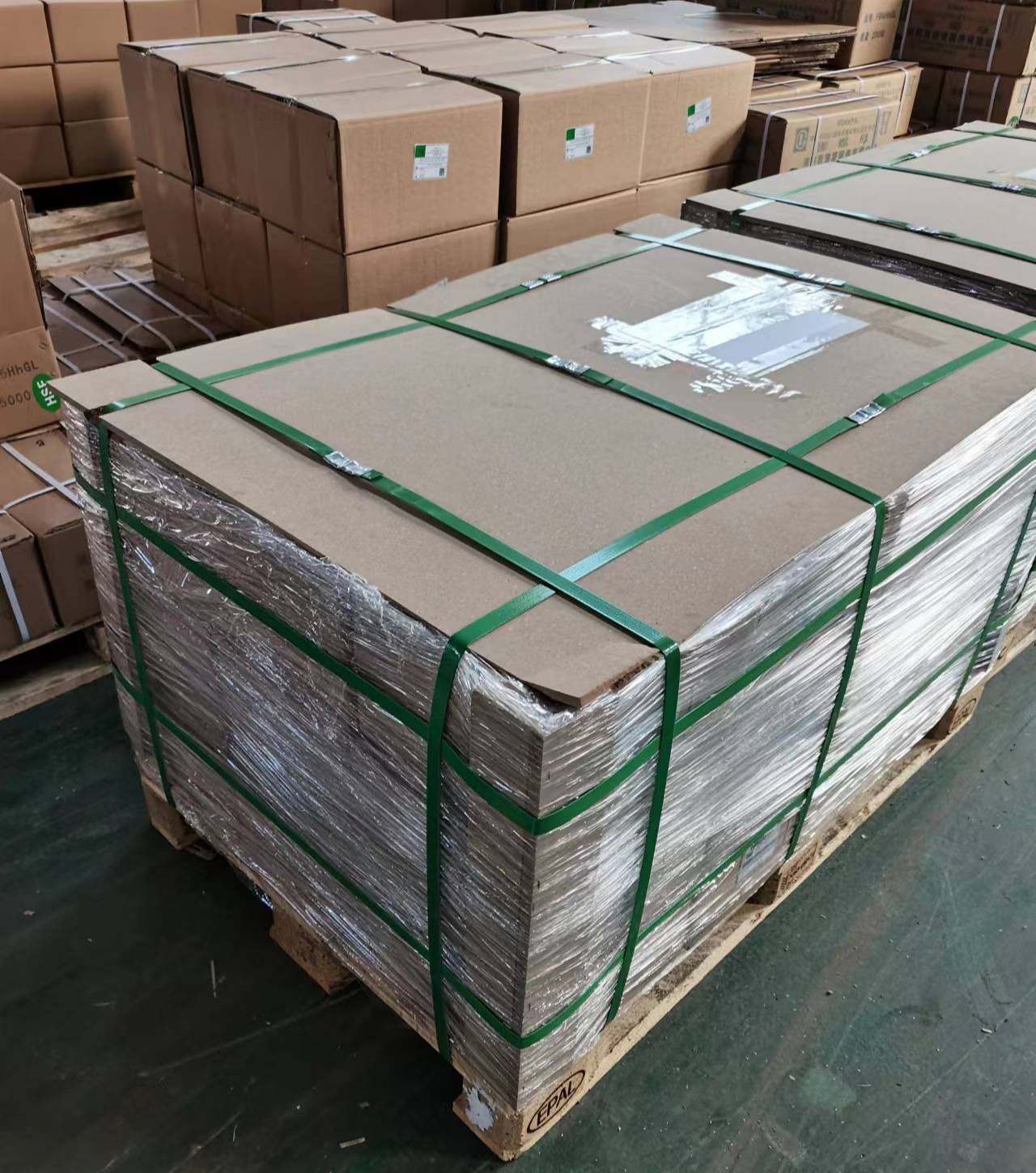
Packaging & Storage: Qualified products are packaged using appropriate materials (e.g., dividers, bubble wrap, turnover boxes) to prevent damage and rust during transportation and storage, then warehoused awaiting shipment.