Stainless Steel Sheet: Properties, Uses, Pros & Cons, and Our Production Advantages

- What Is a Stainless Steel Sheet?
- Key Properties of Stainless Steel Sheets
- Pros & Cons of Stainless Steel Sheets
- Common Uses of Stainless Steel Sheets
- Processing Technologies for Stainless Steel Sheets
- Our Company's Advantages in Producing Stainless Steel Sheets
- Stainless Steel Sheet vs. Other Metal Sheets: Comparison Table
- Expert Opinion on Stainless Steel Sheets
- FAQ About Stainless Steel Sheets
1. What Is a Stainless Steel Sheet?

A stainless steel sheet is a metal alloy primarily composed of iron and chromium (with a chromium content of no less than 10.5%). The presence of chromium makes the stainless steel sheet highly resistant to rust—as explained in our article Corrosion Resistance of Stainless Steel, chromium forms a protective layer that prevents damage.
The stainless steel sheets we process are available in various types, sizes, and thicknesses. The most common types are 304 stainless steel and 316 stainless steel—as detailed in our article Stainless Steel Types. Considering both price and quality, 304 stainless steel is the most widely used for everyday products. 316 stainless steel is also a good alternative, offering better corrosion resistance than 304.
The thickness of processed stainless steel sheets can be as thin as 0.1mm (for decorative components) or as thick as 10mm (for structural parts). Through cutting, bending, or shaping, they are formed into different sizes and shapes, making them suitable for finished products across various industries.
2. Key Properties of Stainless Steel Sheets
1. Excellent Corrosion Resistance
2. High Strength and Durability

3. Good Heat Resistance
4. Hygienic and Easy to Clean
3. Pros & Cons of Stainless Steel Sheets
Pros
- No Rusting: As per Corrosion resistance of stainless steel, they resist rust even in wet or salty areas.
- Low Maintenance: They don't need painting or coating (unlike regular steel). Just clean them occasionally.
- Versatile: They work for many industries—from food to aerospace.
- Recyclable: Stainless steel is 100% recyclable. Old sheets can be melted and made into new products.
Cons
- Higher Cost: They are more expensive than regular steel sheets or aluminum sheets. For example, a 1m x 2m 304 sheet costs 2–3 times more than a carbon steel sheet of the same size.
- Heavy: They are heavier than aluminum. A stainless steel sheet (1mm thick) weighs about 7.9kg per square meter—aluminum of the same size weighs only 2.7kg.
- Hard to Process: They are harder to cut or bend than regular steel. You need special tools (like laser cutters) for precise shapes.
4. Common Uses of Stainless Steel Sheets

- Food & Beverage Industry
- Countertops, sinks, and food processing equipment (e.g., mixers, conveyors). They are hygienic and resist food acids (like tomato sauce or citrus juice).
- Beer brewing tanks: 304 sheets are used because they don't react with beer ingredients.
- Construction & Architecture
- Building facades (outer walls) and elevator doors: 304 sheets are durable and look modern.
- Handrails and staircases: They resist rain and snow (no rusting).
- Medical Industry
- Hospital operating tables and instrument trays: They are easy to sterilize (with high heat or chemicals) and don’t harbor bacteria.
- Medical device parts (e.g., MRI machine casings): 316 sheets are used for their corrosion resistance.
- Automotive Industry
- Car exhaust systems and trim parts: They handle engine heat and resist road salt.
- Electric vehicle (EV) battery casings: 304 sheets protect batteries from water and impacts.
- Home Appliances
- Refrigerator doors, dishwasher interiors, and oven liners: They resist heat and are easy to clean.
- Washing machine drums: They don't rust from water or detergent.
5. Processing Technologies for Stainless Steel Sheets

1. Cutting
Laser Cutting: Uses a high-power laser to cut sheets into precise shapes (e.g., circles, squares). It is fast and leaves smooth edges. Suitable for small or complex components (such as medical instrument parts).
Plasma Cutting: Uses a plasma torch to cut thick sheets (5mm–10mm). It is employed for large parts (e.g., building facade panels).
2. Bending
Uses a CNC bending machine to fold sheets into angles or curves (e.g., sink edges, elevator door frames). The machine controls the bend tightness, ensuring every part is identical.
3. Stamping
Uses a press and metal die to press sheets into 3D shapes (e.g., pot lids, appliance panels). It is ideal for mass production—a single press can produce over 100 parts per hour.
4. Surface Finishing
Mirror Polishing: Makes the sheet surface shiny (like a mirror). Used for decorative components (e.g., hotel lobby walls).
Brushed Finish: Creates a soft, matte texture. Used for kitchen countertops (hides fingerprints well).
Sandblasted Finish: Makes the sheet surface rough. Used for non-slip surfaces (e.g., stair treads).
6. Our Company's Advantages in Producing Stainless Steel Sheets
- Wide Range of Types & Sizes
- We offer all common types: 304, 316, and 430 stainless steel sheets (as covered in Stainless steel types). 304 is for everyday use; 316 is for harsh environments.
- Thicknesses: 0.1mm–10mm. Sizes: up to 4m x 1.5m. We can also cut sheets to custom sizes (e.g., 0.8m x 1.2m for a specific sink design).
- Strict Quality Control
- We test every batch for corrosion resistance (using salt spray tests, as explained in Corrosion resistance of stainless steel). Our sheets pass 500+ hours of salt spray without rusting.
- We check thickness tolerance (±0.02mm) and surface quality (no scratches or dents). Only sheets that pass all tests are shipped.
- Advanced Processing Equipment
- We have 10 laser cutting machines (for precise shapes) and 5 CNC bending machines (for accurate bends). Our stamping presses can handle 1,000+ parts per hour.
- We use automated polishing lines—so every sheet has a uniform finish (no uneven shine).
- Customization Services
- We make sheets for specific industries: For food factories, we add a food-grade finish (meets FDA standards). For coastal areas, we use 316 sheets with extra corrosion protection.
- We can print logos or patterns on sheets (for decorative uses, like store signs).
- Fast Delivery
- We keep 500+ tons of 304 and 316 sheets in stock. Standard sheets (e.g., 1m x 2m 304, 1mm thick) ship within 3 days.
- For custom orders (e.g., large stamping parts), we deliver in 7–10 days. We work with DHL and sea freight to ship globally.
7. Stainless Steel Sheet vs. Other Metal Sheets: Comparison Table
| Feature | Stainless Steel Sheet (304) | Carbon Steel Sheet | Aluminum Sheet | Copper Sheet |
|---|---|---|---|---|
| Corrosion Resistance | Excellent (no rust) | Poor (needs coating) | Good (oxidizes) | Good (patina) |
| Strength | High | Very High | Low | Medium |
| Heat Resistance | High (up to 870°C) | Medium (up to 550°C) | Low (up to 200°C) | Medium (up to 300°C) |
| Weight (kg/m², 1mm thick) | 7.9 | 7.85 | 2.7 | 8.96 |
| Cost (per m², 1mm thick) | $30–$40 | $10–$15 | $20–$25 | $80–$100 |
| Main Uses | Food equipment, appliances | Construction, machinery | Light parts (e.g., bike frames) | Electrical parts, decor |
8. Expert Opinion on Stainless Steel Sheets
9. FAQ About Stainless Steel Sheets
Q1: What's the difference between 304 and 316 stainless steel sheets?
Q2: Can stainless steel sheets rust?
Q3: How do I clean stainless steel sheets?
Q4: What thickness of stainless steel sheet do I need for a kitchen countertop?
Q5: Can you make stainless steel sheets for food industry use?
Q6: Is stainless steel sheet heavier than aluminum sheet?
Q7: What surface finishes do you provide?
Q8: How long does a stainless steel sheet last?
DongGuan YiTai Electronic Technologies Co.,Ltd
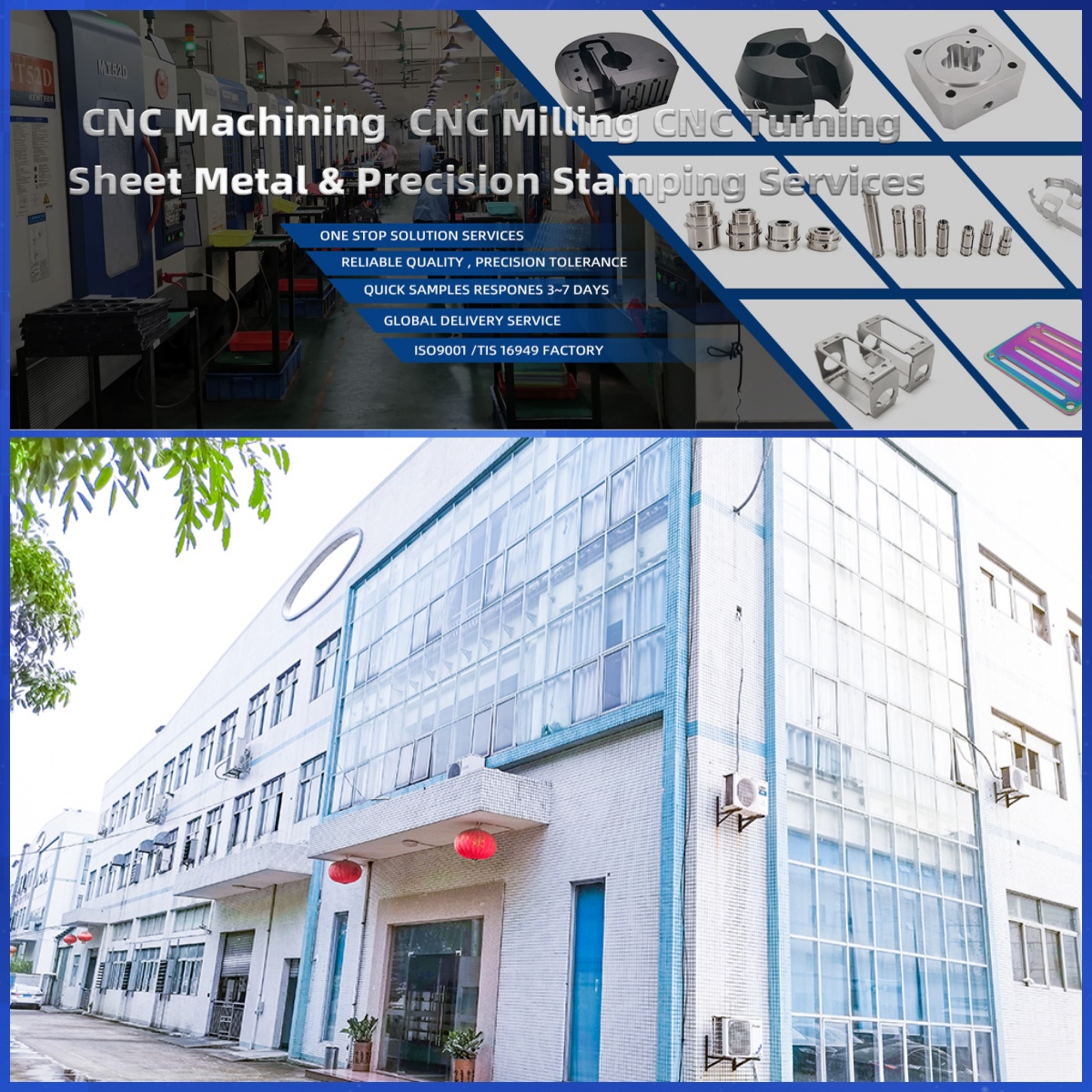
DongGuan YiTai Electronic Technologies Co.,Ltd is a manufacturing service provider located in Dongguan, China.
YiTai specialized in CNC turning machining and sheet metal fabrication mainly. As a member of Hung Mou Group, we focus on the overseas marketing development. And based on our parent company’s manufacturing capability and resources, YiTai also expended machining services such as die casting, injection molding, aluminum profile extrusion, 3D printing, which are committed to providing customers with one-stop purchasing services and experience.
CNC MACHINING , CNC MILLING , CNC TURNING , SHEETMETAL , FASTENER , OTHERS




Barn Door Hardware: Craft, Features, Materials & Our Company Advantages
The Making and Practical Use of Stainless Steel Flanges
Related Article