Complete Medical Equipment Bracket Machining Solutions
1. Project Overview
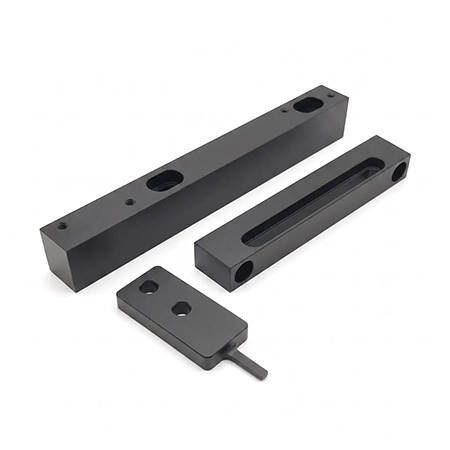
This project was a medical equipment aluminum bracket program. The part mounts a key module inside a medical device, so it had to stay light, stay rigid, and hold its geometry over a full monthly run. The 7075 aluminum bracket for medical equipment was the right fit for these requirements.
| Specification | Project Requirement |
|---|---|
| Part | Medical Equipment Bracket |
| Material | 7075 Aluminum |
| Process | CNC Milling |
| Surface Treatment | Surface Finishing |
| Tolerance | ±0.02 mm |
| Monthly Volume | 10,000 pcs |
| Main Requirement | Lightweight construction with sufficient rigidity |
| Production Focus | Consistent geometry and dimensional accuracy |
The bracket is a good example of aluminum bracket manufacturing where process control matters more than machine size. It is not a complex part — it is a demanding part, because 10,000 pieces have to come out the same.
2. The Customer's Manufacturing Challenge
The customer had three problems to solve before production could start.
Reducing Weight Without Compromising Rigidity
A lighter bracket helped meet the equipment's weight requirements. But excessive material removal could reduce stiffness, and a flexing bracket would let the mounted module move. The final geometry had to balance weight and structural support. This is the classic lightweight aluminum bracket for medical devices trade-off — remove grams without removing strength.
Maintaining Geometry at ±0.02 mm
The critical geometry had to remain within ±0.02 mm tolerance medical component machining limits. Variation between batches could affect assembly and alignment of the module. At 10,000 pieces a month, the machining process had to stay stable — not just on the first article, but on piece 10,000.
Achieving Consistent Production Quality
High monthly volume required repeatable fixture positioning. The process needed to minimize setup variation, because every re-clamp is a chance for the part to land slightly differently. Quality control had to be integrated into production rather than performed only at the end.
3. Our CNC Machining Solution
Our answer had three parts: the right material, a fixture that positions the part the same way every time, and a stable milling plus finishing flow.
Selecting 7075 Aluminum
7075 aluminum CNC machining gives a strong strength-to-weight ratio, which makes it a good fit for a lightweight structural bracket. The alloy is harder than standard 6061, so machining parameters must be controlled to maintain surface and dimensional quality. We set cutting conditions specifically for this material — sharp tooling, controlled feed, and stable depth of cut.
This project was supported by our experience in 7075 aluminum CNC machining.
Optimizing Fixture Positioning
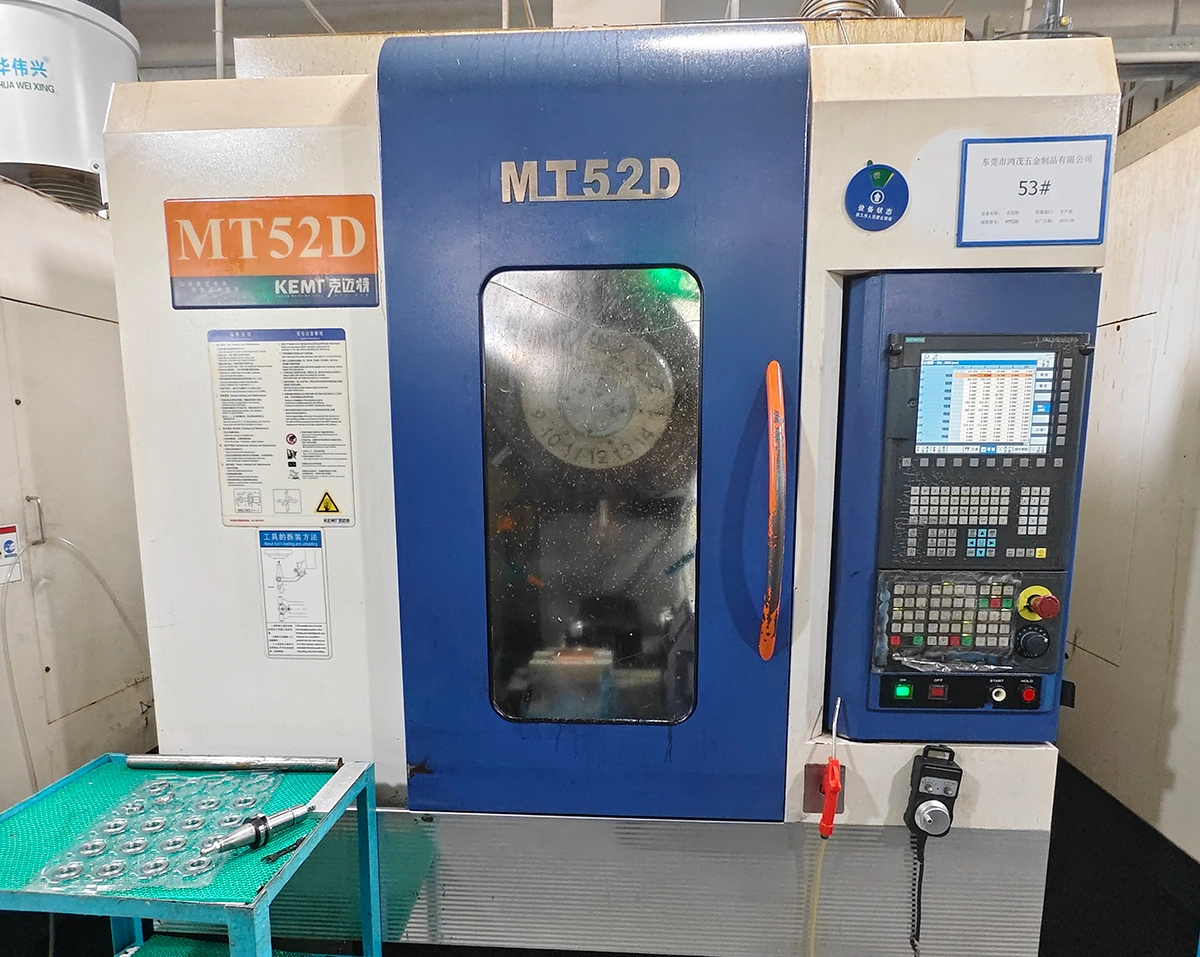
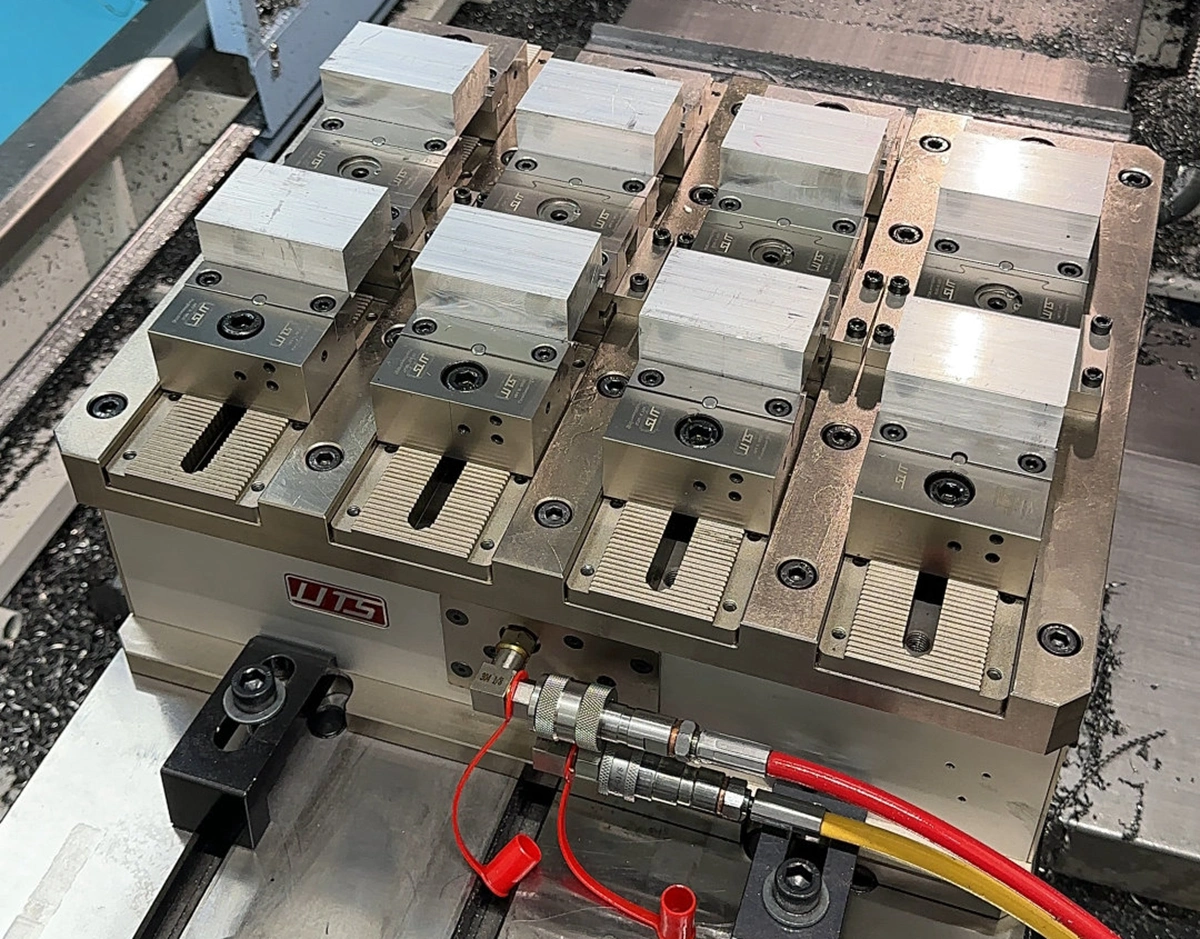
We optimized the fixture positioning strategy to establish stable locating references and reduce variation between setups. This helped maintain the required bracket geometry throughout the monthly production run. Stable locating and clamping reduce setup-related variation, and the fixture design supports repeatable production at high volume.
Fixture positioning is the quiet part of this project. It is not in the drawing, and no one sees it in the final part. But it is the reason 10,000 brackets come out the same.
CNC Milling and Surface Finishing
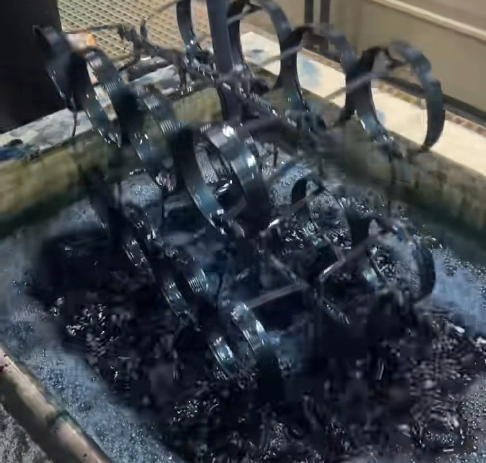
Precision CNC milling for medical parts produced the mounting surfaces, holes, pockets, and structural features. Deburring and surface finishing followed the machining process. The bracket was produced through precision CNC milling followed by the required surface finishing for CNC machined aluminum brackets.
Surface finishing requirements should be confirmed according to the customer's drawing or specification — finish type, appearance, and any dimensional impact on critical interfaces.
4. Step-by-Step Manufacturing Process
The production flow below runs at 10,000 pieces per month. Each step has defined checkpoints so problems are caught early, not at final inspection.
- Drawing and DFM review — verify tolerance feasibility, fixture strategy, and finishing requirements before production
- 7075 aluminum material preparation — confirm material cert and hardness
- Fixture and datum positioning — establish stable locating references that repeat across the batch
- CNC milling of the bracket geometry — mounting surfaces, holes, pockets, and structural features
- In-process dimensional checks — verify critical geometry before finishing
- Deburring and surface finishing — clean edges, then apply the specified surface treatment
- Final inspection and batch release — verify dimensions, mounting features, surface condition, and appearance
5. Why Fixture Positioning Matters in Medical Equipment Bracket Machining
Fixture positioning for CNC machining is the technical heart of this article. Bracket geometry depends on stable locating references. If the part is not located the same way every time, the datum shifts, and the mounted module no longer aligns.
Poor fixture positioning can create dimensional variation or alignment problems that show up only in assembly. Optimized positioning improves repeatability during high-volume medical component machining, which is exactly what a 10,000-piece order needs.
"The bracket is not hard to machine once. It is hard to machine 10,000 times the same way. That repeatability comes from the fixture, not from the spindle."
— Senior Process Engineer, DongGuan YiTai Electronic Technologies
6. Quality Control and Dimensional Accuracy
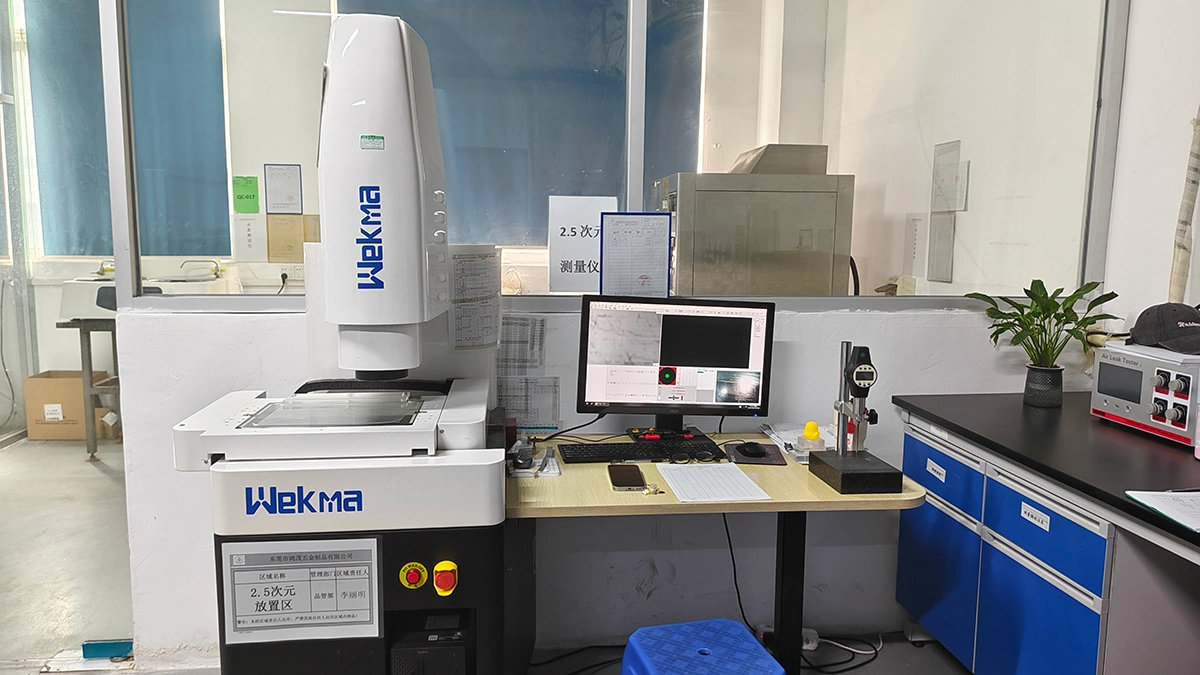
The bracket required dimensional control to ±0.02 mm. We verified the critical geometry during production and used the optimized fixture positioning method to maintain repeatability across a monthly volume of 10,000 pieces.
- In-process checks — critical dimensions verified after milling, before finishing
- Post-finishing checks — confirm finishing did not push critical features out of spec
- Final inspection — dimensions, mounting features, surface condition, and appearance
Production consistency was monitored across the monthly batch. If a trend started to drift, we caught it in-process and corrected it before the batch ran away.
7. Production Results
By optimizing the CNC milling process and fixture positioning, we produced 10,000 medical brackets per month while maintaining the required geometry and ±0.02 mm dimensional accuracy. The result was a repeatable manufacturing process for a lightweight aluminum bracket with stable production quality.
| Metric | Result |
|---|---|
| Material | 7075 Aluminum |
| Main Process | CNC Milling |
| Surface Treatment | Surface Finishing |
| Tolerance | ±0.02 mm |
| Monthly Volume | 10,000 pcs |
| Main Improvement | Optimized process and fixture positioning |
| Production Outcome | Consistent geometry and dimensional accuracy |
This is high-volume medical component machining done right — the same bracket, the same geometry, batch after batch.
8. What This Means for Your Medical Equipment Project
For medical equipment manufacturers, this project demonstrates how fixture design and process control can support lightweight bracket production without sacrificing rigidity or dimensional accuracy. The same approach can be adapted to other CNC machined aluminum mounting components.
- Lightweight aluminum construction — 7075 keeps the weight down
- Stable bracket geometry — the part stays in spec across the whole run
- Controlled dimensional accuracy — ±0.02 mm where it matters
- Repeatable fixture positioning — the same part, every time
- Scalable monthly production — 10,000 pieces, stable
- Coordinated CNC milling and surface finishing — one process, one supplier
Send us your drawings to request a DFM review for your next medical equipment component.
9. FAQ
Q: What material was used for this medical equipment bracket?
A: The bracket was machined from 7075 aluminum to achieve a lightweight structure with a strong strength-to-weight ratio.
Q: What tolerance was required for the bracket?
A: The required dimensional tolerance was ±0.02 mm. Critical geometry was verified during production to keep the bracket within spec across the batch.
Q: Can you produce high-volume medical equipment brackets?
A: Yes. This project required a monthly production volume of 10,000 pieces. Capacity depends on part geometry, inspection requirements, finishing, and delivery schedule.
Q: What CNC process was used for the bracket?
A: The bracket was produced using CNC milling, followed by surface finishing.
Q: How do you maintain consistency across production batches?
A: We optimize fixture positioning, establish repeatable locating references, and perform dimensional checks during production. This keeps geometry stable across the full monthly run.
Q: Can you provide surface finishing for CNC machined aluminum parts?
A: Yes. Surface finishing can be arranged according to the customer's drawing, appearance requirements, and dimensional specifications.
Q: Need a Lightweight, High-Precision Medical Equipment Bracket?
A:Send us your drawings for a DFM review and production quotation. We will confirm material, tolerance, fixture strategy, and finishing before you commit.
DongGuan YiTai Electronic Technologies Co.,Ltd
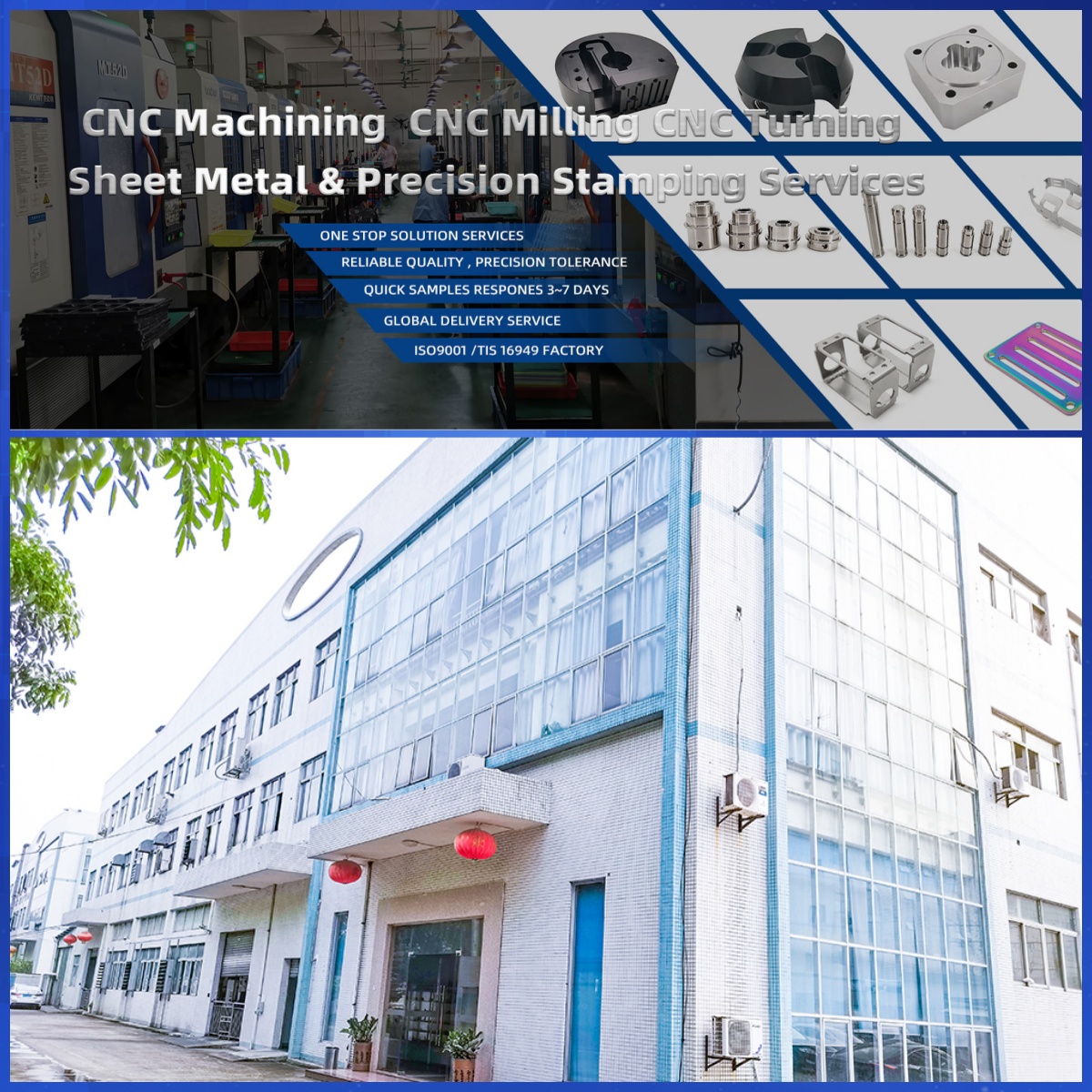
DongGuan YiTai Electronic Technologies Co.,Ltd is a manufacturing service provider located in Dongguan, China.
YiTai specialized in CNC turning machining and sheet metal fabrication mainly. As a member of Hung Mou Group, we focus on the overseas marketing development. And based on our parent company’s manufacturing capability and resources, YiTai also expended machining services such as die casting, injection molding, aluminum profile extrusion, 3D printing, which are committed to providing customers with one-stop purchasing services and experience.
CNC MACHINING , CNC MILLING , CNC TURNING , SHEETMETAL , FASTENER , OTHERS




CNC Machining a Surgical Instrument Component at ±0.01 mm
How We Machined 5,000 AGV Sensor Brackets per Month at ±0.02 mm
Related Article