Custom DFM Handbook for 7075-T6 Aluminum Parts: Balance High Strength and Machinability

7075-T6 aluminum gives high strength for many parts. But it needs careful design to machine well. This handbook shares clear rules for Design for Manufacturability. It helps you cut weight, control cost, and keep strong performance. Follow these ideas. Your parts become easier to make and more reliable.
Table of Contents
- Unified rules for weight reduction and economical machining
- DFM design for stress and deformation control
- Design rules for surface treatment and protection
- DongGuan YiTai custom support
- Parameter comparison table
- Expert views
- FAQ
1. Unified rules for weight reduction and economical machining
Good design cuts weight without big cost. It uses CNC strengths well.
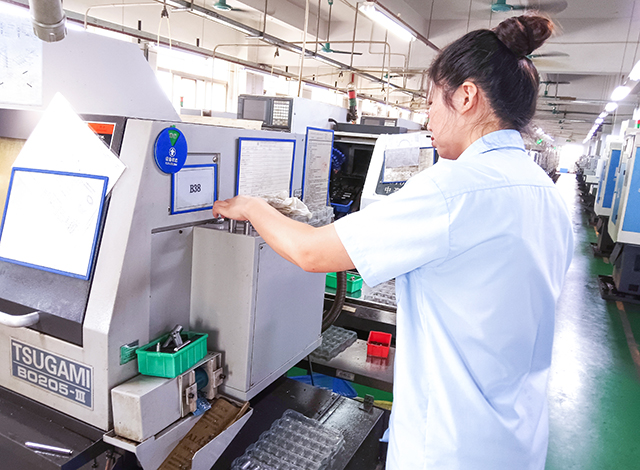
Reasonable minimization of wall thickness and maximization of standard mill reachable inner fillets
Keep wall thickness at a good minimum. This reduces material and weight. At the same time, make inner fillets as large as possible for standard end mills. Large fillets let tools cut smooth and fast. They stop tool break and extra work. This choice gives light parts and lower machining time.
Avoid deep narrow cavities and overly long overhanging tools to control machining costs
Deep narrow cavities cause problems. Tools must be long and thin. They shake and break easy. This raises cost and risk. Keep cavities wide and shallow when you can. Use short strong tools. This keeps machining stable and cheap.
One-piece structure merging multiple parts, using CNC freedom to reduce assembly
Turn several small parts into one big piece. CNC can cut complex shapes in one setup. This cuts assembly steps and errors. It makes the final part stronger too. Fewer joints mean better performance and lower total cost.
2. DFM design for stress and deformation control
7075-T6 has high strength but can deform from stress. Smart design fixes this.
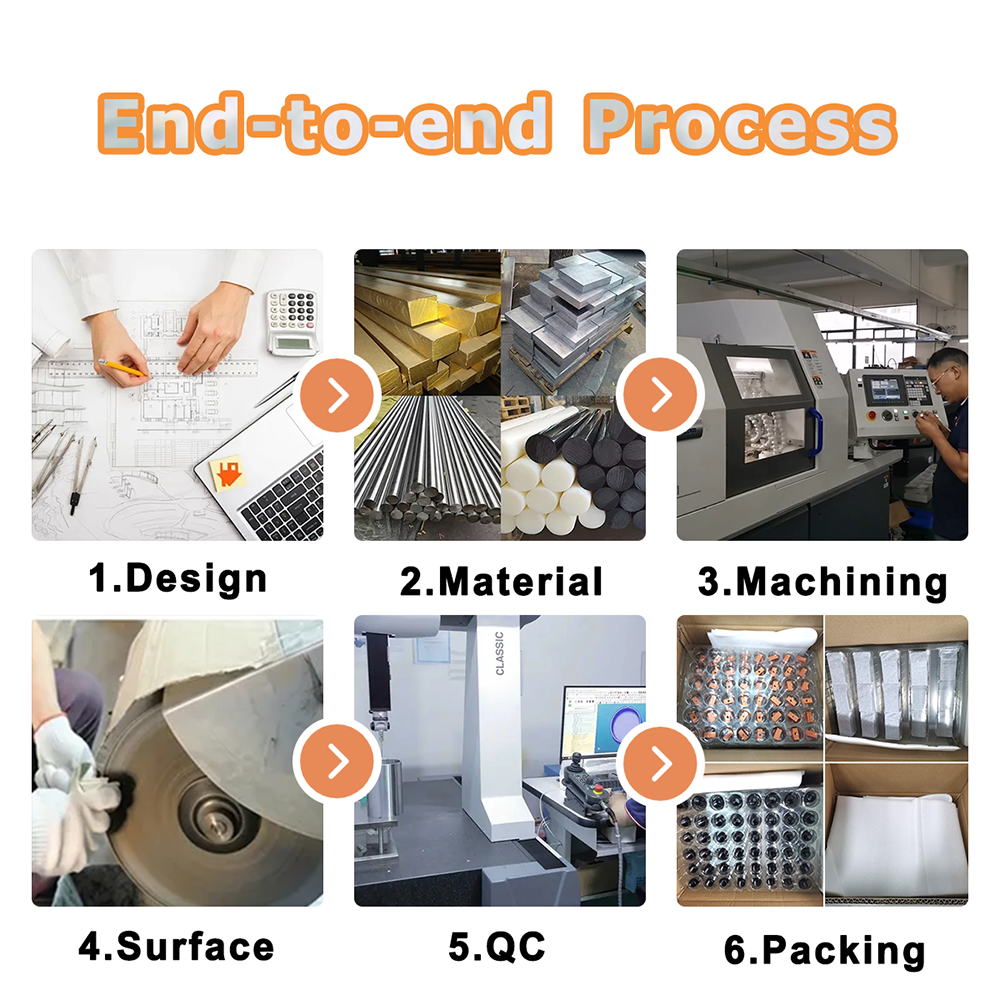
Uniform wall thickness design to reduce residual stress and machining deformation after quenching
Make wall thickness even across the part. Uneven walls create stress spots during heat treatment. Even thickness cuts residual stress. It stops warp after quenching and during machining. Your part stays in tolerance and needs less rework.
Symmetric shapes and machining sequence planning for asymmetric parts
Symmetric shapes balance forces during cutting. They reduce twist and bend. For asymmetric parts, plan the order of operations. Rough some areas first, then others. This keeps balance and controls deformation step by step.
Reserve finishing allowance for stress relief annealing process
Leave extra stock on key surfaces. Do stress relief annealing after rough machining. Then finish to final size. This releases inner stress before the last cuts. It gives stable dimensions and high accuracy in the end.
3. Design rules for surface treatment and protection
Surface treatment protects 7075-T6 parts. But it changes sizes a little. Plan for it early.
Anodizing (normal or hard) for corrosion protection and dimensional changes on 7075-T6
Anodizing adds a hard oxide layer. Normal anodizing gives good protection. Hard anodizing makes it thicker and stronger. Both improve corrosion resistance. But they add thickness. Account for this growth in your design. It keeps final sizes correct after treatment.
Clearly mark non-anodized areas to be protected on drawings
Some areas must stay free of anodizing. Mark them clear on drawings. This tells the shop to mask those spots. It protects threads, fit surfaces, or contact areas. Good marks stop mistakes and extra work.
Galvanic corrosion prevention design for contact surfaces with steel inserts
Steel inserts touch aluminum and cause galvanic corrosion. Design isolation features. Use coatings, washers, or special gaps. This stops electric reaction between metals. Your part lasts longer in wet or outdoor conditions.
4. DongGuan YiTai custom support
DongGuan YiTai knows 7075-T6 well. Send them your design. They give free DFM review and optimization tips. Their team checks wall thickness, stress points, and machining ease. They suggest changes to cut cost and improve quality. Work with YiTai for fast feedback and ready-to-make parts.
5. Parameter comparison table
| Design Aspect | Poor Practice | Good Practice | Main Benefit |
|---|---|---|---|
| Wall thickness | Uneven or too thin | Uniform and reasonable minimum | Less stress and deformation |
| Inner fillets | Sharp or very small | Large for standard mills | Faster machining and tool safety |
| Cavity depth | Deep and narrow | Shallow and wide | Lower cost and stable tools |
| Part structure | Multiple assembled pieces | One-piece CNC design | Reduced assembly and stronger |
| Anodizing allowance | No extra stock planned | Clear growth and mask marks | Correct final dimensions |
The table shows clear differences. Good choices make machining easier and parts better.
6. Expert views
Dr. Robert Chen has 20 years in aerospace machining. He says uniform wall thickness cuts deformation by 40 percent on 7075-T6 parts. He tells designers to always plan for annealing steps.
Lisa Wong leads DFM at a precision shop. She notes one-piece designs reduce assembly errors and total cost by 25 percent. She adds that large fillets save tool life and time.
Mark Tan works with aluminum alloys for 15 years. He says proper masking and galvanic prevention make parts last twice as long in harsh conditions. He advises clear notes on every drawing.
These experts agree. Early DFM saves money and raises quality for 7075-T6 parts.
7. FAQ
Q: What is the best wall thickness for 7075-T6?
A: Use even thickness. Keep it at the minimum needed for strength. This cuts weight and stress.
Q: Why avoid deep narrow cavities?
A: They need long tools that shake. This raises cost and part defects.
Q: How does anodizing affect dimensions?
A: It adds a small layer. Plan extra stock and mark protected areas.
Q: Should I use one-piece design always?
A: Yes when possible. It reduces assembly and makes stronger parts.
Q: What is stress relief annealing?
A:It releases inner stress after rough cuts. Reserve stock for final finish.
Q: How can YiTai help my design?
A: They review your files and give free optimization for 7075-T6 machining.
Q: Does symmetric shape matter?
A:Yes. It balances forces and reduces warp during processing.
Q: How to prevent galvanic corrosion?
A: Use isolation methods between aluminum and steel. Design this early.
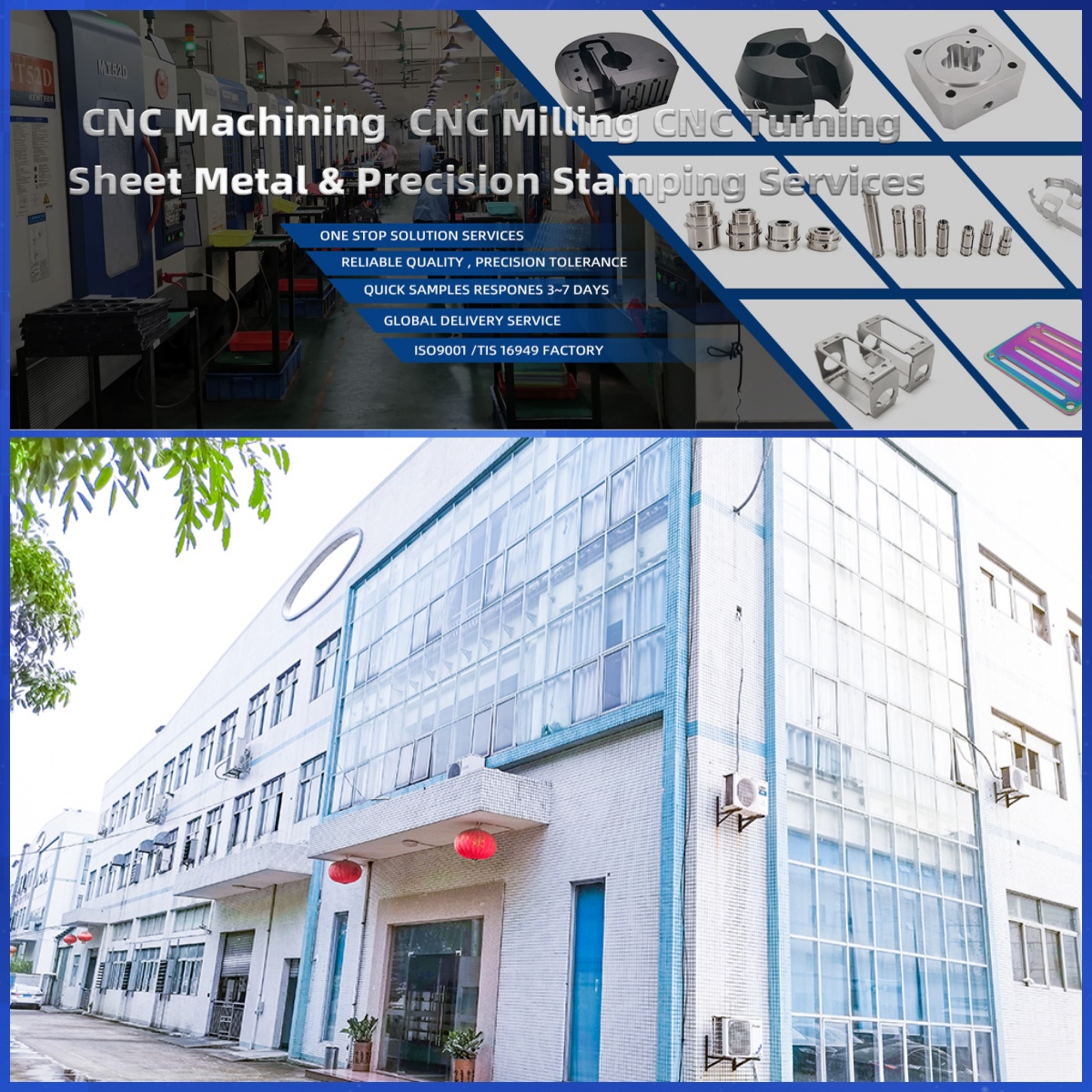
DongGuan YiTai Electronic Technologies Co.,Ltd
DongGuan YiTai Electronic Technologies Co.,Ltd is a manufacturing service provider located in Dongguan, China.
YiTai specialized in CNC turning machining and sheet metal fabrication mainly. As a member of Hung Mou Group, we focus on the overseas marketing development. And based on our parent company’s manufacturing capability and resources, YiTai also expended machining services such as die casting, injection molding, aluminum profile extrusion, 3D printing, which are committed to providing customers with one-stop purchasing services and experience.
CNC MACHINING , CNC MILLING , CNC TURNING , SHEETMETAL , FASTENER , OTHERS




ISO 9001 2015 certification CNC precision machining quality assurance
How to Find a Reliable Motorcycle CNC Parts Manufacturer and Control Cost and Quality
Related Article