Is Titanium Magnetic? Key Facts, Uses & Our Processing Capabilities
- Is Titanium Magnetic?
- Why Titanium's Non-Magnetic Property Matters
- Key Uses of Non-Magnetic Titanium
- Our Company's Non-Magnetic Titanium Processing Capabilities
- Titanium vs. Other Metals: Magnetic & Key Properties
- Expert Opinion on Non-Magnetic Titanium
- FAQ About Titanium Magnetism & Processing
1. Is Titanium Magnetic?

2. Why Titanium's Non-Magnetic Property Matters
- No Interference with Magnetic EquipmentMany medical and electronic devices use magnetic fields. Magnetic metals (like steel) would disrupt these fields. Non-magnetic titanium lets the equipment work correctly. For example:
- MRI machines (used for medical scans) rely on strong magnetic fields. A steel implant would distort the scan or even move inside the body. Titanium implants don't.
- Electronic sensors (in cars or planes) need to detect small magnetic changes. Magnetic metals near the sensor would give wrong readings. Titanium parts avoid this.
-
Safety in High-Magnetic EnvironmentsSome workplaces (like power plants or research labs) have strong magnetic fields. Magnetic tools or parts could fly into the field and cause accidents. Non-magnetic titanium tools and components stay safe.
-
No Impact on Electrical SignalsIn electronics (like smartphones or satellites), magnetic materials can block or weaken electrical signals. Titanium's non-magnetic property ensures signals flow smoothly. This is why titanium is used in satellite antennas and phone circuit boards.
3. Key Uses of Non-Magnetic Titanium
- Medical Industry
- Implants: Hip joints, knee replacements, and dental screws. As we touched on earlier, non-magnetic titanium won't interfere with MRI scans. It also doesn't react with the human body (biocompatible).
- Surgical Tools: Scalpels and forceps used in MRI rooms. These tools must be non-magnetic to avoid accidents near the machine.
- Aerospace & Defense
- Aviation Sensors: Parts for flight control systems (e.g., compass sensors). Magnetic metals would mess up the compass reading. Titanium keeps the sensors accurate.
- Satellite Components: Antennas and internal parts. Satellites rely on clear electrical signals—non-magnetic titanium ensures no signal interference.
- Electronics Industry
- Circuit Board Frames: Hold delicate circuit boards in phones or computers. Titanium's non-magnetic property doesn't block Wi-Fi or Bluetooth signals.
- Battery Contacts: In high-end devices (like laptops). Titanium resists corrosion (so contacts last longer) and doesn't interfere with the battery's electrical flow.
- Industrial Testing Labs
- Magnetic Test Fixtures: Hold samples during magnetic testing. The fixture itself must be non-magnetic to avoid affecting test results. Titanium is the top choice here.
- High-Magnetic Environment Tools: Wrenches and bolts used in power plants. Non-magnetic titanium tools won't stick to generators or transformers.
4. Our Company's Non-Magnetic Titanium Processing Capabilities

- Advanced CNC Machining Equipment
As we discussed in Titanium CNC Machining: Precision, Strength, and Applications, titanium needs specialized tools to machine well. We have:
- 25 high-precision CNC lathes: For turning titanium into parts like implant shafts or sensor housings. These machines handle titanium's hardness without overheating.
- 18 CNC milling machines: For creating complex shapes (e.g., surgical tool tips or satellite brackets). They achieve tolerances as tight as ±0.005 mm—critical for medical parts.
- Dedicated non-magnetic quality checks: Every machine uses non-magnetic cutting tools (like carbide or CBN) to avoid adding magnetic impurities.
- Strict Material Control
- We source only ASTM B265-grade pure titanium (99.9% pure, guaranteed non-magnetic) and ASTM B348-grade TC4 alloy (weakly magnetic at worst).
- Every batch of titanium is tested with a Gauss meter (a tool that measures magnetism) before processing. We reject any material that shows strong magnetism.
- Industry-Specific Certifications
- Medical certification: ISO 13485 (for medical device parts). Our titanium implants meet the strictest safety standards (e.g., no magnetic interference with MRI).
- Aerospace certification: AS9100 (for aerospace parts). Our titanium components pass tests for strength, corrosion resistance, and non-magnetism.
- Quality records: We provide a “magnetism test report” with every order. This proves the parts are non-magnetic.
- Production Capacity & Delivery
- Daily output: 3,000 small parts (e.g., dental screws) or 500 large parts (e.g., implant hips).
- Lead times: 7–10 days for standard non-magnetic parts (e.g., sensor housings); 15–20 days for custom medical implants.
- Global shipping: We pack parts in non-magnetic containers to avoid contamination during transport. We deliver to 30+ countries via DHL or sea freight.
5. Titanium vs. Other Metals: Magnetic & Key Properties
| Metal Type | Is It Magnetic? | Melting Point (°C) | Tensile Strength (MPa) | Corrosion Resistance | Key Use Cases (Non-Magnetic Needs) |
|---|---|---|---|---|---|
| Pure Titanium | No | 1,668 | 240–370 | Excellent | Medical implants, MRI tools |
| TC4 Titanium Alloy | Weakly (rarely) | 1,540–1,600 | 860–960 | Excellent | Aerospace sensors, surgical tools |
| Carbon Steel | Yes | 1,370–1,510 | 400–800 | Low (needs coating) | Structural parts (no magnetic needs) |
| Aluminum 6061 | No | 650–660 | 276 | Good | Light parts (low strength needs) |
| Copper (Pure) | No | 1,085 | 220 | Good | Electrical parts (low strength needs) |
6. Expert Opinion on Non-Magnetic Titanium
7. FAQ About Titanium Magnetism & Processing
Q1: Are all titanium alloys non-magnetic?
Q2: Can you make non-magnetic titanium parts for MRI equipment?
Q3: How do you ensure no magnetic impurities get into the titanium?
Q4: Is non-magnetic titanium more expensive than magnetic metals like steel?
Q5: What's the difference between pure titanium and TC4 in terms of magnetism?
Q6: Can you machine non-magnetic titanium into complex shapes?
Q7: How long does a non-magnetic titanium part last?
Q8: Do you offer samples of non-magnetic titanium parts?
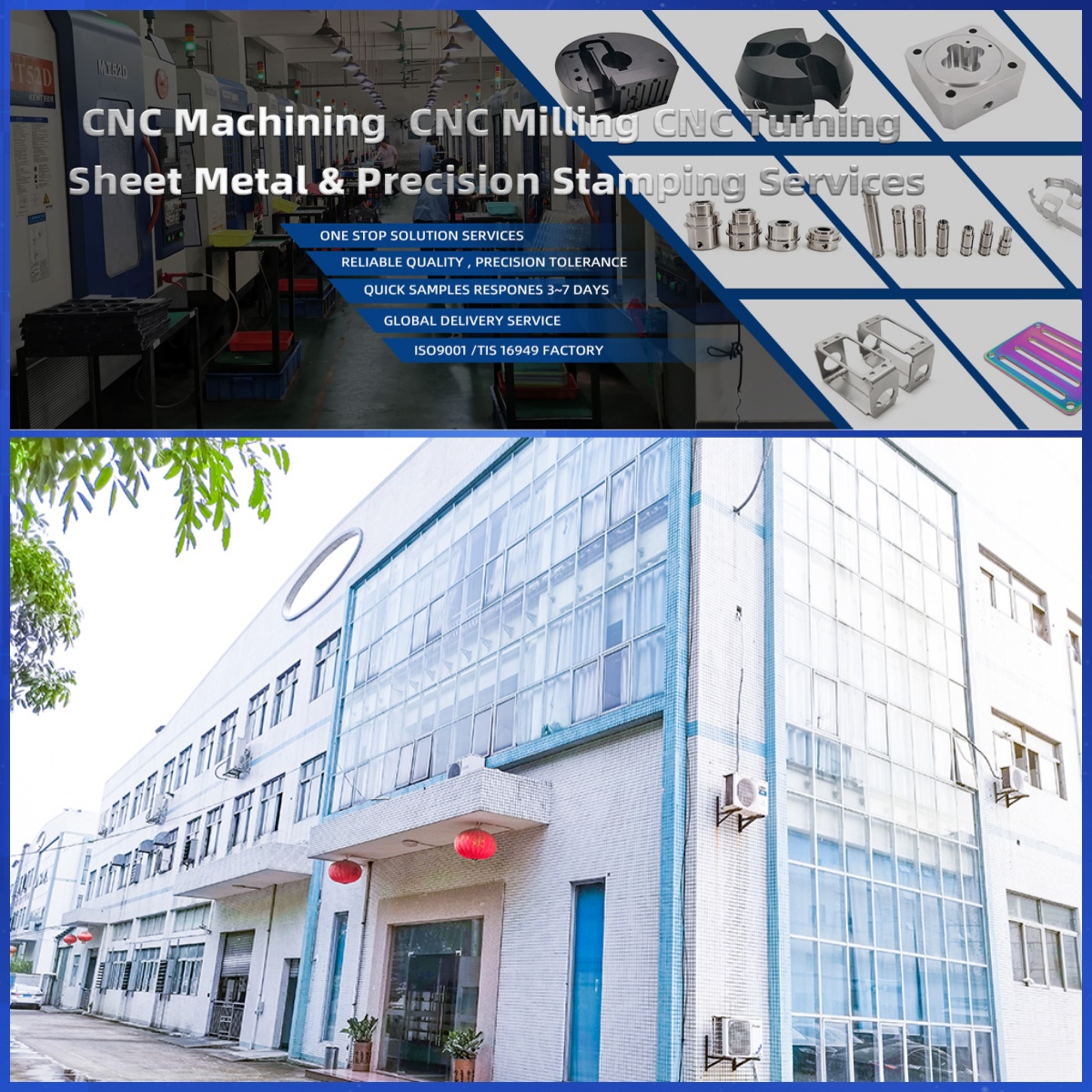
DongGuan YiTai Electronic Technologies Co.,Ltd
DongGuan YiTai Electronic Technologies Co.,Ltd is a manufacturing service provider located in Dongguan, China.
YiTai specialized in CNC turning machining and sheet metal fabrication mainly. As a member of Hung Mou Group, we focus on the overseas marketing development. And based on our parent company’s manufacturing capability and resources, YiTai also expended machining services such as die casting, injection molding, aluminum profile extrusion, 3D printing, which are committed to providing customers with one-stop purchasing services and experience.
CNC MACHINING , CNC MILLING , CNC TURNING , SHEETMETAL , FASTENER , OTHERS




The Complete Guide to 4x4 Drive Shafts: Manufacturing and Real-World Use
Small Hardware Industry Status Quo: In-depth Analysis from Market to Innovation, Comprehensive Insight into Trends
Related Article