Titanium CNC Machining: Precision, Strength, and Applications
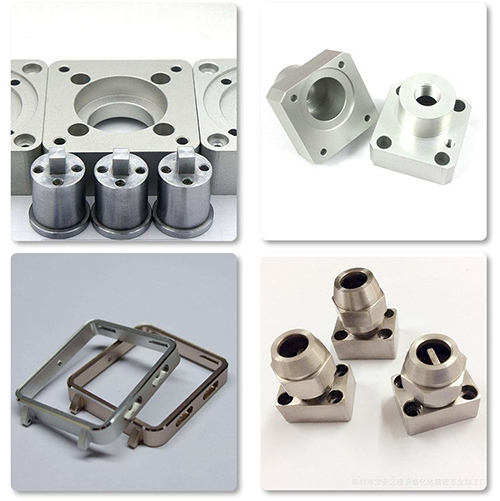
- What Is Titanium CNC Machining?
- Key Advantages of Titanium CNC Machining
- Titanium vs. Other Materials in CNC Machining
- Titanium Alloy Grades for CNC Machining (Focus on TC4)
- Applications of Titanium CNC Machined Parts (From the Image)
- Expert Opinion on Titanium CNC Machining
- FAQ About Titanium CNC Machining
1. What Is Titanium CNC Machining?
2. Key Advantages of Titanium CNC Machining
- Exceptional Strength-to-Weight Ratio: Titanium is as strong as steel but nearly 40% lighter. This makes it ideal for parts that need to be both robust and lightweight, such as aerospace components.
- Unmatched Corrosion Resistance: Titanium forms a protective oxide layer that prevents rust and degradation, even in saltwater, acids, or extreme temperatures. This makes it a top choice for marine equipment and medical implants.
- High Precision: CNC machines can produce titanium parts with tolerances as tight as ±0.005 mm. This level of accuracy is crucial for parts that must fit perfectly, like the interlocking components in the image.
- Biocompatibility: Titanium is non-toxic and does not react with human tissue, making it safe for medical devices and implants (e.g., hip replacements, dental screws).
3. Titanium vs. Other Materials in CNC Machining
| Feature | Titanium | Steel | Aluminum |
|---|---|---|---|
| Strength | Very High | High | Moderate |
| Density (g/cm³) | 4.51 | 7.85 | 2.7 |
| Corrosion Resistance | Excellent | Poor (needs coating) | Good |
| Thermal Conductivity | Low | Medium | High |
| Melting Point (°C) | 1,668 | 1,370–1,510 | 660 |
| CNC Machinability | Poor (challenging) | Good | Very Good |
| Cost | Very High | Medium | Low |
4. Titanium Alloy Grades for CNC Machining (Focus on TC4)
- TC4 Advantages: It offers a balance of high strength, good corrosion resistance, and manageable machinability—making it the go-to choice for 50% of all titanium CNC machining projects.
- Other Alloys: Pure titanium (Grade 1) is softer and easier to machine but less strong. Grade 5 (which is TC4) is the most common for industrial applications. Grade 23 (Ti-6Al-4V ELI) is used in medical implants for its enhanced biocompatibility.
5. Applications of Titanium CNC Machined Parts (From the Image)
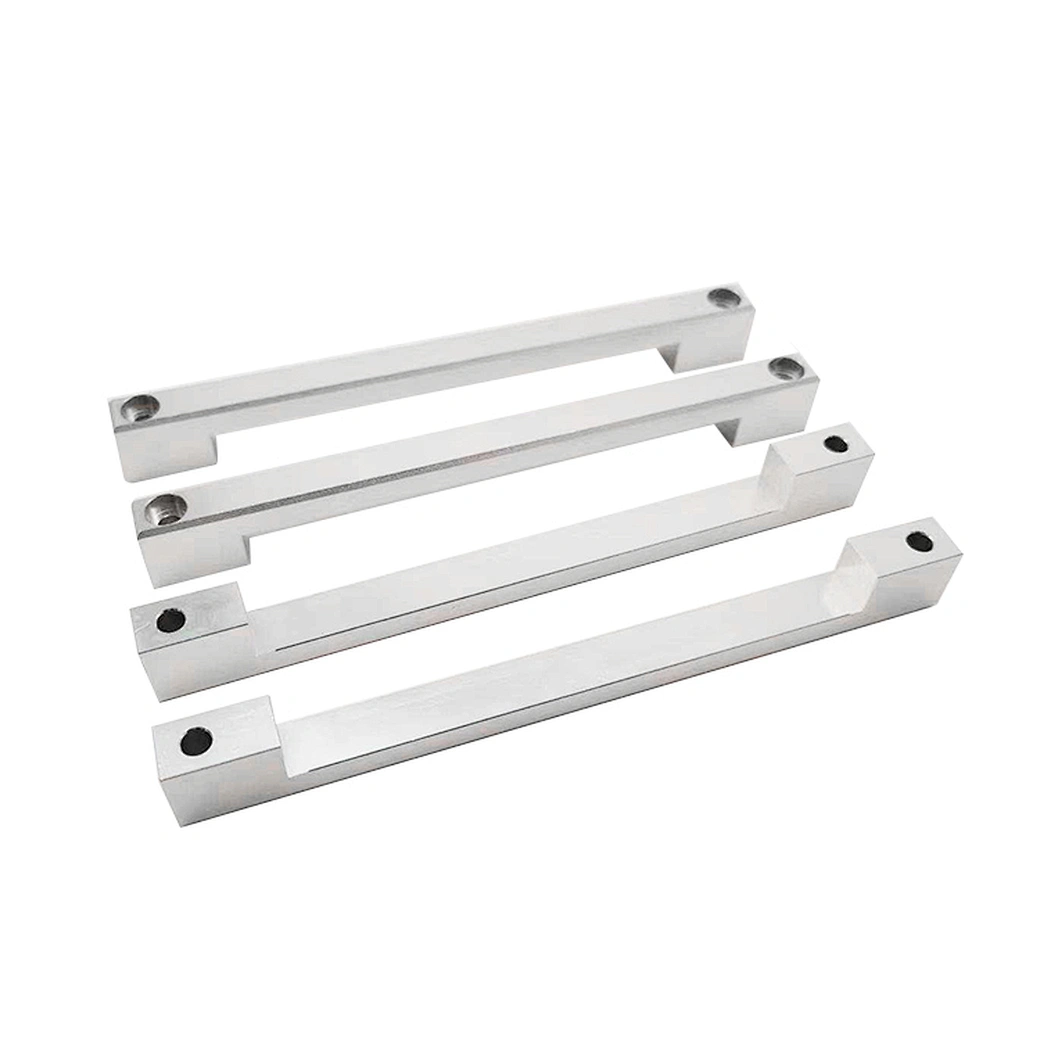
- Industrial Machinery (Top Left): The multi-hole blocks and cylindrical parts are used in heavy machinery (e.g., hydraulic systems, robotics). Their precise machining ensures they withstand high pressure and repeated motion without failing.
- Aerospace Components (Top Right): The square and threaded titanium parts could be part of airplane engines or landing gear. Titanium’s strength-to-weight ratio helps reduce fuel consumption and improve aircraft performance.
- Medical Devices (Bottom Right): The precision connectors and fittings are ideal for medical tools (e.g., surgical instruments) or implants. Titanium’s biocompatibility ensures these parts don’t harm the body over time.
- High-Tech Frames (Bottom Left): The intricate frames might be used in electronics (e.g., satellite components) or automotive (e.g., racing car parts). Their lightweight design and durability make them suitable for high-performance applications.
6. Expert Opinion on Titanium CNC Machining
7. FAQ About Titanium CNC Machining
Q1: What tools are used for titanium CNC machining?
Q2: How long does it take to CNC machine a titanium part?
Q3: Can titanium CNC parts be polished or coated?
Q4: Why is TC4 the most popular titanium alloy for CNC machining?
Q5: Is titanium CNC machining only for large industries?
Q6: How to reduce the cost of titanium CNC machining?
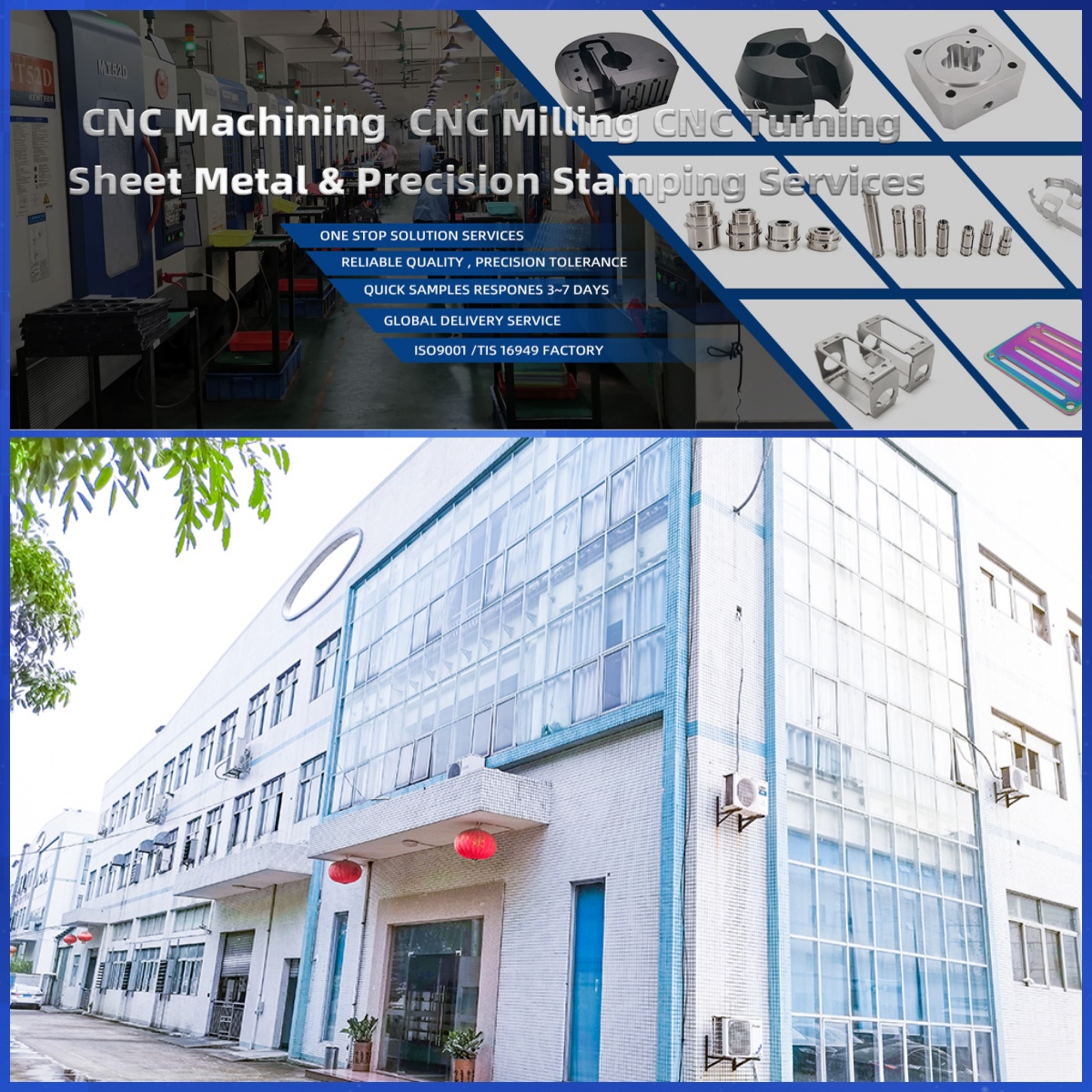
DongGuan YiTai Electronic Technologies Co.,Ltd
DongGuan YiTai Electronic Technologies Co.,Ltd is a manufacturing service provider located in Dongguan, China.
YiTai specialized in CNC turning machining and sheet metal fabrication mainly. As a member of Hung Mou Group, we focus on the overseas marketing development. And based on our parent company’s manufacturing capability and resources, YiTai also expended machining services such as die casting, injection molding, aluminum profile extrusion, 3D printing, which are committed to providing customers with one-stop purchasing services and experience.
CNC MACHINING , CNC MILLING , CNC TURNING , SHEETMETAL , FASTENER , OTHERS




What is PU?
The Difference Between 304, 304L, 316, and 316L – The Complete Guide!
Related Article