Copper vs Iron in the Hardware Industry: A Comprehensive Comparison

1. Introduction
2. Core Properties Comparison
2.1 Electrical Conductivity
2.2 Corrosion Resistance
- Copper forms a protective patina (a greenish copper carbonate layer) that slows further oxidation. This passive layer makes it ideal for outdoor fixtures and plumbing .
- Iron corrodes rapidly, forming flaky rust (hydrated iron oxide) that weakens structures over time. It requires protective coatings (e.g., paint, galvanization) for longevity .
2.3 Mechanical Strength
- Pure copper has moderate tensile strength (183 MPa) but high ductility, allowing easy shaping .
- Iron-based materials like carbon steel offer superior strength. For example, Q235 steel has a yield strength of 235 MPa, while 45# steel reaches 355 MPa—critical for load-bearing applications .
2.4 Cost Efficiency
2.5 Comparative Data Table
|
Property
|
Copper
|
Iron
|
Significance
|
|
Electrical Conductivity
|
100% IACS
|
17% IACS
|
Copper essential for high-efficiency electrical systems
|
|
Density
|
8.92 g/cm³
|
7.874 g/cm³
|
Copper adds weight for stability; iron reduces structural load
|
|
Vickers Hardness
|
369 MPa
|
608 MPa
|
Iron resists wear better in high-friction applications
|
|
Melting Point
|
1357.77 K (1084.62°C)
|
1811 K (1538°C)
|
Iron suits high-temperature environments like industrial furnaces
|
|
Tensile Strength
|
183 MPa (pure)
|
250-350 MPa (pure iron)
|
Iron provides greater structural integrity
|
|
Corrosion Behavior
|
Forms protective patina
|
Prone to rusting
|
Copper reduces maintenance in outdoor use
|
|
Relative Cost
|
Higher
|
Lower
|
Iron ideal for budget-sensitive large-scale projects
|
3. Application Landscapes in Hardware
3.1 Electrical Components

- Wiring and cables in appliances and industrial machinery.
- Electrical connectors and lead frames (e.g., C19400 copper-iron alloy, which combines conductivity with enhanced strength) .
3.2 Structural & Industrial Uses

- Construction beams, pipes, and automotive parts (tensile strength up to 987 MPa in high-carbon steels) .
- Machinery components requiring impact resistance.
3.3 Emerging Alloys: Copper-Iron Combinations
- High conductivity (up to 60% IACS) for 5G components .
- Enhanced strength for wear-resistant parts like gears and bearings .
4. Expert Insights on Material Selection
- Dale Powell (Copper Development Association): “Copper-iron alloy tubes provide a lightweight yet strong solution for high-pressure HVAC systems, handling up to 130 bar pressures,” highlighting the benefits of hybrid materials .
- Material Engineers emphasize trade-offs: Iron’s cost advantage suits large structures, while copper's reliability is critical for electrical safety and longevity .
5. Frequently Asked Questions
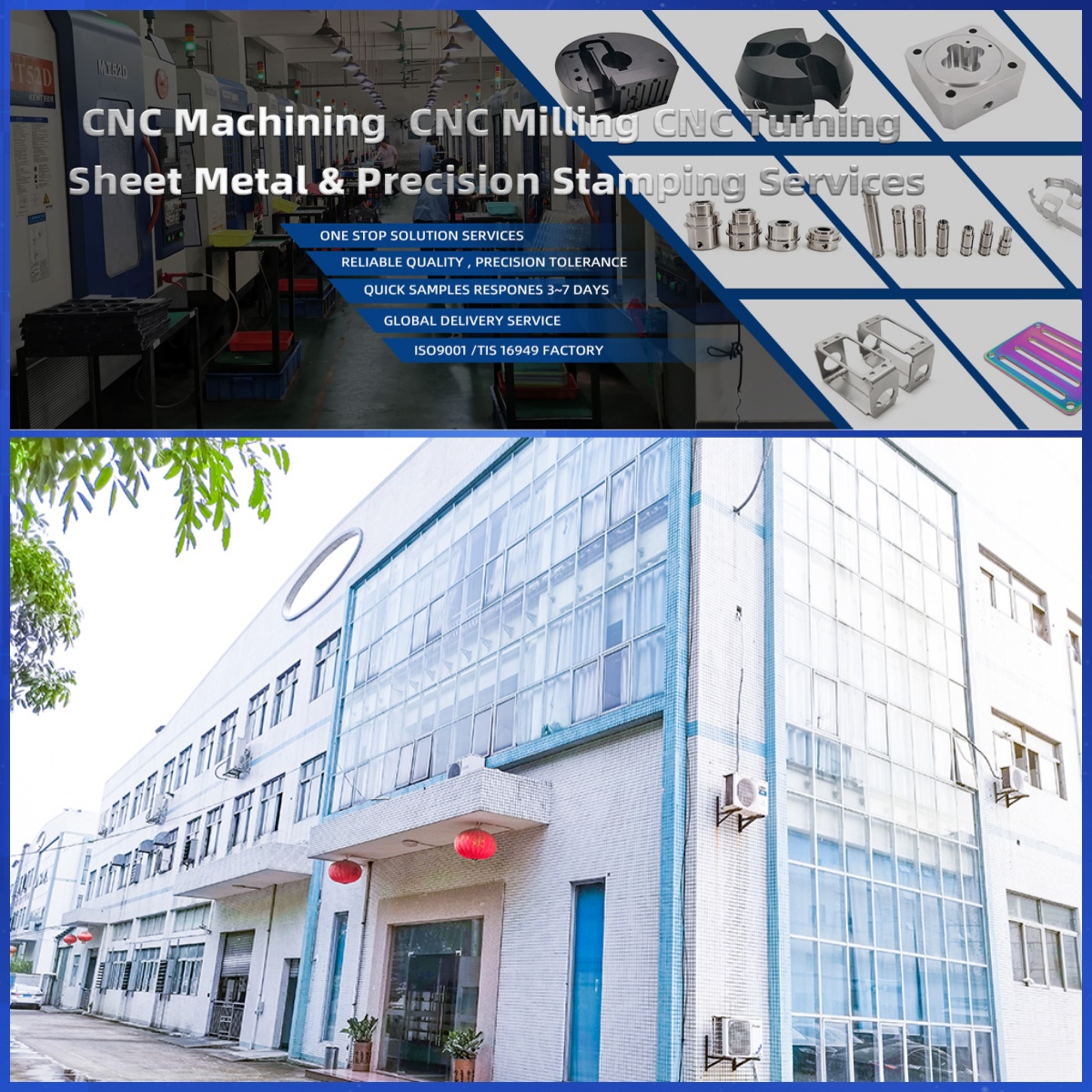
DongGuan YiTai Electronic Technologies Co.,Ltd
DongGuan YiTai Electronic Technologies Co.,Ltd is a manufacturing service provider located in Dongguan, China.
YiTai specialized in CNC turning machining and sheet metal fabrication mainly. As a member of Hung Mou Group, we focus on the overseas marketing development. And based on our parent company’s manufacturing capability and resources, YiTai also expended machining services such as die casting, injection molding, aluminum profile extrusion, 3D printing, which are committed to providing customers with one-stop purchasing services and experience.
CNC MACHINING , CNC MILLING , CNC TURNING , SHEETMETAL , FASTENER , OTHERS




Brass vs Aluminum: A Simple Comparison
Laser Cutting in the Hardware Industry: Applications, Processes, Pros, and Cons
Related Article