304 Stainless Steel Valve Machining: A Case Study in Work-Hardening Control
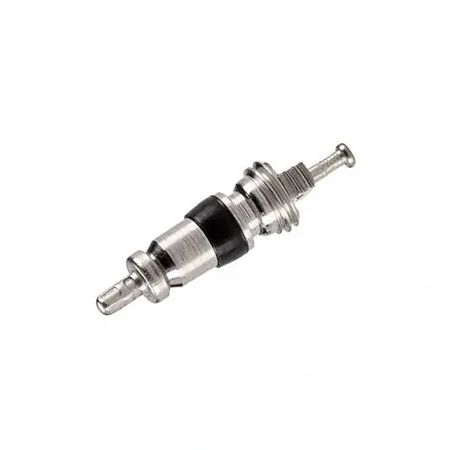
- Project Overview: The 304 Valve Body at a Glance
- The Challenge: Work Hardening and Rising Tool Costs
- The Solution: Reworking Toolpath and Insert Geometry
- Why 304 Stainless Steel for Valves?
- Step-by-Step: From Bar Stock to Finished Valve Body
- Quality Control: ±0.01 mm Where It Matters
- Results
- What This Means for Your Valve Project
- FAQ
1. Project Overview: The 304 Valve Body at a Glance
This was a mid-volume production job for a fluid control client. They needed 304 stainless steel valve body machining at 20,000 units per month, with a sealing face tolerance of ±0.01 mm and a surface finish of Ra 0.8. The previous supplier was hitting tolerance on good days but losing money on tool wear and rework.
| Parameter | Specification |
|---|---|
| Material | 304 (AISI 304 / X5CrNi18-10) Stainless Steel |
| Process | CNC Turning + CNC Milling + Polishing |
| Tolerance | ±0.01 mm on sealing face and critical bores |
| Surface Finish | Ra 0.8 (sealing face), Ra 1.6 (flow channels) |
| Volume | 20,000 pcs/month |
| Cycle Time | 18% reduction after process optimization |
| Inspection | CMM + bore gauge + surface roughness, every batch |
| Lead Time | 3 days for samples, 7 days for production batch |
Engineering Note: "304 is not a hard material to machine — it is a material that punishes bad process. If your toolpath leaves a work-hardened layer, every subsequent pass pays for it. Fix the process first, then push for speed."
2. The Challenge: Work Hardening and Rising Tool Costs
The client came to us with a simple problem: their valve bodies were costing 30% more than they should because inserts kept failing prematurely. The previous supplier was running standard ISO inserts with conventional toolpaths — and 304 was destroying them. CNC machining stainless steel valves is not about machine power. It is about how you manage the material's behavior during cutting.
Why 304 Stainless Is Hard on Tools
Four mechanisms make machining 304 stainless work hardening a real engineering challenge:
| Mechanism | What Happens | Impact on Machining |
|---|---|---|
| Strain Hardening | 304 hardens as it deforms. Each cut leaves a hardened surface layer (up to 35-40 HRC equivalent) that is harder than the bulk material. | If the next cut does not get below this layer, the insert sees harder material and wears faster. |
| Low Thermal Conductivity | 304 conducts heat roughly 4x worse than carbon steel. Heat stays at the cutting edge instead of flowing into the chip. | Edge temperature spikes, coating degrades, insert life drops. |
| Built-Up Edge (BUE) | 304 is gummy. Material welds to the insert edge, then breaks off — taking carbide with it. | Surface finish degrades, dimensional drift starts, insert fails unpredictably. |
| High Ductility | 304 stretches instead of shearing cleanly, producing long, tough chips. | Chip control becomes critical — tangled chips damage surfaces and interrupt automation. |
The previous supplier was fighting all four at once. They ran standard CNMG inserts with conventional turning paths — light spring passes to "clean up" dimensions. But spring passes on 304 are worse than useless. They ride on the work-hardened layer, generate heat, and destroy the edge. The cycle was: cut → harden → spring pass → harder layer → faster wear → more spring passes. A downward spiral.
3. The Solution: Reworking Toolpath and Insert Geometry
We rebuilt the process from the insert up. Three changes made the difference: insert geometry, toolpath rules, and a turning + milling + polishing workflow that assigns each operation to the right machine.
Insert Geometry and Grade
We switched from general-purpose CNMG inserts to positive-rake, sharp-honed M-class inserts (M20–M25 range) with PVD TiAlN coating. The geometry matters more than the coating:
- Positive rake angle: Shears the material instead of pushing it. Less cutting force means less heat and less work hardening.
- Sharp honed edge: A sharp edge cuts clean. A dull edge rubs — and rubbing on 304 is the fastest way to create a hardened layer.
- TiAlN PVD coating: Handles the high edge temperatures that 304 generates. The coating acts as a thermal barrier, keeping carbide cooler.
- Strong chip breaker: Controls the long, stringy chips that 304 produces. Good chip breaking prevents BUE and protects surface finish.
Toolpath Rules That Stop Work Hardening
The toolpath matters as much as the insert. We enforce five rules on every 304 job:
| Rule | Why It Matters for 304 |
|---|---|
| Consistent chip load | Every cut removes enough material to get below the work-hardened layer from the previous pass. No light finishing cuts that ride on hardened material. |
| Climb milling only | Chip starts thick and exits thin. Heat goes into the chip, not the work. Conventional milling does the opposite — thin entry, rubbing, hardening. |
| No dwell, no spring passes | Dwelling or rubbing on 304 creates a hardened zone that the next tool has to cut through. We eliminate both. |
| Through-coolant | Delivers coolant directly to the cutting edge at pressure. Flushes chips, controls BUE, and drops edge temperature significantly. |
| Shortest possible overhang | Reduces deflection and chatter. 304 needs rigidity — any vibration amplifies work hardening. |
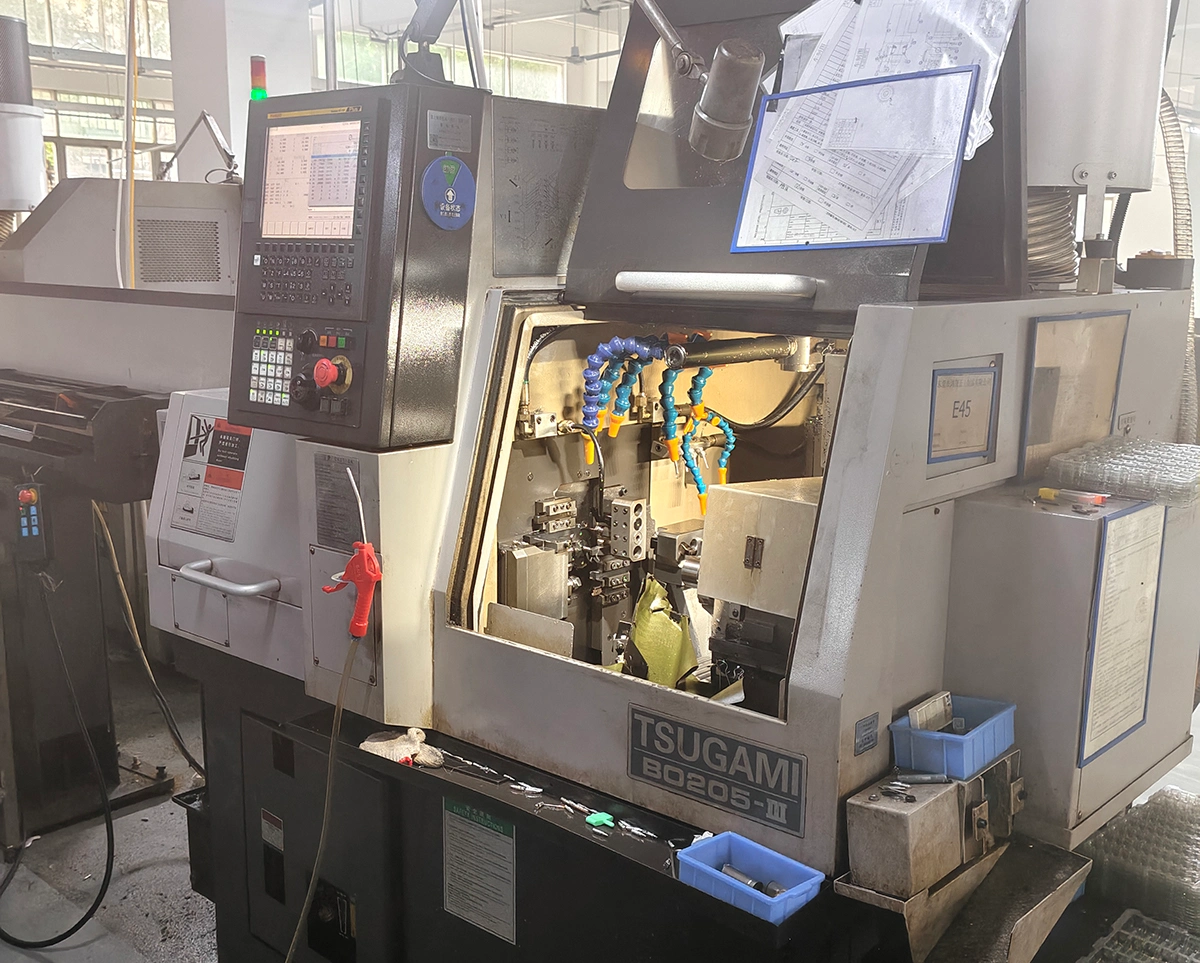
Turning + Milling + Polishing Workflow
Each operation does what it is best at. We do not ask the lathe to do the miller's job, and vice versa:
- CNC Turning: Establishes the cylindrical datum — outer body, flange, and the rough sealing face geometry. Turning runs between centers for concentricity. See our CNC turning capabilities for similar valve and fitting work.
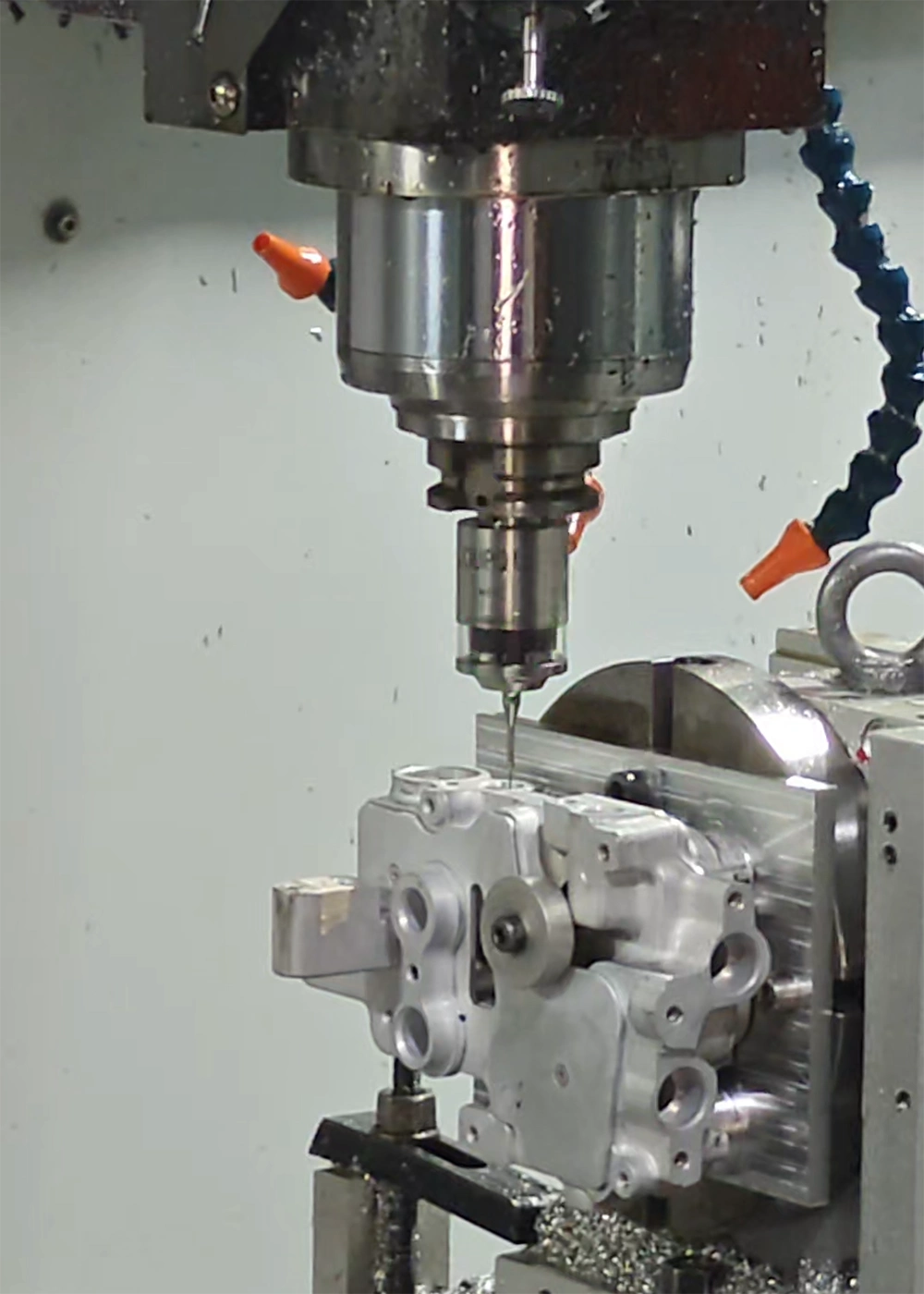
- CNC Milling: Cuts flow channels, port openings, mounting holes, and threaded features. We use the turned datum as the reference so every milled feature aligns to the bore. Learn more about our CNC milling services.
- Polishing: Brings the sealing face to Ra 0.8 and flow channels to Ra 1.6. Polishing is the last mechanical operation — it sets the final surface quality that determines leak performance.
Process Insight: "The biggest mistake we see is shops trying to hold final tolerance on the lathe alone. 304 does not cooperate. You turn for geometry, you mill for features, and you polish for surface. Each step hands a clean part to the next."
4. Why 304 Stainless Steel for Valves?
304 stainless steel CNC machining is the default choice for valve bodies in water systems, food and dairy, chemical processing, and sanitary applications. The material earns its place through corrosion resistance and cleanability — not through machinability.
Corrosion Resistance and Cleanability
304 contains 18% chromium and 8% nickel. The chromium forms a passive oxide layer that self-heals when scratched. This makes 304 resistant to potable water, mild chemicals, and food-grade fluids. For valves, that means long service life without pitting or rust staining on sealing surfaces.
In sanitary applications — dairy, beverage, pharmaceutical — the smooth, cleanable surface of a polished 304 valve body meets FDA and 3-A sanitary standards. The material does not leach or contaminate. Sanitary valve machining demands both the right material and the right surface finish.
What to Watch When Machining It
The same properties that make 304 great for valves make it difficult to machine. The work-hardening sensitivity means the process design matters more than machine horsepower. A shop with a 50 HP spindle and bad toolpaths will produce worse parts than a shop with a 15 HP spindle and good toolpaths. How to machine 304 stainless steel is a process question, not a machine question.
Compared to 304 vs 316 machining, 316 adds molybdenum for better pitting resistance but machines slightly worse — it is gummier and work-hardens a touch more. The same toolpath rules apply, but tool life runs about 10-15% shorter on 316.
5. Step-by-Step: From Bar Stock to Finished Valve Body
Here is the full production sequence we run for every batch:
- Material Certificate Verification: Check mill cert for chemistry (Cr 18-20%, Ni 8-10.5%) and mechanical properties. Reject any out-of-spec bar stock.
- CNC Rough Turning: Turn the outer body and flange geometry. Leave 0.3-0.5 mm on critical diameters for finishing. Positive-rake insert, through-coolant, no spring passes.
- CNC Finish Turning: Bring sealing face diameter and bore to within 0.02 mm of final spec. This cut removes the work-hardened layer from roughing.
- CNC Milling: Cut flow channels, port openings, and mounting holes. Climb mill only. Consistent chip load. Through-coolant on all operations.
- Deburring: Remove all sharp edges and burrs from milled features. Manual and automated deburring depending on geometry.
- Polishing: Polish sealing faces to Ra 0.8 (or finer for sanitary grade). Polish flow channels to Ra 1.6 to reduce pressure drop.
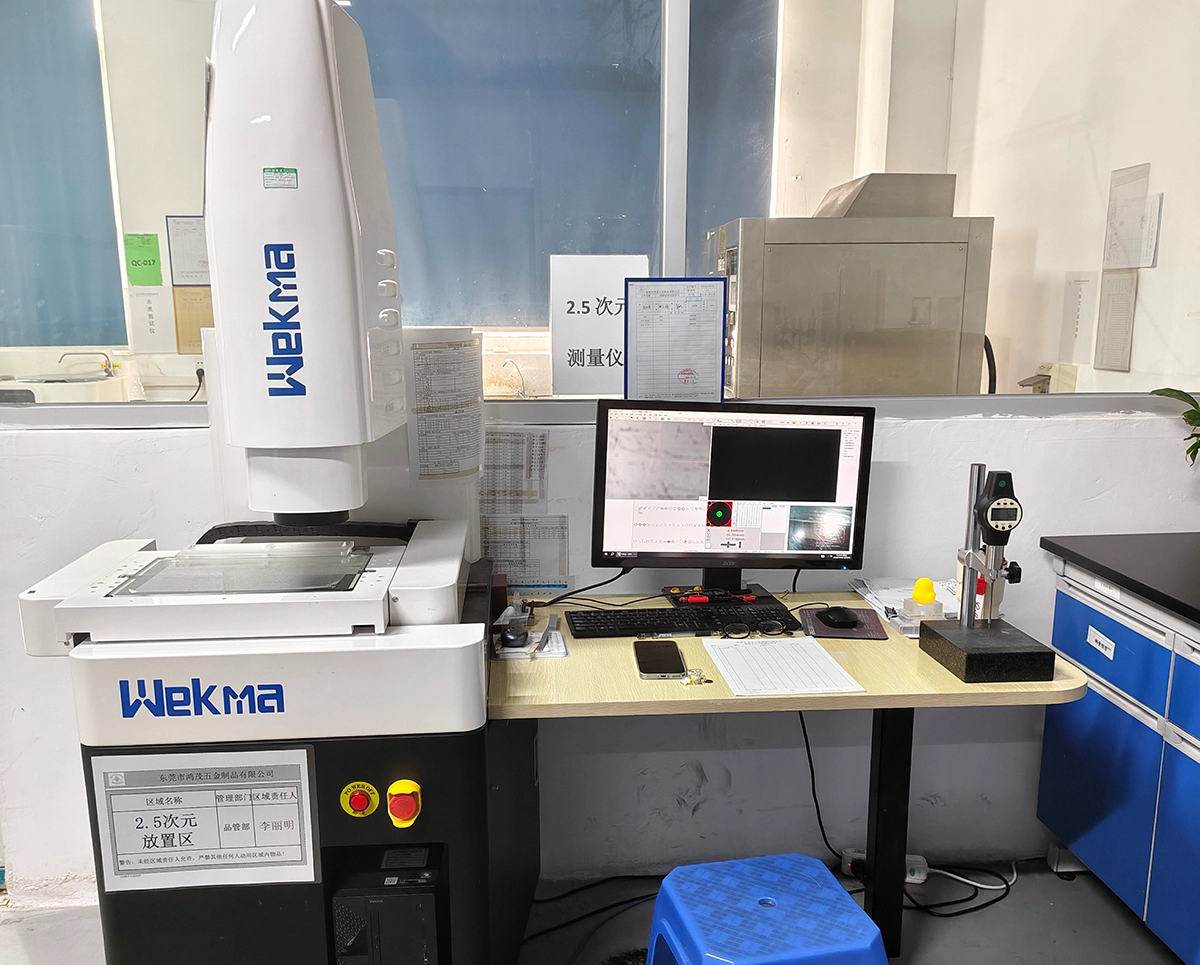
- Final Inspection: CMM measurement on critical features, bore gauge on sealing diameters, surface roughness measurement on sealing faces and flow channels.
- Dimensional Report: Every batch ships with a full inspection report covering all measured features, surface finish data, and CMM results
6. Quality Control: ±0.01 mm Where It Matters
Not every feature on a valve body needs ±0.01 mm. The sealing face does. The bore does. The mounting hole positions need ±0.05 mm. We focus our tightest control where it affects function and leak performance.
| Feature | Tolerance | Surface Finish | Inspection Method |
|---|---|---|---|
| Sealing face diameter | ±0.01 mm | Ra 0.8 | Bore gauge + CMM |
| Sealing face flatness | 0.005 mm | Ra 0.8 | CMM |
| Flow channel bore | ±0.02 mm | Ra 1.6 | Bore gauge |
| Mounting hole position | ±0.05 mm | — | CMM |
| Outer body diameter | ±0.03 mm | Ra 3.2 | Micrometer |
| Threaded features | 6H class | — | Thread plug gauge |
Every batch ships with a dimensional inspection report. We run first article inspection (FAI) on the first part of every batch and SPC monitoring during production. If a dimension drifts, we catch it at the machine — not at final inspection.
7. Results
After implementing the new insert geometry, toolpath rules, and inspection protocol, the numbers told a clear story:
| Metric | Previous Supplier | DongGuan YiTech | Improvement |
|---|---|---|---|
| Cycle time per part | Baseline | 18% faster | Toolpath + insert optimization |
| Insert life (turning) | ~25 parts/edge | ~55 parts/edge | +120% |
| Insert life (milling) | ~40 parts/edge | ~80 parts/edge | +100% |
| Sealing face tolerance | ±0.02 mm (inconsistent) | ±0.01 mm (stable) | Tolerance halved |
| Scrap rate | ~4% | <0.5% | 87% reduction |
| Monthly capacity | 8,000 pcs | 20,000 pcs | 2.5x volume |
| Batch inspection report | Spot check only | Every batch | Full traceability |
As a stainless steel valve body manufacturer, the key takeaway is that stainless tool life improvement comes from process changes, not from buying more expensive inserts. The right geometry, the right toolpath, and the right coolant strategy outperform any premium insert running a bad process.
8. What This Means for Your Valve Project
If you are sourcing high volume valve production in 304 stainless, the question is not "can this shop run a CNC machine?" — it is "does this shop understand work hardening?" A shop that runs 304 like it runs mild steel will burn through tooling, deliver inconsistent surface finish, and struggle with volume.
The right partner has a process designed for 304: positive-rake inserts, climb milling, consistent chip loads, through-coolant, and no spring passes. That is how you hold ±0.01 mm at 20,000 pieces a month without inflating cost.
Whether your project is a water valve, a sanitary fitting, or a chemical processing component, we provide DFM review, prototype machining, and full production — all with batch inspection reports. See our automotive CNC machining capabilities for similar fluid control projects, or request a DFM review below.
Upload Your Valve Drawing for a DFM Review
We will review your 304 stainless steel valve body design, optimize the toolpath, and quote your volume price — within 3 business days.
Get a Free Quote9. FAQ
Q: What tolerances and surface finishes do you hold on 304 valve bodies?
A: We hold ±0.01 mm on sealing faces and critical bores. Surface finish is typically Ra 0.8 on sealing faces and Ra 1.6 on flow channels. For sanitary applications, we can polish to Ra 0.2 (mirror finish).
Q: How do you prevent work hardening when machining 304 stainless steel?
A: We use positive-rake inserts with sharp honed edges, PVD TiAlN-coated M-class grades, consistent chip loads, climb milling, through-coolant, and no spring passes. The key rule: cut, do not push. Every pass must remove enough material to get below the work-hardened layer from the previous cut.
Q: Can you machine turned and milled features on one valve body?
A: Yes. Our turning + milling + polishing workflow runs as a controlled sequence. CNC turning handles cylindrical features and sealing face geometry. CNC milling handles flow channels, ports, and mounting holes. Polishing sets the final surface finish. Each operation uses the previous datum for alignment.
Q: Do you offer polishing or electropolishing for valve surfaces?
A: Yes. We offer mechanical polishing to Ra 0.8 or finer. For sanitary and pharmaceutical applications, we can arrange electropolishing. Sealing faces receive priority polishing to ensure leak-free performance.
Q: Can you handle 20,000+ pieces per month with inspection reports?
A: Yes. We currently run 20,000 pieces per month with CMM inspection, bore gauge checks, and surface roughness measurement on every batch. Each shipment includes a dimensional inspection report covering all critical features.
Q: What file formats do you need to quote a stainless steel valve body?
A: We accept STEP, IGES, SolidWorks, or DXF files. For tight-tolerance features, include a 2D drawing with GD&T callouts and surface finish requirements. Send your files and we will return a DFM review and quote within 3 business days.
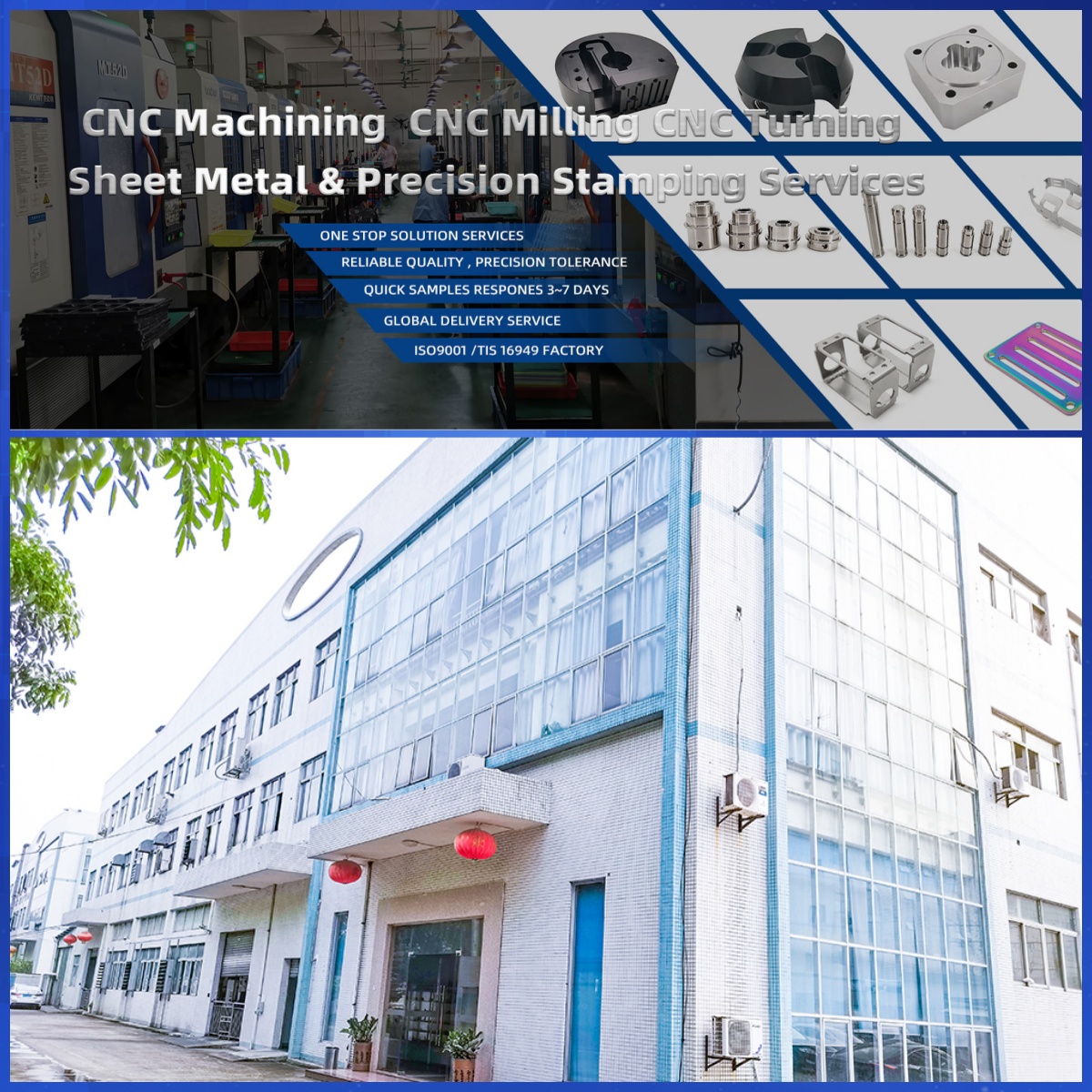
DongGuan YiTai Electronic Technologies Co.,Ltd
DongGuan YiTai Electronic Technologies Co.,Ltd is a manufacturing service provider located in Dongguan, China.
YiTai specialized in CNC turning machining and sheet metal fabrication mainly. As a member of Hung Mou Group, we focus on the overseas marketing development. And based on our parent company’s manufacturing capability and resources, YiTai also expended machining services such as die casting, injection molding, aluminum profile extrusion, 3D printing, which are committed to providing customers with one-stop purchasing services and experience.
CNC MACHINING , CNC MILLING , CNC TURNING , SHEETMETAL , FASTENER , OTHERS




Machine Vision Camera Housing: 20,000 Pieces a Month at ±0.01 mm Concentricity
4140 Steel Shaft Machining: A CNC Turning & Grinding Case Study
Related Article