Stainless Steel: A Complete Guide

1. What is Stainless Steel?
2. How is Stainless Steel Made?
- Melting: The process starts with melting raw materials. Iron ore, scrap steel, and other alloys are loaded into large furnaces. These furnaces can reach temperatures of over 1,600°C (2,912°F), hot enough to turn solid metal into a liquid. The type of furnace used can vary. Electric arc furnaces are common because they can melt scrap steel efficiently, which is good for recycling.
- Adding alloys: Once the metal is molten, the next step is to add the alloys that make it stainless. Chromium is added first, usually in amounts between 10.5% and 30%, depending on the type of stainless steel being made. Then, other elements like nickel, manganese, or molybdenum are mixed in. Workers test the molten metal to make sure the levels of each element are correct. This is crucial because even small changes can affect the steel's properties.
- Shaping: After the alloy mix is right, the molten steel is poured into molds to form slabs, blooms, or billets. These are then rolled into different shapes. Rolling involves passing the metal through heavy rollers to flatten it into sheets, stretch it into bars, or form it into pipes. The rolling process can be hot or cold. Hot rolling is done at high temperatures to make the metal easier to shape, while cold rolling is done at room temperature to create a smoother surface.
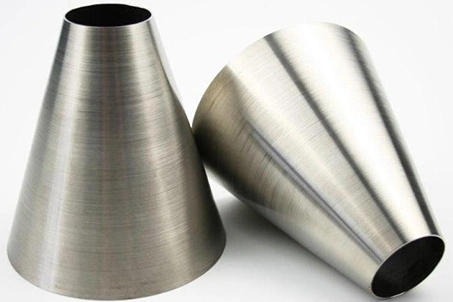
- Treating: The final step is heat treatment. The steel is heated to a specific temperature and then cooled quickly. This process, called annealing, helps to soften the steel and improve its flexibility. It also helps the chromium oxide layer form evenly on the surface, ensuring the steel resists rust effectively. Some types of stainless steel may also be polished to give them a shiny finish, which is common in kitchen appliances.
3. Common Types of Stainless Steel
3.1 Austenitic Stainless Steel
3.2 Ferritic Stainless Steel
3.3 Martensitic Stainless Steel
3.4 Duplex Stainless Steel
4. Stainless Steel vs. Other Metals: A Comparison
|
Feature
|
Stainless Steel
|
Carbon Steel
|
Aluminum
|
Copper
|
|
Corrosion resistance
|
High (stops rust with chromium oxide layer)
|
Low (rusts easily without protection)
|
Medium (forms a thin oxide layer that stops further damage)
|
High (forms a green patina that protects it)
|
|
Strength
|
High (strong and flexible)
|
Very high (but brittle when cold)
|
Low to medium (weaker but lightweight)
|
Medium (softer than steel)
|
|
Cost
|
Medium to high (depends on grade)
|
Low (cheap to produce)
|
Medium (more expensive than carbon steel)
|
High (one of the more costly metals)
|
|
Weight
|
Heavy (about 7.9 g/cm³)
|
Heavy (about 7.8 g/cm³)
|
Light (about 2.7 g/cm³)
|
Heavy (about 8.9 g/cm³)
|
|
Heat resistance
|
High (handles up to 870°C)
|
Medium (loses strength over 300°C)
|
Low (melts at 660°C)
|
Medium (melts at 1,085°C)
|
|
Conductivity
|
Low (poor at conducting heat/electricity)
|
Low (similar to stainless steel)
|
High (good conductor of heat/electricity)
|
Very high (excellent conductor)
|
5. Key Benefits of Stainless Steel
- Durable: It can last for decades, even in tough conditions. It handles extreme temperatures, from the cold of frozen food storage (down to -270°C) to the heat of industrial furnaces (up to 870°C). This durability means less need for replacement, saving money in the long run.
- Hygienic: Its smooth surface does not have pores or cracks where bacteria can hide. This is why it is used in hospitals, where cleanliness is critical. It is also used in food processing plants and commercial kitchens, as it can be easily cleaned with hot water and soap, or even harsh chemicals, without getting damaged.
- Recyclable: Over 90% of stainless steel is recycled, which is much higher than other metals. When stainless steel is recycled, it does not lose any of its properties, so it can be reused again and again. This reduces the need for mining new raw materials, making it good for the environment.
- Attractive: Many grades of stainless steel have a shiny, modern look that is popular in design. It is used in everything from kitchen appliances to building facades because it looks good and stays looking good for years without needing paint or polish.
6. Expert Views on Stainless Steel
7. Related Blogs
- The difference between carbon and stainless steel: This blog goes into detail about how these two steels are made, their key differences in rust resistance and strength, and why you would choose one over the other for projects like building a fence or making tools.
- Stainless Steel: A Versatile and Durable Material: It explores the many unexpected uses of stainless steel, from art installations to deep-sea submarines. It also looks at how new technologies are making stainless steel even better, like adding nanoparticles to improve its strength.
8. Frequently Asked Questions
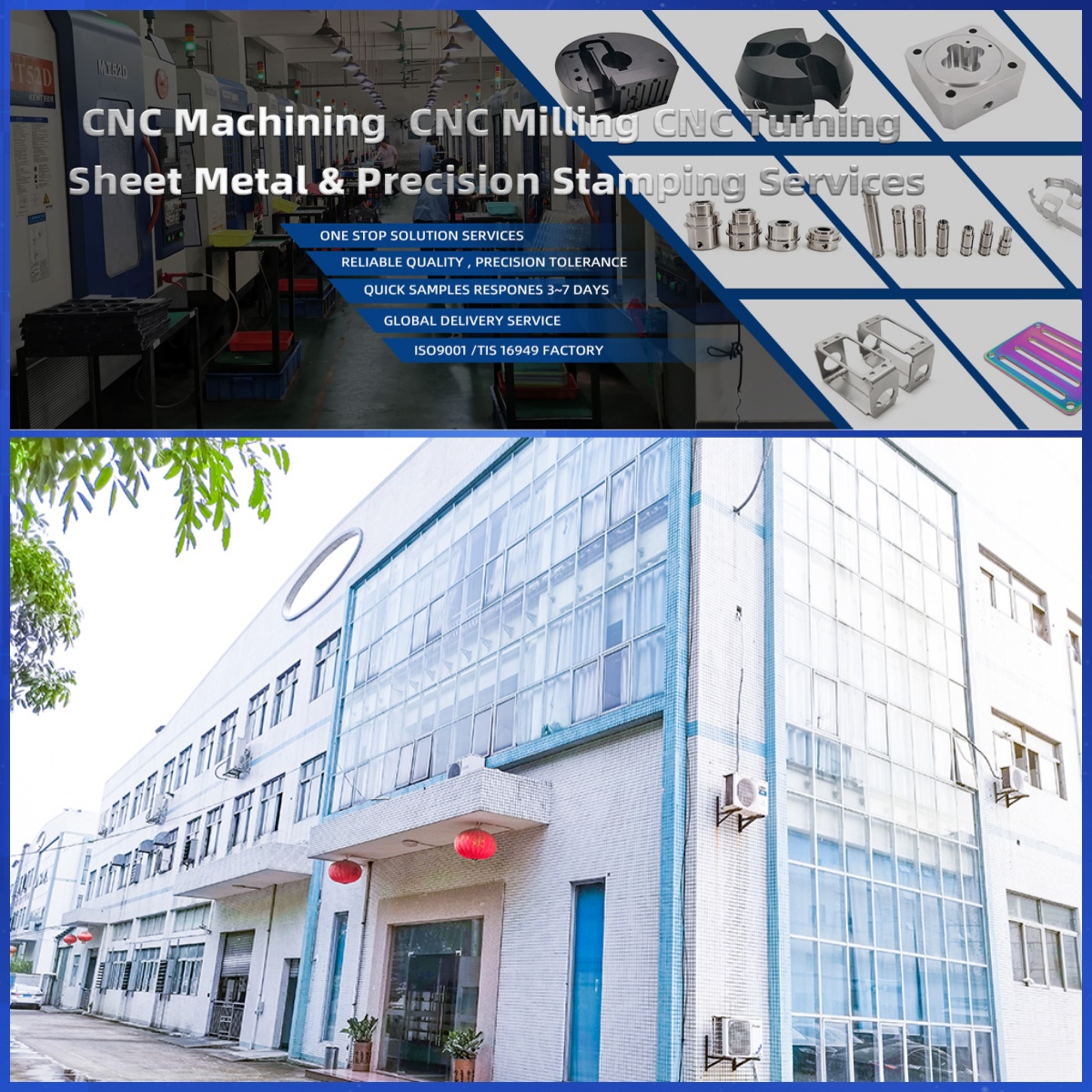
DongGuan YiTai Electronic Technologies Co.,Ltd
DongGuan YiTai Electronic Technologies Co.,Ltd is a manufacturing service provider located in Dongguan, China.
YiTai specialized in CNC turning machining and sheet metal fabrication mainly. As a member of Hung Mou Group, we focus on the overseas marketing development. And based on our parent company’s manufacturing capability and resources, YiTai also expended machining services such as die casting, injection molding, aluminum profile extrusion, 3D printing, which are committed to providing customers with one-stop purchasing services and experience.
CNC MACHINING , CNC MILLING , CNC TURNING , SHEETMETAL , FASTENER , OTHERS




Is Brass a Magnetic Material? The Complete Guide
Brass vs Aluminum: A Simple Comparison
Related Article