
Stainless Steel: A Versatile and Durable Material
author: YITECH
2024-10-24

Sus304 is a type of high-quality stainless steel material commonly used in various industries. Known for its excellent corrosion resistance and durability. sus304 is an excellent choice for applications that require strong, long-lasting, and reliable materials.
Stainless steel has become a staple material in many industries, from construction to manufacturing, due to its unique set of properties. It is strong, corrosion-resistant, and easily maintained, making it a top choice for various applications.
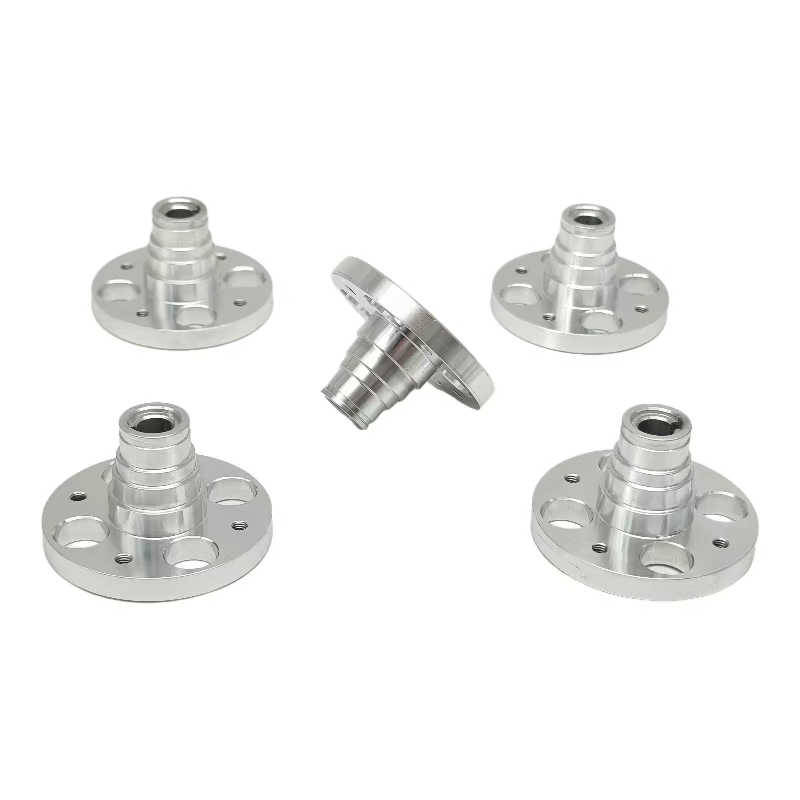
Stainless steel's excellent corrosion resistance is due to the presence of chromium, which forms a protective layer on the surface of the material that prevents rust and other types of corrosion. This property makes it ideal for use in harsh environments, such as marine or chemical processing applications.
Another advantage of stainless steel is its versatility in terms of strength and flexibility. It comes in a variety of grades that are suitable for different applications, from the soft and ductile 304 grade to the more rigid 316 grade, which is commonly used in heavy-duty industrial equipment.
Stainless steel is also easy to maintain and can withstand high and low temperatures, making it suitable for use in a range of environments and temperatures. This makes it an ideal choice for infrastructure and construction projects, where durability and longevity are critical.
Finally, stainless steel comes in a variety of finishes, making it a favorite material for decorative applications such as architecture, automotive design, and high-end consumer goods. Its polished and reflective surface adds a touch of elegance and modernity to any application.
In summary, stainless steel is a versatile and durable material that provides exceptional corrosion resistance, strength, and flexibility. Its wide range of applications and finishes make it a top choice for many industries, from manufacturing to construction to consumer goods.
Stainless steel's excellent corrosion resistance is due to the presence of chromium, which forms a protective layer on the surface of the material that prevents rust and other types of corrosion. This property makes it ideal for use in harsh environments, such as marine or chemical processing applications.
Another advantage of stainless steel is its versatility in terms of strength and flexibility. It comes in a variety of grades that are suitable for different applications, from the soft and ductile 304 grade to the more rigid 316 grade, which is commonly used in heavy-duty industrial equipment.
Stainless steel is also easy to maintain and can withstand high and low temperatures, making it suitable for use in a range of environments and temperatures. This makes it an ideal choice for infrastructure and construction projects, where durability and longevity are critical.
Finally, stainless steel comes in a variety of finishes, making it a favorite material for decorative applications such as architecture, automotive design, and high-end consumer goods. Its polished and reflective surface adds a touch of elegance and modernity to any application.
In summary, stainless steel is a versatile and durable material that provides exceptional corrosion resistance, strength, and flexibility. Its wide range of applications and finishes make it a top choice for many industries, from manufacturing to construction to consumer goods.
If you are looking for precision stainless steel parts, please feel free to contact us, we are sure you will satisfied with our service and like the quality of our products.
The Highest Machining Accuracy Of Machine Tools
The Difference Between Anodizing And Conductive Oxidation.
Related Article

Choosing between 316 and 316L? 316L resists weld decay better, 316 holds strength at higher heat. Both food-grade, both marine-grade. Quick, no-fluff breakdown.
316 vs 316L Stainless Steel for CNC Machining
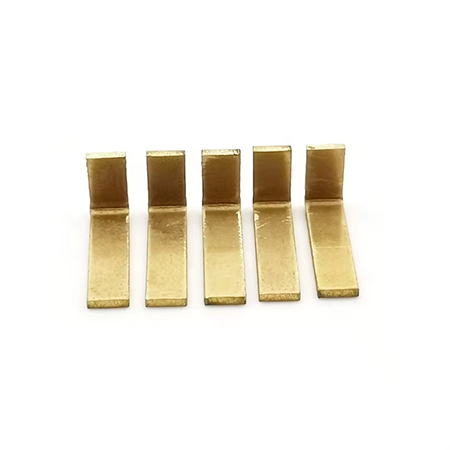
What is stamping and when do you use it? A plain guide to sheet metal stamping, dies, and progressive tools, plus the parts it makes faster than machining.
What Is Stamping in Metal Manufacturing?

