Conquering Work Hardening: Ensuring Dimensional Stability in Stainless Steel Parts

1. What is Work Hardening?

Work hardening is also called strain hardening. It is a process where a metal becomes stronger and harder when it is deformed. This sounds good, but it is a big problem for machining. The metal becomes tougher to cut. This leads to faster tool wear, poor surface finish, and, most importantly, dimensional instability. The part can warp or change size after machining.
The Crystal Structure of Austenitic Stainless Steel and the Effect of Cutting Heat
Some stainless steels harden more than others. Austenitic stainless steels like 304 and 316 are the most common. They are also the most likely to work harden. Their crystal structure is face-centered cubic (FCC). This structure lets the metal easily deform and quickly harden when force or heat is applied.
During machining, the cutting tool puts high pressure and heat into the material. If the heat and pressure are not controlled, they change the metal's structure at the cut point. The material hardens instead of being cleanly sheared. Then, the next pass of the tool hits this hardened area. This causes more tool wear and more heat. A bad cycle starts. To understand why grades like 304 and 316 behave this way, you can read more in our guide, The Difference Between 304, 304L, 316, and 316L – The Complete Guide!.
2. Three Golden Rules to Avoid Work Hardening
Follow these three rules. They will help you control work hardening and get stable, precise parts.
2.1 Maintain Constant Cutting Feed: Never "Dwell"
The most important rule is to keep the tool moving. When the tool cuts into the material, it must keep a constant feed rate. If the tool stops or slows down, it rubs instead of cuts. This rubbing creates a lot of heat and plastic deformation. This quickly hardens the surface.
-
Do: Use steady, uninterrupted cuts.
-
Don't: Let the tool pause on the part surface.
2.2 Sharp Tools and Specific Coating Choice (TiAlN)
A dull tool is a main cause of work hardening. A sharp tool cuts cleanly. A dull tool rubs and presses the material.
-
Use sharp tools: Check and change tools often.
-
Choose the right coating: TiAlN (Titanium Aluminum Nitride) coating is very good for stainless steel. It handles high heat well and keeps the tool edge sharp longer. This coating helps the heat go into the chip, not the part.
2.3 The Key Role of High-Pressure Coolant in Removing Heat
Heat makes work hardening worse. Removing heat quickly is very important. High-pressure coolant does two things:
-
It cools the cutting zone fast.
-
It breaks and washes away chips. This stops chips from scratching the surface and adding more heat.
3. How Yitai Electronics Solves Deformation in Thin-Walled Stainless Steel Parts
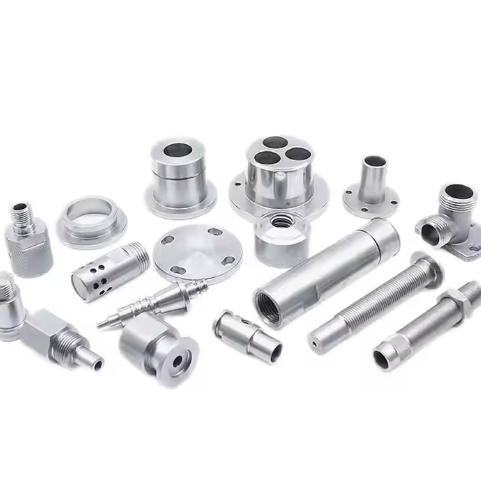
Thin-walled parts are very hard to make. The problem of work hardening and part bending is bigger. At Yitai Electronics, we use a special method:
-
Strategic Sequencing: We plan the cutting order to keep the part rigid as long as possible.
-
Multi-Axis Machining: We use multi-axis machines to make steady, light cuts from the best angles. This lowers cutting force.
-
In-Process Measurement: We check key dimensions during machining. This lets us adjust for any small movement before the part is finished.
This careful approach lets us make complex, thin-walled stainless steel parts with high dimensional stability.
4. Upload Your Drawing for a DFM Solution for Hard-to-Machine Parts
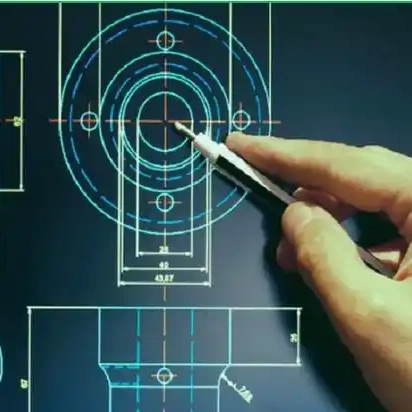
Do you have a part that is hard to make? Our engineers can help. Upload your drawing. We will give you a Design for Manufacturability (DFM) analysis. We will find possible work hardening problems early. We will give suggestions on tolerances, geometry, and the best stainless steel grade for your part. This saves time and cost.
Parameter Comparison: Effective vs. Problematic Machining Strategies
| Factor | Problematic Strategy (Causes Hardening) | Effective Strategy (Prevents Hardening) |
|---|---|---|
| Feed Rate | Low or changing feed rate, tool dwelling | Constant and appropriate feed rate |
| Tool Condition | Dull, worn-out tool edge | Sharp tools with TiAlN coating |
| Coolant | Low pressure or not enough coolant | High-pressure coolant for heat and chip removal |
| Cut Depth | Very deep, heavy cuts creating high heat | Moderate, consistent depth of cut |
| Material Choice | Using standard 304/316 without need | Choosing free-machining grades (e.g., 303) or stabilized grades where possible |
5. Expert Opinion
“Many people think work hardening is just about the material,” says Michael Chen, Senior Process Engineer at Yitai. “But in reality, it’s usually a process problem. A sharp tool, enough feed, and good coolant solve 90% of issues. The key is to respect the material's nature. Don't fight it; guide the cutting process correctly from the start.”
6. Frequently Asked Questions (FAQs)
Q1: How can I tell if my part has work hardened?
You can see signs like extreme tool wear, a glazed or burnished surface finish on the part, and poor dimensional accuracy. The material may also be harder to scratch with a tool.
Q2: Can I remove a work-hardened layer?
Yes, but it is difficult. You can remove it by using very stable conditions, sharp tools, and a consistent, light cut depth. But it is much better to prevent hardening in the first place.
Q3: Does work hardening happen with all metals?
Many metals can work harden, but it is most severe with austenitic stainless steels, nickel alloys, and some titanium alloys. For comparison, carbon steels are generally less prone to this issue. Learn more about their fundamental differences in our article The difference between carbon and stainless steel.
Q4: What is the best stainless steel grade to avoid work hardening?
If your design allows, 303 stainless steel has added sulfur for much better machinability and less work hardening. For parts needing welding or corrosion resistance like 304, using 304L (lower carbon) can help reduce some hardening issues.
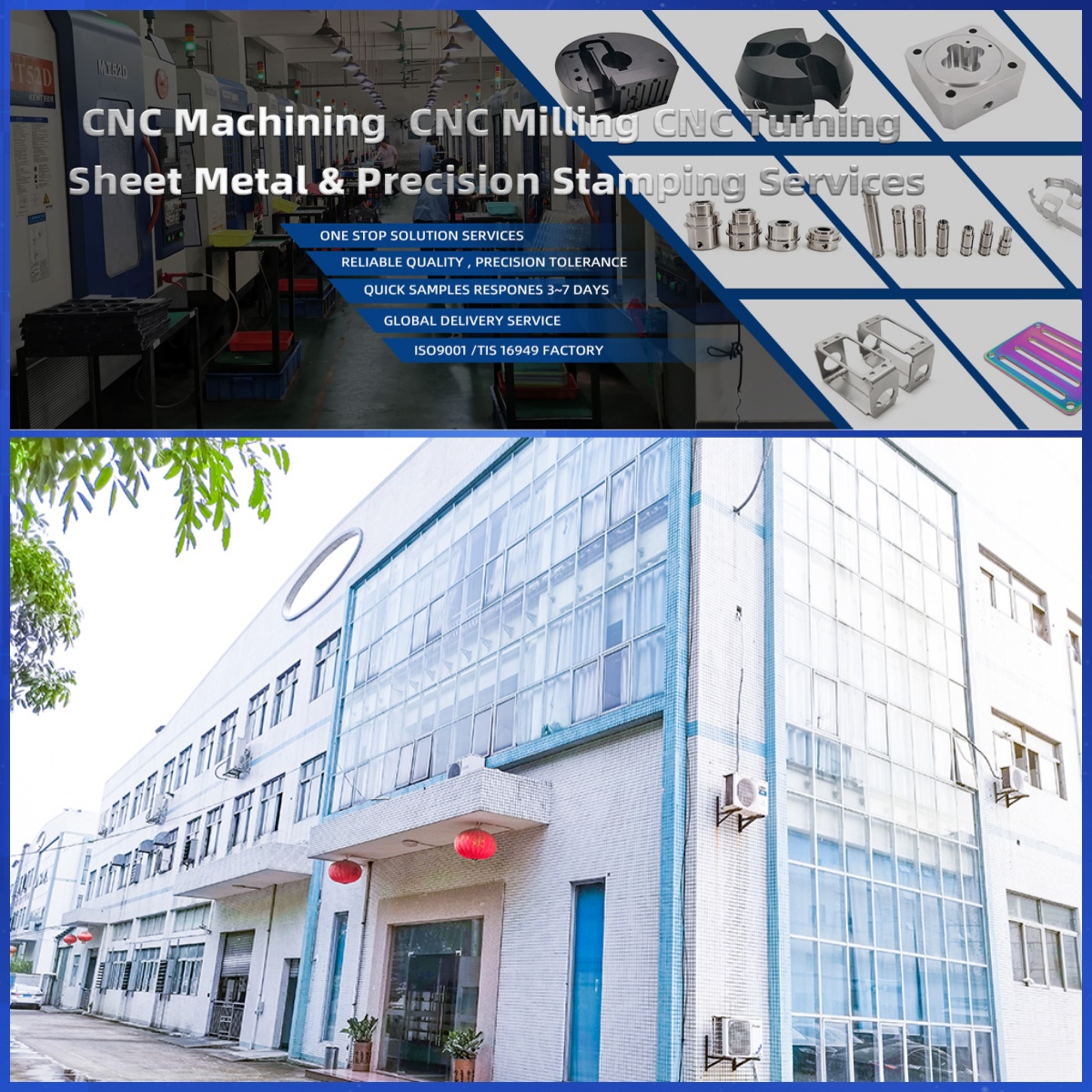
DongGuan YiTai Electronic Technologies Co.,Ltd
DongGuan YiTai Electronic Technologies Co.,Ltd is a manufacturing service provider located in Dongguan, China.
YiTai specialized in CNC turning machining and sheet metal fabrication mainly. As a member of Hung Mou Group, we focus on the overseas marketing development. And based on our parent company’s manufacturing capability and resources, YiTai also expended machining services such as die casting, injection molding, aluminum profile extrusion, 3D printing, which are committed to providing customers with one-stop purchasing services and experience.
CNC MACHINING , CNC MILLING , CNC TURNING , SHEETMETAL , FASTENER , OTHERS




Anodizing vs Plating: Cost, Durability, and Applications Compared
The Complete Guide to 1050 Aluminum CNC Machining: Properties & Applications
Related Article