The Ultimate Guide to Metal Finishing: Essential Knowledge of Polishing, Deburring, Sandblasting & Shot Blasting!
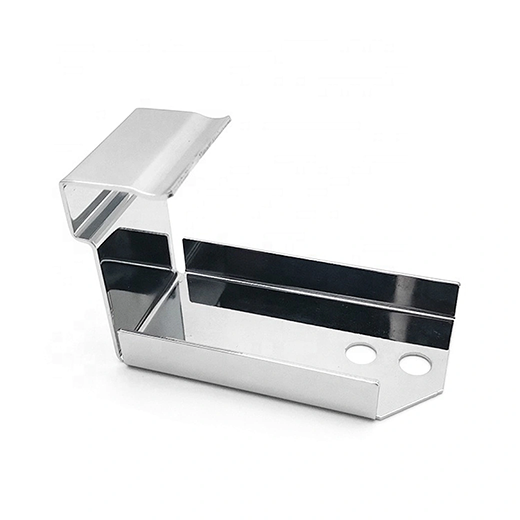
Why Metal Finishing Matters
Deburring: The Essential First Step
What is Deburring?
Deburring is the fundamental process of removing rough edges (burrs), sharp points, and flash left on metal parts after machining, casting (like the high-quality aluminum die casting YITECH specializes in), stamping, or cutting. These imperfections are more than just unsightly; they pose safety hazards, can interfere with assembly, compromise sealing surfaces, and act as initiation points for fatigue cracks and corrosion.
Methods & Tools
Deburring techniques range from simple manual methods to sophisticated automation:
-
Manual: Files, scrapers, abrasive stones, sandpaper.
-
Mechanical: Vibratory tumblers, centrifugal barrel tumblers, abrasive blasting (light media).
-
Thermal: Thermal energy method (TEM) using explosive gas.
-
Electrochemical: Precise removal using electrolysis.
-
Cryogenic: Freezing and tumbling to make burrs brittle.
-
Abrasive Flow Machining (AFM): For complex internal passages.
Why It's Non-Negotiable
"Deburring isn't optional; it's foundational," states Michael Thorne, a manufacturing engineer with 20+ years of experience. "Skipping or skimping on deburring compromises every downstream process, from plating to assembly to the end-user's safety and satisfaction. It directly impacts functional reliability." Consistent deburring ensures parts fit correctly, perform reliably, and meet stringent quality standards.
Polishing: Achieving the Perfect Shine
The Art and Science of Polishing
Polishing is the process of smoothing a surface to a high luster, typically through abrasion with progressively finer grits. It removes microscopic imperfections, scratches, and oxidation, resulting in a reflective, mirror-like finish or a desired satin sheen. Beyond aesthetics, polishing improves hygiene (easier cleaning), reduces adhesion (for materials), and can enhance corrosion resistance.
Mechanical vs. Chemical Approaches
-
Mechanical Polishing: Uses physical abrasives (buffing wheels, polishing belts, compounds) and controlled pressure. Techniques include buffing (loose abrasive on cloth wheel) and lapping (using a lap plate). Essential for achieving high-gloss finishes on metals like stainless steel, aluminum, and brass.
-
Chemical Polishing: Immerses parts in a chemical bath that selectively dissolves surface peaks, smoothing the metal. Often used for complex geometries difficult to reach mechanically, but requires careful process control and waste management.
Expert Insight: "Achieving a truly flawless polish requires understanding the metal's properties and the sequence of abrasive grits," explains Dr. Sarah Chen, a materials scientist specializing in surface engineering. "Rushing through grit stages or using contaminated wheels is a common pitfall that leads to subpar results or embedded contamination. Consistency in pressure and speed is key." (For an in-depth look, explore our article: More about Surface Treatment: Polishing)
Applications and Benefits
Polishing is vital for:
-
Consumer Goods: Appliances, cutlery, jewelry, automotive trim.
-
Medical & Food Equipment: Where hygiene and cleanability are paramount.
-
Architectural Features: Handrails, elevator panels, decorative elements.
-
Optical & Precision Components: Mirrors, reflectors, instrumentation parts.
Benefits include enhanced visual appeal, reduced friction, improved cleanability, and increased corrosion resistance (by removing surface defects that initiate rust).
Sandblasting: Texture, Cleaning & Preparation
Understanding the Sandblasting Process
Sandblasting (or abrasive blasting) propels fine abrasive particles at high velocity using compressed air or a centrifugal wheel against a surface. It cleans, etches, roughens (profiles), or shapes the surface. While historically using sand, modern blasting employs safer and more effective media like aluminum oxide, glass beads, plastic grit, steel grit, walnut shells, or baking soda.
Abrasives and Applications
The choice of abrasive dictates the result:
-
Aggressive Cleaning/Cutting: Aluminum Oxide, Steel Grit/Shot, Silicon Carbide.

-
Gentle Cleaning/Matte Finishing: Glass Beads, Plastic Media.
-
Delicate Cleaning/Paint Stripping: Walnut Shells, Corn Cob, Baking Soda.
-
Surface Profiling (for coating adhesion): Angular abrasives like Aluminum Oxide or Steel Grit.
Beyond Metal: Versatility Explained
Sandblasting's power lies in its versatility across diverse materials:
-
Metal: Removing rust, mill scale, old paint, creating matte finishes, surface prep for coating/welding.
-
Concrete: Cleaning, texturing, graffiti removal.
-
Wood: Distressing, cleaning, removing old finishes.
-
Glass: Frosting, etching decorative patterns.
-
Stone: Cleaning, restoring, texturing.
(Discover the full scope in our dedicated piece: What is Sandblasting?)
Shot Blasting: Power, Peening & Profile
How Shot Blasting Works
Shot blasting utilizes a high-speed rotating wheel to forcefully propel round metallic media (usually steel shot, cut wire, or stainless steel shot) onto the workpiece surface. It's characterized by its high impact energy and controlled directionality.
Key Differences vs. Sandblasting
-
Propulsion: Wheel (Shot Blasting) vs. Compressed Air/Centrifugal (Sandblasting).
-
Media: Primarily round metallic shot (Shot Blasting) vs. diverse angular/round abrasives (Sandblasting).
-
Primary Goal: Surface strengthening (peening), heavy descaling, deep cleaning, creating compressive stress (Shot Blasting) vs. Cleaning, texturing, profiling, finishing (Sandblasting).
-
Impact: Generally higher, more uniform impact over larger areas (Shot Blasting).
Critical Applications
-
Shot Peening: Inducing beneficial compressive stresses to dramatically improve fatigue life and resistance to stress corrosion cracking (critical for springs, gears, turbine blades, landing gear).
-
Heavy Descaling: Removing thick mill scale, weld scale, and rust from structural steel, forgings, and castings.
-
Surface Cleaning & Preparation: Prior to coating (providing a clean, active surface and specific anchor profile).
-
Deburring & Edge Rounding: Especially effective on large volumes of parts in batch processing.
-
Surface Texturing: Creating uniform matte or textured finishes.
Choosing the Right Process: A Decision Framework
Selecting the optimal finishing process depends on several factors:
-
Desired Outcome: Shine (Polishing), Edge Safety/Cleanup (Deburring), Texture/Cleaning/Prep (Sandblasting), Strength/Cleaning/Profile (Shot Blasting).
-
Material Type & Hardness: Some abrasives or processes are unsuitable for soft metals.
-
Part Geometry: Complex shapes may favor chemical polishing, vibratory deburring, or specialized blasting nozzles. Simple shapes can handle more aggressive mechanical methods.
-
Production Volume & Cost: Manual polishing/deburring for low volume/prototypes; automated blasting lines for high volume.
-
Dimensional Tolerance: Some aggressive processes can remove significant material.
-
Downstream Processes: Does the surface need to accept paint? A coating? Be hygienic? The required surface profile (Ra) is crucial for coating adhesion.
Ensuring Quality & Efficiency
-
Material Selection is Paramount: Using low-quality abrasives, polishing compounds, or media leads to inconsistent results, contamination, and increased wear on equipment. Invest in high-grade consumables specified for your material and process.
-
Rigorous Equipment Maintenance: Blast wheels, nozzles, pumps, polishing spindles, and dust collection systems must be meticulously maintained. Worn parts lead to inconsistent finishes, wasted media/energy, safety hazards, and costly downtime. Schedule regular inspections and preventive maintenance.
-
Operator Skill & Training: Especially for manual processes like polishing or complex blasting setups, skilled operators are irreplaceable. Continuous training on techniques, safety, and quality standards is vital. Automation can significantly reduce variability.
-
Critical Dust & Fume Management: Metal finishing operations, particularly blasting, grinding, and polishing, generate significant hazardous dust (often combustible metal dust) and fumes. Robust dust collection systems (properly designed for explosive dust if applicable), effective ventilation, and strict PPE protocols (respirators, eye protection) are non-negotiable for worker safety, regulatory compliance, and preventing equipment damage. Ignoring this risks fires, explosions, and serious health consequences (silicosis, metal fume fever).
Expert Insights: Industry Perspectives
-
On Automation: "We're seeing a strong trend towards automated, robotic finishing cells, especially for deburring and polishing complex die castings," notes David Reynolds, an automation consultant for precision manufacturers. "It delivers unmatched consistency, reduces labor costs, and improves traceability, but requires significant upfront investment and programming expertise."
-
On Sustainability: "Media recycling and recovery systems are becoming standard in shot and sandblasting," says Elena Petrova, an environmental engineer specializing in manufacturing. "Not only does it reduce waste disposal costs, but sourcing recycled steel shot or garnet is gaining traction. Water-based systems and biodegradable compounds are also emerging in polishing to reduce VOCs."
-
On Quality Control: "Quantitative surface measurement (profilometers for Ra/Rz, gloss meters) is moving beyond R&D labs onto the shop floor," emphasizes James Wilson, a quality management specialist. "Real-time data allows for immediate process adjustments, ensuring finishes meet exact specifications consistently."
Metal Finishing FAQs
-
Q: What's the difference between Shot Blasting and Sandblasting?
-
A: The key differences are the propulsion method (wheel vs. air) and the primary media (round metal shot vs. diverse abrasives). Shot blasting excels at peening, heavy descaling, and creating uniform profiles. Sandblasting is more versatile for texturing, intricate cleaning, and working on diverse materials. See Section 5 for details.
-
-
Q: Can Polishing remove deep scratches or dents?
-
A: Polishing removes surface material. While it can lessen the appearance of very shallow scratches, deep scratches or dents require repair (like welding or filling) before polishing can create a smooth finish. Aggressive polishing to remove deep flaws risks altering dimensions significantly.
-
-
Q: How important is surface preparation (like blasting) before painting metal?
-
A: Absolutely critical! Proper surface preparation (cleaning and profiling via sandblasting or shot blasting) is the single most important factor for paint adhesion and longevity. A clean, profiled surface ensures the coating mechanically "bites" into the metal. Skipping this leads to peeling, blistering, and premature failure.
-
-
Q: How do I choose between Vibratory Tumbling and Blasting for deburring?
-
A: Vibratory tumbling is excellent for high-volume, small-to-medium parts with relatively accessible burrs. It provides a uniform finish with edge rounding. Blasting (especially air blasting with fine media) offers more precise control, can reach complex internal features, and is better for larger parts or heavier burrs. Consider part geometry, burr size/location, volume, and required finish.
-
Partnering for Perfection: YITECH's Expertise
Mastering the intricacies of polishing, deburring, sandblasting, and shot blasting requires deep expertise, advanced equipment, and unwavering commitment to quality and safety. For manufacturers seeking superior surface finishes on precision components, especially complex aluminum die castings, partnering with a specialist is key.
YITECH leverages cutting-edge technology and proven processes to deliver exceptional metal finishing results. We understand how critical the perfect finish is to your product's performance, aesthetics, and market success. Our commitment extends beyond the finish – we prioritize robust dust control, meticulous quality assurance, and efficient production to meet your most demanding requirements.
Ready to elevate the quality and value of your metal components? Contact YITECH today to discuss your aluminum die casting and precision metal finishing needs.
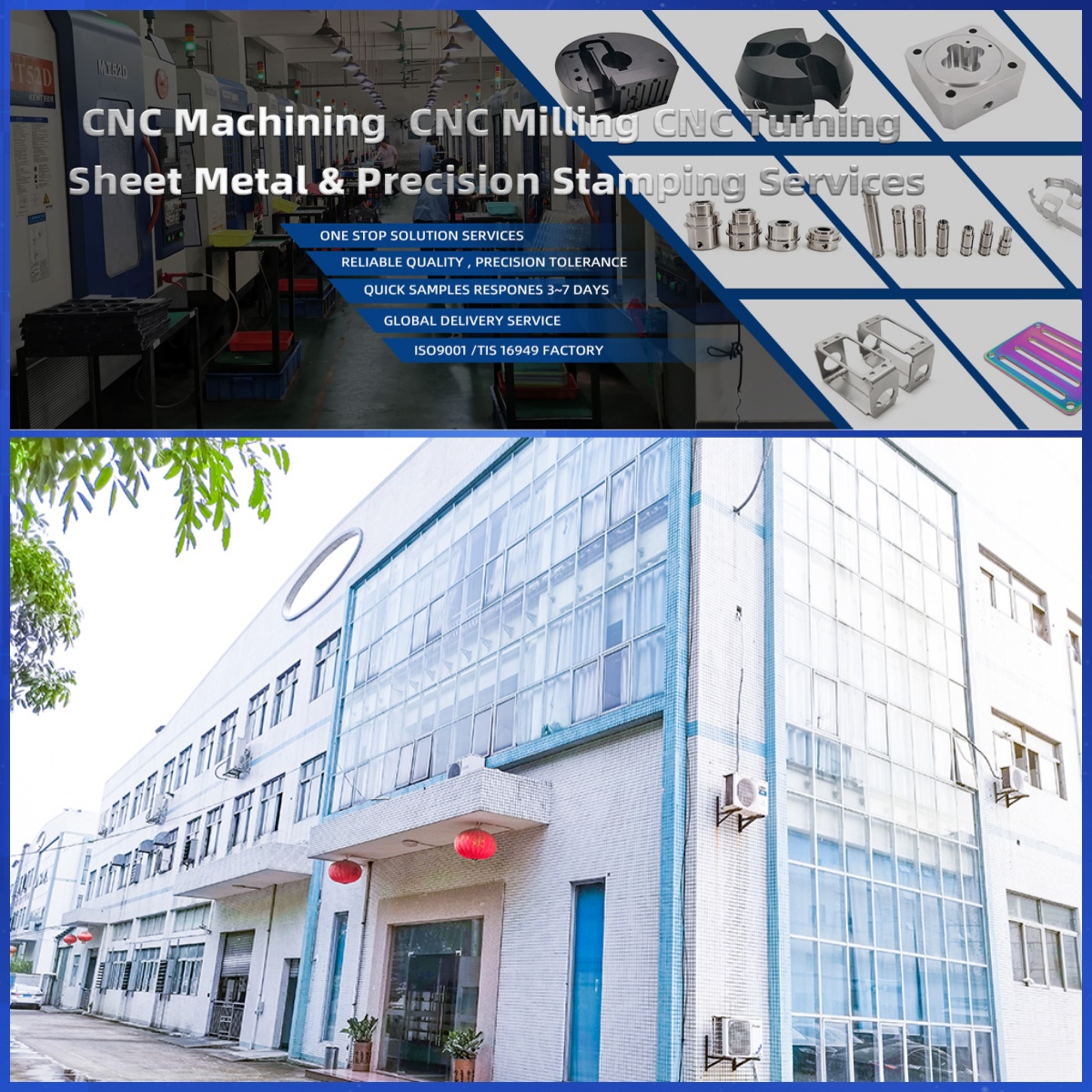
DongGuan YiTai Electronic Technologies Co.,Ltd
DongGuan YiTai Electronic Technologies Co.,Ltd is a manufacturing service provider located in Dongguan, China.
YiTai specialized in CNC turning machining and sheet metal fabrication mainly. As a member of Hung Mou Group, we focus on the overseas marketing development. And based on our parent company’s manufacturing capability and resources, YiTai also expended machining services such as die casting, injection molding, aluminum profile extrusion, 3D printing, which are committed to providing customers with one-stop purchasing services and experience.
CNC MACHINING , CNC MILLING , CNC TURNING , SHEETMETAL , FASTENER , OTHERS




Metal Processing Technology : Die Casting
In CNC machining, what are 3-axis, 4-axis, and 5-axis, and what are the differences between them?
Related Article