The Making and Practical Use of Stainless Steel Flanges
1. Introduction to Stainless Steel Flanges

Stainless steel flanges produced through metal processing are crucial components in many industries, such as submarine pipelines and transportation pipelines. These flanges offer high strength and corrosion resistance, making them suitable for various environments. In this blog, we will explore how stainless steel flanges are manufactured and how they are applied. We will also show why our company is a good choice for making these products.
If you want to learn more about the basics of flanges, you can read our earlier blogs: Flange Basic Introduction Part 1 and Flange Basic Introduction Part 2. These posts explain what flanges are and their general types.
2. What is a Stainless Steel Flange?
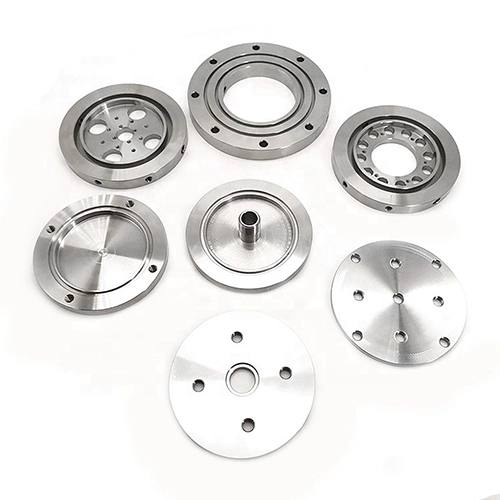
A stainless steel flange is a ring or collar component used to connect pipelines, offering easy assembly and disassembly while maintaining high structural stability after installation. Flanges come in various shapes and sizes and can be customized according to actual usage requirements.In our previous blog, Flange Basic Introduction Part 1, we described the main types of flanges.Stainless steel flanges have high corrosion resistance. They can handle high temperatures and pressures. They are also easy to clean. This makes them ideal for food, chemical, and marine industries. Another key point is their long service life. They do not need frequent replacement.
3. Manufacturing Process of Stainless Steel Flanges
The making of stainless steel flanges involves several steps. First, raw stainless steel is selected. The steel is then heated and shaped. This can be done by forging or casting. Forging makes the flange stronger. Casting is used for complex shapes.
Next, the flange is machined. This means cutting and drilling to get the right size and holes. Then, it is finished by polishing or coating. This improves its look and performance. Quality checks are done at each step. This ensures the flange meets standards.
Our company uses advanced machining techniques and modern equipment for precise work. This helps us make flanges that fit perfectly and last long.
-
Material Selection: We choose high-grade stainless steel.
-
Forming: The steel is shaped using heat and pressure.
-
Machining: We cut and drill with care.
-
Finishing: The surface is treated to prevent corrosion.
-
Testing: Each flange is checked for defects.
4. Practical Applications of Stainless Steel Flanges
Stainless steel flanges are used in many fields.

Chemical Industry: Stainless steel flanges are widely used in the chemical industry, including petroleum, natural gas, fertilizers, and chlor-alkali manufacturing. These industries rely on pipelines to transport media, and stainless steel flanges meet the requirements for high strength and corrosion resistance.
Food Industry: During food production, operations such as transportation, filtration, and mixing are frequently required. Stainless steel flanges comply with food safety standards, preventing food contamination caused by contact with corrosive substances.
Pharmaceutical Industry: Pharmaceutical processes demand corrosion resistance, high material purity, and cleanliness. Stainless steel flanges are essential components in the pharmaceutical industry.
Aerospace Industry: Stainless steel flanges can maintain sealing performance in high-temperature and high-pressure environments while withstanding high-intensity forces, making them widely applicable in the aerospace sector.
They are also used in industries such as shipbuilding and energy.
5. Advantages of Stainless Steel Flanges
-
Corrosion Resistance: Made from high-quality stainless steel materials, they can resist erosion from various chemical corrosive media, making them suitable for harsh working environments.
-
High Strength: Stainless steel flanges exhibit high tensile strength and yield point, providing excellent load-bearing capacity and stability to ensure the safe operation of pipeline systems.
-
Long Service Life: The use of premium materials and advanced manufacturing processes ensures an extended service life for stainless steel flanges, reducing maintenance costs.
-
Easy Installation: Stainless steel flanges offer diverse connection methods and are simple to operate, enabling quick installation and disassembly.
6. Our Company's Capabilities in Producing Stainless Steel Flanges
Our company has years of experience in making stainless steel flanges. We have a skilled team and modern machinery. We can produce custom flanges to meet your needs. Our process ensures high precision and quality control. We use the best materials to make flanges that are strong and reliable.
We offer a wide range of sizes and types. Whether you need flanges for small pipes or large systems, we can help. Our products are tested to meet international standards. We provide quick delivery and good customer service.
If you are looking for durable flanges, contact us. We can discuss your project and give you a quote.
7. Expert Insights on Stainless Steel Flanges
We asked an industry expert about stainless steel flanges. John Smith, a mechanical engineer with 20 years of experience, said: "Stainless steel flanges are essential for safe and efficient piping systems. Their corrosion resistance is key in industries like chemical processing. Proper manufacturing is crucial to avoid leaks and failures. Companies that invest in quality control, like yours, deliver better products."
This shows why choosing a reliable manufacturer matters. Our methods ensure that every flange performs well in real-world use.
8. Comparison Table of Flange Types
Here is a table comparing stainless steel flanges with other common types. This can help you decide which one to use.
| Parameter | Stainless Steel Flange | Carbon Steel Flange | PVC Flange |
|---|---|---|---|
| Corrosion Resistance | High | Moderate | High |
| Strength | High | High | Low |
| Temperature Range | -200°C to 800°C | -29°C to 425°C | 0°C to 60°C |
| Cost | Moderate | Low | Low |
| Lifespan | Long | Moderate | Short |
| Common Uses | Chemical, Food, Marine | General Industry, Oil | Water, Low-pressure Systems |
As you can see, stainless steel flanges offer a good balance of properties. They are strong and durable, making them suitable for many applications.
9. Frequently Asked Questions (FAQs)
Q1: What is the main use of a stainless steel flange?
A1: The main use is to connect pipes and equipment in systems that carry fluids or gases. They are common in industries like oil, chemical, and food processing.
Q2: How long does a stainless steel flange last?
A2: With proper use, it can last for many years. Stainless steel resists corrosion, so it does not wear out quickly.
Q3: Can I customize the size of a flange?
A3: Yes, our company can make flanges in custom sizes. We work with you to meet your specific requirements.
Q4: Are stainless steel flanges expensive?
A4: They cost more than some other types, but their long life and low maintenance make them a good investment.
Q5: How do I maintain a stainless steel flange?
A5: Clean it regularly with mild soap and water. Avoid harsh chemicals that might damage the surface. Check for leaks or damage during routine inspections.
Q6: Where can I learn more about flange basics?
A6: Read our previous blogs: Flange Basic Introduction Part 1 and Flange Basic Introduction Part 2. They cover the fundamentals in detail.
DongGuan YiTai Electronic Technologies Co.,Ltd
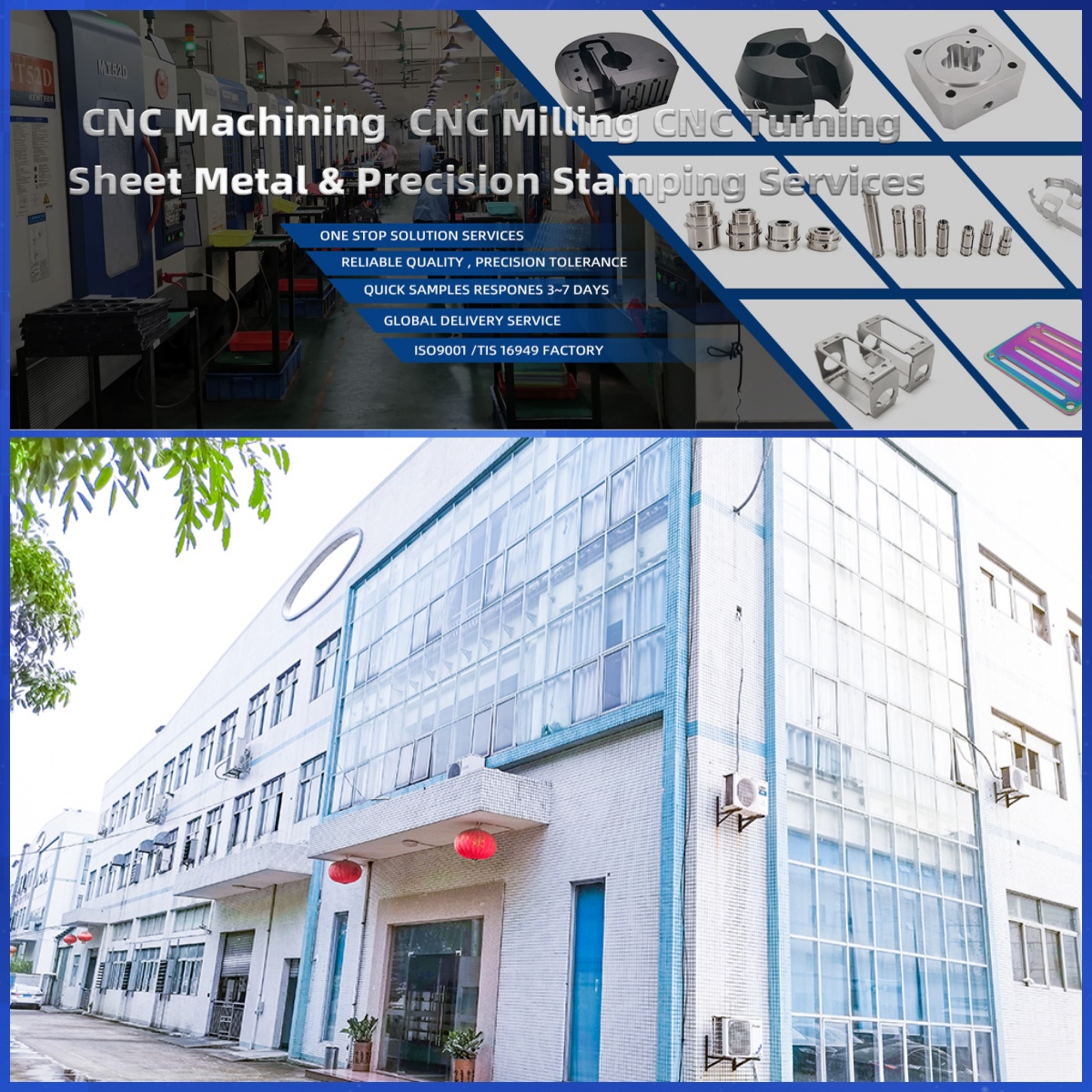
DongGuan YiTai Electronic Technologies Co.,Ltd is a manufacturing service provider located in Dongguan, China.
YiTai specialized in CNC turning machining and sheet metal fabrication mainly. As a member of Hung Mou Group, we focus on the overseas marketing development. And based on our parent company’s manufacturing capability and resources, YiTai also expended machining services such as die casting, injection molding, aluminum profile extrusion, 3D printing, which are committed to providing customers with one-stop purchasing services and experience.
CNC MACHINING , CNC MILLING , CNC TURNING , SHEETMETAL , FASTENER , OTHERS




Stainless Steel Sheet: Properties, Uses, Pros & Cons, and Our Production Advantages
Brass Precision Turned Components: A Complete Guide
Related Article