DGYITECH | Sheet Metal Parts

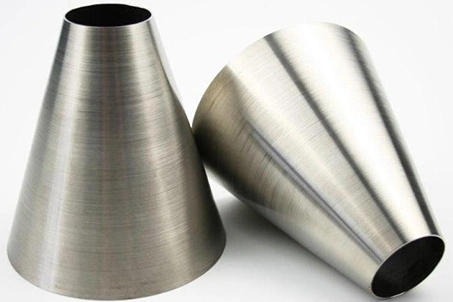
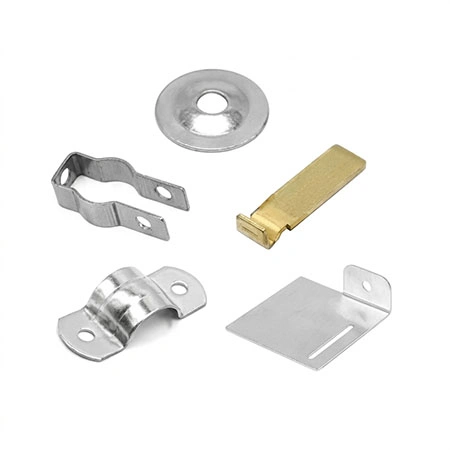
Sheet Metal Parts: The Backbone of Modern Manufacturing
Table of Contents
1. What are Sheet Metal Parts?
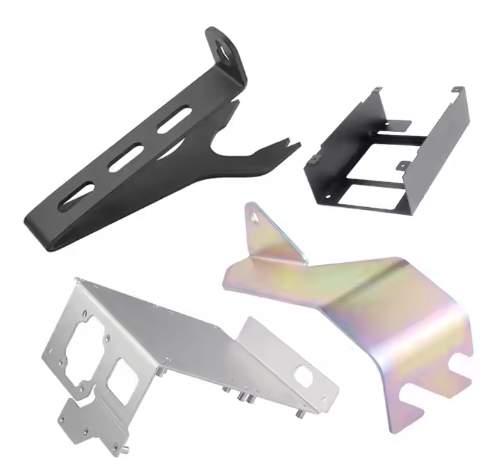
2. Key Characteristics of Sheet Metal Parts
Several inherent advantages make sheet metal a preferred manufacturing choice:
-
Thin and Lightweight: Typically fabricated from sheets ranging from 0.3mm to 10mm thick, these parts offer significant weight savings, simplifying mass production and transportation logistics.
-
High Precision: Modern techniques like laser cutting and CNC bending enable the production of parts with exceptional dimensional accuracy, meeting the stringent demands of precision assemblies.
-
Excellent Formability: Sheet metal materials possess inherent plasticity, allowing them to be formed into complex shapes without fracturing, enabling diverse and intricate designs.
-
Remarkable Strength: Despite their light weight, intelligently engineered and processed sheet metal parts deliver impressive structural integrity, making them suitable for demanding applications.
-
Process Flexibility: A wide array of fabrication techniques (cutting, forming, joining, finishing) can be combined to create virtually any required part geometry and functionality.
3. Common Sheet Metal Fabrication Processes

Transforming flat sheet into functional parts involves several key processes:
-
Cutting: Separating material to the desired shape.
-
Laser Cutting: Offers unmatched precision and smooth edges, ideal for complex contours.
-
Waterjet Cutting: Uses high-pressure water and abrasives; perfect for thick materials and materials sensitive to heat.
-
Shearing: Efficient for straight-line cuts.
-
Plasma Cutting: Effective for cutting thicker plates at high speeds.
-
-
Stamping: Shaping using dies and punches.
-
Punching: Creating holes or cutouts.
-
Drawing: Forming deep cavities or complex 3D shapes.
-
Bending (in die): Forming angles within a stamping die.
-
-
Bending (Press Brake): Precisely folding the sheet along a straight axis using a press brake, crucial for creating boxes, channels, and brackets.
(For deeper dives into bending mechanics like K-factor and bend allowance, see our blog: Sheet Metal Technology Knowledge: Mastering the Bend). -
Surface Treatment: Enhancing performance and appearance.
-
Spraying (Paint/Powder): Provides corrosion resistance, durability, and aesthetics.
-
Electroplating: Deposits a thin metal layer for enhanced corrosion resistance or conductivity.
-
Hot-Dip Galvanizing: Provides a robust zinc coating for superior rust prevention in harsh environments.
-
4. Essential Sheet Metal Materials
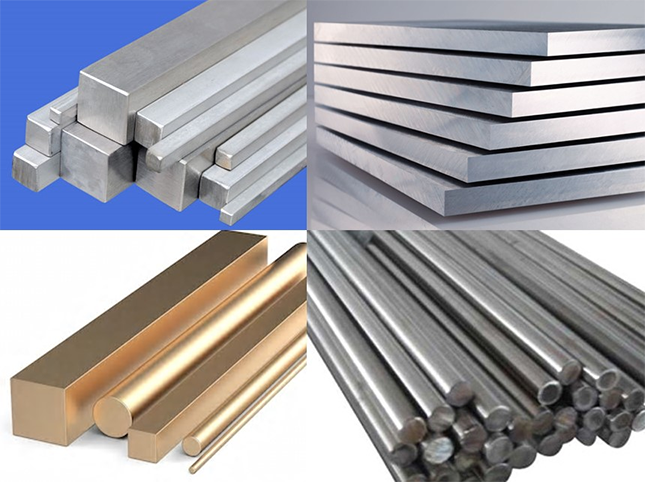
Material selection is critical and depends on application requirements:
-
Carbon Steel: The most economical and widely used; offers high strength and good formability; prevalent in automotive and appliance frames.
-
Stainless Steel: Prized for its exceptional corrosion resistance and aesthetic appeal; essential for food processing, medical devices, and marine applications.
-
Aluminum Alloy: Lightweight, corrosion-resistant, and offers good conductivity; dominant in aerospace, electronics enclosures, and heat sinks.
-
Copper Alloy: Primarily used for its superior electrical and thermal conductivity; key in electrical components and heat exchangers.
-
Galvanized Steel: Carbon steel coated with zinc (electrogalvanized or hot-dipped) for improved corrosion resistance; common in outdoor structures, HVAC ducting, and building panels.
5. Where Sheet Metal Parts Shine: Application Fields

Sheet metal parts are ubiquitous due to their versatility:
-
Automotive: Body panels, chassis components, engine hoods, doors, bumpers, brackets, exhaust systems.
-
Electronics: Equipment chassis, server racks, battery enclosures, shielding, heat sinks, device housings.
-
Home Appliances: Refrigerator shells, washing machine drums, oven cavities, air conditioner housings, internal brackets.
-
Construction: Structural supports, roofing, cladding, ductwork, window frames, elevator panels.
-
Aerospace: Aircraft skins, wing ribs, engine nacelles, cowlings, interior panels, brackets.
-
Machinery & Medical Equipment: Machine guards, frames, covers, control panels, medical cart bodies, instrument housings, surgical device components.
6. Designing for Success: Critical Considerations

Effective sheet metal design ensures manufacturability, performance, and cost-efficiency:
-
Material Selection: Choose based on strength, corrosion resistance, weight, conductivity, cost, and appearance requirements.
-
Process Feasibility (DFM): Design must accommodate manufacturing realities. Crucial factors include:
-
Bend Radius: Must be appropriate for the material thickness and type to avoid cracking.
-
Hole & Cutout Placement: Maintain minimum distances from edges and bends.
-
Tooling Limitations: Consider punch sizes, die clearances, and bend tooling capabilities.
-
-
Tolerances and Fits: Specify realistic tolerances for dimensions and geometric features to ensure parts assemble correctly.
-
Assembly Considerations: Design for ease of assembly – include alignment features, accessible fastener points, and clear mating surfaces.
-
Surface Finish: Select the appropriate finishing process early in design to meet functional (corrosion/wear resistance) and aesthetic goals.
7. Industry Expert Insights
-
Dr. Anya Sharma, Materials Engineer, TechFab Solutions: *"The rise of high-strength, lightweight alloys, particularly advanced aluminum and ultra-high-strength steels (UHSS), is revolutionizing sheet metal applications, especially in electric vehicles where weight savings directly translate to increased range. Concurrently, advancements in laser processing, including 3D laser cutting and hybrid laser welding, are pushing the boundaries of design complexity and joint integrity."*
-
Mark Johnson, Senior Manufacturing Lead, AeroDynamics Inc.: *"Precision and repeatability in sheet metal fabrication are non-negotiable in aerospace. Beyond selecting the right alloy (like 2024 or 7075 aluminum), rigorous attention to bend allowances, springback compensation, and surface finish control (often requiring specialized anodizing or chemical films) is paramount. Automated optical inspection (AOI) is increasingly critical for ensuring quality at volume."*
8. Sheet Metal Parts FAQ
-
Q1: What's the main difference between shearing, laser cutting, and waterjet cutting?
-
A: Shearing is fast and cheap for straight cuts but limited in shape. Laser cutting offers high precision and speed for complex 2D shapes in thin-to-medium materials but uses heat. Waterjet cutting is cold-cutting, ideal for thick materials, heat-sensitive materials, or composites, but is generally slower and has a wider kerf.
-
-
Q2: How do I choose between welding and riveting for sheet metal assembly?
-
A: Welding creates a permanent, seamless, and often stronger bond but can cause distortion and heat-affected zones (HAZ), and requires skilled labor. Riveting is a mechanical fastening suitable for dissimilar materials, provides vibration resistance, is often faster for automation, and allows for easier disassembly (though typically considered permanent). Choose welding for maximum strength and seamless appearance; choose riveting for speed, dissimilar materials, or where heat is a concern.
-
-
Q3: Is sheet metal strong enough for structural applications?
-
A: Absolutely. Through careful material selection (e.g., high-strength steel), intelligent design (using folds, ribs, corrugations for stiffness), and appropriate joining methods, sheet metal parts can provide exceptional strength-to-weight ratios, making them ideal for structural components in vehicles, aircraft, machinery, and buildings.
-
-
Q4: What are the most cost-effective sheet metal materials for prototyping vs. mass production?
-
A: For prototyping, aluminum (like 5052-H32) is often preferred due to its ease of forming, good strength, and relatively lower tooling costs for small runs. For high-volume production, mild steel (like CRS 1018) is typically the most cost-effective raw material, though tooling investment for stamping can be high. Galvanized steel adds corrosion resistance at a moderate cost increase.
-
-
Q5: Why is bend radius important in sheet metal design?
-
A: The bend radius (typically specified as a multiple of the material thickness, e.g., 1T, 2T) is crucial to prevent cracking or excessive thinning at the bend. Too small a radius stresses the material beyond its limits. The minimum feasible radius depends heavily on the material type, grade, thickness, and grain direction. Ignoring this leads to part failure.
-
9. Conclusion
Sheet metal parts are the unsung heroes of modern engineering. Their unique combination of lightweight construction, high strength potential, design flexibility, and cost-effective manufacturability ensures their continued dominance across a vast spectrum of industries. From the car you drive and the phone in your pocket to the buildings you work in and the planes flying overhead, sheet metal fabrication is an essential and dynamic manufacturing process. By understanding the core characteristics, processes, materials, applications, and design principles outlined here, engineers and designers can leverage the full potential of sheet metal to create innovative, reliable, and efficient products.
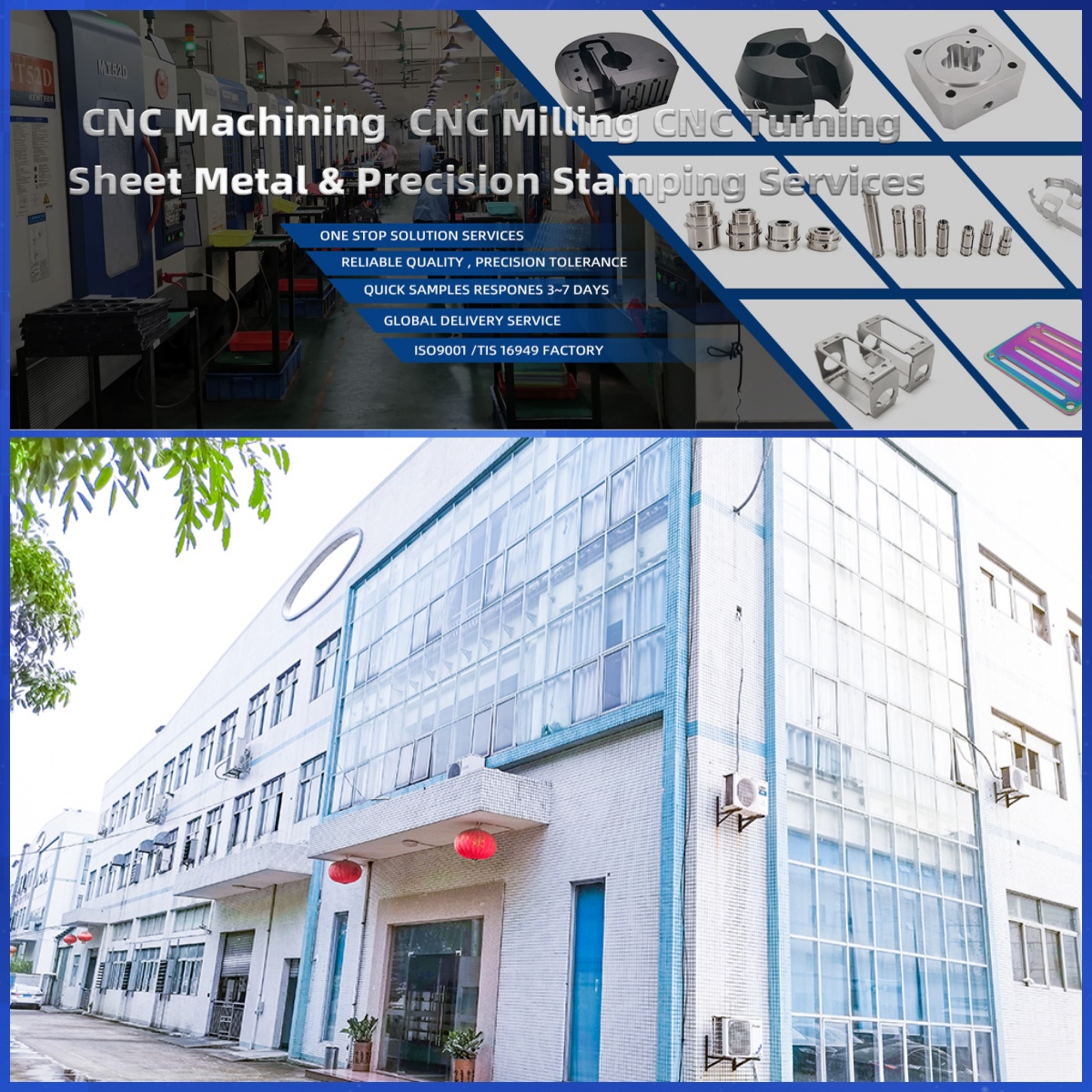
DongGuan YiTai Electronic Technologies Co.,Ltd
DongGuan YiTai Electronic Technologies Co.,Ltd is a manufacturing service provider located in Dongguan, China.
YiTai specialized in CNC turning machining and sheet metal fabrication mainly. As a member of Hung Mou Group, we focus on the overseas marketing development. And based on our parent company’s manufacturing capability and resources, YiTai also expended machining services such as die casting, injection molding, aluminum profile extrusion, 3D printing, which are committed to providing customers with one-stop purchasing services and experience.
CNC MACHINING , CNC MILLING , CNC TURNING , SHEETMETAL , FASTENER , OTHERS




In CNC machining, what are 3-axis, 4-axis, and 5-axis, and what are the differences between them?
DGYITECH | Main Applications of Aluminum Anodizing: Beyond Surface Deep
Related Article