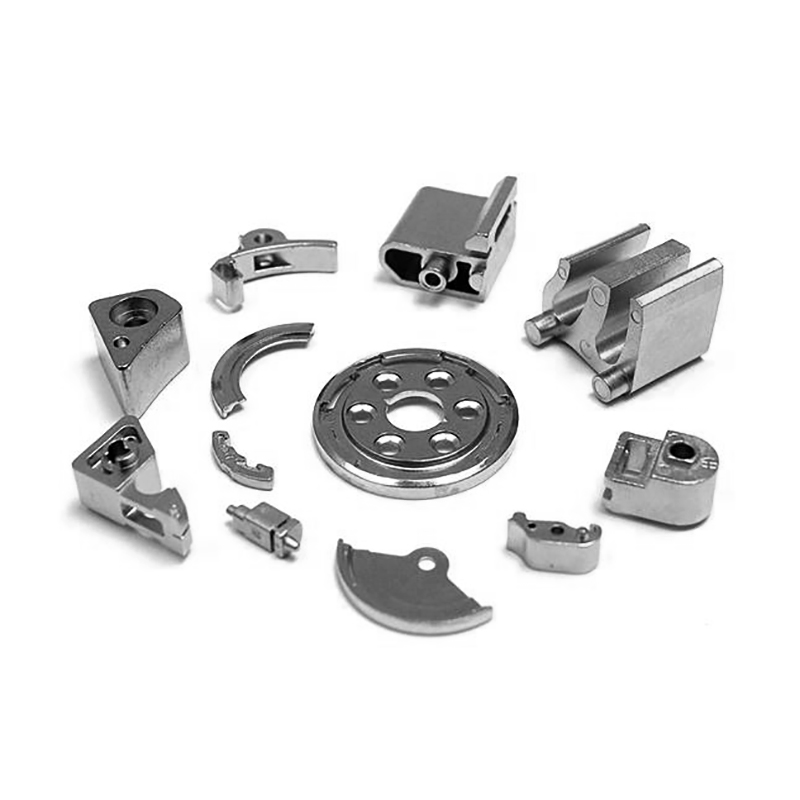
Sheet Metal Technology Knowledge
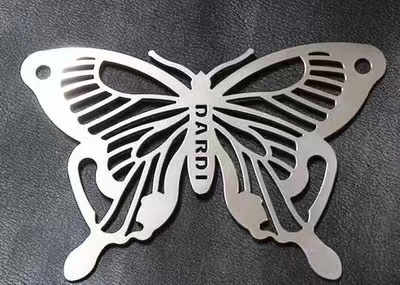
Sheet metal laser cutting is precise and fast, ideal for complex shapes in large quantities. It reduces waste and costs while boosting quality.
With the rapid development of modern manufacturing industry, the sheet metal processing industry has also developed and expanded. Now sheet metal has involved various fields, such as environmental, medical, machinery, finance, new energy, military, semiconductor, etc.There is a certain process flow for any sheet metal products. The sheet metal processing process and the selection of material will define the quality and lifespan of the products. Therefore, it is top priority on how to select correct material for the product.
Material selection
Sheet metal processing common materials are cold rolled steel sheet, hot rolled steel sheet, galvanized steel sheet, aluminum sheet, extruded aluminum, stainless steel sheet, etc. Different product function will require different material selection. Generally, product application and cost are to be taken into consideration. Refer to below for guideline:
- Cold rolled steel sheet: Mainly used for electroplated and painted product. Low cost, easy to form, thickness from 0.2 to 4mm
- Hot rolled steel sheet: Thickness ≥3.0mm, used for electroplated and painted product. Low cost but difficult to form, mainly use for flat part.
- Galvanized steel sheet: Mainly used in automobile manufacturing, refrigerated containers, construction industry, ventilation and heating facilities and furniture manufacturing, etc.
- Aluminum sheet: Generally, using surface treatment, such as chromating, anodizing, silver plating, nickel plating. High cost, suitable for household appliances and electronic product casings.
- Extruded aluminum: Materials with complex cross-sectional structures are widely used in various frames. The surface treatment is the same as that of aluminum sheet.
- Stainless steel sheet: Mainly use as any surface, high cost. Mainly use in daily life, food industry, etc.
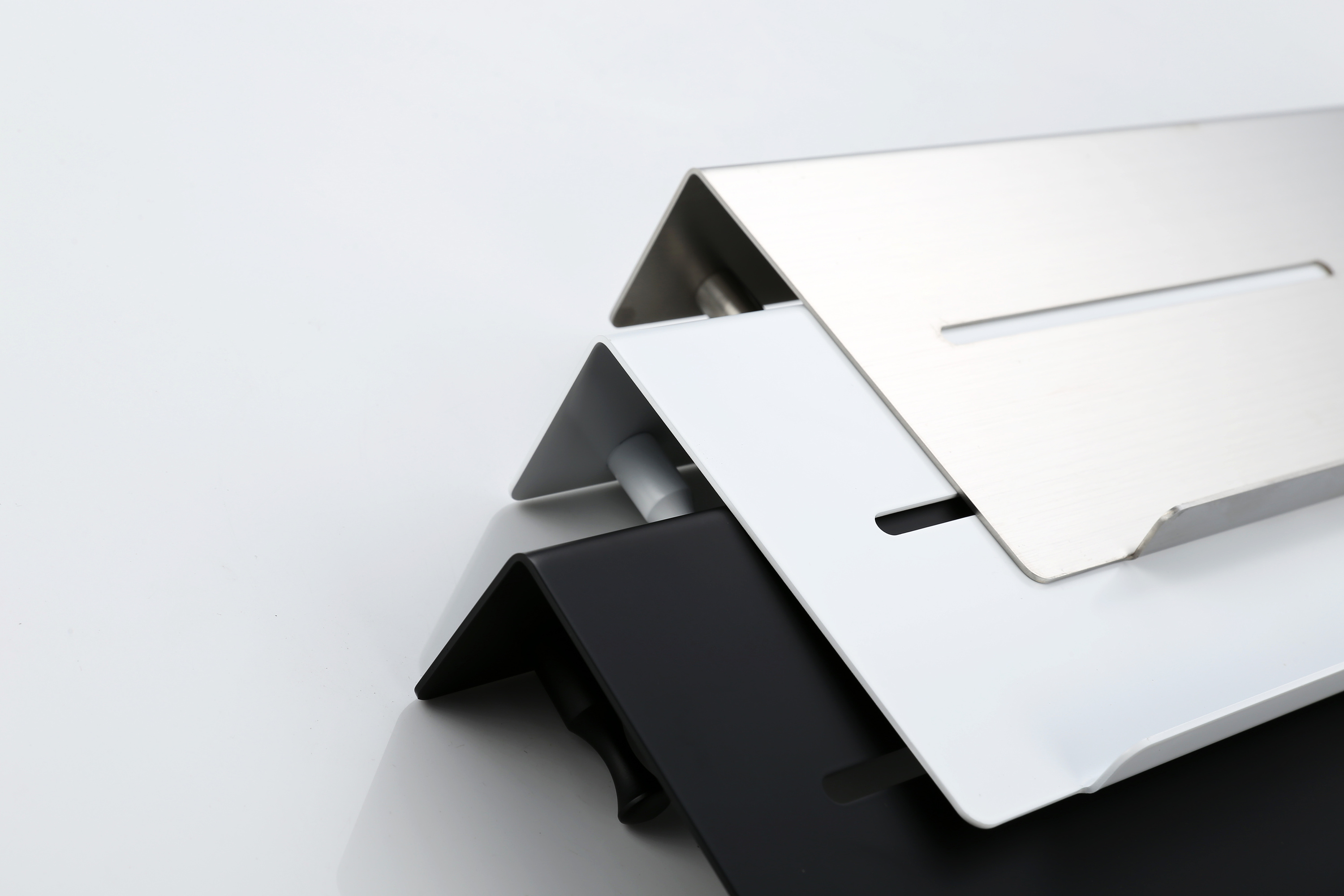
Sheet metal process flow
01 Blanking
Below are few methods of blanking
- Shearing: Shearing machine is used to cut out the shape of the blank. If the blank includes profiles, such as holes and etc., the part then transfers to stamping machine for cut out profiles.
- Stamping: Stamping machine is used to cut out the various profiles on blanking by single or multiple steps. The benefits are short cycle time, high efficiency, high accuracy, low cost, suitable for mass production.
- CNC punching: This requires the use of programming software to convert the blank size drawing into a program that is recognizable by the CNC machine. Step by step various profiles will be punched out on flat sheet based on the program.
- Laser cutting: Using laser cutting to cut various profiles and shapes on a big sheet. Same as CNC punching, it requires to programming. This can used to cut out various complex profiles on a flat sheet, but it requires high cost and the accuracy is more than 0.1mm.
- Sawing: Mainly used for cutting extruded aluminum, square tubes, round tubes, round bars, etc., low cost, low accuracy.
- Plasma cutting: Mainly for non-ferrous metals (stainless steel, aluminum, copper, titanium, nickel) which have better cutting result.
02 Hole extrusion
Extrude a bigger hole on a pre-hole, then tapping. Mainly used on thinner sheet. A flange will form around the hole but the material thickness remains, it can then be tapped.
03 Stamping
It is a mold using process. Generally, stamping process can form holes, extrude holes, form half shear, blanking, etc. Each processing requires corresponding molds, such as blanking mold, extrude mold, forming mold, etc.
04 Clinching
This process includes nuts, standoffs, captive screws, etc. fastened on sheet metal parts by hydraulic clinching machine or stamping machine using self-clinched or flare-mounted method. Take note on the clinching orientation.
05 Bending
Bend flat parts into desired radius or angle. This required bending machines and toolings. Bending sequences must be followed: Firstly, bend flanges that will not interfere with following bends, those will cause interference must be bend last.
06 Welding
This process use heating, high temperature or high pressure to join metals or any other thermoplastic materials.
Classification:
- Fusion welding: argon arc welding, submerged arc welding, gas welding;
- Pressure welding: applying heat and pressure, cold pressure
- Brazing: copper wire
- Welding method:
- CO₂ Gas-shielded metal arc welding
- Gas tungsten arc welding
- Spot welding
- Robotic welding
07 Surface treatment
There is phosphating, zinc plating, chromating, painting, anodizing, etc. Phosphating mainly used for cold rolled steel or electrogalvanized steel . Zinc plating mainly used for cold rolled steel. Chromating and anodizing mainly used for aluminum. However, the specific surface treatment is determined by customer requirements.
08 Assembly
Assembly is to assemble multiple accessories or electronic components together to make it a complete product. Protect the part from any damages during process.

Quality control elements of sheet metal processing products
1. Understand customer requirements. A comprehensive understanding on customer’s products is required whenever there is a new order or new product, including requirement on product appearance, dimensions, application, which must be signed and agreed by both parties.
2. Plan process flow base on product requirement and define all the important note in engineering drawings.
3. Engineering department will release engineering drawing (unfold drawing) base on customer drawing. Engineering drawing drawn must be checked by another engineer and passed by process review, which then signed and confirmed by PIC before release to Production.
4. The first piece of CNC punching must undergo full inspection, including, appearance, dimensions, etc. During Mass Production, first piece must passed inspection before continue production.
5. During bending process, first piece must passed the inspection on bending orientation and dimensions. Production can only be continued after inspection completed. Any changes on operator or tooling require inspection on the first piece again.
6. During clinching process, height of clinch studs need to be taken into consideration for tooling selection, followed by adjustment on machine pressure to ensure product surface are flushed. Only begin the process after confirmation to avoid any damages on the product.
7. For parts that have completed bending or welding process, sampling inspection is carried out. Verify all dimensions and appearance base on drawing. Any rejected part must be adjusted in a timely manner and an inspection report must be filled in.
8. Parts with surface treatment must undergo full inspection on appearance to ensure there is no scratches as surface treatment is an important factor to extend the product lifespan.
9. Products that fail to pass the inspection must not be shipped and must be inspected. If there are serious problems, they must be reprocessed.
In summary, the importance of the sheet metal process lies in its versatility, cost-effectiveness, and ability to meet diverse design and manufacturing needs across various industries. The efficiency, strength, and customization options offered by sheet metal processes make them integral to modern manufacturing. YiTai Company can provide you with such a good sheet metal processing service, contact us to get a good quote.
Aluminum CNC Machining Service
Sheet Metal Fabrication Future Trends and Innovations
Related Article