Ultimate Lightweighting: Designing Motor Mounts with Topology Optimization & CNC Hollows
Ultimate Lightweighting: Designing Motor Mounts with Topology Optimization & CNC Hollows
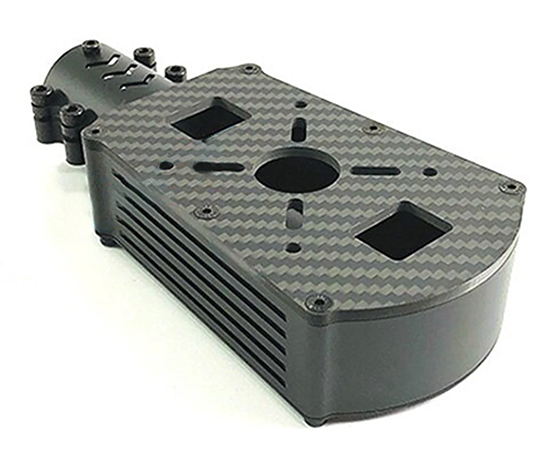
Motor mounts are critical parts. They hold powerful motors in place in drones, robots, and electric vehicles. They must be very strong and stiff. But they also must be as light as possible. This guide explains how we use advanced design and CNC machining to create motor mounts that are both strong and lightweight.
1. Every Gram Counts: The Nonlinear Impact on Performance
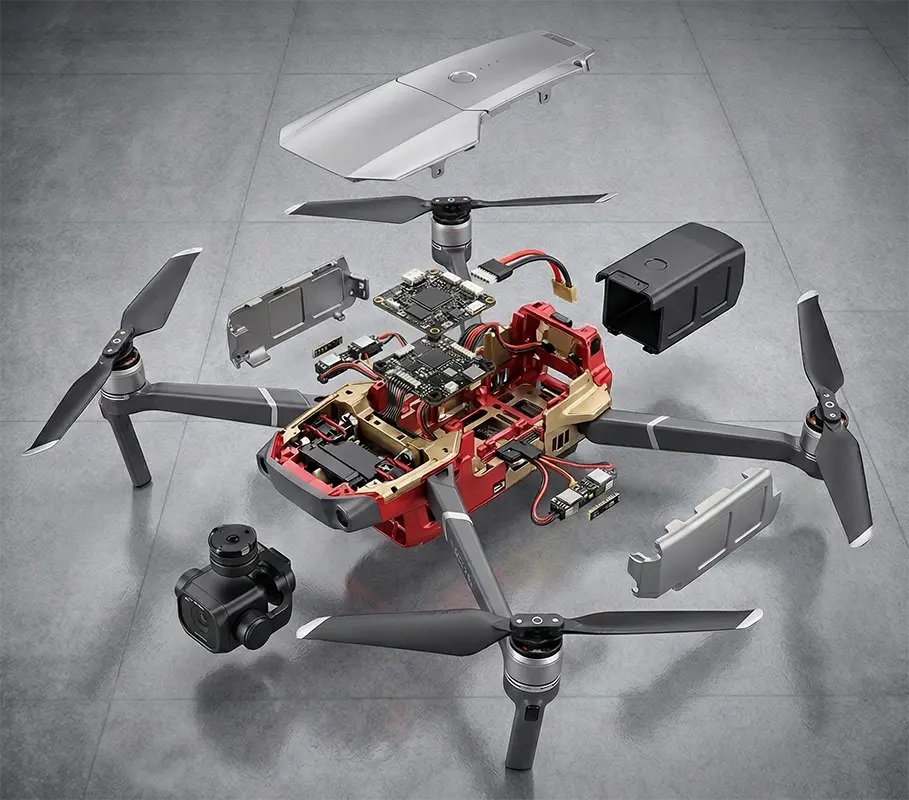
Reducing weight is not just a small improvement. It has a big, nonlinear impact on performance. For a drone or aircraft, less weight means longer flight time. But the benefit is not simple. Saving 10 grams from a structural part can allow a smaller battery or motor. This saves more weight. The effect multiplies. Also, less weight means less inertia. This allows for quicker acceleration, sharper turns, and less energy use. Every gram removed from a moving part has double the benefit.
2. CNC Pocketing (Pocketing) the Art
CNC milling machines are perfect for removing unnecessary material. This process is called pocketing.
2.1 Removing Material in Non-Critical Areas
The first step is finding areas with low stress. Engineers use simulation software to see where forces flow through the part. The areas with little or no force are "dead weight." The CNC machine can hollow out these areas, leaving pockets. This removes a lot of mass but keeps the part's outer shape and connection points intact.
2.2 Keeping Ribs for Torsional Stiffness
You cannot hollow out everything. The part must resist twisting forces (torsion). The solution is to leave strategically placed reinforcing ribs. These are thin walls of material that connect critical points. They act like the spokes of a bicycle wheel, creating a lightweight, rigid structure. The art is placing the fewest, smallest ribs needed for maximum stiffness.
Comparison Table: Traditional vs. Lightweighted Design
| Aspect | Traditional Solid Design | Lightweighted (Pocketed + Ribbed) Design |
|---|---|---|
| Weight | 100% (Baseline) | Can be 40-60% of original weight |
| Material Use | High, more cost for raw material | Low, less waste, lower material cost |
| Stiffness-to-Weight Ratio | Standard | Very High |
| Machining Time | Often less (simple shape) | Can be more (complex toolpaths) |
| Thermal Management | Solid block, can trap heat | Air pockets can allow for better cooling |
3. Topology Optimization (Generative Design) in CNC Machining
Topology optimization (or generative design) is a powerful tool. The software is given design goals: where forces are applied, where parts connect, and how much weight to save. The software then calculates the most efficient material layout.
3.1 Machining Those "Alien" Organic Shapes
The results often look like organic, bone-like structures. These shapes seem complex. But with modern 5-axis CNC machining, they are possible to make.
-
How it's done: The CAD model from the software guides the CNC tool. The machine uses small, precise tools to follow these complex curves and surfaces.
-
The benefit: This method often finds the lightest possible design that human engineers might not think of. It places material exactly where it is needed for strength and removes it everywhere else.
4. Yitai Electronics' Thin-Wall Machining Capability: The 0.5mm Wall Challenge
Creating ultra-lightweight parts means machining very thin walls and ribs. This is a major technical challenge.
Machining a 0.5mm thick wall from aluminum requires extreme precision. The cutting force can easily bend or break the wall. It can also cause vibration, leading to a poor surface finish. Our approach involves:
-
Specialized Tooling: Using very sharp, specially designed end mills.
-
Optimized Feeds and Speeds: A precise recipe for cutter rotation and movement to minimize force.
-
Multi-Stage Machining: Leaving the thin walls a little thick during initial roughing. Then, taking a final, very light finishing cut to achieve the final thin dimension without stress.
5. Expert Insight
A senior design engineer at Yitai shared this: "The biggest mistake is starting with a solid block and just asking us to 'make it lighter.' The best process is collaborative. Start early with simulation and topology optimization. This tells us where material is vital. Then, we combine that optimized shape with our knowledge of CNC pocketing strategies. This way, the design is lightweight and practical to manufacture from the beginning."
6. Frequently Asked Questions (FAQ)
Q1: Does lightweighting make the part weaker?
No, if done correctly. The goal is to remove material that does not carry load. The remaining material in critical areas is just as strong. The result is a part with a much better strength-to-weight ratio.
Q2: What materials are best for lightweight motor mounts?
Aluminum 6061-T6 is very common. It is strong, lightweight, and machines well. Aluminum 7075-T6 is stronger and used for high-performance applications. Titanium (Ti-6Al-4V) offers the best strength-to-weight ratio but is more expensive and harder to machine.
Q3: Is generative design more expensive?
The design phase may have more cost due to simulation work. However, it often leads to big savings in material cost and can improve performance. For critical parts, the performance gain is worth the investment.
Q4: Can you use these methods on other parts?
Yes. These principles are excellent for any part where weight and strength are key: brackets, enclosures, frames, and robotic arms.
Q5: How thin of a wall can you realistically machine?
For aluminum, we reliably produce walls and ribs down to 0.5mm for moderate-sized parts. For smaller features or different materials, the limit changes. It is best to consult with our engineers early in your design.
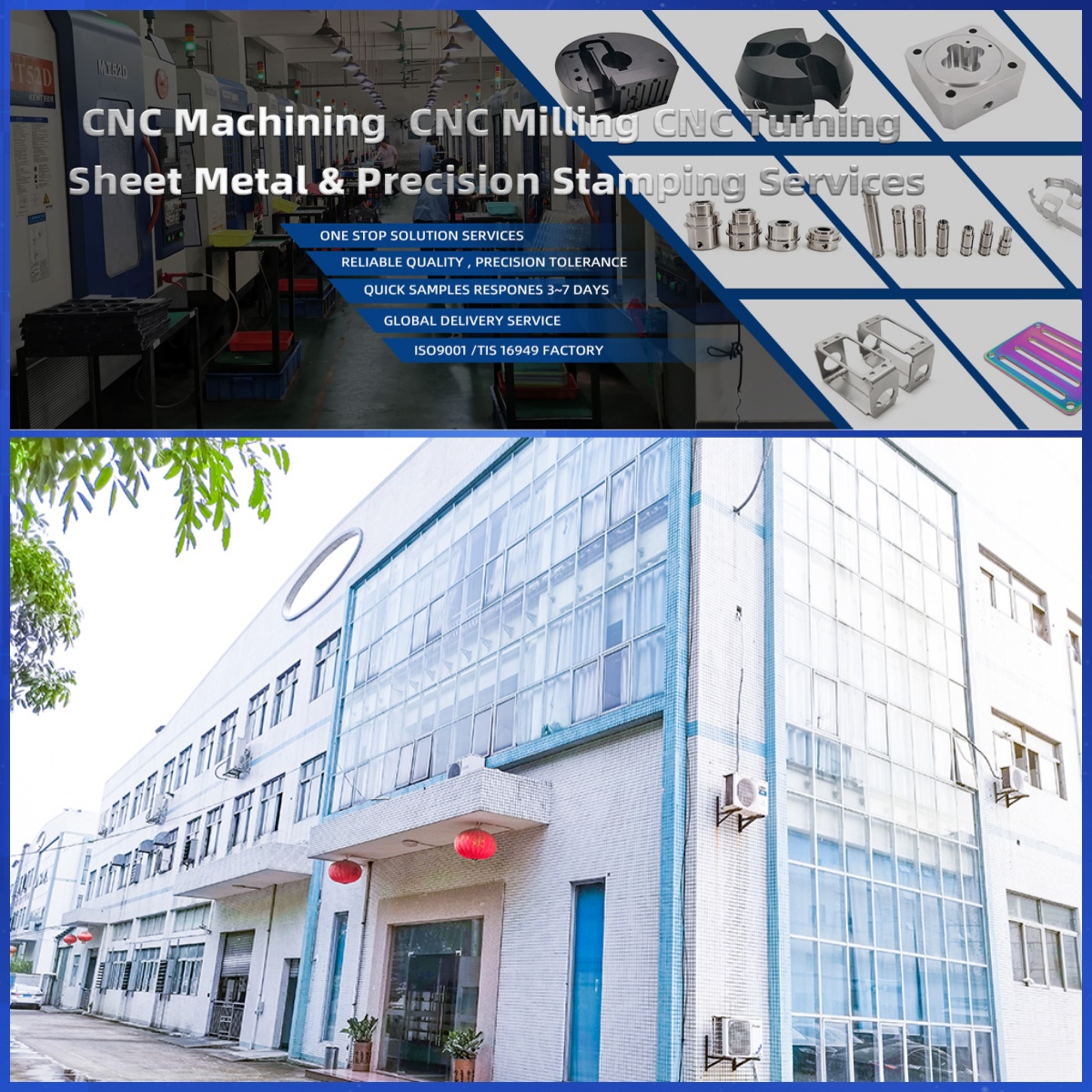
DongGuan YiTai Electronic Technologies Co.,Ltd
DongGuan YiTai Electronic Technologies Co.,Ltd is a manufacturing service provider located in Dongguan, China.
YiTai specialized in CNC turning machining and sheet metal fabrication mainly. As a member of Hung Mou Group, we focus on the overseas marketing development. And based on our parent company’s manufacturing capability and resources, YiTai also expended machining services such as die casting, injection molding, aluminum profile extrusion, 3D printing, which are committed to providing customers with one-stop purchasing services and experience.
CNC MACHINING , CNC MILLING , CNC TURNING , SHEETMETAL , FASTENER , OTHERS




Straight vs. Diamond Knurling: How to Choose for Precision Pins
Beyond Microns: Choosing High Precision CNC Solutions for Complex Projects
Related Article