Aluminum 6061 vs 7075: Which is Best for Precision Electronic Parts?

Choosing the right aluminum alloy is very important for precision electronic parts and housings. Two common choices are Aluminum 6061 and Aluminum 7075. This article will compare these two alloys. We will look at their properties, uses, and costs. Our goal is to help you make the best choice for your electronic project.
1. Aluminum 6061-T6: The Universal Choice
This alloy is one of the most popular aluminum alloys. It is known for being very versatile and easy to use.
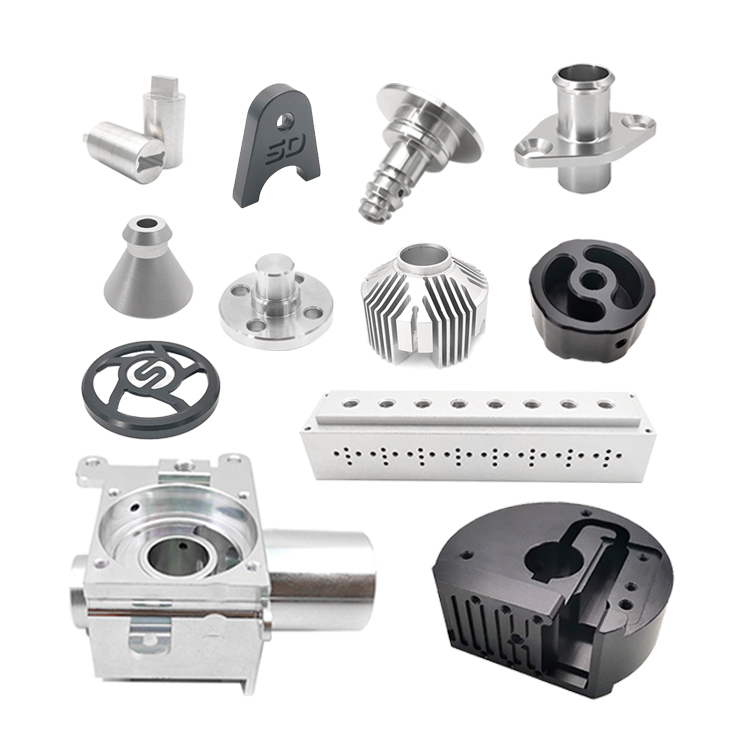
Performance Characteristics: Corrosion Resistance and Weldability
Aluminum 6061-T6 has good overall strength. But its key advantages are in other areas. First, it has excellent corrosion resistance. This is important for electronic housings that might face moisture or varying environments. Second, it has very good weldability. This allows for easy joining and repair of parts. It also machines well and has good toughness.
Typical Application Scenarios
Because of its balanced properties, 6061 is used widely. For electronics, it is often chosen for:
-
Consumer device enclosures (like routers, small servers).
-
Heat sinks and chassis where good thermal conductivity is needed.
-
Frames and brackets inside electronic equipment.
-
Prototype parts because it is easier and cheaper to machine.
2. Aluminum 7075-T6: The High-Strength Choice
This alloy is different. It is designed for one main purpose: to be very strong.

Performance Characteristics: Strength Rivaling Steel and Fatigue Resistance
Aluminum 7075-T6 is famous for its very high strength. Its strength can be compared to many types of steel. This makes it the strongest common aluminum alloy. It also has excellent fatigue resistance. This means it can handle repeated stress very well without failing. But, it has lower corrosion resistance than 6061. Often, parts need a protective coating.
Typical Application Scenarios
7075 is used when strength is the most important factor. In precision electronics, this includes:
-
Aerospace and defense electronic housings that must withstand high stress.
-
High-performance robotics and drone frames carrying sensitive electronics.
-
Critical mounting plates for optical or sensor systems that cannot bend.
-
Parts in portable equipment that need to be very light but also very strong.
3. Machining Performance and Anodizing Effect Comparison
Both alloys can be machined into precise parts. But there are differences.
-
Machinability: Aluminum 6061 is generally easier to machine. It produces smooth finishes and allows for higher machining speeds. Aluminum 7075 is also machinable but is harder on cutting tools. This is because of its high strength. Machining 7075 often requires more power and slower speeds.
-
Anodizing Effect: Anodizing adds a protective and decorative layer. 6061 anodizes very well. It typically gives a uniform, high-quality surface that is good for coloring. 7075 can be more challenging to anodize. The result may be less even in color, especially for bright decorative finishes. For purely protective anodizing, both work, but 6061 is more predictable.
4. Cost Analysis: Price Difference Due to Machining Difficulty
Cost is a key factor in material selection.
-
Material Cost: 7075-T6 is generally more expensive per kilogram than 6061-T6.
-
Processing Cost: Machining 7075 is more costly. It takes more time. It uses more tool wear. This adds to the total cost.
-
Total Cost: For a precision electronic housing, using 7075 can cost significantly more than using 6061. You should choose 7075 only when its strength is absolutely necessary for the project.
*Comparison Table: Aluminum 6061-T6 vs. 7075-T6*
| Property | Aluminum 6061-T6 | Aluminum 7075-T6 |
|---|---|---|
| Tensile Strength | Moderate (>= 290 MPa) | Very High (>= 570 MPa) |
| Corrosion Resistance | Excellent | Good (often needs coating) |
| Weldability | Excellent | Poor |
| Machinability | Very Good | Good (but harder on tools) |
| Anodizing Quality | Excellent & Uniform | Good (can be less uniform) |
| Typical Cost | Lower | Higher |
| Best For | General-purpose housings, prototypes, welded parts | High-stress, high-performance applications |
5. YITECH's Suggestion: Choosing Based on Project Needs
So, how do you choose? Experts at Yitai Electronics, a manufacturer of precision parts, give this advice:
"Look at your project's real needs. Do you need the absolute highest strength and don't mind the higher cost and harder processing? Then choose 7075. But for most electronic housings, the balance of properties in 6061 is the better choice. It is easier to work with, has better corrosion resistance, and costs less. Always match the material to the actual stress and environment the part will face."
Think about these questions:
-
Will the part face high impact or constant heavy load?
-
Is the operating environment corrosive?
-
Does the design need welding?
-
What is the budget for the part?
Your answers will guide you to the right material.
6. Frequently Asked Questions (FAQ)
Q1: Can 7075 aluminum be used for outdoor electronic enclosures?
Yes, but you must be careful. 7075 has lower natural corrosion resistance than 6061. For outdoor use, a protective anodizing or paint coating is very important to prevent corrosion.
Q2: Which alloy is better for heat dissipation in electronics?
Both alloys have similar and good thermal conductivity. For most heatsink applications, 6061 is the preferred choice. It is easier to machine into complex fin designs and costs less.
Q3: Is 7075 always stronger than 6061 in every way?
Mostly yes, in terms of pure strength (like yield and tensile strength). But 6061 can sometimes be more "tough" (resistant to fracture) in certain conditions. Also, 6061 has better corrosion resistance and weldability, which are also important "properties."
Q4: For a lightweight but strong drone frame holding electronics, which is better?
This is a typical case for 7075. The high strength-to-weight ratio of 7075 allows the frame to be very strong and stiff without adding weight, which is critical for drone performance.
Q5: Can you tell 6061 and 7075 apart by looking at them?
No, not easily. They look very similar. Manufacturers usually rely on material certificates or simple chemical test kits to be sure.
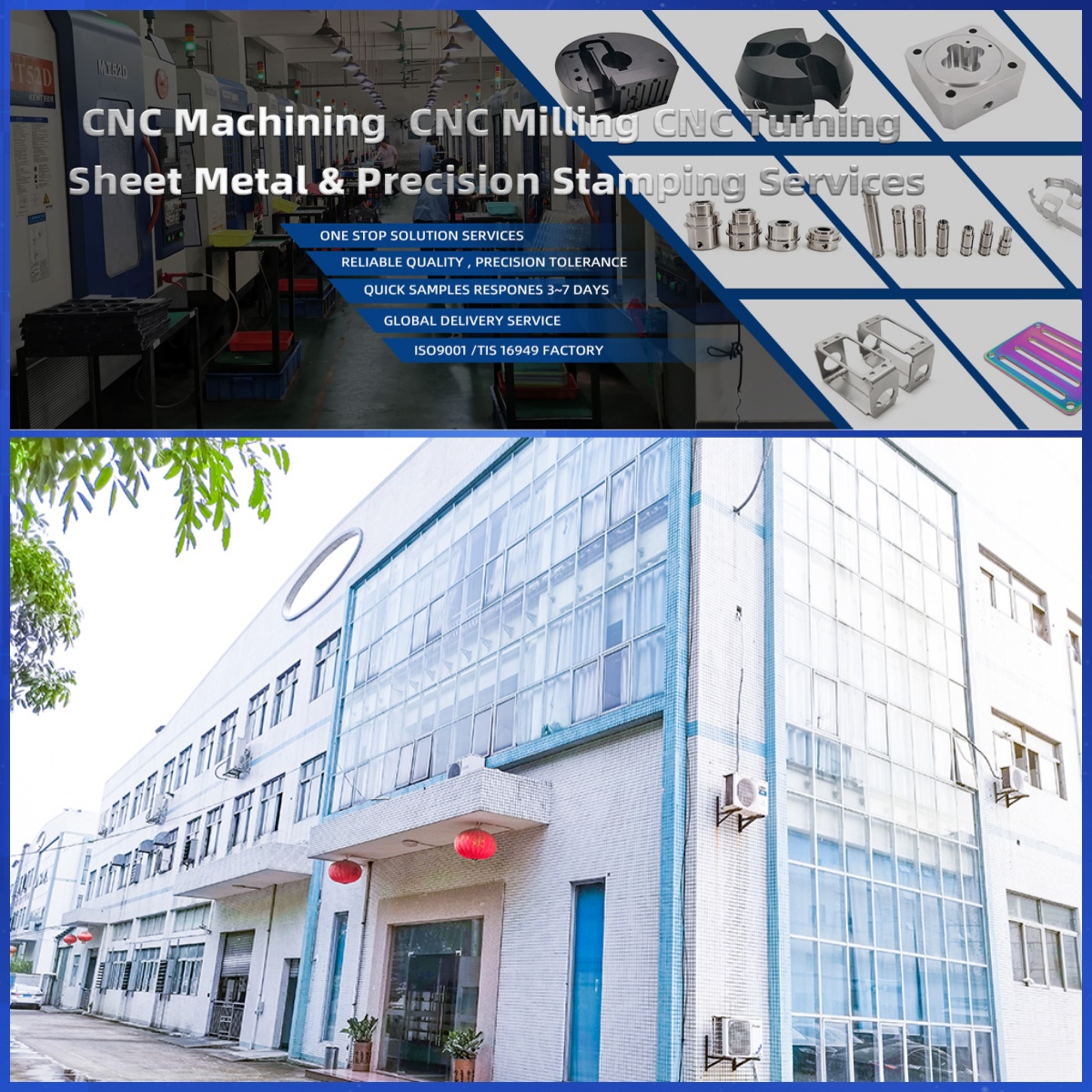
DongGuan YiTai Electronic Technologies Co.,Ltd
DongGuan YiTai Electronic Technologies Co.,Ltd is a manufacturing service provider located in Dongguan, China.
YiTai specialized in CNC turning machining and sheet metal fabrication mainly. As a member of Hung Mou Group, we focus on the overseas marketing development. And based on our parent company’s manufacturing capability and resources, YiTai also expended machining services such as die casting, injection molding, aluminum profile extrusion, 3D printing, which are committed to providing customers with one-stop purchasing services and experience.
CNC MACHINING , CNC MILLING , CNC TURNING , SHEETMETAL , FASTENER , OTHERS




The Rise of Humanoid Robots: How Precision CNC Machining Solves Joint Module Manufacturing Challenges
Maximizing ROI: 10 DFM Tips to Lower CNC Machining Costs
Related Article