Laser Marking in the Hardware Industry: A Guide to Permanent, High-Quality Traceability and Branding

Introduction
In the world of manufacturing, permanent marking is not just a requirement; it's a critical component of quality control, brand identity, and supply chain management. For the hardware industry, which encompasses a vast range of metal products from precision screws to robust tools, traditional marking methods often fall short. Enter laser marking – a technology that has revolutionized how we imprint information onto metal surfaces. This blog delves into the intricacies of laser marking, exploring why it has become the gold standard for the hardware sector.
Table of Contents
1. What is Laser Marking?
Laser marking is a non-contact, non-abrasive process that uses a highly focused beam of light to alter the surface of a material. Unlike engraving which removes material to create a deep groove, marking primarily changes the surface's properties or color.
The Core Technology
A laser marking system consists of a laser resonator, high-speed galvanometer scanners (galvo motors), and an F-theta lens. The computer-controlled galvo motors steer the laser beam across the material surface with incredible speed and precision, tracing out patterns, text, or codes.
How It Works on Metals
When the laser beam interacts with a metal surface, several reactions can occur, depending on the material and laser settings:
-
Annealing: Heats the metal surface, causing oxidation under the surface that turns it black, blue, or other colors without disrupting the material integrity. Ideal for stainless steel and titanium.
-
Coloration: Precisely controlled heat creates a thin oxide layer, producing colors like gold, green, or red through light interference.
-
Engraving: Vaporizes the material to create a visible, tactile cavity. This is a subset of laser marking often used for deep, durable marks.
-
Ablation: Selectively removes a top-layer coating (e.g., paint, anodization) to reveal the base metal underneath, creating a high-contrast mark.
2. Why Laser Marking is Dominating the Hardware Industry
The shift from traditional methods like dot peen, inkjet printing, or screen printing to laser technology is driven by undeniable advantages:
-
Unmatched Permanence: Laser marks are resistant to friction, heat, and corrosion, ensuring vital information like serial numbers remains legible for the product's entire lifecycle.
-
Superior Precision & Quality: Achieves incredibly high-resolution marks, including micro-text and intricate 2D Data Matrix codes, essential for miniaturized components.
-
Non-Contact Process: The laser beam doesn't physically touch the part, eliminating mechanical stress and tool wear, which is crucial for delicate or finished components.
-
Extreme Versatility: The same machine can mark a tiny medical screw and a large tool holder simply by changing the digital design file, enabling high-mix, low-volume production.
-
Environmentally Friendly: It's a clean technology that produces no waste, requiring no inks, solvents, or other consumables, aligning with modern sustainable manufacturing goals.
3. Key Applications: Beyond Simple Serial Numbers
Laser marking's applications in hardware are vast and critical for modern manufacturing:
-
Part Traceability: Unique device identification (UDI) and QR codes allow for tracking throughout the entire supply chain, from production to end-user, facilitating recalls and combating counterfeiting.
-
Branding & Aesthetics: Logos and brand names are marked with a premium, permanent finish that enhances brand perception. This is especially valuable for hand tools and consumer products.
-
Technical Information: Marking grade, material type, size, and manufacturing date directly onto the part provides essential information for assemblers and end-users.
-
Decoration: Creating intricate designs, patterns, or personalized text on items like knives, flashlights, and promotional products.
Referral Note: The quality of your laser mark can be significantly impacted by the initial surface finish of the part. A uniform surface from processes like CNC turning or milling ensures consistent laser absorption and a pristine, high-contrast mark. For a deeper dive into achieving the perfect base surface, check out our previous article on CNC turning and surface finish.
4. The Laser Marking Process: From File to Finished Part
-
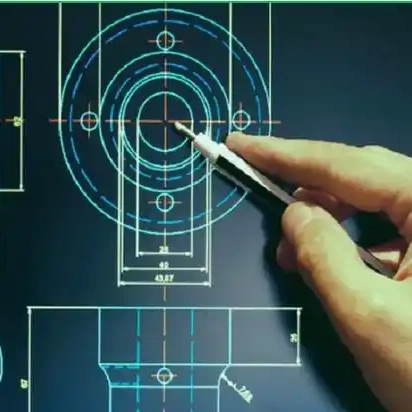
Design: Create the artwork (vector file) in software like CorelDRAW or AutoCAD.
-
Setup: Import the file into the laser marker's software. Position the part under the laser using a red pointer for guidance.
-
Parameter Selection: This is the critical step. An operator selects the correct parameters (power, speed, frequency, pulse width) based on the material type and desired effect (e.g., anneal, engrave).
-
Marking: Initiate the cycle. The galvo scanners move the laser beam at high speeds, completing the mark in seconds.
-
Completion: The part is removed, usually requiring no post-processing and ready for immediate use or packaging.
5. Choosing the Right Laser Marker for Your Metal Parts
Selecting the correct laser is paramount for achieving optimal results.
| Laser Type | Wavelength | Best For | Key Advantage |
|---|---|---|---|
| Fiber Laser | 1064 nm | Most metals (Stainless steel, aluminum, titanium, tool steels) | Robust, efficient, and cost-effective. The workhorse of metal marking. |
| MOPA Fiber Laser | 1064 nm | Stainless steel, aluminum (for color marking) | Adjustable pulse width allows for precive color marking without dyes. |
| UV Laser | 355 nm | Plastics, glass, sensitive coatings | "Cold" mark minimizes heat input, excellent for high-resolution marks on delicate parts. |
Key Decision Factors: Material, desired mark type (engrave, anneal, color), production speed, and integration needs (e.g., into an automated CNC cell).
6. Expert Insight: The Future of Part Identification
Dr. Emily Shao, Director of Advanced Manufacturing at PrecisionLase Tech, shares her perspective:
"We are moving beyond simple alphanumeric codes. The future lies in intelligent marking—where a microscopic Data Matrix code on a cutting tool insert not only holds its serial number but also links to a digital twin that logs its entire operational history: hours used, cutting forces endured, and maintenance cycles. This level of data, made accessible by robust laser marking, is the cornerstone of Industry 4.0 and predictive maintenance. The integration of vision systems for automated reading and verification directly on the production line will become standard, closing the loop on quality control."
7. Frequently Asked Questions (FAQ)
Q1: Can laser marking be removed?
A: In most cases, no. Since the mark is often a permanent alteration of the surface oxide layer or a micro-engraving, it is considered indelible. It can only be removed by grinding away the marked surface layer, which is usually obvious and destructive.
Q2: What colors can I achieve on stainless steel?
A: By carefully controlling the laser parameters (especially with a MOPA laser), you can achieve a spectrum of colors. The most common is a dark black/charcoal gray (annealing). You can also achieve gold, bronze, and even blues and reds on some alloys under specific settings.
Q3: Is laser marking fast enough for high-volume production lines?
A: Absolutely. Laser marking is an extremely fast process, often taking only a few seconds per part. It can be easily integrated into automated conveyor systems for continuous, high-throughput production.
Q4: How does laser marking affect the corrosion resistance of stainless steel?
A: The annealing process actually creates a protective oxide layer, similar to the passive layer that gives stainless steel its corrosion resistance. Therefore, when done correctly, it does not compromise and may even enhance the corrosion resistance in the marked area.
Q5: Do I need special training to operate a laser marker?
A: Basic operation is relatively simple, often involving loading a file and pressing start. However, optimizing parameters for different materials and achieving specific effects like color marking requires experience and deep technical knowledge. Safety training on operating Class 4 laser systems is mandatory.
8. Conclusion
Laser marking has unequivocally established itself as the superior technology for permanent part identification in the hardware industry. It offers an unparalleled combination of speed, permanence, flexibility, and cleanliness. As products become smarter and traceability more critical, investing in laser marking technology is not just an operational improvement—it's a strategic decision that future-proofs your manufacturing processes, enhances your brand, and provides the data backbone for the smart factories of tomorrow.
DongGuan YiTai Electronic Technologies Co.,Ltd
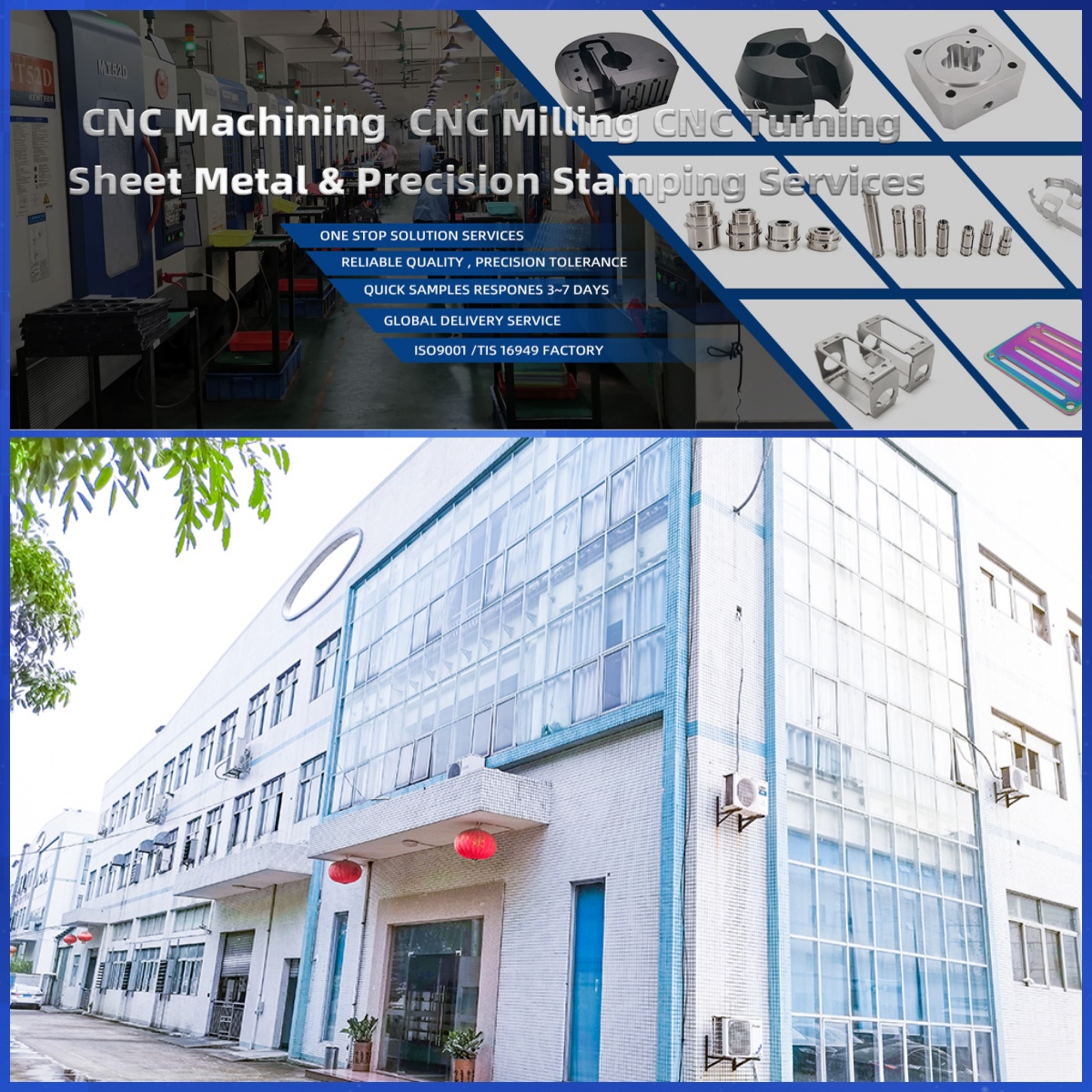
DongGuan YiTai Electronic Technologies Co.,Ltd is a manufacturing service provider located in Dongguan, China.
YiTai specialized in CNC turning machining and sheet metal fabrication mainly. As a member of Hung Mou Group, we focus on the overseas marketing development. And based on our parent company’s manufacturing capability and resources, YiTai also expended machining services such as die casting, injection molding, aluminum profile extrusion, 3D printing, which are committed to providing customers with one-stop purchasing services and experience.
CNC MACHINING , CNC MILLING , CNC TURNING , SHEETMETAL , FASTENER , OTHERS



What is Gold Electroplate? A Complete Guide
Mastering the Art of CNC Drilling: A Comprehensive Guide
Related Article