Two surface treatment--Blackening&Electrophoresis
author: YITECH
2024-12-09

Our surface treatment1 solutions provide your products with durability and superior performance while protecting them from environmental factors such as corrosion, wear and high temperatures.
Blackening is a chemical surface treatment technology that forms a dense oxide film on the surface of the workpiece to prevent corrosion and rust and improve its wear resistance.
Advantages: It does not affect the actual tolerance, and the presence of defects in the product casting can be easily detected.
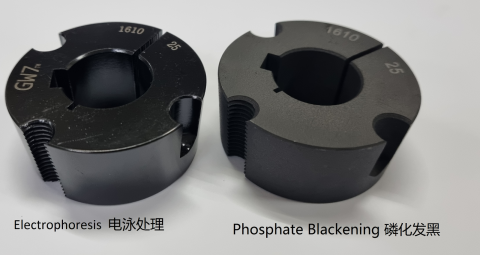
Electrophoresis uses direct current to deposit resin on the surface of the casting, forming a protective film on the product surface.
Advantages: flat, smooth, uniform, and beautiful.
The two processes have little comparability, blackening is an inorganic film, while electrophoresis is an organic film, with different functional effects.
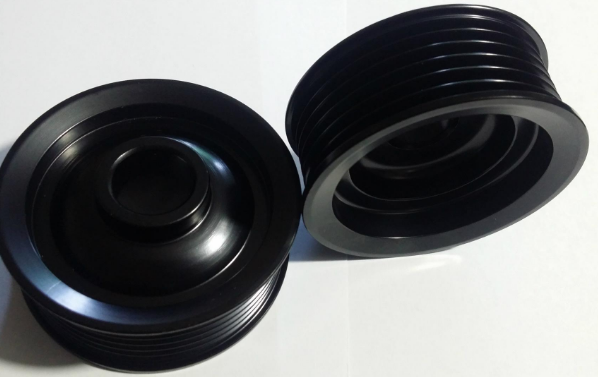
They have different targets. Electrophoresis is suitable for primer anti-corrosion, such as automotive parts. In addition to anti-corrosion, blackening generally also has characteristics of heat resistance and friction resistance, such as internal parts of some precision mechanical and electromechanical products.
If you want to make customized eletromechanical products, please feel free to contact Yi Tai.
Electrophoresis & Blackening
Aluminum Profile Surface Treatment - Brushed Finish
Related Article
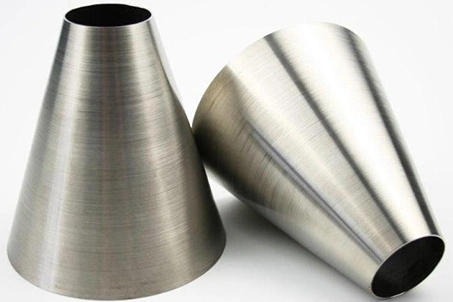
Learn how metal spinning forms rotationally symmetric parts, compare process options, and review materials, applications, cost factors, and RFQ requirements.
Metal Spinning: How the Process Works and When to Use It
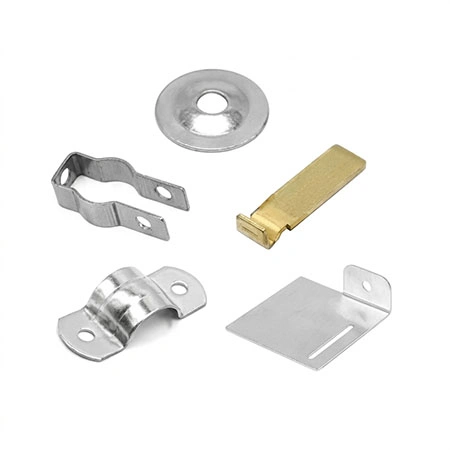
Explore precision metal fabrication processes, tolerance control, inspection, cost factors, and what to include in a custom-part RFQ.
Precision Metal Fabrication: From Drawing Review to Inspection