The Versatile World of Aluminum Extrusion: Benefits, Applications, and Industry Insights

- Introduction to Aluminum Extrusion
- Key Advantages of Extruded Aluminum
- Diverse Industry Applications
- Expert Perspectives on Extrusion Technology
- The Aluminum Extrusion Process Explained
- Industry FAQs Answered
1. Introduction to Aluminum Extrusion
Aluminum extrusion is one of manufacturing's most versatile processes, transforming aluminum alloy into continuous profiles with consistent cross-sections. This remarkable technique combines the inherent benefits of aluminum - lightweight, strength, and corrosion resistance - with unparalleled design flexibility. From skyscrapers to smartphones, extruded aluminum components form the backbone of modern engineering. The global aluminum extrusion market is projected to reach $110.3 billion by 2028, growing at a CAGR of 5.7%. This growth is fueled by aluminum's crucial role in sustainable technologies like solar panels and electric vehicles, where its excellent strength-to-weight ratio provides significant advantages over traditional materials.2. Key Advantages of Extruded Aluminum
Superior Strength-to-Weight Ratio
Extruded aluminum components achieve remarkable strength while remaining exceptionally lightweight. This unique combination makes aluminum ideal for applications where weight reduction is critical without compromising structural integrity. Automotive manufacturers leverage this property to improve fuel efficiency in vehicles, while aerospace engineers depend on it for aircraft components.Exceptional Design Flexibility
The extrusion process enables complex cross-sectional profiles that would be impossible or cost-prohibitive with other manufacturing methods. Designers can incorporate multiple functions into a single extrusion, reducing assembly time and minimizing the need for additional components. This flexibility extends to the creation of hollow sections and intricate channels for wiring, fluid transfer, or thermal management.Enhanced Corrosion Resistance
Aluminum naturally forms a protective oxide layer when exposed to air, providing excellent corrosion resistance. This property can be further enhanced through anodizing, making extruded aluminum ideal for outdoor applications and harsh environments. The material's longevity reduces maintenance costs and extends product lifecycles, contributing to sustainable manufacturing practices.Excellent Thermal and Electrical Conductivity
Aluminum conducts heat approximately 50-60% as effectively as copper while being significantly lighter and more cost-effective. This makes extruded aluminum heat sinks essential for electronics cooling. Its electrical conductivity (about 61% of copper's) combined with lightweight properties has made aluminum the preferred material for high-voltage power transmission lines.3. Diverse Industry Applications

Building and Construction
In modern architecture, aluminum extrusions form the skeleton of curtain walls, window frames, and structural supports. Their corrosion resistance ensures decades of maintenance-free service, while thermal breaks incorporated into profiles significantly improve energy efficiency in buildings. The Burj Khalifa in Dubai used over 12,000 tons of aluminum extrusions in its construction.Automotive and Transportation
The automotive industry increasingly relies on aluminum extrusions for vehicle lightweighting initiatives. Electric vehicles particularly benefit from extruded battery enclosures, crash management systems, and structural components. Tesla's Model S contains over 190kg of aluminum extrusions, contributing to both its range and safety performance.Electronics and Heat Management
Extruded aluminum heat sinks are critical thermal management solutions in everything from smartphones to data centers. The extrusion process allows for complex fin designs that maximize surface area for heat dissipation. In LED lighting systems, aluminum profiles serve dual purposes as both structural elements and thermal regulation systems.(“For more information on aluminum heat sinks, refer to the article: Heat Sink Fabrication.”)Renewable Energy Systems
Solar panel frames and mounting systems predominantly use aluminum extrusions due to their durability in outdoor environments and resistance to corrosion. Wind turbine manufacturers utilize specialized extrusions for blade components and tower structures. The renewable energy sector accounts for approximately 25% of all aluminum extrusion demand and is the fastest-growing market segment.4. Expert Perspectives on Extrusion Technology
"The future of aluminum extrusion lies in alloy development and process innovation. We're seeing tremendous advances in high-strength alloys that maintain extrudability while offering yield strengths approaching 500 MPa. Combined with precision die technology and AI-driven process control, these developments are expanding aluminum's application envelope into areas traditionally dominated by steel." - Dr. Elena Rodriguez, Materials Science Professor at MIT "Sustainability is driving fundamental changes in extrusion practices. Modern extrusion plants now incorporate closed-loop water systems and capture waste heat for facility heating. The aluminum industry has reduced the carbon footprint of primary aluminum by 49% since 1991, and recycled aluminum requires only 5% of the energy needed for primary production. These advances make aluminum extrusion one of the most sustainable manufacturing options available." - Michael Thompson, Sustainable Manufacturing Consultant5. The Aluminum Extrusion Process Explained
For those new to this manufacturing technique, I recommend reading our comprehensive guide: What is aluminum extrusion process? This detailed resource covers the fundamentals from billet preparation to final finishing.The extrusion process transforms aluminum billets through several critical stages:
1. Billet Heating: Aluminum logs are precisely heated to 400-500°C
2. Extrusion: The softened aluminum is forced through a die using immense pressure Quenching: Profiles are rapidly cooled to "freeze" the desired metallurgical properties
3. Stretching: Alignment and straightening of the extruded profile
4. Cutting: Profiles are cut to specified lengths
5. Aging: Heat treatment enhances mechanical properties
6. Finishing: Surface treatments (anodizing, powder coating) are applied
6. Industry FAQs Answered
Q: What is the minimum wall thickness achievable in aluminum extrusion?
Standard extrusion processes typically achieve minimum wall thicknesses of 0.5mm (0.020"), though specialized techniques can produce walls as thin as 0.3mm (0.012") for specific alloys. Thinner walls require higher precision in die design and process control.Q: How does aluminum extrusion compare economically to other processes?
A: Extrusion offers significant cost advantages for medium-to-high volume production of linear profiles. While initial die costs are substantial, the per-part cost decreases dramatically with volume. Compared to machining, extrusion typically reduces material waste by 60-70%, making it more economical for complex profiles.Q: What tolerances can be maintained in extruded aluminum?
A: Commercial extrusion tolerances typically range from ±0.1mm to ±0.5mm depending on profile dimensions and alloy. Precision extrusion can achieve tolerances as tight as ±0.05mm for critical dimensions. Tolerance capability depends on profile complexity, alloy selection, and wall thickness.Q: Which aluminum alloys are most commonly extruded?
A: The 6000-series alloys, particularly 6061 and 6063, dominate structural extrusion applications due to their excellent combination of extrudability, strength, and corrosion resistance. For specialized applications: 2024: High strength aerospace components 7075: Extreme strength applications (limited extrudability) 3003: Superior formability for complex shapesQ: How does extrusion direction affect material properties?
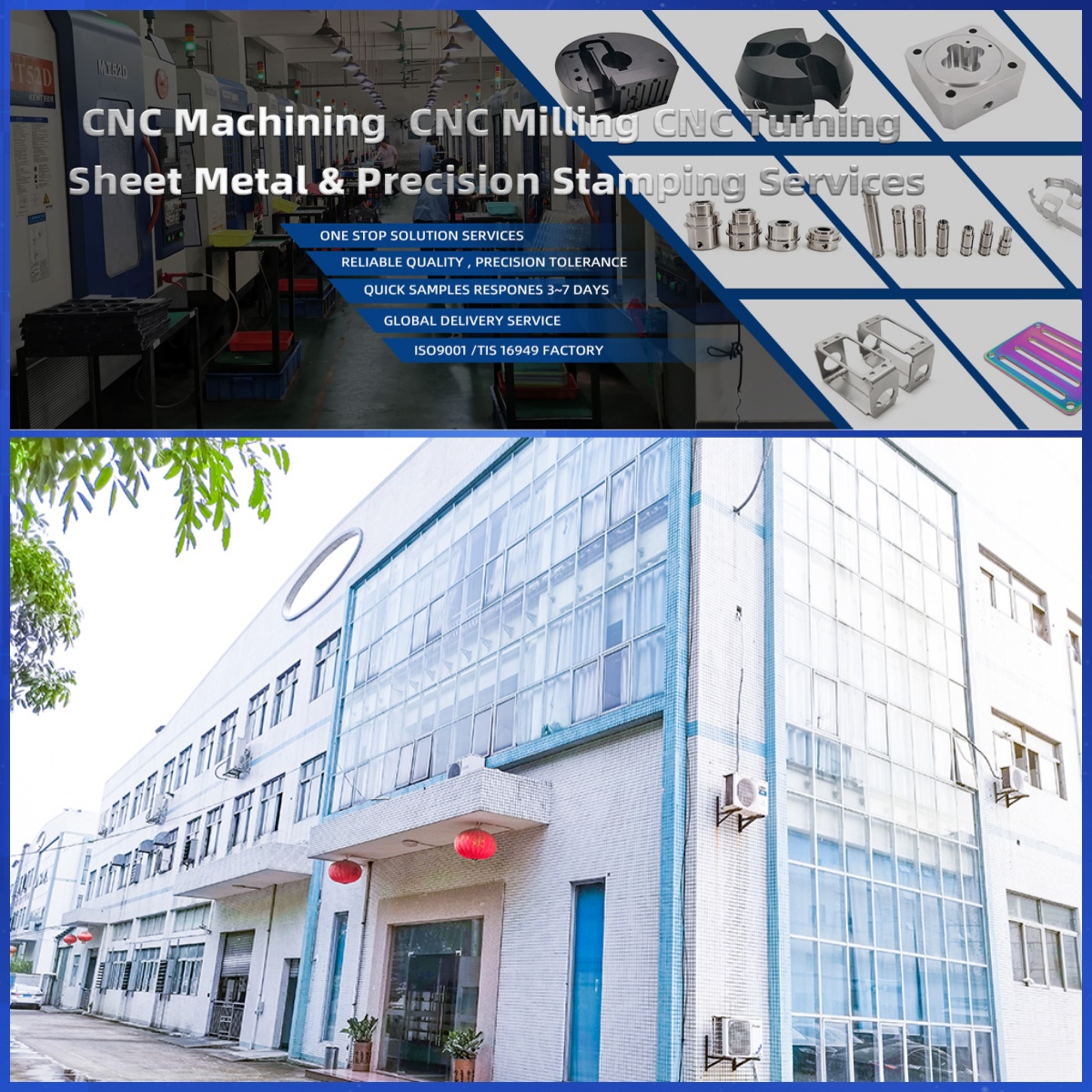
DongGuan YiTai Electronic Technologies Co.,Ltd
DongGuan YiTai Electronic Technologies Co.,Ltd is a manufacturing service provider located in Dongguan, China.
YiTai specialized in CNC turning machining and sheet metal fabrication mainly. As a member of Hung Mou Group, we focus on the overseas marketing development. And based on our parent company’s manufacturing capability and resources, YiTai also expended machining services such as die casting, injection molding, aluminum profile extrusion, 3D printing, which are committed to providing customers with one-stop purchasing services and experience.
CNC MACHINING , CNC MILLING , CNC TURNING , SHEETMETAL , FASTENER , OTHERS




Essential Metals in Hardware Manufacturing: Properties, Applications & Selection Guide
Comprehensive Guide to Machining Accuracy
Related Article