Door & Window Hardware

-
Core Door & Window Hardware Products
-
Strike Plates: The Secure Anchor Point
-
Function & Critical Role
-
Materials & Construction
-
Types & Applications
-
-
Door Hinges: The Pivotal Point of Movement
-
Types & Load Capacities
-
Materials & Durability
-
Installation & Adjustment Importance
-
-
Other Essential Hardware (Brief Overview)
-
-
Manufacturing Processes: Crafting Quality & Precision
-
Stamping: Shaping Metal Efficiently
-
Process Overview & Advantages
-
Applications in Hardware (Strike Plates, Hinge Leaves)
-
-
CNC Machining: Precision Engineering
-
How CNC Creates Complex Parts
-
Applications (High-Tolerance Components, Custom Hardware)
-
-
Surface Treatment: Protection & Aesthetics
-
Common Finishes (Zinc Plating, Powder Coating, Anodizing)
-
Importance of Corrosion Resistance & Appearance
-
-
-
Industry FAQs: Your Door & Window Hardware Questions Answered
1. Introduction: The Unsung Heroes of Security and Function
We interact with doors and windows countless times every day, rarely giving a second thought to the intricate components that enable their smooth operation, security, and longevity. Door and window hardware encompasses a vast array of components, from the obvious handles and locks to the critical, often hidden, elements like strike plates and hinges. These components are engineering marvels in miniature, designed for strength, precision, and endurance. This guide delves into the specifics of key hardware products, explores the manufacturing processes that bring them to life, and highlights why quality matters.
2. Core Door & Window Hardware Products
Strike Plates: The Secure Anchor Point
-
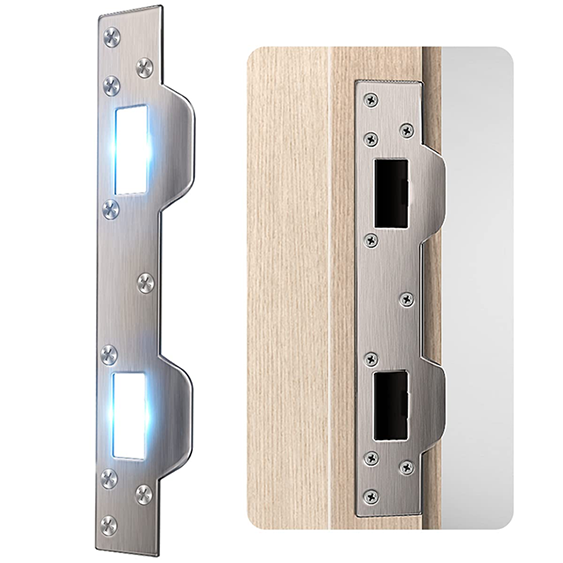
Function & Critical Role: The strike plate is a small but vital piece of hardware mortised into the door jamb. Its primary function is to receive and securely hold the latch or bolt protruding from the door edge when it's closed. A robust, properly aligned strike plate is fundamental to door security. It absorbs the impact of closing, prevents the jamb from splitting under force (like during attempted forced entry), and ensures the latch engages fully and smoothly. Without it, the latch has nothing substantial to engage with, drastically compromising security and potentially damaging the jamb.
-
Materials & Construction: Quality strike plates are typically made from stamped steel or solid brass for strength. Heavy-duty versions for security doors might be reinforced or made from thicker gauge steel. The hole for the latch/bolt must be precisely formed.
-
Types & Applications: Standard plates exist for cylindrical locksets and mortise locks. Adjustable strike plates allow for fine-tuning alignment after installation. Security strike plates feature longer screws that anchor deep into the structural framing behind the jamb, significantly increasing resistance to kick-in attacks. Stamping is the predominant manufacturing method for standard strike plates, allowing efficient mass production of consistent shapes. (Think: Similar principles apply here as in our guide on Automotive Stamping Parts - How To Make An Automotive Stamping Parts? - just on a smaller scale and focused on security/function).
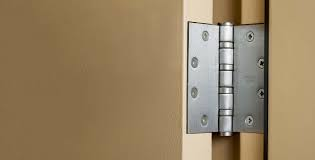
Door Hinges: The Pivotal Point of Movement
-
Types & Load Capacities: Door hinges come in various types: Butt hinges (most common for interior and exterior doors), continuous/piano hinges (long hinges running the door height, offering superior support), concealed hinges (hidden for a clean look, common on cabinets and some modern doors), and specialty hinges (like pivot or double-action). The choice depends on door weight, frequency of use, desired aesthetics, and security needs.
-
Materials & Durability: Common materials include stamped steel (often plated), solid brass, bronze, and stainless steel. Heavier doors require robust hinges made from thicker gauge metal. Corrosion resistance is paramount, especially for exterior doors, achieved through quality surface treatment like zinc plating or powder coating. Stainless steel offers inherent corrosion resistance.
-
Installation & Adjustment Importance: Proper installation (correct mortising depth, alignment, screw length/number) and periodic lubrication are crucial for smooth operation and preventing sagging or binding. Ball-bearing hinges offer smoother operation and greater longevity under heavy loads than plain bearing hinges. While stamping creates hinge leaves, the pin and knuckles often involve CNC machining or specialized forming processes for precise fit and smooth rotation.
Other Essential Hardware (Brief Overview)
Beyond strikes and hinges, the hardware ecosystem includes:
-
Locksets & Latches: The primary security mechanisms.
-
Handles & Knobs: The user interface for operation.
-
Closers: Ensure doors shut automatically and safely.
-
Operators: For automated doors/windows.
-
Weatherstripping: Seals gaps for energy efficiency and weather protection.
-
Window Balances/Counterweights: Enable smooth vertical window operation.
3. Manufacturing Processes: Crafting Quality & Precision
The performance and longevity of door and window hardware depend heavily on how it's made. Three key processes dominate:
Stamping: Shaping Metal Efficiently
-
Process Overview & Advantages: Stamping uses powerful presses and hardened steel dies to cut, bend, and form flat sheet metal (steel, brass, aluminum) into specific shapes at high speeds. It's incredibly cost-effective for high-volume production and delivers excellent dimensional consistency.
-
Applications in Hardware: This process is ideal for flat or moderately complex components like strike plates, hinge leaves (the flat parts screwed to the door and jamb), face plates for locks, brackets, and various clips and fasteners used in window mechanisms. The efficiency of stamping is key to producing affordable, reliable hardware components at scale. (See our deep dive into high-volume metal shaping: How To Make An Automotive Stamping Parts?)
CNC Machining: Precision Engineering
-
How CNC Creates Complex Parts: CNC (Computer Numerical Control) machining uses computer-programmed tools (mills, lathes, grinders) to precisely remove material from a solid block (billet) of metal (like aluminum, brass, or steel). It excels at creating complex 3D geometries, intricate features, and holding extremely tight tolerances.
-
Applications: CNC machining is essential for:
-
High-security lock components (complex tumblers, precision housings).
-
Custom or low-volume hinge pins, knuckles, and specialized brackets.
-
Complex window hardware mechanisms (operators, gears, pivots).
-
Prototyping new hardware designs before committing to stamping dies.
-
Creating precise components from aluminum alloy for specific applications requiring strength and lighter weight. (Explore the capabilities of CNC for aluminum: CNC Machining Aluminum Alloy Proofing Custom)
-
Surface Treatment: Protection & Aesthetics
-
Common Finishes: Raw metal needs protection from corrosion and wear, and often an aesthetic upgrade. Key surface treatments include:
-
Electroplating (e.g., Zinc Plating): Provides a sacrificial layer of zinc for excellent corrosion resistance on steel parts (common for hinges, strike plates, fasteners). Often followed by chromate passivation (yellow, clear, black) for enhanced protection and color.
-
Powder Coating: A dry powder is electrostatically applied and cured under heat, forming a durable, thick, decorative, and corrosion-resistant finish available in almost any color/texture. Used extensively on exterior hardware, frames, and decorative elements.
-
Anodizing: An electrochemical process primarily for aluminum that creates a hard, durable, corrosion-resistant oxide layer. It can be dyed various colors (common for modern window hardware). Offers excellent durability but is specific to aluminum.
-
Brushed Finishes: A mechanical finishing process (often using abrasive belts or brushes) that creates a uniform satin or matte texture with visible linear grains. Highly valued for its aesthetic appeal, ability to hide minor scratches, and modern look. Often applied to stainless steel or aluminum before final installation or as a base for other finishes. (Learn about achieving this popular look: Aluminum Profile Surface Treatment - Brushed Finish)
-
-
Importance: The right surface treatment is crucial for longevity, especially in harsh environments (exterior doors, coastal areas, high-humidity interiors). It prevents rust, tarnish, and wear, maintains smooth operation, and ensures the hardware looks good for years. Choosing the appropriate finish based on material, application, and environmental exposure is critical.
4. Expert Insight: The Cornerstone of Quality
"In the world of door and window hardware, precision and durability aren't just desirable, they are non-negotiable. A hinge with poor tolerances will cause a door to sag prematurely. A strike plate made from thin, poorly stamped metal will deform under stress, compromising security. CNC machining ensures critical components fit perfectly and function reliably for thousands of cycles. Investing in high-quality materials and proper surface treatment, like robust powder coating or marine-grade stainless steel, directly translates to decades of trouble-free operation and security, reducing long-term maintenance and replacement costs. Never underestimate the impact of well-engineered and manufactured hardware on the overall performance and safety of a building." - Michael Chen, Senior Hardware Design Engineer with over 15 years in the industry.
5. Industry FAQs: Your Door & Window Hardware Questions Answered
-
Q: What's the most important factor for hinge longevity?
-
A: Material and surface treatment are paramount. Choose solid brass, stainless steel, or heavy-gauge steel with a high-quality finish (e.g., thick powder coat, durable plating) appropriate for the environment. Ball bearings also significantly enhance longevity on frequently used doors.
-
-
Q: How do I know if I need a security strike plate?
-
A: If the door is an entry point to your home or a sensitive area, a security strike plate is highly recommended. Look for models made from thick steel (at least 14-12 gauge) and secured with long screws (3-4 inches) that penetrate deep into the wall framing. Standard strike plates with short screws offer minimal security against forced entry.
-
-
Q: What's the best surface finish for exterior hardware?
-
A: For maximum corrosion resistance on steel, powder coating is generally superior to plating due to its thicker, more uniform barrier. Stainless steel (Grade 304 or 316) is excellent with minimal or no additional finish. For aluminum, anodizing is the gold standard. Ensure the chosen finish is rated for exterior use.
-
-
Q: Can CNC machining be used for all hardware parts?
-
A: While incredibly versatile, CNC machining is generally less cost-effective than stamping for very high-volume, simple parts like basic strike plates or hinge leaves. It shines for complex shapes, tight tolerances, low-volume production, custom work, and parts made from materials like solid brass or aluminum alloy where stamping might not be suitable.
-
-
Q: What causes a door hinge to squeak?
-
A: Squeaking is usually caused by friction due to lack of lubrication or accumulated dirt/dust inside the hinge knuckles. Applying a small amount of dry lubricant (like graphite powder or a specialized PTFE spray) directly onto the pin usually resolves it. Avoid oil-based lubricants as they attract grime.
-
6. Conclusion: Investing in Quality Hardware Matters
Door and window hardware is far more than just metal bits and pieces. Components like the humble strike plate and the ever-present door hinge are fundamental to the security, functionality, and longevity of every opening in your home or building. Understanding the products – their types, materials, and roles – and the manufacturing processes behind them – stamping, CNC machining, and critical surface treatments – empowers you to make informed decisions.
Choosing hardware built with quality materials, precision engineering, and durable finishes might involve a slightly higher initial cost, but it pays dividends for years in terms of security, smooth operation, reduced maintenance, and overall peace of mind. Don't let the smallest components become the weakest link. Invest wisely in the hardware that holds everything together.
Ready to explore precision manufacturing? Dive deeper into the technologies that make quality hardware possible:
-
Perfecting Aluminum: CNC Machining Aluminum Alloy Proofing Custom
-
Achieving the Perfect Finish: Aluminum Profile Surface Treatment - Brushed Finish
-
The Power of High-Volume Metal Shaping: How To Make An Automotive Stamping Parts?
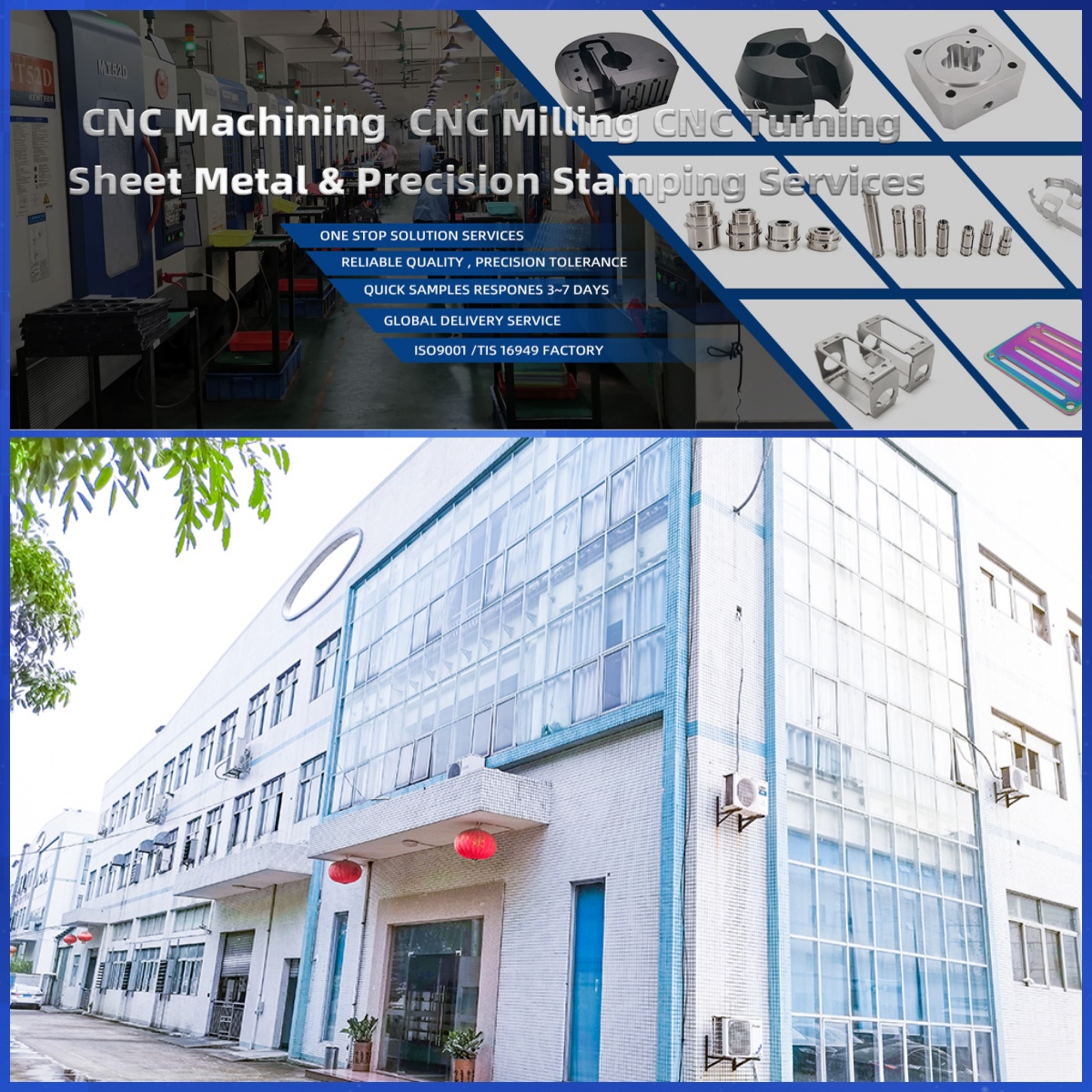
DongGuan YiTai Electronic Technologies Co.,Ltd
DongGuan YiTai Electronic Technologies Co.,Ltd is a manufacturing service provider located in Dongguan, China.
YiTai specialized in CNC turning machining and sheet metal fabrication mainly. As a member of Hung Mou Group, we focus on the overseas marketing development. And based on our parent company’s manufacturing capability and resources, YiTai also expended machining services such as die casting, injection molding, aluminum profile extrusion, 3D printing, which are committed to providing customers with one-stop purchasing services and experience.
CNC MACHINING , CNC MILLING , CNC TURNING , SHEETMETAL , FASTENER , OTHERS




Engineered for Strength and Space: The Hex Socket Cap Screw Advantage
Heat Sink Fabrication
Related Article