Engineered for Strength and Space: The Hex Socket Cap Screw Advantage
Hex Socket Head Cap Screws: Precision, Strength, and Versatility Defined
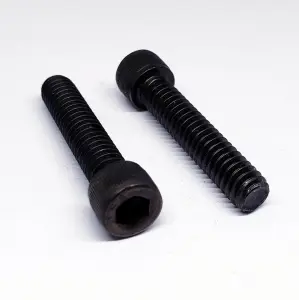
You encounter them daily, hidden within the devices you use, the vehicles you travel in, and the structures around you. The Hex Socket Head Cap Screw (often abbreviated HSC or simply called a Socket Head Cap Screw, Allen Bolt, or Allen Head Screw) is a fundamental and highly reliable fastener critical to modern engineering and manufacturing. Combining a cylindrical head with a hexagonal internal drive socket, these screws offer unique advantages in strength, precision, and space-saving design. Let's delve into what makes them indispensable.
Table of Contents
-
Manufacturing Excellence: How HSCs Are Made
-
Cold Heading: Shaping the Blank
-
Thread Rolling: Forging Superior Threads
-
Heat Treatment: Building Core Strength
-
Surface Treatment: Protection & Performance
-
1. What is a Hex Socket Head Cap Screw?

Characterized by its cylindrical head featuring a hexagonal socket drive (requiring an Allen key or hex driver) and a partially threaded shank, the Hex Socket Head Cap Screw is designed for applications demanding:
-
High Clamping Force: Capable of exerting significant preload.
-
Compact Design: The low-profile head fits into tight spaces where a protruding head (like a hex bolt) is impractical.
-
Precise Torque Application: The internal hex drive allows for accurate torque control, crucial in sensitive assemblies.
-
Strength: Available in high-strength grades (e.g., Grade 8, Class 10.9, 12.9, A2/A4 Stainless).
-
Reliability: Manufactured to exacting standards for consistent performance.
2. Key Applications: Where Strength Meets Precision
HSCs are ubiquitous across industries due to their versatility and robustness:
-
Machinery & Automation: Securing critical components in engines, pumps, gearboxes, CNC machines, and robotic arms. Their strength and precision are vital for alignment and vibration resistance.
-
Aerospace & Defense: Used in airframes, landing gear assemblies, and sensitive instrumentation where weight savings, high strength-to-weight ratios, and absolute reliability are paramount. Special alloys and surface treatments are common.
-
Automotive: Found throughout engines, transmissions, suspension components, and braking systems. High-grade HSCs handle extreme stresses and temperatures.
-
Electronics: Securing components within housings, heat sinks to processors, and internal brackets. Smaller sizes (M2, M3) are prevalent.
-
Medical Devices: Used in surgical instruments and diagnostic equipment, often requiring specialized corrosion-resistant materials and finishes.
-
Jigs, Fixtures & Tooling: Essential for constructing rigid, precise workholding and manufacturing aids.
-
General Fabrication & DIY: A go-to fastener for projects requiring a strong, reliable, and low-profile connection.
3. Manufacturing Excellence: How HSCs Are Made

Creating a high-quality HSC involves a sequence of precise, controlled processes:
Cold Heading: Shaping the Blank
This is the starting point for most HSCs. Cold heading is a high-speed, room-temperature forging process. A wire blank is precisely cut and then forced into a series of dies under immense pressure (using cold heading machines) to form the screw's head and blank shank shape. This process densifies the metal grain structure, significantly enhancing the fastener's strength compared to machining from bar stock. Learn the intricacies in our dedicated blog: [What is Cold Heading? The Backbone of Fastener Production].
Thread Rolling: Forging Superior Threads
Threads are not cut; they are formed through thread rolling. The blank shank is pressed between hardened, reciprocating or rotating dies that contain the negative profile of the thread. This cold-forming process:
-
Displaces material to form the thread crests and roots.
-
Creates a smoother, stronger thread with improved fatigue resistance due to uninterrupted grain flow.
-
Produces no waste swarf, making it efficient and economical.
Heat Treatment: Building Core Strength
To achieve their specified high strength grades (like 10.9, 12.9, or Grade 8), most alloy steel HSCs undergo heat treatment. This typically involves:
-
Austenitizing: Heating the screws above their critical temperature.
-
Quenching: Rapidly cooling (usually in oil) to form a hard, brittle martensitic structure.
-
Tempering: Reheating to a specific lower temperature to reduce brittleness and achieve the desired combination of hardness, strength, and toughness. Precise control is critical. Dive deeper into the science: [What Is Heat Treatment? Unlocking Metal's Potential].
Surface Treatment: Protection & Performance
Surface treatments are vital for corrosion resistance, aesthetics, friction control, and sometimes additional hardness:
-
Phosphating (Phosphate & Oil): Provides good corrosion resistance and an excellent base for paint or oil retention. Offers good anti-galling properties.
-
Zinc Plating (Electroplating): Common, economical corrosion protection (often with yellow or blue chromate passivation for enhanced resistance and color coding). Can cause hydrogen embrittlement in high-strength bolts, requiring baking.
-
Geomet® (Zinc-Flake Coatings - e.g., Delta Protekt, Magni): Superior corrosion resistance (often >1000 hrs salt spray), excellent friction consistency, and no risk of hydrogen embrittlement. Widely used in automotive and demanding environments.
-
Black Oxide: Primarily aesthetic and offers minimal corrosion resistance but good oil retention. Common for tools and some industrial applications.
-
Passivation (for Stainless Steel): Removes free iron from the surface to maximize the natural corrosion resistance of stainless alloys (A2, A4).
-
Dacromet / Delta Seal: Inorganic coatings offering high corrosion and temperature resistance. Explore the options: [Different Types of Surface Treatment for Fasteners: A Guide].
4. Ensuring Quality: Rigorous Testing & Inspection

Quality control is paramount for HSCs, especially in critical applications. Key inspections include:
-
Dimensional Checks: Verifying head diameter/height, shank diameter, thread dimensions (pitch, major/minor diameter), length, and socket depth/size using gauges, calipers, and optical measurement.
-
Mechanical Property Testing: Destructive testing on sample lots to confirm tensile strength, yield strength, and hardness (Rockwell or Vickers) meet the specified grade requirements.
-
Surface Inspection: Checking for plating thickness (XRF), coating uniformity, presence of cracks, seams, or other surface defects.
-
Torque/Tension Testing: Ensuring the screw performs as expected under load.
-
Metallurgical Examination: Verifying proper microstructure resulting from heat treatment.
-
Salt Spray Testing: Assessing the corrosion resistance of surface coatings per standards like ASTM B117.
5. Expert Insights: The Value of Precision Fasteners
"While often overlooked, the choice of fastener, especially high-strength precision components like socket head cap screws, is foundational to product integrity," emphasizes Sarah Johnson, a Consulting Materials Engineer with 20+ years in aerospace. "Specifying the correct grade, ensuring proper manufacturing controls like cold heading and thread rolling for grain flow, applying the right heat treatment for core properties, and selecting an appropriate surface finish for the environment – these aren't just details; they are critical engineering decisions that directly impact safety, longevity, and performance. Never underestimate the cost of a failed fastener."
6. Beyond the Hex Socket Cap: Flat Head Knurled Thumb Screws
While HSCs excel in high-strength, permanent, or tool-tightened applications, situations arise requiring manual adjustment or frequent disassembly. This is where Flat Head Knurled Thumb Screws shine. Featuring a knurled head for easy finger-gripping and a flat head profile that sits flush, they are ideal for:
-
Electronics Enclosures: Securing access panels on computers, servers, and consumer devices.

-
Industrial Control Panels: Fastening doors on cabinets and control units.
-
Prototyping & Jigging: Quick adjustments and part changes.
-
DIY Projects: Where tools might be inconvenient.
-
Light-Duty Fixturing: Holding non-critical parts.
They trade the ultra-high strength and torque capability of HSCs for unparalleled manual convenience. Discover their specific uses: [Flat Head Knurled Thumb Screws: Uses in Electronics, Industrial & DIY].
7. Frequently Asked Questions (FAQs)
-
Q: What's the difference between a Socket Head Cap Screw and a Socket Button Head Screw?
A: The Cap Screw has a taller, cylindrical head with a flat top and a chamfered bottom edge. The Button Head has a lower-profile, dome-shaped head. Button heads offer slightly more clearance but generally have less drive depth and can handle slightly less torque than a cap screw head of the same nominal size. -
Q: Why is thread rolling preferred over thread cutting for HSCs?
A: Thread rolling cold-works the material, creating a smoother, harder surface with continuous grain flow, resulting in threads that are stronger (especially in fatigue), more wear-resistant, and produced more efficiently without generating metal chips. -
Q: Can high-strength Socket Head Cap Screws (like 12.9) be plated?
A: Yes, but hydrogen embrittlement is a major risk during electroplating (like zinc plating). Plated high-strength bolts MUST undergo baking within a few hours of plating to diffuse out absorbed hydrogen, according to strict standards (e.g., ASTM B849, ASTM F1941). Zinc-flake coatings (Geomet) are often preferred for high-strength fasteners as they pose no hydrogen embrittlement risk. -
Q: When should I choose stainless steel (A2/A4) over alloy steel?
A: Choose stainless steel when corrosion resistance is the primary concern, even if it means slightly lower strength (compared to high-grade alloy steel like 12.9) and a higher cost. Alloy steel (with appropriate plating/coating) is preferred for the highest strength requirements or cost-sensitive applications where corrosion can be adequately managed by the coating. -
Q: What does the marking on the head of an HSC mean?
A: Manufacturers typically mark the head with their trademark and the strength grade identifier. For example, "10.9" indicates a metric Class 10.9 bolt. Three radial lines often denote an SAE Grade 8 bolt. The specific markings are standardized within regional specifications (e.g., ISO 898-1, SAE J429).
8. Conclusion: The Essential Fastener
The Hex Socket Head Cap Screw is far more than just a simple piece of hardware. It's the product of sophisticated manufacturing techniques – cold heading, thread rolling, precise heat treatment, and tailored surface treatments – all working in concert to deliver unmatched strength, reliability, and precision in a compact form. From holding together the world's most advanced machinery to securing components in everyday electronics, its role is fundamental. Understanding its properties, manufacturing journey, and rigorous quality control underscores why it remains an engineering staple and a true unsung hero of the mechanical world. When you need a fastener that delivers consistent, high-performance clamping force in a confined space, the Hex Socket Head Cap Screw is often the optimal solution.
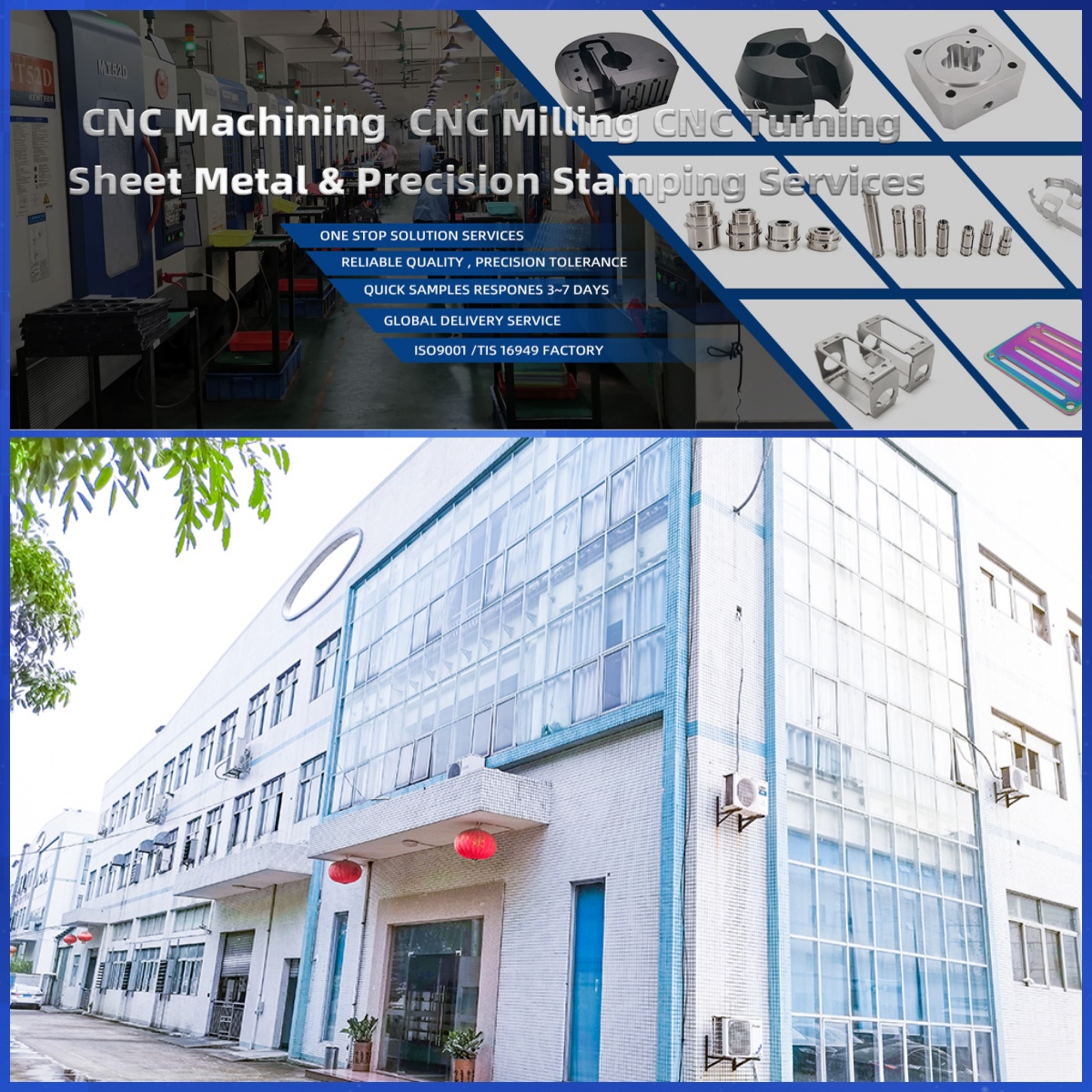
DongGuan YiTai Electronic Technologies Co.,Ltd
DongGuan YiTai Electronic Technologies Co.,Ltd is a manufacturing service provider located in Dongguan, China.
YiTai specialized in CNC turning machining and sheet metal fabrication mainly. As a member of Hung Mou Group, we focus on the overseas marketing development. And based on our parent company’s manufacturing capability and resources, YiTai also expended machining services such as die casting, injection molding, aluminum profile extrusion, 3D printing, which are committed to providing customers with one-stop purchasing services and experience.
CNC MACHINING , CNC MILLING , CNC TURNING , SHEETMETAL , FASTENER , OTHERS




Mastering Precision Motor Shaft Manufacturing
Door & Window Hardware
Related Article