CNC Machining of Plastics: A Comprehensive Guide
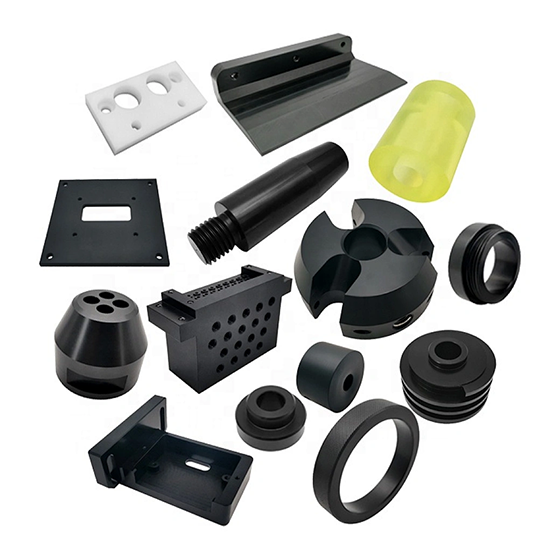
Table of Contents
- Introduction to CNC Plastic Machining
- Key Differences: Plastic vs. Metal CNC Machining
- Common Plastics for CNC Machining
- Core Process Flow of CNC Plastic Machining
- Critical Technical Considerations
- Expert Insights on CNC Plastic Machining
- Applications Across Industries
- Frequently Asked Questions (FAQs)
1. Introduction to CNC Plastic Machining
2. Key Differences: Plastic vs. Metal CNC Machining
| Aspect | Metal CNC Machining | Plastic CNC Machining |
|---|---|---|
| Thermal Conductivity | High (heat dissipates quickly) | Low (heat accumulates at the cutting zone) |
| Hardness | Generally high | Varied (from soft PE to rigid POM) |
| Tool Requirements | Focus on wear resistance | Prioritize sharpness and low friction |
| Clamping | High-pressure clamping acceptable | Gentle, even clamping (to avoid deformation) |
| Surface Concerns | Burrs and roughness | Melting, chipping, and stress cracks |
3. Common Plastics for CNC Machining

1. Acrylonitrile Butadiene Styrene (ABS)
2. Polycarbonate (PC)
3. Polyoxymethylene (POM/Acetal)
4. Polymethyl Methacrylate (PMMA/Acrylic)
5. Polytetrafluoroethylene (PTFE/Teflon)
4. Core Process Flow of CNC Plastic Machining

1. Design & Programming
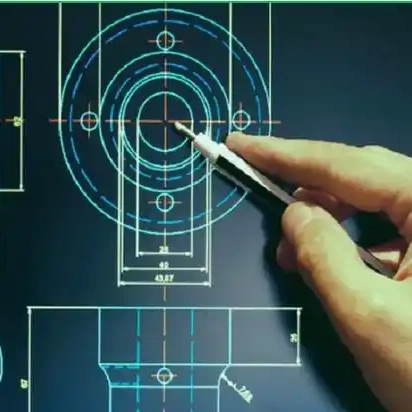
- CAD Modeling: Create 3D models (using SolidWorks or Fusion 360) with generous fillets and avoid overly thin walls (<1mm) to reduce vibration.
- CAM Programming: Convert models to G-code with optimized toolpaths—prioritize helical ramping (avoids vertical plunge chipping) and symmetrical machining (balances internal stress).
2. Material Preparation & Clamping
- Cut plastic stock to rough dimensions (leaving 0.1-0.5mm machining allowance).
- Use vacuum chucks for flat sheets or soft-jaw vises (nylon/rubber) for irregular shapes to distribute clamping force evenly.
3. Roughing & Finishing
- Roughing: Remove bulk material at 3,000-5,000 RPM with 1-2mm depth of cut (using 4-flute HSS tools).
- Finishing: Achieve precision at 5,000-8,000 RPM with 0.1-0.5mm depth (using coated carbide tools for reduced sticking).
4. Post-Processing
- Deburring: Use ultrasonic cleaning or 400-800 grit sandpaper to remove micro-burrs.
- Stress Relief: Bake parts at 60-80°C for 1-2 hours to release machining-induced stress.
5. Critical Technical Considerations
1. Cutting Parameters
- Spindle Speed: Lower for low-melt plastics (e.g., PE at <4,000 RPM); higher for heat-resistant types (e.g., PC up to 8,000 RPM).
- Feed Rate: Adopt a "high feed, shallow cut" strategy to reduce tool-plastic contact time and heat buildup.
2. Tool Selection
- Material: Use high-speed steel (HSS) for roughing; carbide with DLC or Teflon coatings for finishing (reduces sticking).
- Geometry: 2-flute tools for deep cavities (better chip evacuation); 3-4 flutes for flat surfaces (smoother finish).
3. Cooling & Lubrication
- Compressed air (0.3-0.5 MPa) to blow away chips and dissipate heat.
- Food-grade oil mist for high-precision jobs (e.g., POM gears) to reduce friction.
6. Expert Insights on CNC Plastic Machining
7. Applications Across Industries
- Electronics: ABS phone cases, PMMA display frames, POM connectors.
- Medical: PTFE surgical instrument components, PC diagnostic tool housings.
- Automotive: PP sensor brackets, PC light covers.
- Aerospace: Lightweight PEEK structural parts (machined for high strength-to-weight ratios).
8. Frequently Asked Questions (FAQs)
Q1: Why does my plastic part warp after machining?
Q2: How can I prevent plastic from sticking to the tool?
Q3: Is CNC machining better than injection molding for plastics?
Q4: Can I machine flexible plastics like TPE?
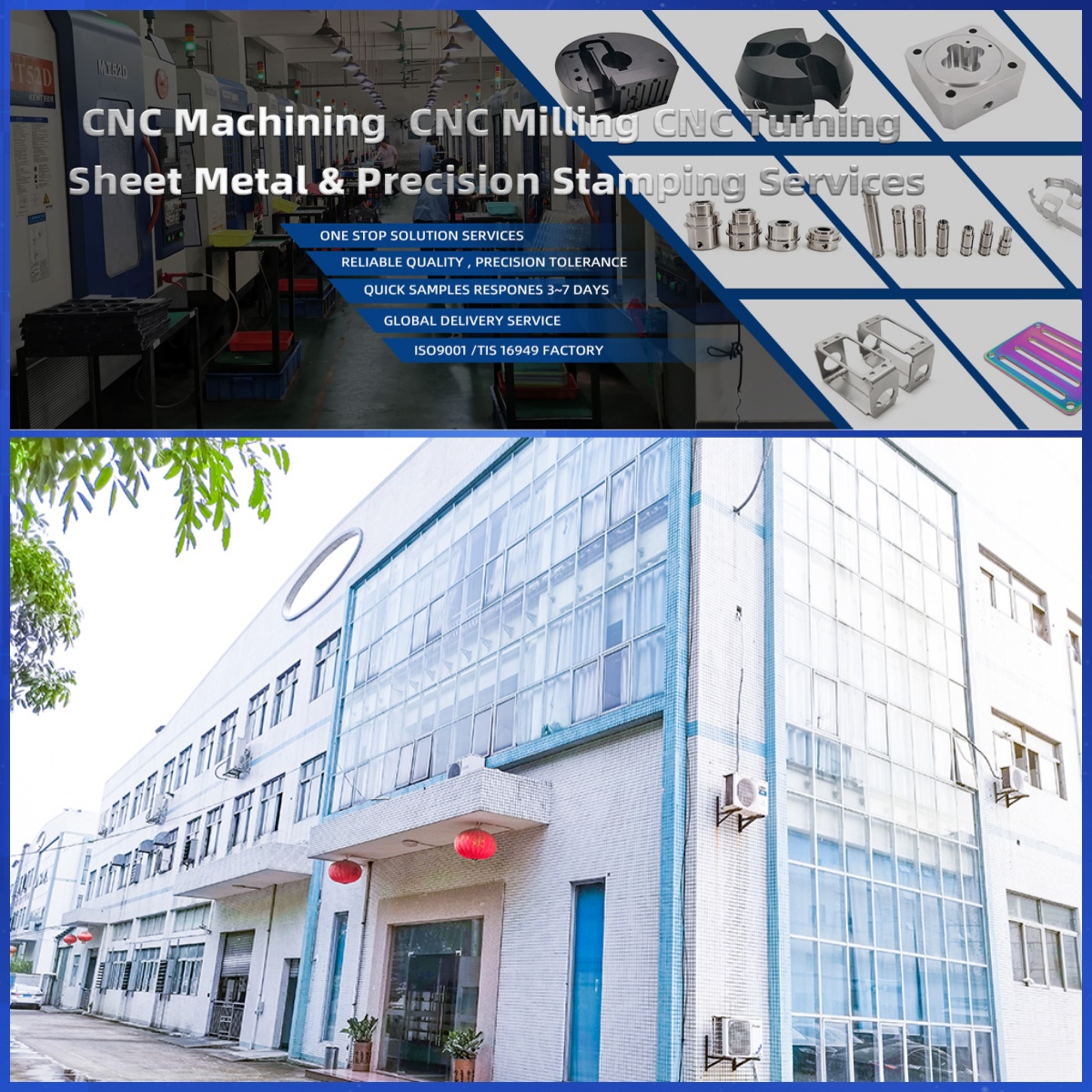
DongGuan YiTai Electronic Technologies Co.,Ltd
DongGuan YiTai Electronic Technologies Co.,Ltd is a manufacturing service provider located in Dongguan, China.
YiTai specialized in CNC turning machining and sheet metal fabrication mainly. As a member of Hung Mou Group, we focus on the overseas marketing development. And based on our parent company’s manufacturing capability and resources, YiTai also expended machining services such as die casting, injection molding, aluminum profile extrusion, 3D printing, which are committed to providing customers with one-stop purchasing services and experience.
CNC MACHINING , CNC MILLING , CNC TURNING , SHEETMETAL , FASTENER , OTHERS




Copper's Melting Point and Characteristics in the Hardware Industry
Common Methods for Rust Prevention and Removal on Metal Parts
Related Article