In CNC machining, what are 3-axis, 4-axis, and 5-axis, and what are the differences between them?
In CNC Machining, What Are 3-Axis, 4-Axis, and 5-Axis, and What Are the Differences Between Them?
Table of Contents
-
-
How It Works
-
Advantages and Limitations
-
Ideal Applications
-
-
-
The Added Rotational Axis
-
Key Benefits
-
When to Use It
-
-
-
Unlocking Full Flexibility
-
Why It's Revolutionary
-
Industry Applications
-
1. Introduction to CNC Machining Axes
CNC milling machines are classified by their number of operational axes, which directly impact part complexity, precision, and production efficiency. More axes mean greater geometric freedom, enabling the creation of intricate designs. But how do 3-axis, 4-axis, and 5-axis differ—and which suits your project? Let's explore.
2. 3-Axis CNC Machining
How It Works
3-axis machines move along three linear axes (X: left-right, Y: front-back, Z: up-down).
Advantages and Limitations
-
✅ Simple operation, lower costs, ideal for planar surfaces.
-
❌ Limited to one face per setup; struggles with multi-angle features.
Ideal Applications
-
Machining discs, plates, or simple brackets.
-
Engraving flat surfaces or drilling perpendicular holes.
For foundational CNC knowledge, see our blog: Something About CNC You Must Need to Know.
3. 4-Axis CNC Machining
The Added Rotational Axis
Adds a horizontal rotational axis (typically the B-axis), allowing the workpiece to spin 360°.
Key Benefits
-
Machines curved surfaces (e.g., cylinders) without repositioning.
-
Combines milling and turning capabilities.
-
⏩ Boosts efficiency for complex contours vs. 3-axis.
When to Use It
-
Drilling side holes on parts.
-
Creating camshafts, valve bodies, or gearbox components.
4. 5-Axis CNC Machining
Unlocking Full Flexibility
Incorporates two rotational axes (e.g., B-axis + C-axis), enabling tool access from any angle.
Why It's Revolutionary
-
✅ Single-setup machining eliminates repositioning errors.
-
✅ Achieves complex geometries impossible on lower-axis machines.
-
✅ Reduces part handling damage and tooling costs.
Industry Applications
-
Aerospace: Turbine blades, airframe structures.
-
Medical: Prosthetics, bone implants.
-
Defense & Energy: Titanium valves, oil rig components.
5. Choosing the Right CNC Configuration
| Axis Type | Best For | Avoid When |
|---|---|---|
| 3-Axis | Simple, budget-friendly projects | Multi-face features |
| 4-Axis | Cylindrical parts or side features | Spherical geometries |
| 5-Axis | Complex, high-precision parts (e.g., aerospace/medical) | Simple designs (cost-inefficient) |
Expert Insight
John Miller, CNC Engineer at Haas Automation:
*“5-axis isn’t just about complexity—it’s about precision through consolidation. Reducing setups cuts cumulative tolerancing errors by up to 70%.”*
6. FAQ: CNC Machining Axes Explained
7. Conclusion
Understanding 3-axis, 4-axis, and 5-axis CNC machining empowers smarter project planning. While higher axes enable groundbreaking capabilities, simpler tools often win for cost-effective production. Match your part's geometry to the ideal configuration—and when tackling intricate designs, 5-axis is unmatched.
Deepen your CNC knowledge: Something About CNC You Must Need to Know
Ready to explore CNC solutions? Contact our engineers for a tailored recommendation.
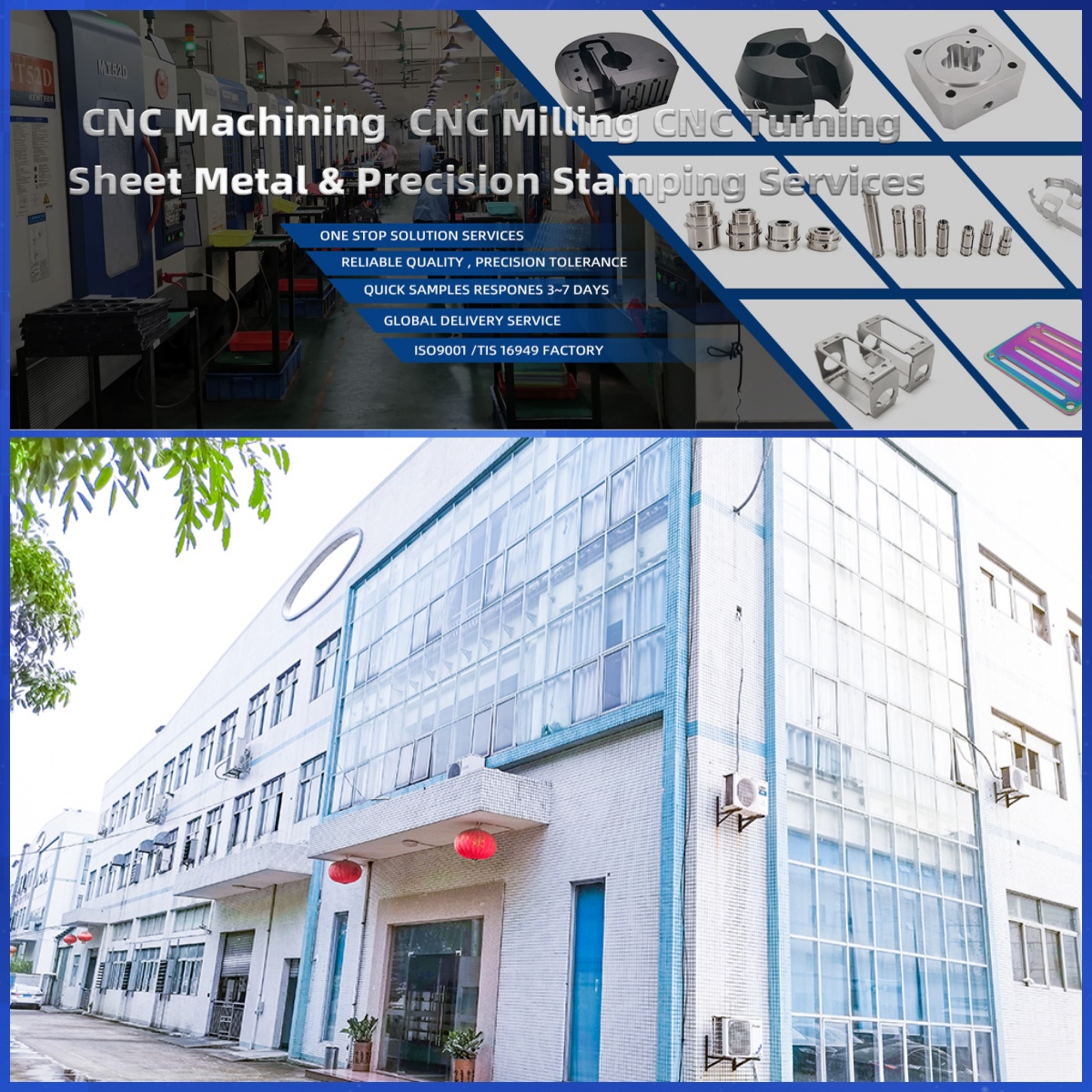
DongGuan YiTai Electronic Technologies Co.,Ltd
DongGuan YiTai Electronic Technologies Co.,Ltd is a manufacturing service provider located in Dongguan, China.
YiTai specialized in CNC turning machining and sheet metal fabrication mainly. As a member of Hung Mou Group, we focus on the overseas marketing development. And based on our parent company’s manufacturing capability and resources, YiTai also expended machining services such as die casting, injection molding, aluminum profile extrusion, 3D printing, which are committed to providing customers with one-stop purchasing services and experience.
CNC MACHINING , CNC MILLING , CNC TURNING , SHEETMETAL , FASTENER , OTHERS




The Ultimate Guide to Metal Finishing: Essential Knowledge of Polishing, Deburring, Sandblasting & Shot Blasting!
DGYITECH | Sheet Metal Parts
Related Article