Aluminium Powder Coating: A Complete Guide for the Hardware Industry
1. Introduction

2. What is Aluminium Powder Coating?
Aluminium powder coating is a type of finish. It uses a dry powder made from finely ground aluminium particles and other materials. This powder is applied to a metal surface. Then, it is heated to form a hard, protective layer.
This coating is different from wet paint. It does not need a solvent to stay liquid. This makes it more environmentally friendly. The finished layer is uniform and durable. It resists chipping, fading, and rust.
3. How Aluminium Powder Coating Works
The process of applying aluminium powder coating has several steps.

3.1. Surface Preparation
- Degreasing: The part is immersed in an alkaline degreasing solution (e.g., sodium hydroxide-based cleaners) or subjected to spray degreasing at 50–70°C. This step breaks down and removes organic contaminants like lubricants or fingerprints.
- Pickling/Derusting: For parts with rust or oxide layers, a mild acidic solution (such as phosphoric acid or sulfuric acid) is used to etch the surface slightly, eliminating corrosion and creating a micro-rough texture that enhances coating adhesion.
- Conversion Coating: After rinsing off cleaning agents, the part is treated with a phosphating or chromating solution (chromium-free options are common for environmental compliance). This forms a thin, inert conversion film (5–10 μm thick) on the metal surface, further improving corrosion resistance and ensuring uniform powder adhesion.
3.2. Powder Application
- Electrostatic Powder Gun: A specialized spray gun generates a high-voltage electrostatic charge (60–100 kV) that ionizes the powder particles as they are propelled by compressed air. Two common gun types are used:
- Corona Guns: Create a static field between the gun nozzle and the metal part, charging powder particles as they pass through the field.
- Tribo Guns: Charge powder via friction (between the powder and the gun’s polymer barrel), ideal for parts with complex geometries (e.g., intricate hardware fittings) as it reduces "Faraday cage effects" (where powder fails to reach recessed areas).
- Grounding: The metal part is securely grounded to create an electric field between the charged powder and the part. This ensures powder particles are uniformly attracted to all surfaces—including edges and corners—forming a consistent, even layer (typically 50–120 μm thick before curing).
- Powder Recovery: Unapplied powder is collected via a cyclone separator or filter system, allowing for recycling (reducing waste and material costs), which is a key environmental advantage over liquid painting.
3.3. Curing
- Oven Type: Most facilities use hot air circulation ovens or infrared (IR) curing ovens. Hot air ovens ensure uniform temperature distribution (critical for large or bulky parts), while IR ovens offer faster heating (suitable for high-volume production lines).
- Temperature & Time Parameters: The curing cycle depends on the powder’s resin type (the most common are epoxy, polyester, and epoxy-polyester hybrids):
- Epoxy-based Powders: Cured at 180–200°C for 15–20 minutes, ideal for indoor hardware (e.g., cabinet hinges) due to excellent adhesion and chemical resistance.
- Polyester-based Powders: Cured at 200–220°C for 20–30 minutes, preferred for outdoor applications (e.g., window frames) as they offer superior UV resistance and weatherability.
- Hybrid Powders: Cured at 190–210°C for 18–25 minutes, balancing the advantages of both epoxy and polyester for versatile use.
- Chemical Reaction: During curing, the powder’s resin molecules undergo cross-linking polymerization—forming strong chemical bonds that create a continuous, non-porous film. This film eliminates pinholes or voids, enhancing the coating’s resistance to scratches, impact, and corrosion (e.g., resistance to salt spray, humidity, and common industrial chemicals).
4. Key Properties and Advantages
Aluminium powder coating offers many benefits for hardware products.
-
Excellent Durability: The final coating is very tough. It can resist impact, abrasion, and chemicals. This makes it ideal for products that get heavy use.
-
Superior Weather Resistance: It stands up well to sun, rain, and temperature changes. The colour does not fade easily. The coating also provides good protection against corrosion .
-
Attractive Finish: This coating can have a high-gloss or a matte look. It gives a uniform, high-quality appearance that customers like.
-
Environmentally Friendly: The process has low levels of Volatile Organic Compounds (VOCs). This is better for the environment and worker safety .
-
Efficient Application: Almost all the overspray powder can be collected and reused. This reduces waste.
5. Applications in the Hardware Industry
Aluminium powder coating is used in many hardware areas.
-
Architectural Hardware: It is used on aluminum profiles for windows, doors, and curtain walls . The coating protects buildings and looks good.
-
Automotive Parts: Many car parts use this coating. It provides a durable and decorative finish for both appearance and protection .
-
Consumer Products: You find it on many everyday items. These include tools, furniture, and home appliances. It makes products last longer and look better.
-
Industrial Equipment: Machines and enclosures use this coating. It protects them from harsh factory conditions.
6. Aluminium Powder Coating vs. Other Surface Treatments
How does aluminium powder coating compare to other methods? Let's look at a table.
| Feature | Aluminium Powder Coating | Anodizing | Electroplating (Chrome) |
|---|---|---|---|
| Process | Applying dry powder with electrostatic charge and heat | Electrochemical process creating an oxide layer | Using electricity to deposit a metal layer |
| Surface | Can be uniform or textured | Hard, porous layer that can be dyed | Very hard, glossy metallic layer |
| Hardness | Good | Very high for hard anodizing (500-900 HV) | High |
| Corrosion Resistance | Very good | Excellent | Good |
| Color Options | Many colors and effects | Many colors, but can fade | Limited, mostly metallic looks |
| Base Material | Mainly aluminum products | Mainly aluminum and its alloys | Various conductive materials |
| Cost | Moderate | Moderate to high | Varies |
Note: "Mill Finish Aluminum" is the raw, untreated aluminum surface straight from the factory. It has no extra protection. It is prone to scratches and oxidation. Powder coating is an excellent way to protect and enhance mill finish aluminum.
7. Expert Opinions and Insights
Industry experts highlight the value of this technology.
Dr. Lisa Wang, a materials scientist, says: "Aluminium powder coating is a versatile solution. It combines beauty and strength. For many hardware applications, it offers the best balance of cost and performance. Its ability to resist weathering is a key advantage."
In another resource, "DGYITECH | Main Applications of Aluminum Anodizing: Beyond Surface Deep", experts explain that anodizing creates a very hard surface by growing a layer from the base metal. However, for a wider range of colors and a more cost-effective solution on aluminum, powder coating is often the preferred choice.
8. Frequently Asked Questions (FAQs)
Q1: Is aluminium powder coating safe for outdoor use?
A: Yes. It has excellent weather resistance. It protects against UV rays and moisture. This makes it perfect for outdoor hardware items.
Q2: Can powder coating be applied over an existing anodized surface?
A: This is generally not recommended. The anodized layer is non-conductive, which prevents the powder from adhering properly with electrostatic guns. The old coating should be removed first.
Q3: How long does an aluminium powder coating last?
A: Its life depends on the environment. A quality coating can last for more than 10 years. It will not chip or peel easily.
Q4: Is powder coating more expensive than liquid paint?
A: The initial cost might be higher. But powder coating lasts much longer. This means you save money over time because you do not need to repaint.
Q5: What is the main difference between powder coating and anodizing?
A: Powder coating adds a layer on top of the metal. Anodizing changes the surface of the metal itself into a hard oxide layer . Powder coating offers more color choices, while hard anodizing offers greater hardness.
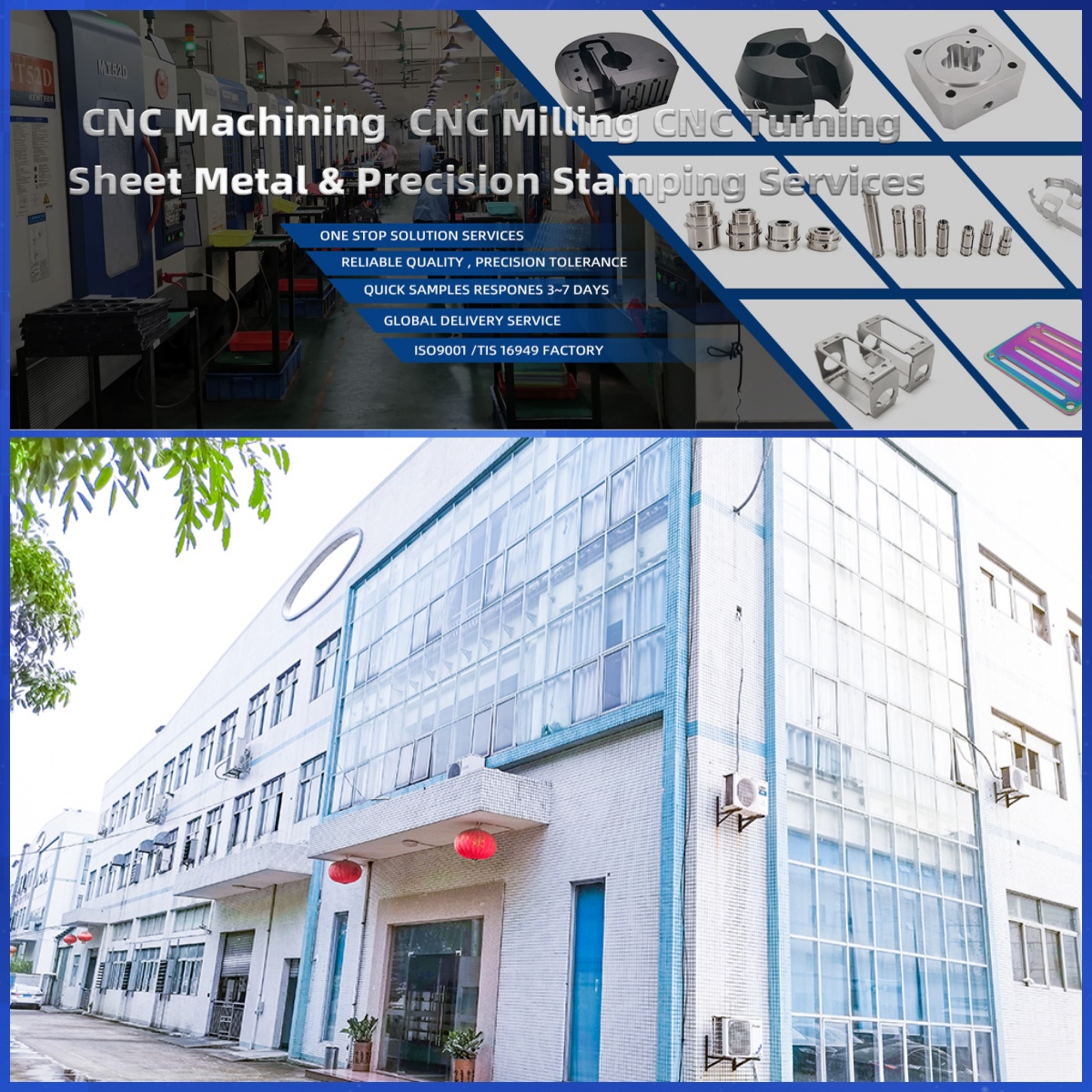
DongGuan YiTai Electronic Technologies Co.,Ltd
DongGuan YiTai Electronic Technologies Co.,Ltd is a manufacturing service provider located in Dongguan, China.
YiTai specialized in CNC turning machining and sheet metal fabrication mainly. As a member of Hung Mou Group, we focus on the overseas marketing development. And based on our parent company’s manufacturing capability and resources, YiTai also expended machining services such as die casting, injection molding, aluminum profile extrusion, 3D printing, which are committed to providing customers with one-stop purchasing services and experience.
CNC MACHINING , CNC MILLING , CNC TURNING , SHEETMETAL , FASTENER , OTHERS




Shrinkage in Cast Metals: The Invisible Killer in the Hardware Industry
Beveled vs Chamfered in the Hardware Industry
Related Article