Mill Finish Aluminum: The Comprehensive Guide

1. What is Mill Finish Aluminum?

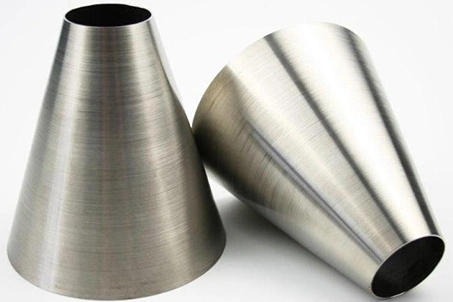
Mill finish aluminum is the basic, untreated surface of aluminum as it comes from the rolling mill. It is not polished or coated. This finish is the most economical form of aluminum available. It shows the natural color of the metal and may have some production lines visible.
This type of aluminum is versatile. It serves as the starting point for many products. Also, it can be further processed for specific uses. Its simplicity makes it popular in many industries.
2.Product Details and Specifications
Mill finish aluminum comes in different forms. You can find it as sheets, coils, and plates. The surface treatment is minimal, keeping production costs lower .
Common temper designations include O (annealed) and H112 (a basic hardened state) . The material is available in various thicknesses, from very thin (0.2mm) to very thick (300mm) . Sizes can often be customized to meet specific project requirements .
The alloy composition determines the material's properties. For example, the 6000 series, which includes 6061 and 6063, contains both magnesium and silicon . This combination offers a good balance of strength and corrosion resistance.
3. Common Applications

Mill finish aluminum is used in many fields. Its high plasticity, corrosion resistance, and conductivity make it valuable .
In construction and architecture, it is used for glass walls, decorative elements, ceilings, and interior walls . For transportation, it appears in both interior and exterior parts for vehicles . It is also common in consumer goods like furniture, cabinets, and household appliances such as refrigerators and microwaves . You will also find it in industrial applications like signage, mechanical parts, and mold manufacturing .
4. Expert Machining Insights
Machining aluminum requires the right tools. Experts recommend specific tools for the best results.
One expert says: "On a bridgeport, mostly finishing." They recommend "YG-1 3 flute Alu-Power endmills on both BP's and CNC's." They add, "On a bridgeport, 3 flute bright/uncoated" tools work well .
Another expert explains the logic behind tool selection. "I use 3 flute for a compromise between the good removal of a 2 flute and the higher feed rate of a 3 flute." This approach provides efficiency and simplicity in tool inventory .
Specialty tools are also available. For example, some endmills have a cutting edge shape designed specifically for aluminum alloy to prevent chipping .
5. Aluminum Alloy Comparison Table
This table compares common mill finish aluminum alloys and their key properties to help you select the right material.
| Alloy Series | Representative Materials | Key Elements | Primary Properties | Common Uses |
|---|---|---|---|---|
| 1000 Series | 1050, 1060, 1100 | High aluminum content (over 99%) | Excellent corrosion resistance, high electrical and thermal conductivity, workability | Electrical components, chemical equipment, reflectors |
| 2000 Series | 2024 | Copper (about 3-5%) | High hardness, good strength-to-weight ratio | Aerospace, military applications, structural components |
| 3000 Series | 3003, 3004, 3105 | Manganese (1.0-1.5%) | Moderate strength, good formability | Cookware, heat exchangers, building products |
| 5000 Series | 5052, 5083 | Magnesium (3-5%) | Good corrosion resistance, especially in marine environments, medium to high strength | Marine components, vehicle bodies, pressure vessels |
| 6000 Series | 6061, 6063 | Magnesium and Silicon | Medium strength, good formability and weldability | Architectural structures, window frames, furniture |
| 7000 Series | 7075 | Zinc | Very high strength | Aerospace, high-stress structural parts |
6. Frequently Asked Questions
Q1: What does "mill finish" mean for aluminum?
Mill finish is the standard, uncoated, and unpolished surface condition of aluminum as it leaves the manufacturing mill. It is the most basic and cost-effective form of aluminum sheet, coil, or plate .
Q2: Why is surface milling sometimes performed on aluminum?
Surface milling removes defects from the aluminum's surface. These defects can include things like oxidation, slag inclusions, and shrinkage holes. Removing them improves the material's quality for further processing and helps prevent cracking .
Q3: What are the main advantages of mill finish aluminum?
The main advantages are its cost-effectiveness, versatility for further processing, and good inherent properties like corrosion resistance, conductivity, and high plasticity for bending and forming .
Q4: How does the 5000 series aluminum perform in different tempers?
Even within the same alloy, like 5083, different tempers (such as H116 and H32) result in different mechanical properties. For instance, 5083-H116 has an elongation at break of 12%, while 5083-H32 has 9.8%. Their yield strengths are also different .
Q5: Can mill finish aluminum be used for high-temperature applications?
Aluminum alloys like 5083 have a maximum mechanical service temperature of around 190°C . It is important to check the specific alloy's properties for your application's temperature requirements.
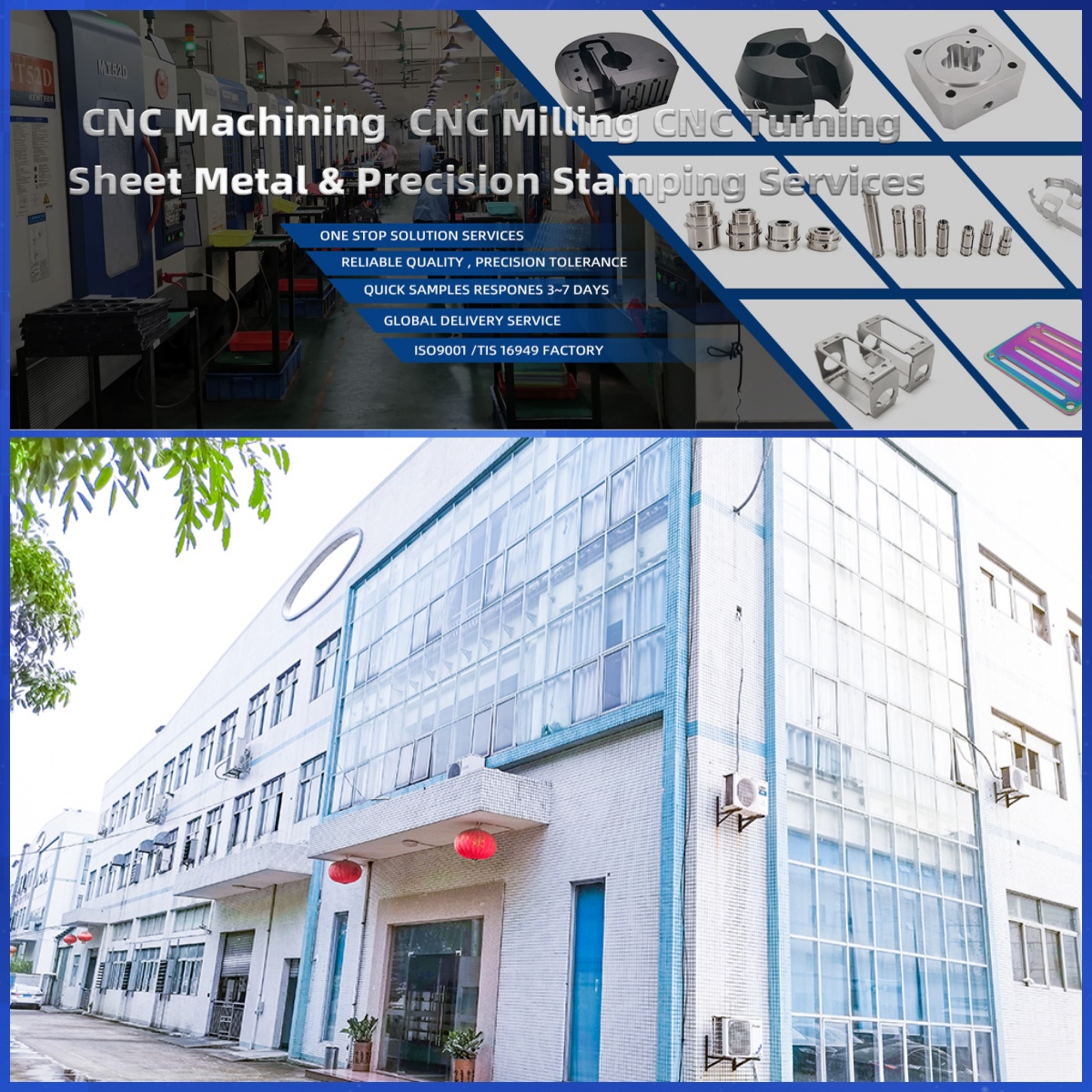
DongGuan YiTai Electronic Technologies Co.,Ltd
DongGuan YiTai Electronic Technologies Co.,Ltd is a manufacturing service provider located in Dongguan, China.
YiTai specialized in CNC turning machining and sheet metal fabrication mainly. As a member of Hung Mou Group, we focus on the overseas marketing development. And based on our parent company’s manufacturing capability and resources, YiTai also expended machining services such as die casting, injection molding, aluminum profile extrusion, 3D printing, which are committed to providing customers with one-stop purchasing services and experience.
CNC MACHINING , CNC MILLING , CNC TURNING , SHEETMETAL , FASTENER , OTHERS




Complete Guide to Aluminum Surface Treatment Processes
Does Zinc Metal Rust? Key Facts and Applications
Related Article