The Complete Guide to 1050 Aluminum CNC Machining: Properties & Applications
-
What is 1050 Aluminum? The Unique Advantages of Pure Aluminum
-
Why is 1050 Aluminum Called a "Gummy" Material in CNC Machining?
-
Yitai Electronics: Your Reliable Partner for 1050 Aluminum Precision Machining
Introduction
Aluminum is a common material in CNC machining. But not all aluminum is the same. Alloy composition changes everything. 1050 aluminum is different from alloys like A5052 Aluminum Alloy or 6061 Aluminum Alloy. It is almost pure aluminum. This guide explains the properties of 1050 aluminum. We will cover its benefits, its machining challenges, and its best uses. This information helps you choose the right material for your project.
1. What is 1050 Aluminum? The Unique Advantages of Pure Aluminum
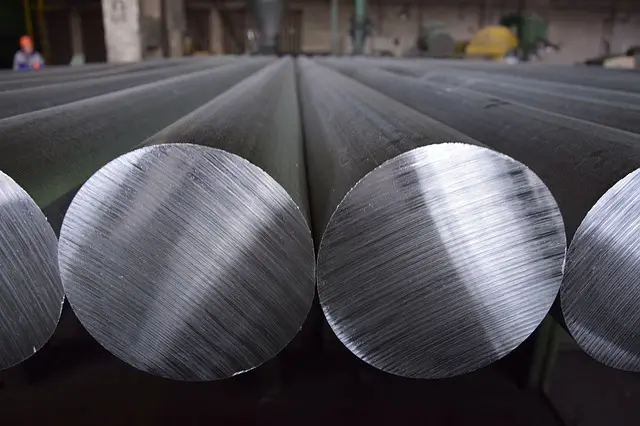
1050 aluminum is a commercially pure aluminum alloy with a minimum aluminum content of 99.5%. It contains very few alloying elements. This high purity gives it special properties: it is not as strong as 6061-T6 aluminum alloy, nor as robust as the magnesium-alloyed A5052 aluminum alloy, but it excels in other aspects.
99.5% Purity Delivers Superior Electrical and Thermal Conductivity
The high purity of 1050 aluminum gives it excellent electrical conductivity. Its conductivity is about 61% of the International Annealed Copper Standard (IACS). This is very high for a structural metal. Its thermal conductivity is also very high. This makes it perfect for applications that need to move heat or electricity efficiently.
Excellent Ductility and Corrosion Resistance
1050 aluminum is very soft and malleable. It has excellent ductility. This means it can be bent, stamped, and formed easily without cracking. It also has very good corrosion resistance. The pure aluminum surface forms a protective oxide layer naturally. This layer protects it from many environments.
Table: Comparing 1050 Aluminum with Other Common Alloys
| Property | 1050 Aluminum (O Temper) | 6061-T6 Aluminum | A5052 Aluminum |
|---|---|---|---|
| Primary Alloying Elements | 99.5% Al | Mg, Si | Mg |
| Typical Tensile Strength | Low (85 MPa) | High (310 MPa) | Medium (228 MPa) |
| Key Strength | Conductivity & Formability | Machinability & Strength | Corrosion Resistance & Formability |
| Best For | Heat sinks, chemical tanks, reflectors | Structural parts, frames, brackets | Marine hardware, panels, electronic chassis |
| CNC Machinability Rating | Fair (can be "gummy") | Excellent | Good |
*Expert Insight: “Think of 1050 as a specialist, not a generalist,” says Sarah Lin, a materials engineer at Yitai. “You don't choose it for strength. You choose it when you need its world-class conductivity or its ability to be deeply drawn into complex shapes. It serves a different purpose than 6061 or 5052.”*
2. Why is 1050 Aluminum Called a "Gummy" Material in CNC Machining?
Many machinists call 1050 aluminum "gummy." This is a common description. The material is very soft and ductile. During cutting, it does not break away cleanly. Instead, it tends to form long, continuous chips. These chips can stick to the cutting tool. This is called built-up edge.
This "gummy" behavior causes problems. It can lead to a poor surface finish. It can increase heat build-up. It can clog chip channels. To machine 1050 aluminum well, you need the right strategy. You need sharp, polished cutting tools. High rake angles help the chip flow away. You need higher cutting speeds and lower feed rates. Using coolant is important to control chips and heat. Proper chip evacuation is critical.
3. Core Application Areas
Because of its unique properties, 1050 aluminum is the best choice for specific applications.
Electronics Heat Sinks
This is a major application. The high thermal conductivity of 1050 aluminum is perfect for heat sinks. It pulls heat away from electronic components like CPUs and LEDs efficiently. It is also easy to form into fins or complex shapes to increase surface area.
Chemical Tanks and Reflector Housings
The excellent corrosion resistance of 1050 makes it suitable for tanks that store certain chemicals. Its non-sparking property is also a safety benefit. Furthermore, its pure surface can be polished to a very high shine. This makes it ideal for light reflector housings in lighting fixtures and solar devices.
4. Yitai Electronics: Your Reliable Partner for 1050 Aluminum Precision Machining
Machining 1050 aluminum well requires experience. At Yitai Electronics, we understand this material. We know how to overcome its "gummy" nature.
We use sharp, specialized tooling with polished flutes. We optimize our CNC programs for chip control. We maintain precise speeds and feeds. Our quality control ensures your parts have the required finish and dimensional accuracy. Whether you need complex heat sinks or formed reflectors, we have the expertise to machine 1050 aluminum reliably and efficiently.
5. Frequently Asked Questions (FAQs)
Q1: Can 1050 aluminum be heat-treated to make it stronger like 6061?
No, it cannot. 1050 is a non-heat-treatable alloy. Its strength comes from work hardening (strain hardening). You cannot increase its strength through solution heat treatment and aging like you can with 6061-T6. Its strength remains relatively low.
Q2: Is 1050 aluminum good for welding?
Yes, it is excellent for welding. Its high purity makes it very weldable using common techniques like TIG or MIG welding. The weld joints are typically strong and ductile. This is another reason it is used for tanks and containers.
Q3: When should I choose 1050 over 6061 for a part?
Choose 1050 aluminum when your main needs are thermal/electrical conductivity, extreme formability, or corrosion resistance in certain environments. Choose 6061-T6 aluminum when you need higher strength, better machinability, and general-purpose structural integrity.
Q4: What is the best surface finish for a 1050 aluminum heat sink?
Often, a natural mill finish or a light bead blast is sufficient. For maximum thermal performance, the surface can be anodized. Anodizing creates a durable layer and can even be made black to improve heat radiation. Polishing is used for reflector applications.
Q5: Does Yitai Electronics provide post-machining services for 1050 aluminum parts?
Yes, we do. We offer a full range of services. This includes degreasing, polishing, anodizing (clear or color), and powder coating. We can manage the entire process from raw material to finished, ready-to-use part.
DongGuan YiTai Electronic Technologies Co.,Ltd
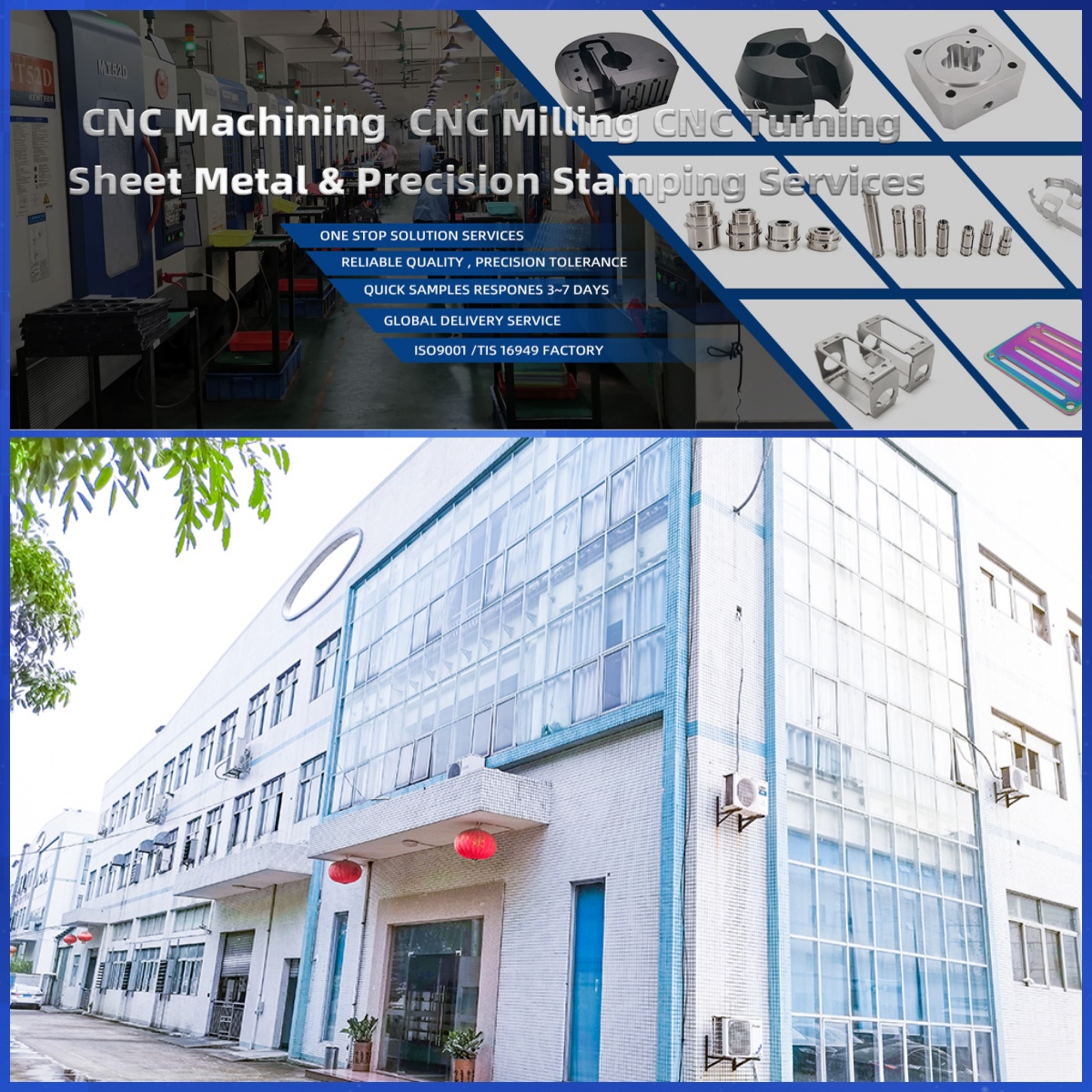
DongGuan YiTai Electronic Technologies Co.,Ltd is a manufacturing service provider located in Dongguan, China.
YiTai specialized in CNC turning machining and sheet metal fabrication mainly. As a member of Hung Mou Group, we focus on the overseas marketing development. And based on our parent company’s manufacturing capability and resources, YiTai also expended machining services such as die casting, injection molding, aluminum profile extrusion, 3D printing, which are committed to providing customers with one-stop purchasing services and experience.
CNC MACHINING , CNC MILLING , CNC TURNING , SHEETMETAL , FASTENER , OTHERS




Conquering Work Hardening: Ensuring Dimensional Stability in Stainless Steel Parts
CNC Machining Magnesium: How Cutting Parameters Affect Chip Density
Related Article