6061T6 vs 6061 Aluminum: A Material Selection Guide

Table of Contents
In the field of industrial manufacturing, 6061T6 and standard 6061 aluminum alloys exhibit significant performance differentiation due to differences in heat treatment processes. This affects material composition, mechanical properties, processing techniques, and application scenarios, directly impacting the balance between product performance and cost. Accurately distinguishing their characteristics and making reasonable selections is key to connecting design requirements with manufacturing feasibility.
1. Standard Specifications & Basic Properties
Standard 6061 uses magnesium (0.8%-1.2%) and silicon (0.4%-0.8%) as its core alloying elements. National standards allow the addition of trace amounts of copper and chromium to enhance strength and corrosion resistance. In the non-heat-treated state, its tensile strength is 110-145 MPa, with an elongation of 10%-15%, making it suitable for conventional cold working.
6061T6 achieves a performance leap through T6 heat treatment: Solution heat treatment at 530°C dissolves Mg₂Si, followed by artificial aging at 170-180°C to promote the precipitation of nano-scale strengthening phases. This results in a tensile strength of 310-345 MPa, a yield strength of 276-310 MPa, a hardness exceeding 95 HB, while maintaining an elongation of 10%-15%.
2. Process Comparison & Performance Differentiation
-
Mechanical Properties: The T6 condition increases tensile strength by 150%-200% and yield strength by over 300% compared to the standard grade. Hardness reaches above 95 HB, and the fatigue limit is improved by approximately 40%.
-
Machining Characteristics: Standard 6061 can be machined at speeds of 800-1500 rpm, while the T6 condition requires carbide tools and optimized parameters. The minimum bend radius for T6 should be ≥4 times the material thickness. Welding requires local aging treatment afterward. The T651 temper improves dimensional stability through stretch leveling, and T6511 enhances stamping formability via cold rolling.
3. Application Scenarios & Decision Logic
Standard 6061 is suitable for general structural components like architectural trims and packaging materials, as well as for prototype verification using cold working.
The core applications for 6061 T6 are in high-load-bearing and corrosion-resistant scenarios, such as aerospace skins and marine fittings. Its strength-to-weight ratio reaches 115-128 MPa·cm³/g. T651/T6511 are used for precision manufacturing (e.g., CNC machine tool spindles) and for forming complex curves in automotive sheet metal, respectively.
4. Selection Decision Tree
-
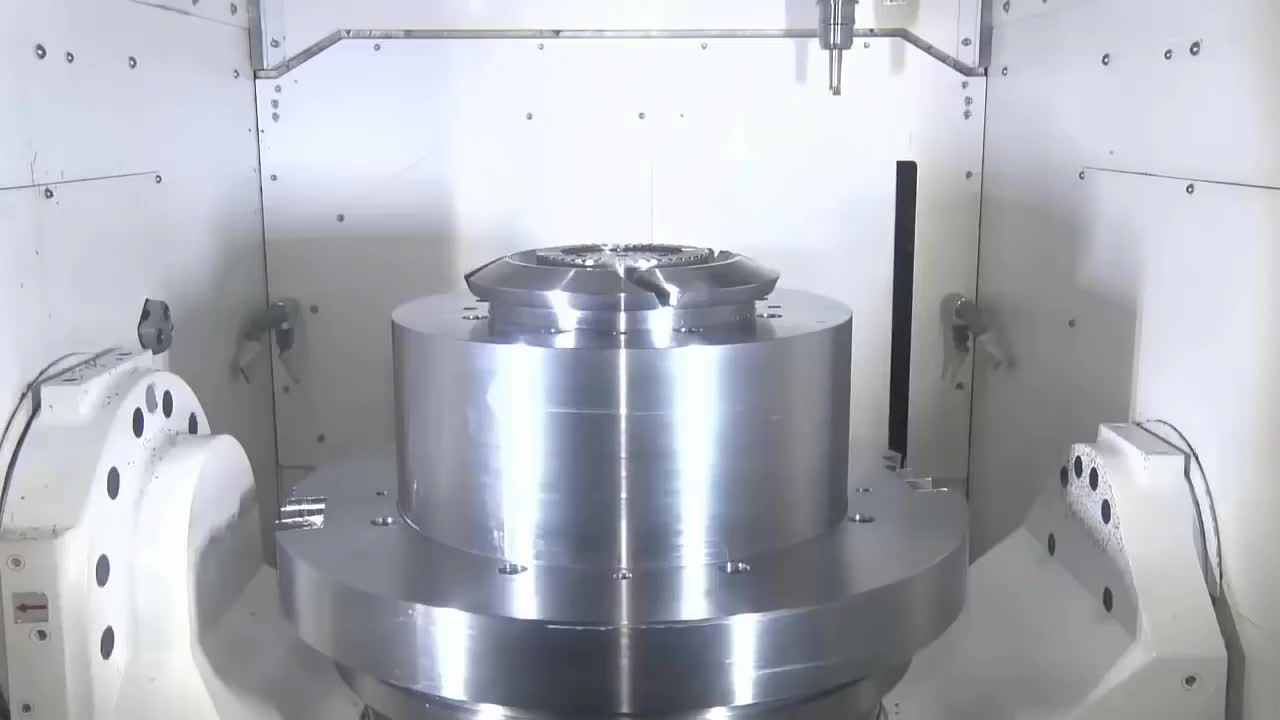
Load Analysis: Dynamic/impact loads necessitate the T6 condition.
-
Tolerance Requirements: For tolerances within ±0.02mm, choose T651.
-
Process Path: Structures requiring welding prioritize standard 6061; complex machining operations should select pre-stretched T651 plate.
5. Frequently Asked Questions (FAQ)
-
Q1: What is the fundamental difference between 6061 and 6061-T6?
-
A: The fundamental difference lies in the heat treatment. 6061 refers to the base alloy composition. 6061-T6 has undergone a specific thermal process (solution heat treatment and artificial aging) that significantly enhances its mechanical properties, such as strength and hardness, compared to the non-heat-treated or annealed versions of 6061.
-
-
Q2: Can I weld 6061-T6? What are the considerations?
-
A: Yes, 6061-T6 can be welded. However, the heat from welding negatively affects the properties in the Heat-Affected Zone (HAZ), weakening it to a condition similar to standard 6061-O (annealed). For critical applications, post-weld aging treatment is often required to restore strength in the HAZ.
-
-
Q3: Which is easier to machine, 6061 or 6061-T6?
-
A: Standard 6061 in the -O condition is generally softer and gummier, which can lead to built-up edge on tools. 6061-T6 is harder and provides better chip breaking, often resulting in a superior surface finish. However, machining T6 requires more robust tools (carbide) and parameters due to its higher strength.
-
-
Q4: When should I choose standard 6061 over 6061-T6?
-
A: Choose standard 6061 (often in -O condition) for applications involving significant forming, bending, or welding where ultimate strength is not the primary concern. It's also a cost-effective choice for non-structural parts, prototypes, and applications where the enhanced properties of T6 are unnecessary.
-
-
Q5: Are the suffixes T6, T651, and T6511 interchangeable?
-
A: Not exactly. They all indicate the base T6 heat treatment. The additional digits specify further processing:
-
T6: Basic solution heat treated and artificially aged.
-
T651: Stress-relieved by stretching (typically 1-3% permanent set) after solution treatment and before aging, offering improved dimensional stability for machining.
-
T6511: Similar to T651 but also receives a controlled amount of cold working after stretching, improving surface finish and formability for certain applications.
-
-
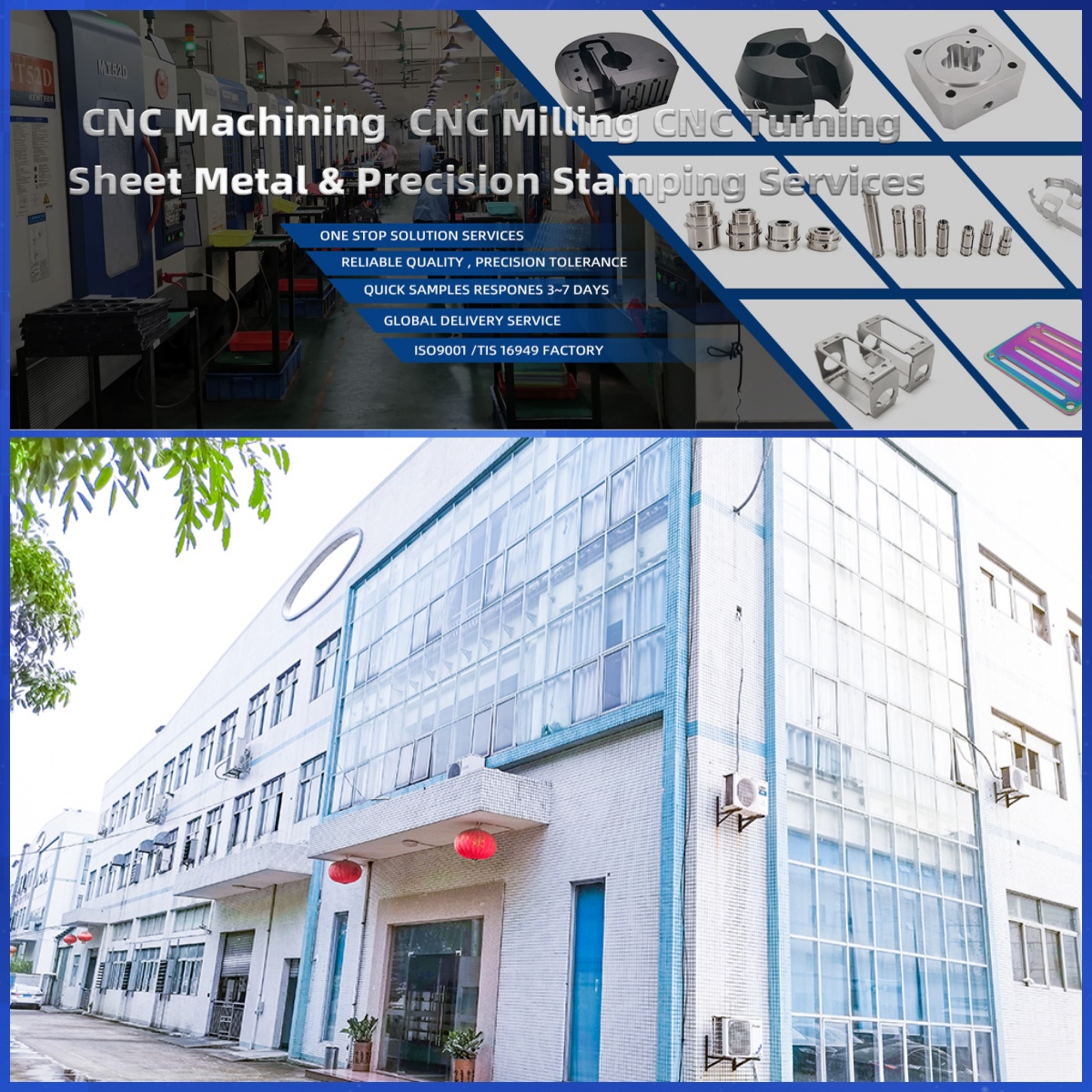
DongGuan YiTai Electronic Technologies Co.,Ltd
DongGuan YiTai Electronic Technologies Co.,Ltd is a manufacturing service provider located in Dongguan, China.
YiTai specialized in CNC turning machining and sheet metal fabrication mainly. As a member of Hung Mou Group, we focus on the overseas marketing development. And based on our parent company’s manufacturing capability and resources, YiTai also expended machining services such as die casting, injection molding, aluminum profile extrusion, 3D printing, which are committed to providing customers with one-stop purchasing services and experience.
CNC MACHINING , CNC MILLING , CNC TURNING , SHEETMETAL , FASTENER , OTHERS




Casting Small Aluminum Parts
Stainless Steel Knowledge Popularization: 304 Stainless Steel
Related Article