What is the Difference between Chrome Plating, Nickel Plating and Zinc Plating?
author: YITECH
2024-12-13
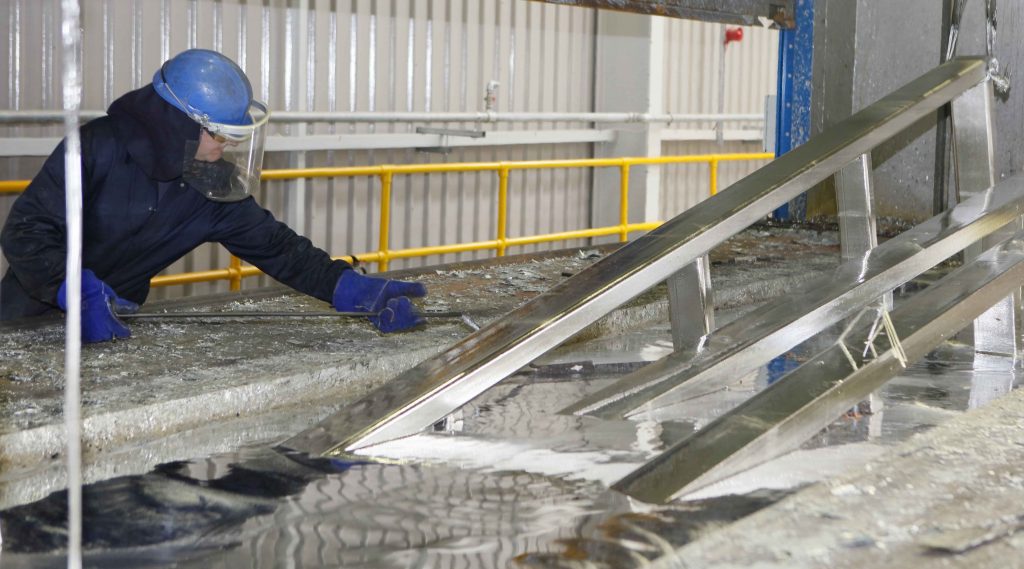
Our company provides high-quality zinc nickel plating services that offer superior corrosion resistance and durability for a wide range of applications in the automotive, aerospace, and industrial sectors.
First, let's understand what electroplating is. Electroplating is the process of depositing a thin layer of another metal or alloy on the surface of certain metals using electrolysis, which attaches a metal film to the surface of metal or other material components through an electrochemical reaction process, playing a role in preventing metal oxidation (such as rust), improving wear resistance, conductivity, reflectivity, corrosion resistance (such as copper sulfate), and enhancing aesthetics.
There are specific processes in electroplating, including copper plating, gold plating, silver plating, chrome plating, nickel plating, and zinc plating. In the manufacturing industry, zinc plating, nickel plating, and chrome plating are the most widely used. Today, let's take a look at the differences between these three.
1. Zinc Plating
Definition: Zinc plating refers to a surface treatment technique that plates a layer of zinc on the surface of metal, alloy, or other materials to achieve aesthetic and anticorrosive effects.
Characteristics: Low cost, general anticorrosion properties, and a silver-white color.
Applications: Screws, circuit breakers, and industrial goods.
2. Nickel Plating
Definition: The process of electroplating or chemically plating a layer of nickel on metal or certain non-metals is called nickel plating.
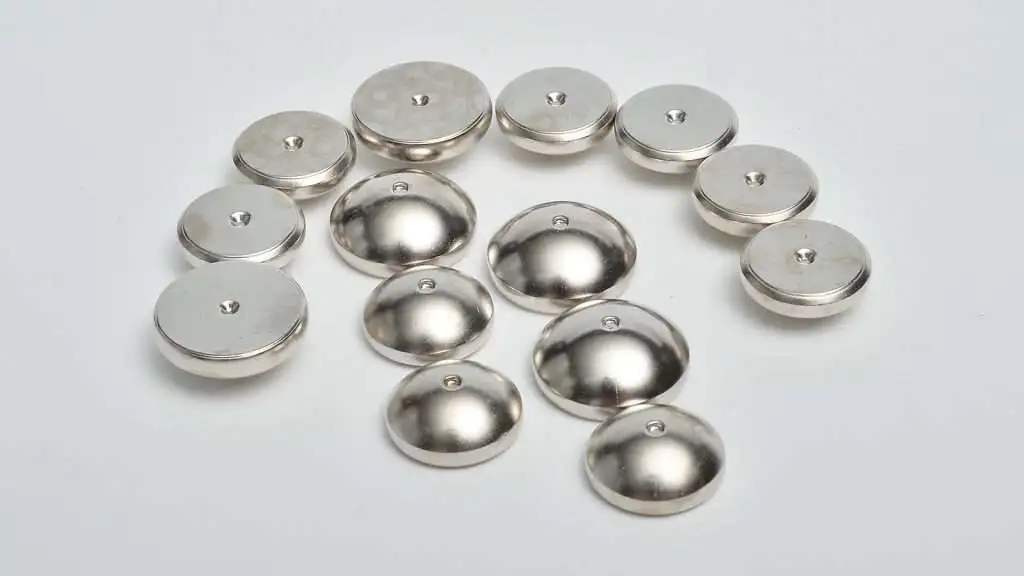
Characteristics: Aesthetic, can be used for decoration, relatively high cost, slightly complex process, and a color that is silver-white with a hint of yellow.
Applications: Energy-saving light bulb sockets, coins, and hardware parts.
3. Chrome Plating
Definition: Chromium is a bright white metal with light blue tones. The process of electroplating or chemically plating a layer of chromium on metal or certain non-metals is called chrome plating.
Characteristics: Chrome plating has two types. The first is for decorative purposes, with a shiny appearance and good wear resistance, which is better than oxidation but not as good as zinc plating in terms of rust prevention. The second type increases the hardness and wear resistance of metal parts, which is functional.
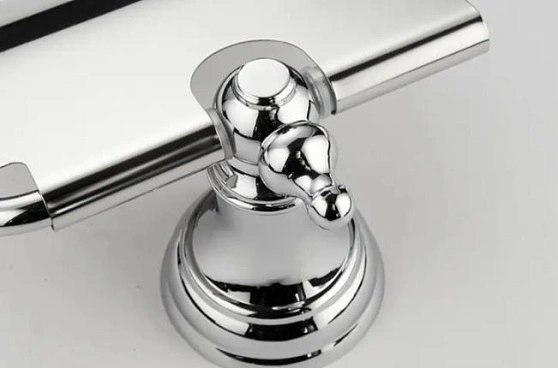
Applications: Bright decorative parts on home appliances, electronics, tools, and faucets.
Basic Differences:
1. Chrome plating mainly improves surface hardness and is aesthetically pleasing while preventing rust. The chromium layer has good chemical stability and does not react with alkalis, sulfides, nitric acid, and most organic acids, but can dissolve in hydrogen halide acid (such as hydrochloric acid) and hot sulfuric acid. Because chromium does not change color, it can maintain its reflectivity for a long time, making it better than silver and nickel. The process is generally electroplating.
2. Nickel plating is mainly wear-resistant, corrosion-resistant, and rust-proof, with a relatively thin thickness. The process can be divided into electroplating and chemical methods.
3. Zinc plating is mainly for aesthetics and rust prevention. Zinc is a reactive metal that can react with acid, so its corrosion resistance is poor, making it the cheapest of the three.
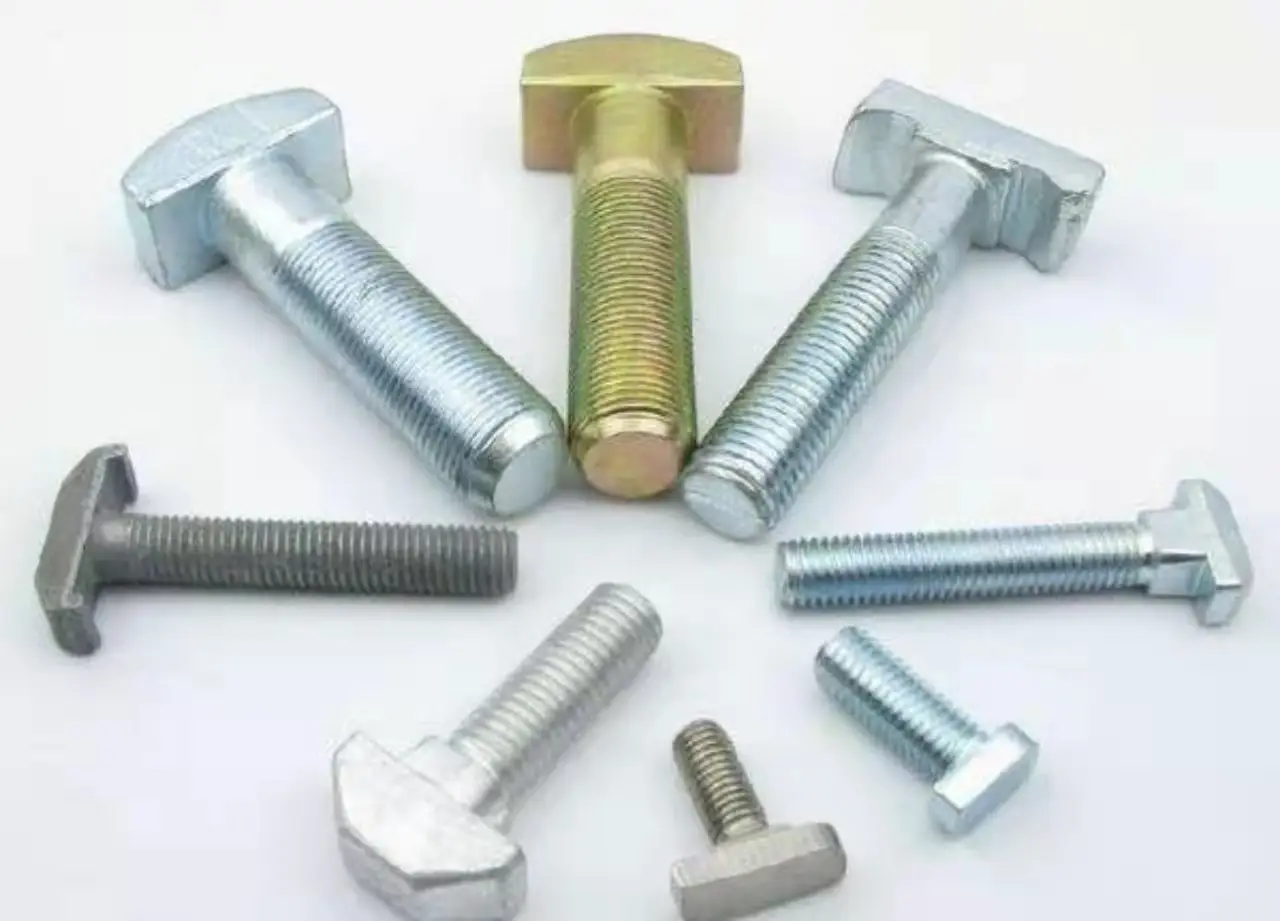
In terms of cost, chrome plating is the most expensive, followed by nickel, with zinc being the cheapest, and differences between hanging plating and rolling plating also exist, with hanging plating being more expensive and rolling plating being cheaper.
If you still cannot understand, don't worry, there is another way to differentiate among these processes by color:
Chrome plating is bright white, nickel plating has a slightly yellow hue, and zinc plating is silver-white (there are actually colored zinc, gray zinc, matte chrome, polished chrome, white nickel, and black nickel).
Do you want to learn more about plating? Or are you looking for plating metal service? Please do not hesitate to contact us for your need.
What is Passivation?
Galvanized steel plate-3
Related Article
Learn how metal spinning forms rotationally symmetric parts, compare process options, and review materials, applications, cost factors, and RFQ requirements.
Metal Spinning: How the Process Works and When to Use It
Explore precision metal fabrication processes, tolerance control, inspection, cost factors, and what to include in a custom-part RFQ.
Precision Metal Fabrication: From Drawing Review to Inspection