Yield Strength vs. Tensile Strength in the Hardware Industry: Key Differences & Uses
- What Are Yield Strength and Tensile Strength?
- Key Differences Between Yield Strength and Tensile Strength
- Yield Strength vs. Tensile Strength: Hardware Industry Comparison Table
- Why Yield & Tensile Strength Matter for Hardware Products
- Expert Opinion on Strength Selection in Hardware
- FAQ About Yield & Tensile Strength in Hardware
1. What Are Yield Strength and Tensile Strength?
What Is Yield Strength?
What Is Tensile Strength?
2. Key Differences Between Yield Strength and Tensile Strength

-
What They Measure
Yield strength measures when metal starts to deform permanently. Tensile strength measures when metal breaks completely. -
Order of Occurrence
In a force test, a metal reaches yield strength first. Then, if you keep applying force, it reaches tensile strength and breaks. You can never have tensile strength before yield strength. -
Why They Matter for Hardware
Yield strength tells you if a hardware product will “bend out of shape” during use. Tensile strength tells you if it will “break” during use. -
Focus in Hardware Design
For most hardware (like bolts or brackets), yield strength is more important. You don't want a bolt to bend permanently when you tighten it. For products that face extreme force (like heavy-duty wrenches), tensile strength is also critical—you don't want the wrench to snap.
3. Yield Strength vs. Tensile Strength: Hardware Industry Comparison Table
| Feature | Yield Strength | Tensile Strength |
|---|---|---|
| Definition | Force to cause permanent deformation | Force to cause complete breakage |
| Order in Force Test | Reached first | Reached last (before break) |
| Key Question for Hardware | “Will this product bend and stay bent?” | “Will this product break?” |
| Typical Value for 1018 Steel (common bolt material) | 290 MPa | 440 MPa |
| Typical Value for 6061 Aluminum (light brackets) | 276 MPa | 310 MPa |
| Typical Value for C3604 Brass (nuts, small parts) | 170 MPa | 330 MPa |
| Focus in Hardware Use | Most critical for everyday hardware (bolts, screws) | Critical for high-force hardware (wrenches, heavy brackets) |
4. Why Yield & Tensile Strength Matter for Hardware Products
1. Bolts and Nuts
2. Hand Tools (Wrenches, Pliers)
3. Structural Hardware (Brackets, Supports)
5. Expert Opinion on Strength Selection in Hardware
6. FAQ About Yield & Tensile Strength in Hardware
Q1: Why do I need to check both yield and tensile strength for hardware?
Q2: Can a hardware product have high tensile strength but low yield strength?
Q3: What's the best strength range for everyday bolts?
Q4: Is yield strength the same as hardness?
Q5: Do outdoor hardware products need higher yield/tensile strength?
Q6: How do manufacturers test yield and tensile strength?
Q7: Can I increase a metal's yield or tensile strength?
DongGuan YiTai Electronic Technologies Co.,Ltd
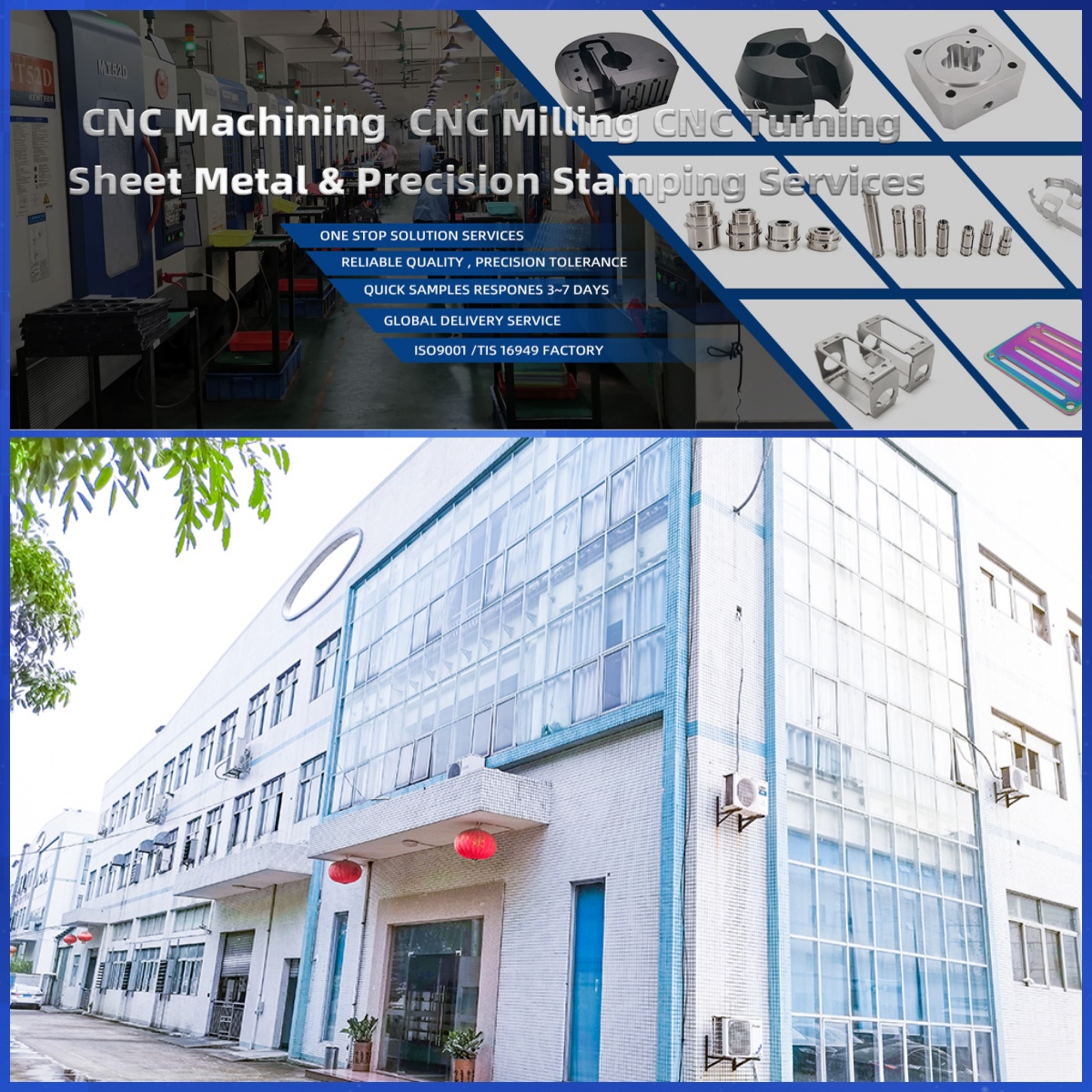
DongGuan YiTai Electronic Technologies Co.,Ltd is a manufacturing service provider located in Dongguan, China.
YiTai specialized in CNC turning machining and sheet metal fabrication mainly. As a member of Hung Mou Group, we focus on the overseas marketing development. And based on our parent company’s manufacturing capability and resources, YiTai also expended machining services such as die casting, injection molding, aluminum profile extrusion, 3D printing, which are committed to providing customers with one-stop purchasing services and experience.
CNC MACHINING , CNC MILLING , CNC TURNING , SHEETMETAL , FASTENER , OTHERS




Beveled vs Chamfered in the Hardware Industry
What is a CMM Machine?
Related Article