What 's CNC turning processing?
2024-06-13
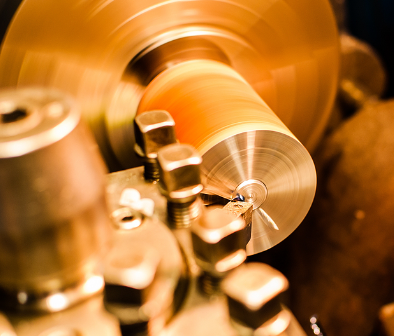
CNC turning is an efficient machining technology, which has become a popular machining method in the modern machining industry. This process allows for fully automated production, providing high processing precision, good repeatability, and high production efficiency. By decreasing manual operation, CNC turning significantly improves production efficiency and reduces labor costs. However, CNC turning also has its disadvantages, such as relatively high equipment and maintenance costs, as well as requiring operators with advanced technical skills. At the same time, it is also necessary to reserve a certain amount of material margin to cope with processing errors and completed size discrepancies.
Despite these challenges, CNC turning process is an efficient, high-precision, high-repeatability automatic machining method, but it still requires relatively high equipment investment and technical requirements, as well as the reservation of material waste.
Which products are suitable for CNC turning processing?
Products suitable for the CNC turning process include cylindrical, conical, and spherical parts with rotational symmetry. This method is also effective for machining slender, small, and medium-sized parts with small production quantities. Furthermore, CNC turning can handle materials that are difficult to process using traditional methods, such as high-hardness alloy materials, wood, and acrylic. Therefore, for high-precision, high-quality small-batch parts production, as well as for products with specific material requirements, choosing the CNC turning processing process is a suitable option.
What is stamping processing?
Regarding CNC Machining Processing
Related Article
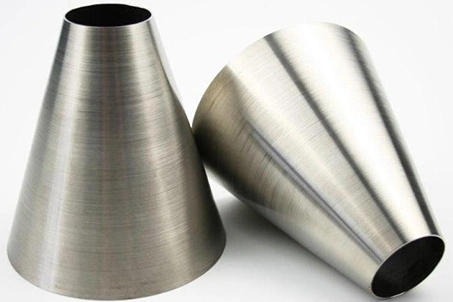
Learn how metal spinning forms rotationally symmetric parts, compare process options, and review materials, applications, cost factors, and RFQ requirements.
Metal Spinning: How the Process Works and When to Use It
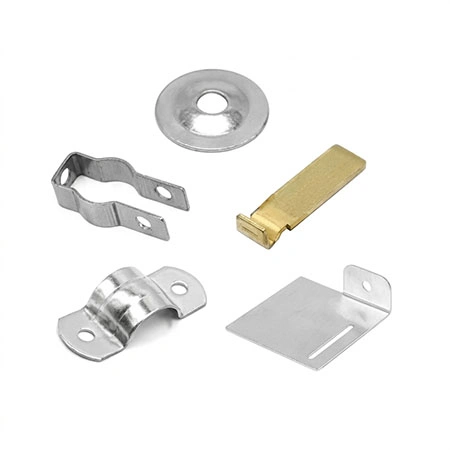
Explore precision metal fabrication processes, tolerance control, inspection, cost factors, and what to include in a custom-part RFQ.
Precision Metal Fabrication: From Drawing Review to Inspection