What is SOP in Precision CNC Machining?
1. Introduction to SOP
2. Why SOPs are Critical for CNC Machining

CNC machining makes complex and precise parts. Small mistakes can cause big problems. These problems include bad parts, machine damage, and safety issues. A good SOP helps prevent these problems.
Here are the main reasons why an SOP is important:
-
Consistent Quality: Every operator follows the same steps. This leads to uniform part quality.
-
Fewer Errors: Clear instructions reduce mistakes and wasted material.
-
Better Training: New operators can learn the correct process faster.
-
Safety: SOPs include important safety rules to protect workers.
-
Traceability: Every step is documented. You can track any issue back to its source.
3. The 7 Key Stages of a CNC Machining SOP
A complete CNC machining SOP usually has seven main stages.

3.1 Stage 1: Engineering Preparation
This stage happens before any cutting starts. Engineers check the customer's drawings. They confirm all sizes, tolerances, and materials. Then, they use CAM software to create the toolpaths. They also make a list of all tools needed and how to hold the part.
Key Check: The program must be simulated to check for errors.
3.2 Stage 2: Raw Material Preparation
The quality of the final part depends on the raw material. Workers get the correct material from storage. They cut it to a rough size.
Key Check: They must check the material certificate and look for surface defects.
3.3 Stage 3: Machine Setup
The operator prepares the machine. First, they warm up the machine. Then, they install the work-holding tool (like a vise). Next, they load all tools into the machine. Finally, they set the workpiece zero point and measure tool lengths.
Key Check: They must check tool runout and ensure the workpiece is clamped tightly.
3.4 Stage 4: First Article Inspection (FAI)
The first part made is called the "first article." The operator runs the program carefully, one step at a time. After making the first part, it goes to the quality team. They measure it completely using tools like calipers and CMMs.
Key Rule: Full production can only start after the first article is approved.
3.5 Stage 5: Mass Production & Process Control
Once approved, the machine runs automatically. The operator's job is to monitor the process. They remove chips, change worn tools, and check parts at regular intervals.
Key Check: They perform regular inspections on key dimensions to catch any drift.
3.6 Stage 6: Post-Processing
After machining, parts need finishing. This includes removing sharp edges (deburring) and cleaning off coolant and chips. Some parts may also get surface treatments like anodizing.
Key Check: All edges must be deburred, and threads must be tested with go/no-go gauges.
3.7 Stage 7: Final Inspection and Packaging
This is the last check before shipping. Quality control takes a sample of parts from the batch. They check them against the drawing. Good parts are cleaned, treated with rust preventive, and packed carefully to prevent damage in transit.
Key Check: Final AQL sampling and verification of packaging labels.
4. SOP in Action: A Comparison Table
The table below shows the difference between working with and without a strong SOP.
| Aspect | With a Strong CNC SOP | Without a Clear SOP |
|---|---|---|
| Quality Consistency | Very High. Every part follows the same process. | Low. Quality depends on the operator's skill and memory. |
| New Operator Training | Fast and Systematic. They follow the documented guide. | Slow and Inconsistent. They learn by watching others. |
| Response to Problems | Quick and Standardized. The SOP defines exact steps to take. | Slow and Confused. Responses vary by person, causing delays. |
| Safety Compliance | Built into every step. Safety rules are always followed. | Often ignored or forgotten, raising the risk of accidents. |
| Process Traceability | Complete. Every step and check is recorded. | Poor or None. Hard to find why a problem happened. |
5. Expert Insights on SOP Implementation
We asked a manufacturing expert, John Carter, a Production Manager with 20 years of experience, for his thoughts.
"Many shops think an SOP is just paperwork," says Carter. "But that's wrong. A living, well-used SOP is your best tool. It turns tribal knowledge into company knowledge. For example, our SOP requires a tool runout check during setup. This one simple step, written down, almost eliminated our finish quality problems from worn spindles. The key is to make the SOP clear and easy to follow. Then, you must train your team on it and require that they use it. It is the foundation of real continuous improvement."
6. Frequently Asked Questions (FAQs)
Q1: Is an SOP really necessary for small batch or prototype machining?
A: Yes. It is actually very important for prototypes. A good SOP ensures the prototype is made correctly. This gives you reliable data. It also establishes good habits from the start, which helps when you move to larger production.
Q2: How often should an SOP be updated?
A: You should review an SOP at least once a year. Also, update it immediately if you: get a new machine, have a repeated quality problem, or find a better/safer way to do a step. The SOP should be a living document.
Q3: What is the biggest challenge in implementing an SOP?
A: The biggest challenge is often getting team buy-in. Some experienced operators may think, "I know how to do my job." It is important to explain that the SOP is not for criticizing them. It is for ensuring consistency, helping new team members, and protecting everyone's safety. Involving operators in writing the SOP can help a lot.
Q4: Who is responsible for following the SOP?
A: Everyone is responsible. Operators must follow the steps. Supervisors must ensure the SOP is available and followed. Management must support its use and provide necessary resources.
Q5: Can a good SOP reduce machining costs?
A: Absolutely. By reducing errors, scrap, and rework, it saves material and machine time. By preventing crashes, it reduces expensive machine repairs. By making processes efficient, it saves labor time. The initial effort to create an SOP gives a strong return on investment.
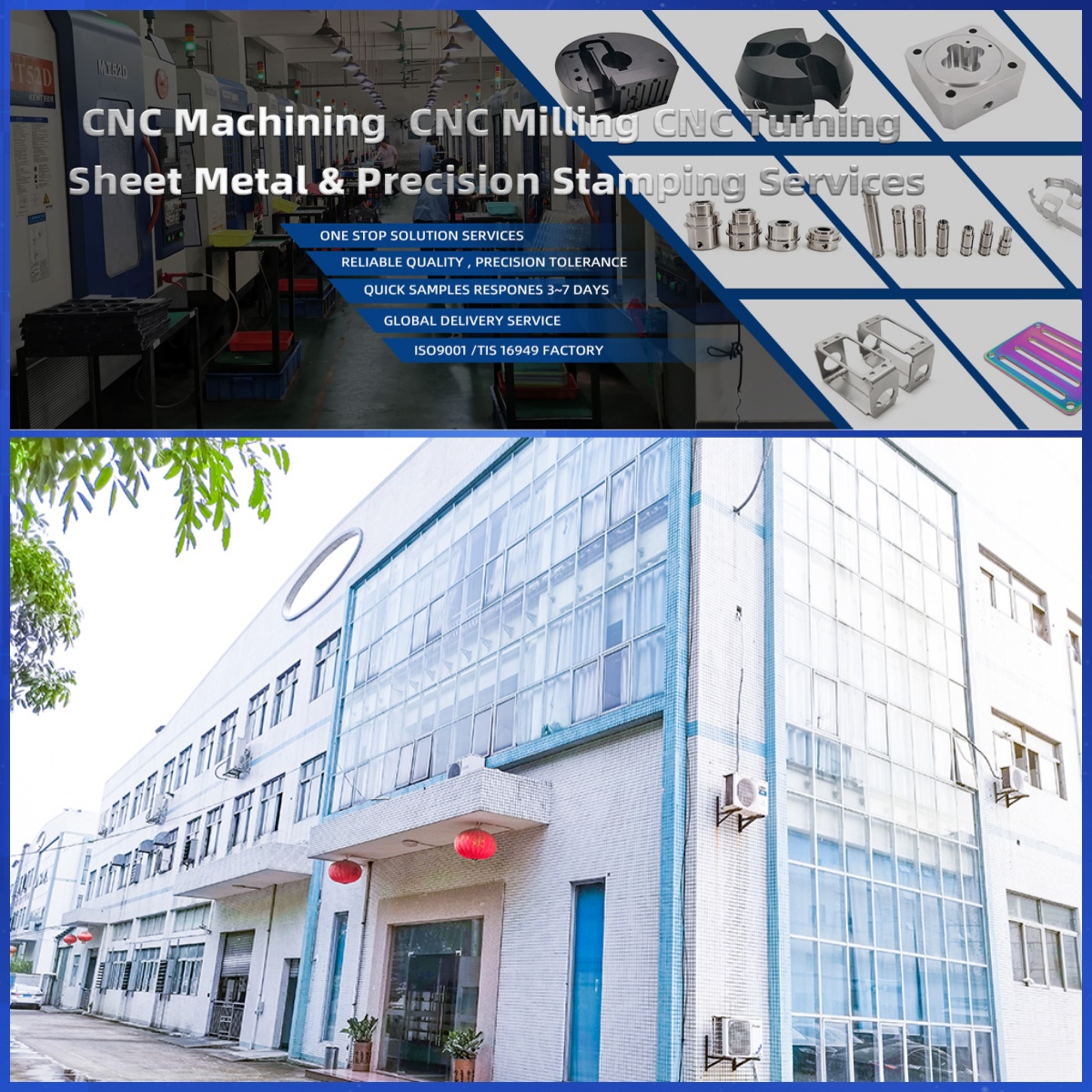
DongGuan YiTai Electronic Technologies Co.,Ltd
DongGuan YiTai Electronic Technologies Co.,Ltd is a manufacturing service provider located in Dongguan, China.
YiTai specialized in CNC turning machining and sheet metal fabrication mainly. As a member of Hung Mou Group, we focus on the overseas marketing development. And based on our parent company’s manufacturing capability and resources, YiTai also expended machining services such as die casting, injection molding, aluminum profile extrusion, 3D printing, which are committed to providing customers with one-stop purchasing services and experience.
CNC MACHINING , CNC MILLING , CNC TURNING , SHEETMETAL , FASTENER , OTHERS




The Ultimate Guide to Custom Sheet Metal Enclosures: Cutting to Powder Coating
Sheet Metal Parts: Materials, Processes, Applications & Our Capabilities
Related Article