What is PU?
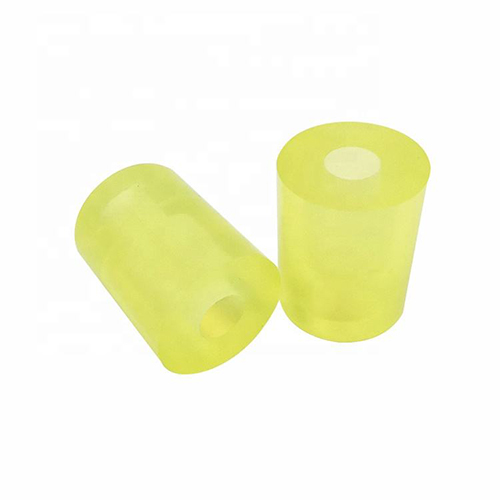
1. What Is PU (Polyurethane)?
2. Main Types of PU
1. Flexible (Soft) PU
- Flexible Foam: Used in mattresses, pillows, sofa cushions, and seat pads. It can bounce back after being pressed, so it stays comfortable for years.
- PU Elastomers: Used in shoe soles (especially running shoes), belt loops, and garden hoses. They stretch without breaking—for example, a PU shoe sole can stretch 100–300% of its original length and return to shape.
2. Rigid (Hard) PU
- Rigid Foam: Used in building insulation (walls, roofs), refrigerator liners, and shipping boxes for fragile items. It traps air inside, so it stops heat from moving in or out.
- Rigid Plastic: Used in car bumpers, electrical enclosures (for wires), and tool handles. It can withstand pressure without bending—for example, a PU car bumper can take small impacts without cracking.
3. PU Coatings & Adhesives
- Coatings: Used on wood floors, furniture, and metal parts. They form a shiny, scratch-resistant layer that protects surfaces from water or scratches.
- Adhesives: Used in construction (to stick tiles) and manufacturing (to bond plastic parts). They are stronger than many regular glues—some PU adhesives can hold 50kg of weight per square centimeter.
3. Key Properties of PU (With Real-Life Examples)
- High Durability: PU resists wear and tear better than many materials. A PU shoe sole can last 2–3 times longer than a rubber sole. It also doesn't crack easily in cold weather, which is why it's used in winter boots.
- Good Elasticity: PU can stretch and bounce back. A PU sofa cushion can be pressed thousands of times without losing its shape—unlike some foam cushions that flatten over time.
- Strong Chemical Resistance: PU doesn't react with oils, solvents, or water. A PU garden hose can carry oil or detergent without getting damaged. It also doesn't rot when wet, so it's used in outdoor furniture covers.
- Excellent Thermal Insulation: Rigid PU foam is one of the best insulation materials. A 5cm thick PU foam layer in a wall blocks as much heat as a 20cm thick brick wall. This is why it's used in fridges to keep food cold.
- Customizable Hardness: PU can be made from very soft (like a stress ball) to very hard (like a car part). No other plastic has this wide range of hardness.
4. PU vs. PA & PP: Detailed Comparison (From Previous Blogs)
|
Feature
|
PU
|
PA (Nylon)
|
PP (Polypropylene)
|
|
Flexibility
|
High (soft PU) to Low (hard PU)
|
Moderate (stiff but not brittle)
|
Low (rigid, can crack if bent)
|
|
Durability
|
Very High (resists wear/weather)
|
High (strong but wears over time)
|
Moderate (weak to sunlight/heat)
|
|
Chemical Resistance
|
Very Good (resists oils/water)
|
Good (resists oils, bad for acids)
|
Good (resists water, bad for oils)
|
|
Thermal Insulation
|
Excellent (rigid foam)
|
Poor
|
Poor
|
|
Elongation at Break
|
100–500% (can stretch far)
|
20–40% (stretches a little)
|
10–30% (stretches very little)
|
|
Cost
|
Medium (more than PP, less than PA)
|
High
|
Low
|
|
Common Uses
|
Foams, coatings, car parts
|
Gears, ropes, clothing fibers
|
Food containers, toys, packaging
|
5. Wide-Ranging Applications of PU

1. Everyday Home Products
- Furniture: Sofa cushions, armrests, and mattress toppers use flexible PU foam. It's softer than regular foam and lasts longer.
- Flooring & Decor: Wood floors use PU coatings to stay shiny and scratch-resistant. Outdoor patio furniture uses PU covers to resist rain and sun.
- Shoes & Accessories: Running shoes, boots, and backpack straps use PU. It's lightweight and comfortable—PU shoe soles weigh 30% less than rubber soles.
2. Automotive Industry
- Interior Parts: Car seats, dashboards, and door panels use PU foam. It makes the interior soft and reduces noise from the road.
- Exterior Parts: Car bumpers, mirror housings, and seal strips use rigid PU. Bumpers made of PU are lighter than steel, which helps cars use less fuel.
- Insulation: Car engines use PU insulation to keep heat in (for cold weather) and reduce noise.
3. Construction & Building
- Insulation: Walls, roofs, and pipes use rigid PU foam. It helps buildings stay warm in winter and cool in summer—saving up to 30% on energy bills.
- Adhesives & Coatings: Tiles, windows, and wooden beams use PU adhesives to stick together. Concrete floors use PU coatings to resist stains and cracks.
4. Industrial & Medical
- Industrial Parts: Conveyor belts, hoses, and machine gaskets use PU elastomers. They resist oil and high pressure, so they work well in factories.
- Medical Products: Some medical braces (for knees or wrists) use soft PU foam. It’s comfortable against skin and doesn’t cause irritation.
6. Expert Opinion on PU's Value
7. FAQ About PU
DongGuan YiTai Electronic Technologies Co.,Ltd
DongGuan YiTai Electronic Technologies Co.,Ltd is a manufacturing service provider located in Dongguan, China.
YiTai specialized in CNC turning machining and sheet metal fabrication mainly. As a member of Hung Mou Group, we focus on the overseas marketing development. And based on our parent company’s manufacturing capability and resources, YiTai also expended machining services such as die casting, injection molding, aluminum profile extrusion, 3D printing, which are committed to providing customers with one-stop purchasing services and experience.
CNC MACHINING , CNC MILLING , CNC TURNING , SHEETMETAL , FASTENER , OTHERS




Melting Point of Titanium: Key Facts and Applications
Titanium CNC Machining: Precision, Strength, and Applications
Related Article