What Is Milling? A Complete Guide to the CNC Machining Process, Operations, and Capabilities
1. What Is Milling? The Fundamentals
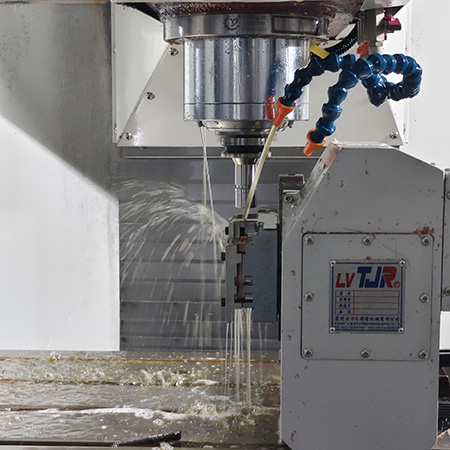
Milling is a subtractive manufacturing process. A rotating multi-point cutting tool removes material from a workpiece. The workpiece is clamped to a table. The table moves in X, Y, and Z directions. The tool spins at high speed and cuts the material away.
The result? You can create almost any shape from a block of metal, plastic, or composite. Pockets, slots, holes, threads, flat surfaces, curves, and complex 3D contours — all from one machine.
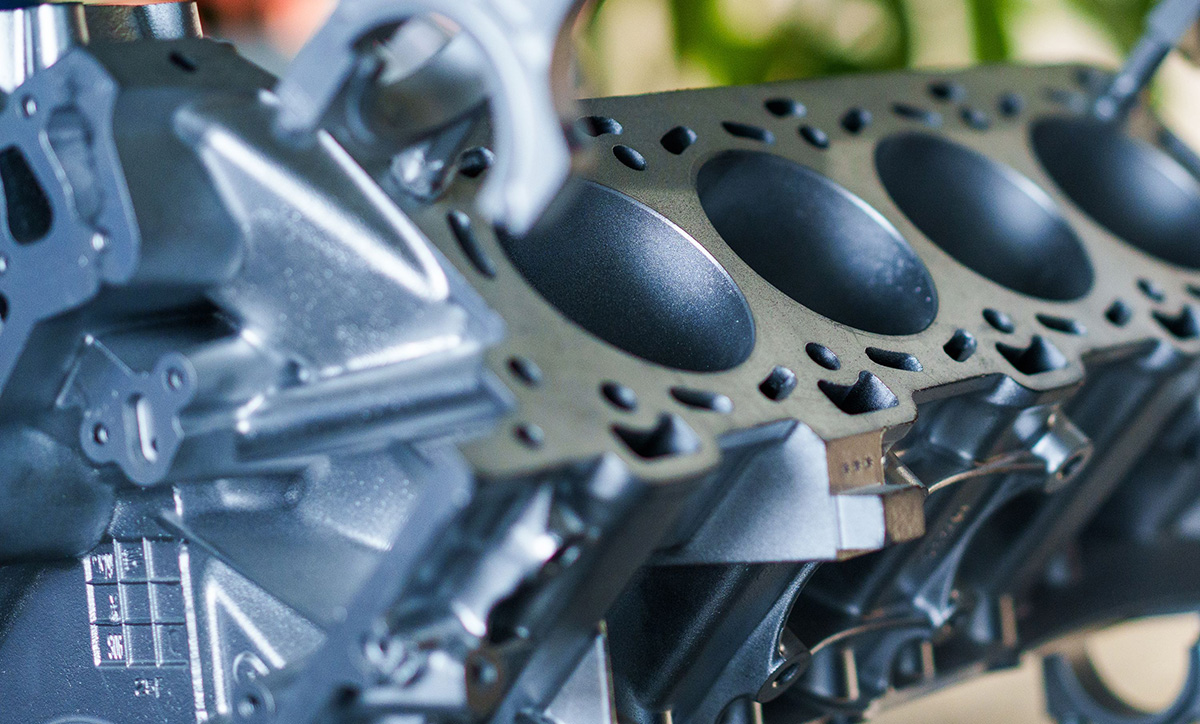
Milling is the backbone of modern manufacturing. It is used to make engine blocks, aircraft frames, medical implants, electronic enclosures, molds, and prototypes. If a part has precision features cut from solid material, milling probably made it.
1.1 How a Milling Machine Works
A milling machine has three main systems:
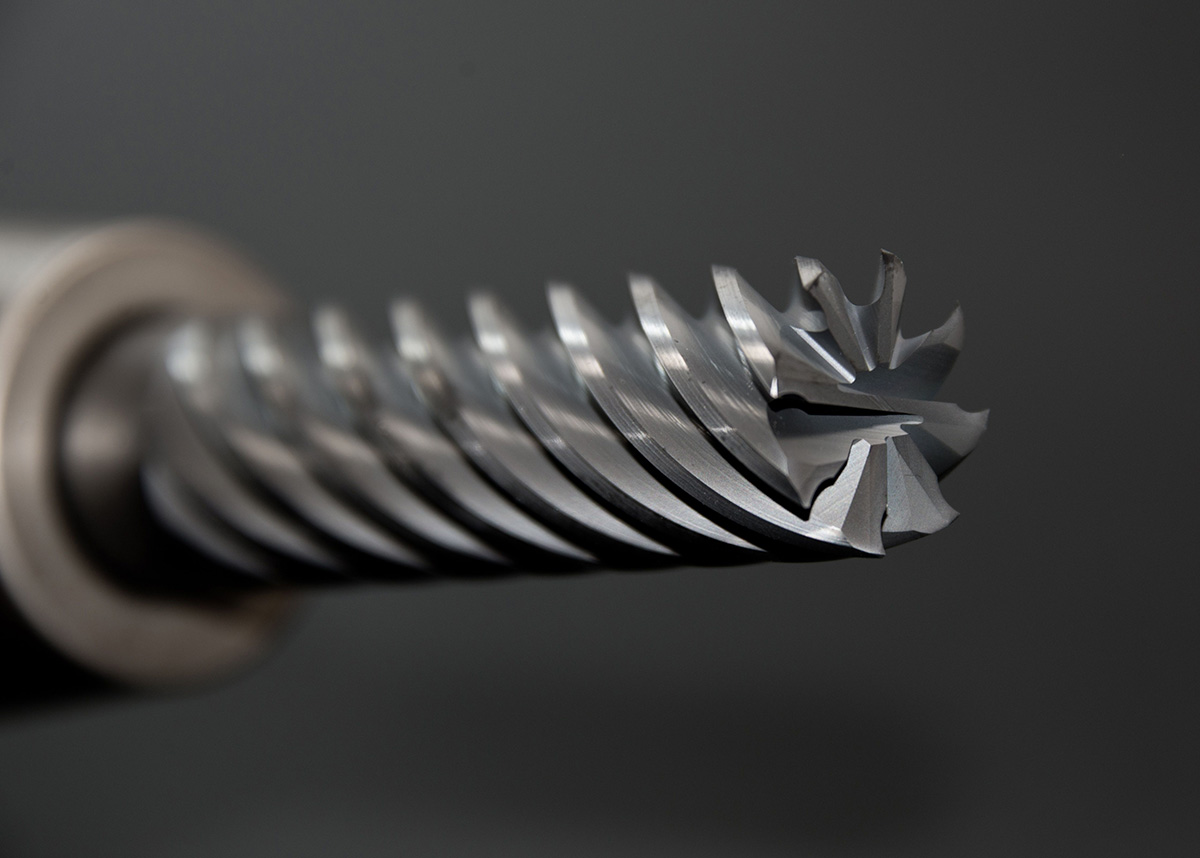
The cutting action is simple. The tool spins. The table feeds the workpiece into the tool. Each tooth of the cutting tool removes a small chip of material. Do this millions of times, and you have a finished part.
1.2 The Difference Between Milling and Turning
People often confuse milling and turning. Both are subtractive machining. Both use cutting tools. But they work in opposite ways:
| Feature | Milling | Turning |
|---|---|---|
| What moves | The tool rotates, the workpiece feeds | The workpiece rotates, the tool feeds |
| Workpiece shape | Block, plate, or irregular | Cylindrical (bar or tube) |
| Best for | Pockets, slots, flat surfaces, 3D contours | Round parts, threads, shafts |
| Tool type | Multi-point (end mill, face mill) | Single-point (turning insert) |
| Typical tolerance | ±0.02 mm | ±0.01 mm |
| Surface finish | Ra 0.8–3.2 μm | Ra 0.4–1.6 μm |
| Machine | Milling machine / machining center | Lathe / turning center |
The rule is simple: If the part is round, turn it. If the part is not round, mill it. Many parts need both — a shaft with a milled flat or a gear with a turned bore. That is why milling-turning combo machines (mill-turn centers) exist.
2. Types of Milling Operations
2.1 Face Milling, Peripheral Milling, and End Milling
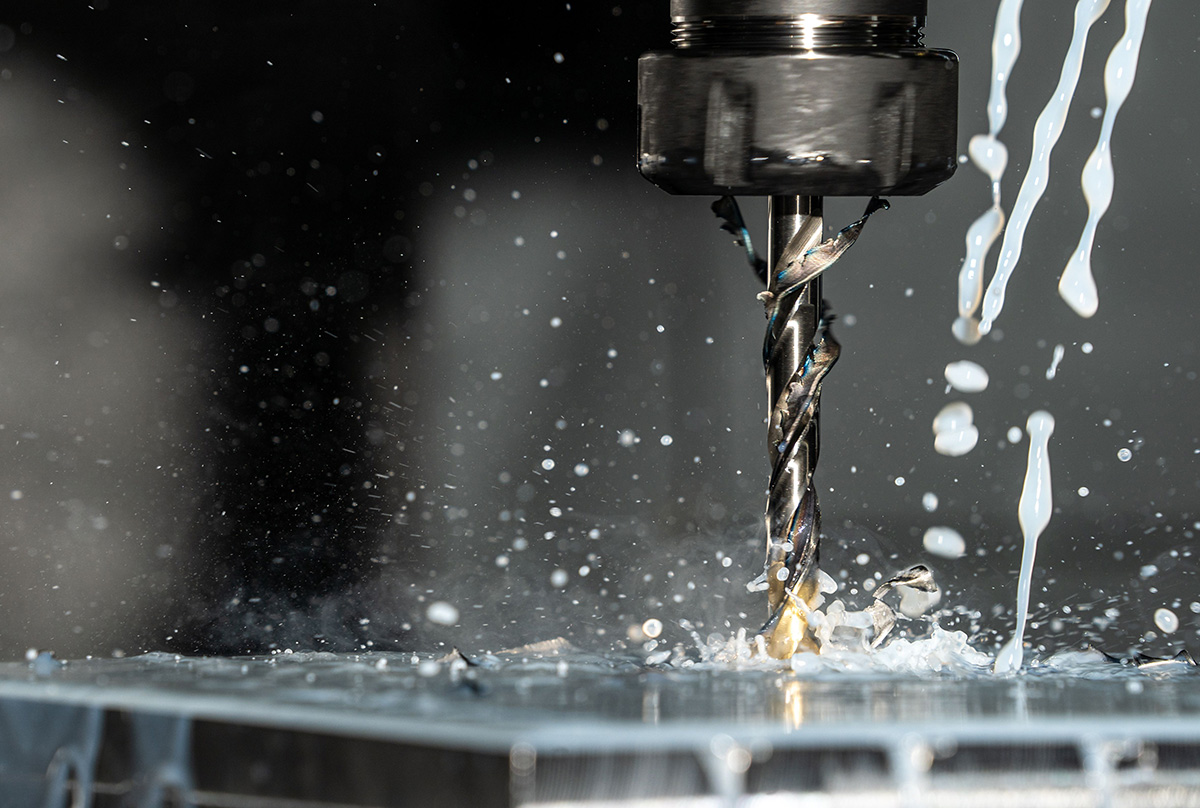
There are three basic milling operations. Each uses a different tool and produces a different result:
| Operation | Tool Used | What It Does | Typical Use |
|---|---|---|---|
| Face Milling | Face mill (large diameter, multiple inserts) | Cuts a flat surface on top of the workpiece | First operation — flattening the top of a block |
| Peripheral (Side) Milling | Side mill / slab mill | Cuts with the side of the tool, parallel to the axis | Slot walls, deep grooves, keyways |
| End Milling | End mill (small diameter, multiple flutes) | Cuts with both the end and side of the tool | Pockets, slots, profiles, 3D contours |
Beyond these three basics, there are specialized operations:
- Slot milling: Cutting a narrow channel (slot) into the workpiece.
- Pocket milling: Removing material to create a recessed cavity.
- Profile milling: Following a 2D or 3D path to create an outside contour.
- Thread milling: Using a single-point thread mill to cut internal or external threads.
- Drilling / Tapping: Although technically drilling, most CNC mills can do this in the same setup.
- Boring: Enlarging and finishing an existing hole to precise diameter.
2.2 3-Axis vs. 4-Axis vs. 5-Axis Milling
The number of axes controls what the machine can do. More axes = more complex parts = fewer setups = better accuracy. But also = higher cost.
| Feature | 3-Axis | 4-Axis | 5-Axis |
|---|---|---|---|
| Movement | X, Y, Z | X, Y, Z + rotary (A or B) | X, Y, Z + 2 rotary (A, B, or C) |
| Part complexity | Flat parts, simple pockets | Parts with features on multiple sides | Any shape, including turbine blades |
| Setups needed | Multiple (re-clamp for each side) | Fewer (rotary axis flips part) | Often just 1 setup |
| Accuracy | Good (but re-clamping adds error) | Better (less re-clamping) | Best (single setup = no re-clamp error) |
| Machine cost | $30k–$80k | $60k–$150k | $120k–$500k+ |
| Programming | Simple (2.5D CAM) | Medium (4-axis CAM) | Complex (5-axis CAM, collision check) |
| Best for | Brackets, plates, enclosures | Camshafts, impellers, rotary parts | Aerospace, medical implants, turbines |

For 80% of parts, a 3-axis CNC mill is enough. If your part has features on 2 or 3 sides, 4-axis saves time. If your part has complex curves, undercuts, or features on 5 sides, you need 5-axis. The jump from 3-axis to 5-axis is not just about the machine — it also requires more skilled programming and more expensive CAM software.
"The biggest mistake I see is companies buying 5-axis machines for parts that only need 3-axis. A 5-axis machine costs 4x more, programs 3x slower, and requires a more skilled operator. If your part is a bracket with holes, buy a 3-axis. Save the 5-axis for parts that actually need it."
— Mark Schneider, Applications Engineering Manager, DMG MORI USA
3. Materials, Tolerances, and Surface Finish
3.1 What Can You Mill?
Milling is material-agnostic. If a material is solid and can be cut, it can be milled. Here is the range:
| Material | Machinability | Recommended Tool | Spindle Speed | Notes |
|---|---|---|---|---|
| Aluminum 6061 | Excellent | Carbide, uncoated or ZrN | 8,000–20,000 RPM | Fast cutting, low tool wear |
| Steel 1018 | Good | Carbide, TiAlN coated | 2,000–6,000 RPM | Standard structural steel |
| Stainless 304 | Fair (work hardens) | Carbide, TiAlN or AlTiN | 1,500–4,000 RPM | Use sharp tools, high feed |
| Hardened steel (50+ HRC) | Difficult | Carbide, CBN or diamond coated | 1,000–3,000 RPM | Slow feed, flood coolant |
| Titanium Ti-6Al-4V | Difficult | Carbide, AlTiN coated | 500–2,000 RPM | Low speed, high feed, lots of coolant |
| Brass / Copper | Excellent | HSS or carbide | 5,000–15,000 RPM | Soft, gummy — use sharp tools |
| Plastics (Delrin, UHMW) | Good | Sharp HSS or carbide | 3,000–10,000 RPM | Watch for melting — use air blast |
| Composite / CFRP | Fair (abrasive) | Diamond coated | 5,000–15,000 RPM | Tool wear is extreme — diamond only |
3.2 Achievable Tolerances and Surface Quality
What can a good CNC mill actually achieve? Here are the realistic production numbers:
| Parameter | Standard CNC Milling | Precision CNC Milling |
|---|---|---|
| Dimensional tolerance | ±0.05 mm | ±0.01 mm |
| Hole position | ±0.05 mm | ±0.02 mm |
| Hole diameter | ±0.03 mm | ±0.01 mm |
| Flatness | 0.05 mm / 100 mm | 0.02 mm / 100 mm |
| Parallelism | 0.05 mm / 100 mm | 0.02 mm / 100 mm |
| Surface roughness (Ra) | 0.8–3.2 μm | 0.4–0.8 μm |
| Threaded hole | 6H class | 4H class |
| Minimum feature size | 0.5 mm | 0.1 mm (micro-milling) |
For most OEM parts, ±0.05 mm and Ra 1.6 μm is the standard spec. Aerospace and medical parts often need ±0.01 mm and Ra 0.4 μm — this requires a precision-grade machine, temperature-controlled environment, and high-quality tooling.
"Milling is not about the machine alone. It is about the machine, the tool, the workholding, the coolant, and the operator working together. A $200,000 machine with a dull tool and a bad fixture will produce worse parts than a $30,000 machine with sharp tools and good fixturing."
— Dr. Klaus Werner, Head of Machining Research, Fraunhofer IPT
4. CNC Machining Capabilities at DongGuan YiTai
Your One-Stop CNC Milling and Machining Partner
At DongGuan YiTai Electronic Technologies, we operate a full CNC machining facility. We mill, turn, drill, and finish parts from prototype to production. One PO. One quality system. One delivery date.
Our CNC milling capabilities:
- 3-axis CNC vertical machining centers (work envelope: 600 × 400 × 500 mm)
- 4-axis CNC machining center with rotary table for multi-side parts
- 5-axis CNC machining center for complex aerospace and medical parts
- CNC turning centers (bar capacity Ø65 mm, chuck Ø250 mm)
- Spindle speed: Up to 24,000 RPM for aluminum, down to 500 RPM for titanium
- Tolerance: ±0.02 mm standard, ±0.01 mm on precision jobs
- Surface finish: Ra 0.4 μm (milled), Ra 0.2 μm (ground)
- Materials: Aluminum (6061, 7075), Steel (1018, 1045, 4140), Stainless (304, 316, 17-4PH), Titanium, Brass, Copper, Plastics
- Tooling: Full carbide tool library, TiAlN/AlTiN/Diamond coatings, custom fixtures
- Surface finishing: Anodizing (Type II/III), powder coating, plating, brushing, polishing
- Inspection: CMM (Zeiss), surface roughness tester, bore gauge, thread gauge
- Programming: Mastercam, Fusion 360, Siemens NX — full 3+2 and 5-axis CAM
- Batch size: 1 piece (prototype) to 10,000 pieces (production)
- Lead time: 5–7 days (prototype), 2–3 weeks (production)
What makes us different:
- We do milling, turning, and surface finishing in one facility — no outsourcing, no quality gaps.
- We review every design for manufacturability (DFM) before quoting — we catch problems before they cost you money.
- We provide first-article inspection reports (CMM data) with every new part.
- We can handle both low-volume prototyping and high-volume production with the same quality system.
Need CNC Milled Parts? Get a Quote in 24 Hours.
Send us your STEP file, drawing, or sketch. We will review it, suggest the best process, and send you a quote — usually within 24 hours. No minimum order on prototypes.
Request Your CNC Milling Quote5. Frequently Asked Questions
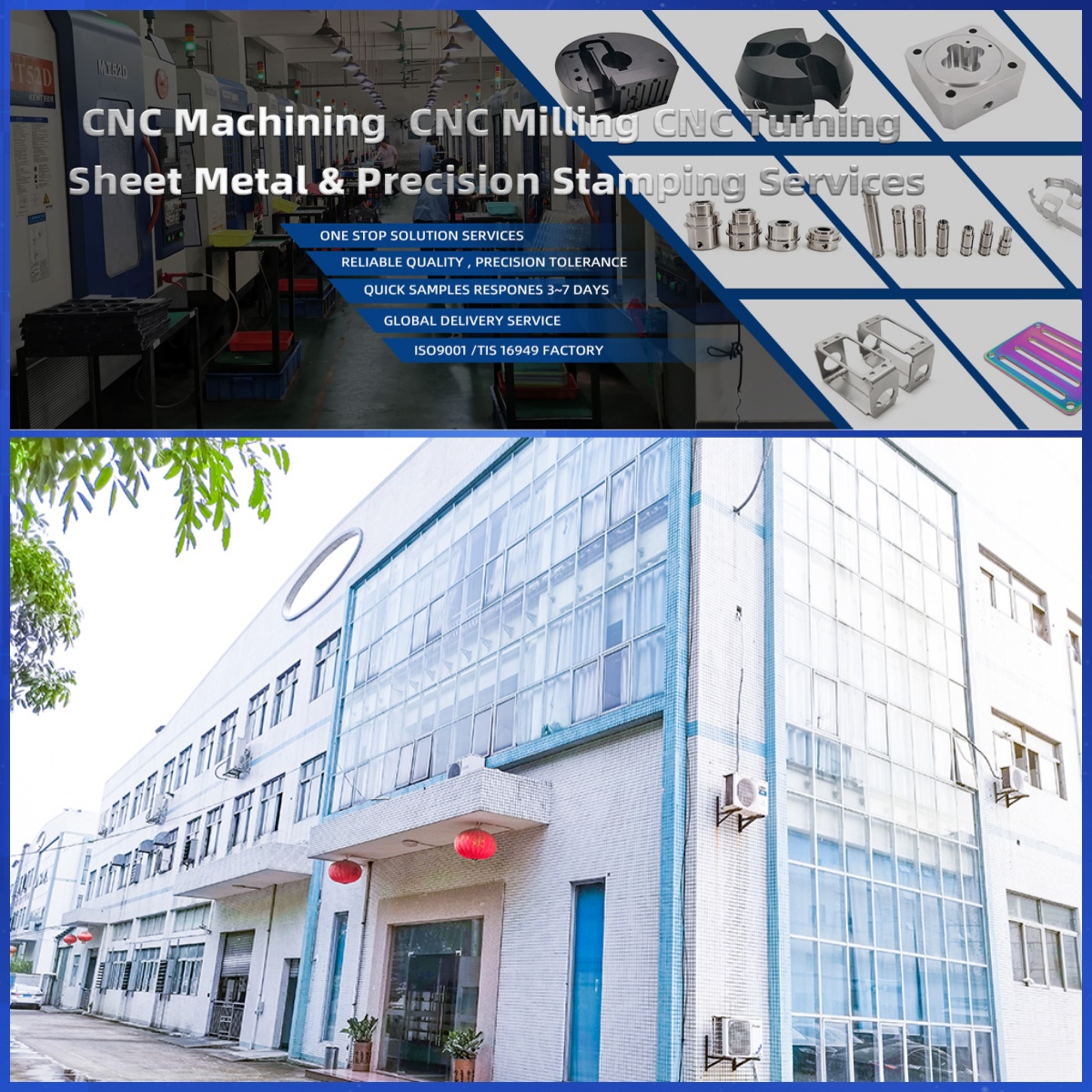
DongGuan YiTai Electronic Technologies Co.,Ltd
DongGuan YiTai Electronic Technologies Co.,Ltd is a manufacturing service provider located in Dongguan, China.
YiTai specialized in CNC turning machining and sheet metal fabrication mainly. As a member of Hung Mou Group, we focus on the overseas marketing development. And based on our parent company’s manufacturing capability and resources, YiTai also expended machining services such as die casting, injection molding, aluminum profile extrusion, 3D printing, which are committed to providing customers with one-stop purchasing services and experience.
CNC MACHINING , CNC MILLING , CNC TURNING , SHEETMETAL , FASTENER , OTHERS




Swiss Turning vs Traditional CNC Turning: Which Process Is Right for Your Precision Parts?
CNC Honing: The Precision Surface Finishing Process for Cylinder Bores, Hydraulic Cylinders, and Critical Holes
Related Article