What is stamping processing?
2024-06-13

The stamping process is a widely used mechanical process in the field of metal material processing, often used to produce sheet metal parts. Its main advantages are high production efficiency, low cost, and high precision. It is also suitable for mass production, maintaining high workpiece quality and dimensional accuracy. Moreover, the process can be applied to many different types of materials without damaging the surface. However, there are also disadvantages, like the inflexible production of parts requiring fixation and the high noise during production. All in all, the stamping process has the advantages of high production efficiency and simple production process, but there are also disadvantages such as inflexible-production requirements and noise problems.
Which products are suitable for stamping processing?
Products suitable for the stamping process usually include mass production of metal parts, like automobile parts, aircraft parts, electronic and electrical parts, hardware tool parts, etc. In addition, small metal parts that require high precision and quality, such as electronic components, and mobile phone shells, can also be produced by stamping processing. If you need to produce a single model, a specific specification, or a large number of high-precision products, the use of stamping processing technology will have great advantages. The stamping process is also suitable for producing products with various materials and urgent processing needs for different shapes. Typically, when processing metal sheets into parts with complex shapes, the stamping process ensures accuracy and dimensional consistency while providing an efficient and cost-effective production method.
What is precision wire EDM machining
What 's CNC turning processing?
Related Article
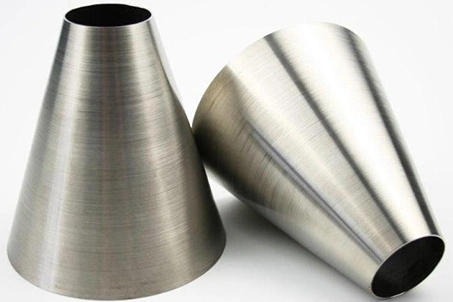
Learn how metal spinning forms rotationally symmetric parts, compare process options, and review materials, applications, cost factors, and RFQ requirements.
Metal Spinning: How the Process Works and When to Use It
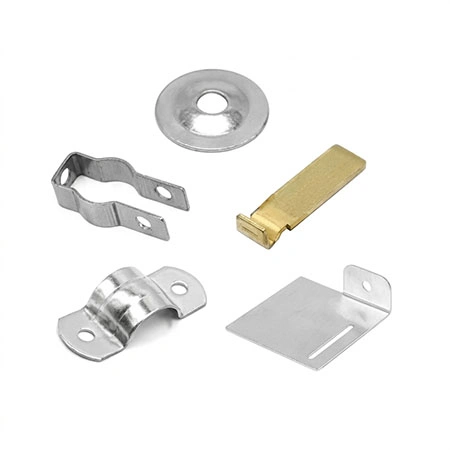
Explore precision metal fabrication processes, tolerance control, inspection, cost factors, and what to include in a custom-part RFQ.
Precision Metal Fabrication: From Drawing Review to Inspection