What is Injection Molding and How Does It Work
2024-06-15

Injection molding is a well-established manufacturing process that is widely used for creating a variety of products. The process starts with melting plastic and then injecting it into a mold under high pressure, resulting in a highly accurate and consistent product. Injection molding is perfect for making complex shapes, and its flexibility makes it a cost-effective method for both large-scale production and smaller runs.
Injection molding is a method of processing in which melted plastic is injected into a mold under high pressure. The plastic parts are then removed after cooling and hardening.
The process principle is as follows:
1. The plastic is heated in the heater to turn it into a molten state.
2. The molten plastic is pushed into the injection cylinder by the screw of the injection molding machine.
3. Through mechanical movement, high pressure is applied in the injection cylinder to shoot the plastic into the mold.
4. After the plastic is filled in the mold, the temperature of the area rises sharply, and the high pressure in the injection cylinder remains unchanged at this time, so that the plastic is filled into every detail of the mold.
5. The plastic in the mold is cooled and cured within the setting time, which depends on the type and size of the plastic.
6. After the plastic is cooled and hardened, the mold opener opens the mold and takes out the plastic parts.
7. The removed plastic parts need to go through follow-up treatment such as deburring and trimming, and finally make a finished product.
The core principle of the injection molding process is to inject the molten plastic into the mold through high pressure injection, and get the desired shape of the plastic part after hardening in the mold. The process has the characteristics of short production cycle, high precision, strong mass production capacity, etc., and is widely used in the field of plastic processing.
1. The plastic is heated in the heater to turn it into a molten state.
2. The molten plastic is pushed into the injection cylinder by the screw of the injection molding machine.
3. Through mechanical movement, high pressure is applied in the injection cylinder to shoot the plastic into the mold.
4. After the plastic is filled in the mold, the temperature of the area rises sharply, and the high pressure in the injection cylinder remains unchanged at this time, so that the plastic is filled into every detail of the mold.
5. The plastic in the mold is cooled and cured within the setting time, which depends on the type and size of the plastic.
6. After the plastic is cooled and hardened, the mold opener opens the mold and takes out the plastic parts.
7. The removed plastic parts need to go through follow-up treatment such as deburring and trimming, and finally make a finished product.
The core principle of the injection molding process is to inject the molten plastic into the mold through high pressure injection, and get the desired shape of the plastic part after hardening in the mold. The process has the characteristics of short production cycle, high precision, strong mass production capacity, etc., and is widely used in the field of plastic processing.
Injection molding is a widely used plastic processing technology, its advantages and disadvantages are as follows:
Advantages:
1. High efficiency in mass production of plastic products.
2. High precision in product size and shape.
3. Smooth appearance without defects.
4. Low manufacturing cost due to mass production capacity.
5. Wide material selection: Injection molding works with various plastic materials, such as PE, PP, PS, ABS, PC, etc.
5. Wide material selection: Injection molding works with various plastic materials, such as PE, PP, PS, ABS, PC, etc.
Disadvantages:
1. High mold manufacturing cost and cycle time.
2. High initial investment in machinery and specialized personnel.
3. Not suitable for producing large or ultra-large products due to equipment limitations.
4. Environmental impact due to high energy and plastic material consumption during production.
FQA for Machining
What is precision wire EDM machining
Related Article
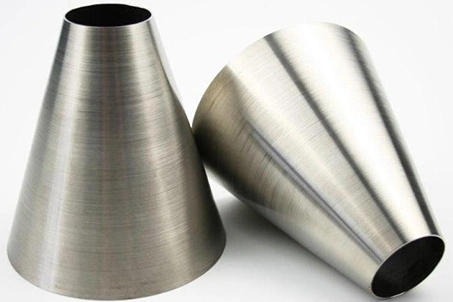
Learn how metal spinning forms rotationally symmetric parts, compare process options, and review materials, applications, cost factors, and RFQ requirements.
Metal Spinning: How the Process Works and When to Use It
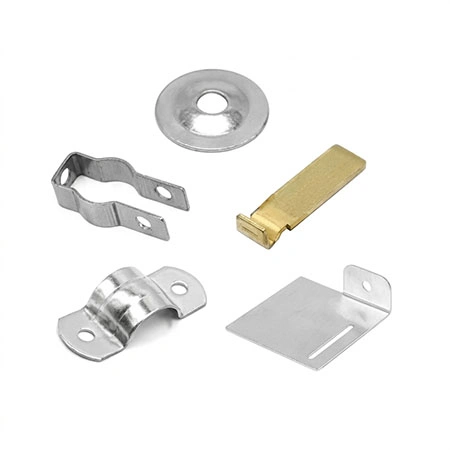
Explore precision metal fabrication processes, tolerance control, inspection, cost factors, and what to include in a custom-part RFQ.
Precision Metal Fabrication: From Drawing Review to Inspection