What is Galvanizing? A Complete Guide to Corrosion Protection for CNC Machined Steel Parts

When steel comes into contact with moisture and oxygen, it begins to corrode. This is a major problem for many components, whether they are car chassis, outdoor fasteners, or electrical enclosures—all these parts need protection.
Galvanization is the solution. It's a simple process that covers the steel surface with a layer of zinc. This zinc layer prevents rust and is long-lasting. This guide will explain how galvanization works, introduce different types of galvanization, and illustrate why CNC-machined
steel parts require this protection.
1. What is Galvanizing? Basic Principles
Galvanizing is a process. It puts a zinc coating on steel or iron. The zinc bonds to the steel. It does not just sit on top. This coating protects the steel in two ways.

Electrochemical Protection: Sacrificial Anode
Zinc is more reactive than steel. When water hits the surface, zinc corrodes first. It gives up its electrons to the steel. This is called sacrificial anode protection. Even if the coating gets scratched, the exposed steel stays safe. The zinc around the scratch protects it.
Physical Barrier and Self-Healing
The zinc layer is a physical barrier. It stops air and water from reaching the steel. And if the coating gets damaged, zinc corrosion products can fill the scratch. This self-healing property makes galvanizing very reliable.
2. Common Galvanizing Process Types
Not all galvanizing is the same. Different processes give different results. The table below shows the main types.
| Process | How It Works | Coating Thickness | Best For |
|---|---|---|---|
| Hot-Dip Galvanizing | Steel dipped in molten zinc at 450°C | 50–150 microns | Large parts. Structural steel. Outdoor use. |
| Electro-Galvanizing | Zinc applied by electric current in a bath | 5–25 microns | Precision parts. Threaded components. Smooth finish. |
| Mechanical Plating | Zinc powder tumbled with parts and glass beads | 5–50 microns | Small parts. Fasteners. Parts that cannot take heat. |
| Zinc-Nickel Alloy | Electroplating with zinc-nickel mix | 5–25 microns | Highest corrosion resistance. Automotive fuel systems. |
Hot-Dip Galvanizing
This is the classic method. The steel part goes into a bath of molten zinc. The zinc bonds with the steel. The coating is thick. It is very tough. It lasts for decades. But it can add thickness to threads. For precision parts, we leave room for the coating.
Electro-Galvanizing
This uses electricity. The part goes into a zinc solution. An electric current pulls zinc onto the surface. The coating is thin and even. It keeps the part dimensions accurate. This is good for CNC machined parts with tight tolerances.
Mechanical Plating
This is a cold process. Parts go into a barrel with zinc powder and glass beads. The beads hammer the zinc onto the surface. No heat. No hydrogen embrittlement. This is good for small, hard parts like springs and clips.
Zinc-Nickel Alloy
This is an upgrade. The coating is zinc with 10–15% nickel. It is stronger than pure zinc. It lasts 2 to 3 times longer in salt spray tests. It is used in automotive engine bays and brake systems.
3. Why CNC Machined Steel Parts Need Galvanizing
CNC machining makes precise steel parts. But machining does not stop rust. A machined part has clean surfaces. It has sharp edges. These areas rust fast.

Common Applications
These parts often need galvanizing.
-
Automotive chassis parts: Control arms, brackets, mounts
-
Outdoor fasteners: Bolts, screws, washers
-
Electrical connectors: Grounding bars, enclosures
-
Architectural hardware: Hinges, locks, handrails
Protection During Transport and Storage
A galvanized part can sit in a warehouse for months. It will not rust. A bare steel part will rust in days. For parts shipped overseas, galvanizing is essential.
4. Performance Gains After Galvanizing
Galvanizing changes how a part performs. It also changes how it looks.
Salt Spray Test Results
The salt spray test is the standard for corrosion resistance. Parts go into a chamber with salt mist. We measure how many hours pass before rust appears.
| Finish | Salt Spray Hours (First White Rust) |
|---|---|
| Bare Steel | 1–4 hours |
| Electro-Galvanized (5–8 microns) | 48–96 hours |
| Electro-Galvanized (12–15 microns) | 120–200 hours |
| Hot-Dip Galvanized | 500–1,000 hours |
| Zinc-Nickel | 300–600 hours |
Appearance Options
Galvanizing is not just silver. We can add color with passivation. This is a chemical after-treatment.
-
Clear/Blue zinc: Bright silver with a blue tint. Common for fasteners.
-
Yellow zinc: Gold color. Good for automotive parts.
-
Black zinc: Matte black. Used for military and tool applications.
-
Olive drab: Greenish. Used for heavy equipment.
5. Expert Insight: Choosing the Right Zinc Finish
“I see a lot of engineers pick a coating without thinking about the part’s use. If the part has threads, hot-dip is risky. The thick coating can change the fit. For threaded parts, we use electro-galvanizing. We also talk about hydrogen embrittlement. For high-strength steel parts, we do a baking step after plating. This removes trapped hydrogen. It stops the part from cracking. These small details make a big difference.”
— Surface Finishing Manager, DongGuan YiTai Electronic Technologies
6. One-Stop Service: CNC Machining + Galvanizing
At 'DongGuan YiTai Electronic Technologies' , we do more than machining. We also do surface finishing. We run in-house electro-galvanizing lines. This means your parts go from the CNC machine to the plating tank without leaving our shop.
The benefits are clear.
-
No shipping delays: Parts do not go to another vendor.
-
Better quality: We control both processes.
-
Single point of contact: One team handles everything.
Send us your steel part drawing. Tell us the use environment. We will recommend the right zinc finish. We will also give you a quote that covers both machining and plating.
7. Frequently Asked Questions (FAQ)
Q: What is the difference between galvanized and stainless steel?
A: Galvanized steel is carbon steel with a zinc coating. It is cheaper. It is strong. It needs the coating to stop rust. Stainless steel has chromium in the metal. It resists rust without a coating. It costs more. For most outdoor steel parts, galvanizing is the cost-effective choice.
Q: Does galvanizing change the size of my CNC machined part?
A: Yes. Electro-galvanizing adds 5 to 25 microns. Hot-dip adds 50 to 150 microns. For threaded holes and press-fit features, we account for this. We leave extra space in the machining step. Tell us the final use. We will adjust the dimensions.
Q: How long does galvanizing last outdoors?
A: It depends on the environment. In a dry area, hot-dip galvanizing can last 50 years. In a coastal area, electro-galvanizing lasts 5 to 10 years. Zinc-nickel lasts longer. We use salt spray test data to estimate life for your specific use.
Q: Can I weld a galvanized part?
A: Yes, but with care. The zinc burns off near the weld. You must re-coat the welded area. Also, welding zinc fumes are toxic. You need good ventilation. For parts that will be welded, we sometimes leave the weld area uncoated. We apply a zinc-rich paint after welding.
Q: What is white rust?
A: White rust is a powdery white residue. It forms when galvanized parts get wet and have no air flow. It is zinc corrosion. It does not harm the steel below. But it looks bad. To avoid it, store galvanized parts in a dry place with good air flow.
Q: Does DongGuan YiTai Electronic Technologies offer all types of galvanizing?
A: We specialize in electro-galvanizing with clear, yellow, black, and zinc-nickel finishes. For hot-dip galvanizing, we partner with trusted local shops. This lets us offer the full range while keeping quality control tight.
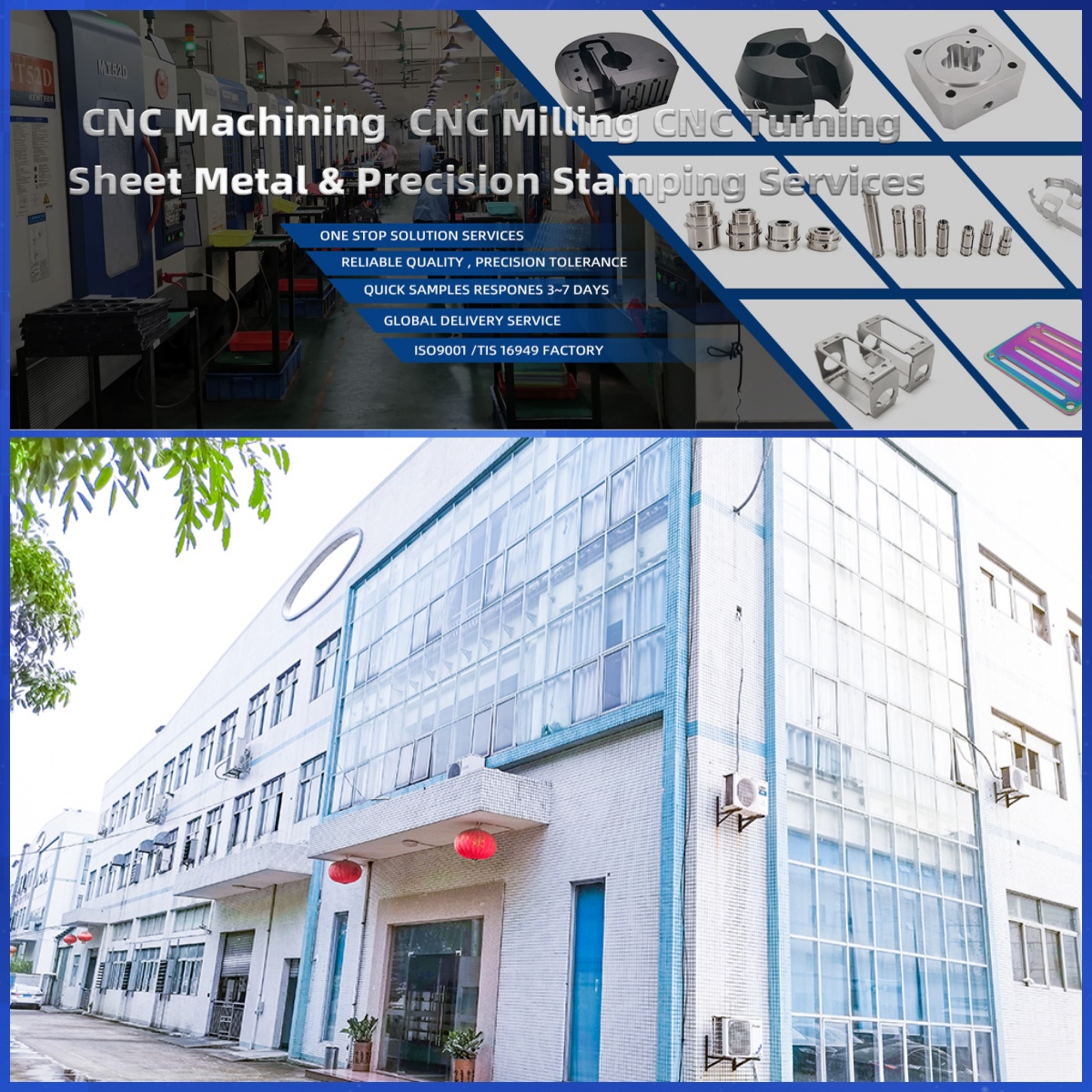
DongGuan YiTai Electronic Technologies Co.,Ltd
DongGuan YiTai Electronic Technologies Co.,Ltd is a manufacturing service provider located in Dongguan, China.
YiTai specialized in CNC turning machining and sheet metal fabrication mainly. As a member of Hung Mou Group, we focus on the overseas marketing development. And based on our parent company’s manufacturing capability and resources, YiTai also expended machining services such as die casting, injection molding, aluminum profile extrusion, 3D printing, which are committed to providing customers with one-stop purchasing services and experience.
CNC MACHINING , CNC MILLING , CNC TURNING , SHEETMETAL , FASTENER , OTHERS




The Complete Guide to Hard Anodizing Colors: Types, Properties, and How to Choose for CNC Aluminum Parts
Top 10 Strongest Metals in the World: A Complete Guide to Strength, Properties, and CNC Machining Applications
Related Article