What are the differences between low carbon steel, medium carbon steel and high carbon steel?
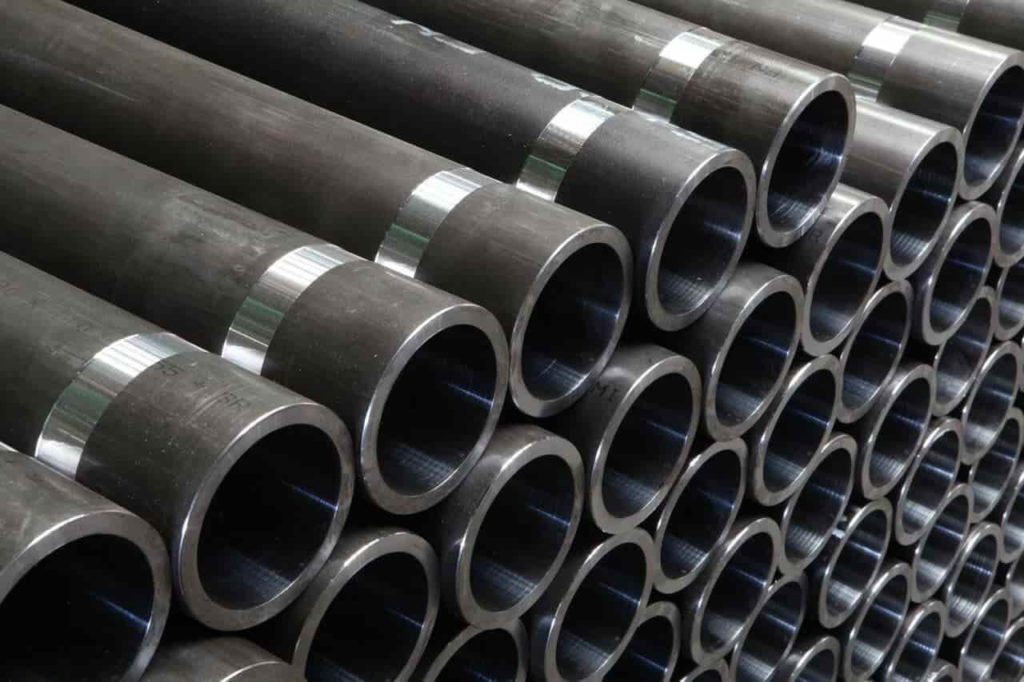
Do you know what is carbon steel? And what are the differences between low carbon steel, medium carbon steel and high carbon steel? Here I will share something with you.
Low carbon steel, also known as mild steel, carbon content from 0.10% to 0.30% Low carbon steel is easy to accept a variety of processing such as forging, welding and cutting, often used in the manufacture of chains, rivets, bolts, shafts and so on.
Carbon content less than 0.25% carbon steel, because of its low strength, low hardness and soft, it is also called soft steel. It includes most of the ordinary carbon structural steel and a part of high-quality carbon structural steel, most of which are not heat treated for engineering structural parts, and some are used for mechanical parts requiring wear resistance through carbon and other heat treatments.

The annealed structure of low carbon steel is ferrite and a small amount of pearlite, its strong manifold and hardness are lower, plasticity and toughness are better. Therefore, its cold formability is good, and it can be cold formed by rolling, bending, stamping and other methods. This steel fin has good weldability. Low carbon steel with very low carbon content has low hardness and poor machinability, and quenching treatment can improve its machinability.
Low carbon steel is generally rolled into Angle steel, channel steel, I-steel, steel pipe, steel belt, steel plate, used to make a variety of building components, containers, boxes, furnace body and agricultural machinery. High-quality low carbon steel rolled into sheet, the production of automobile cab, generator cover and other deep drawing products; It is also rolled into bars, which are used to make mechanical parts with different strength requirements. Low carbon steel is generally not heat treated before use, carbon content of more than 0.15% by carburizing or cyanide treatment, used for requiring high surface degree, good wear resistance of the shaft, sleeve, sprocket and other parts.
Mild steel is limited in use due to its low strength. The strength of steel can be greatly improved by increasing the content of manganese in carbon steel and adding trace alloying elements such as vanadium, titanium and niobium. If the carbon content of steel is reduced and a small amount of aluminum, boron and carbide forming elements are added, the ultra-low carbon bainite group can be obtained with high strength, and maintain good plasticity and toughness.

Medium carbon steel is carbon content 0.25% ~ 0.60% carbon steel. There are many kinds of products such as killed steel, semi-killed steel and boiling steel. In addition to carbon, it can also contain a small amount of manganese (0.70% ~ 1.20%). According to product quality, it is divided into ordinary carbon structural steel and high-quality carbon structural steel. Hot working and cutting performance is good, but welding performance is poor. The strength and hardness are higher than low carbon steel, while the plasticity and toughness are lower than low carbon steel. Hot-rolled and cold-drawn materials can be used directly without heat treatment, and can also be used after heat treatment. The medium carbon steel after quenching and tempering has good comprehensive mechanical properties. The highest hardness that can be achieved is about HRC55(HB538), σb is 600 ~ 1100MPa. Therefore, in the various uses of medium strength level, medium carbon steel is the most widely used, in addition to as a building material, but also a large number of used in the manufacture of various mechanical parts.
Medium carbon steel has higher carbon content than low carbon steel, higher strength and poor weldability. Commonly used are 35, 45, 55 steel. The main features of arc welding of medium carbon steel electrode and its castings are as follows:
(1) The heat affected zone is easy to produce hardened structure. The higher the carbon content, the thicker the plate, and the greater the tendency. If the welding materials and process specifications are not selected properly, it is easy to produce cold cracks.
(2) Due to the high carbon content of the base metal, the carbon content of the weld is also high, and it is easy to produce hot cracks.
(3) Due to the increase of carbon content, the sensitivity to stomata increases. Therefore, the requirements for the deoxidation of welding materials, the removal of oil and rust of basic metals, and the drying of welding materials are more stringent.

High carbon steel is often called tool steel, carbon content from 0.60% to 1.70%, can be hardened and tempered. Hammers, crowbars, etc. are made of steel with a carbon content of 0.75%;
Welding of high carbon steel
Cutting tools such as drills, taps, reamers, etc. are manufactured from steel with a carbon content of 0.90% to 1.00%. High carbon steel has poor weldability due to its high carbon content. Its welding has the following characteristics:
(1) Poor thermal conductivity, significant temperature difference between the welding zone and the unheated part, when the weld pool is cooled sharply, the internal stress caused in the weld is easy to form cracks.
(2) It is more sensitive to quenching, and martensitic tissue is easily formed in the near seam area. Due to the effect of structural stress, cold cracks occur in the near seam area.
(3) Due to the influence of welding high temperature, grain growth is fast, carbides are easy to accumulate and grow on the grain boundaries, making the weld weak and the strength of the welded joint reduced.
(4) High carbon steel welding is more likely to produce hot cracks than medium carbon steel.
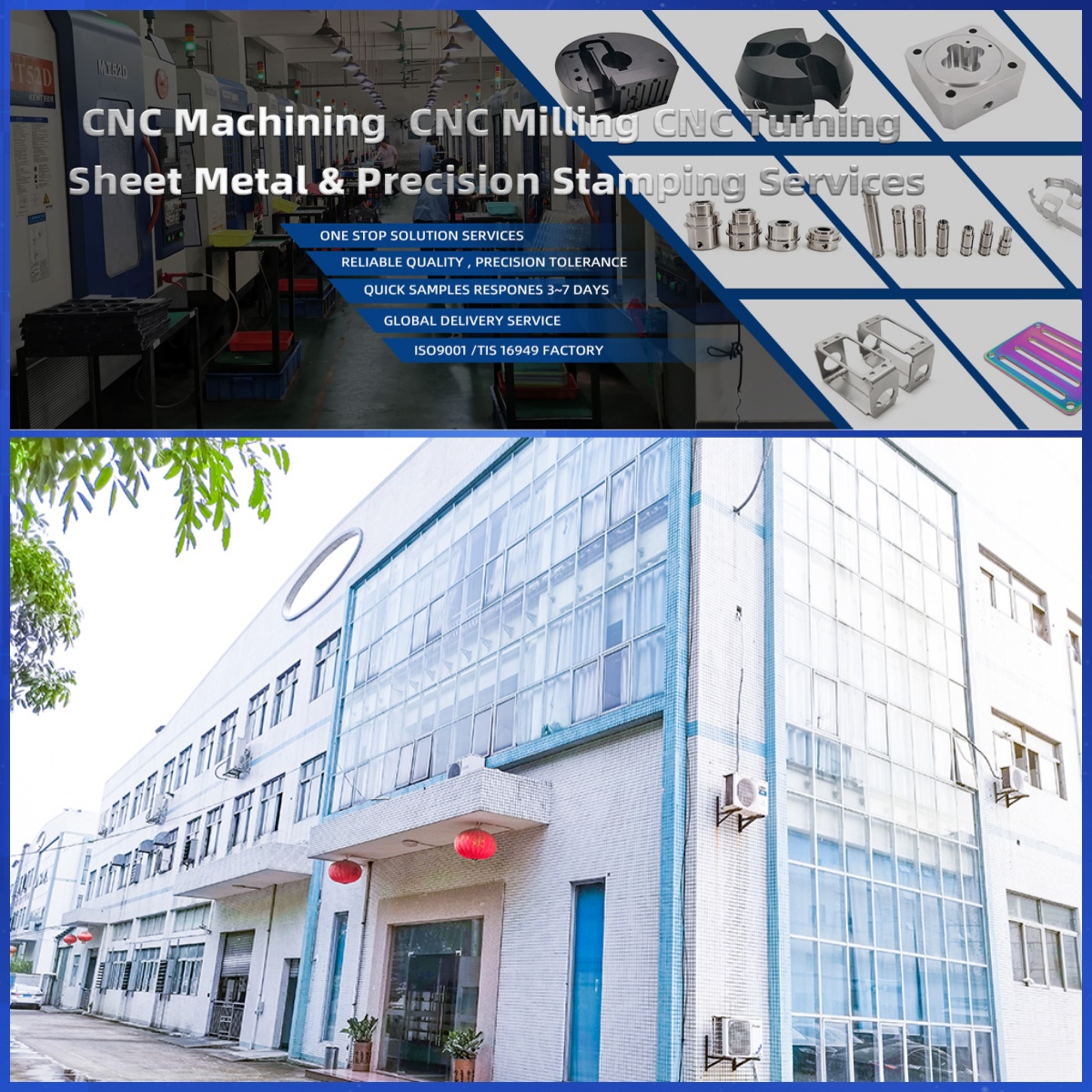
DongGuan YiTai Electronic Technologies Co.,Ltd
DongGuan YiTai Electronic Technologies Co.,Ltd is a manufacturing service provider located in Dongguan, China.
YiTai specialized in CNC turning machining and sheet metal fabrication mainly. As a member of Hung Mou Group, we focus on the overseas marketing development. And based on our parent company’s manufacturing capability and resources, YiTai also expended machining services such as die casting, injection molding, aluminum profile extrusion, 3D printing, which are committed to providing customers with one-stop purchasing services and experience.
CNC MACHINING , CNC MILLING , CNC TURNING , SHEETMETAL , FASTENER , OTHERS




Stainless steel 301/302/303/304 performance comparison
What are the reasons for the low toughness and plasticity of medium carbon steel after normalizing?
Related Article