What is a Threaded Hole? A Complete Guide to Threads in CNC Machining

1. Threaded Hole Definition and Basic Concepts
A threaded hole is a hole with internal threads. We drill a hole first. Then we cut the threads inside.
What Is a Threaded Hole?
A threaded hole has a spiral ridge inside. This ridge is the thread. A screw or bolt goes into it. The threads lock together. This holds the parts in place.
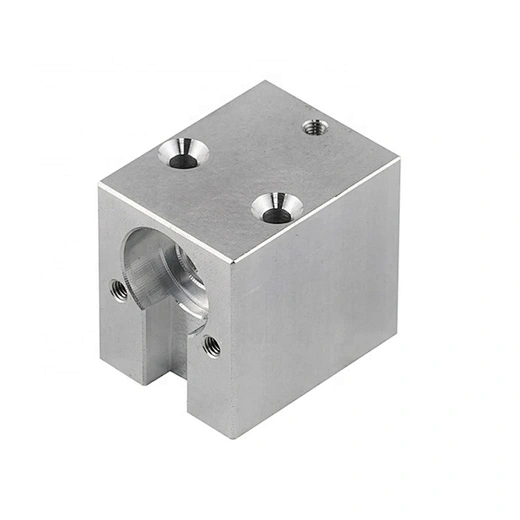
Threaded Hole vs Through Hole vs Blind Hole
These three terms describe different hole types.
-
Through Hole: The hole goes all the way through the part. Threads run the full length.
-
Blind Hole: The hole stops inside the part. It does not go through. Threads stop before the bottom.
-
Threaded Hole: This is a hole with threads. It can be a through hole or a blind hole.
Basic Thread Terms
Every thread has three key parameters.
-
Nominal Diameter: The size of the thread. M6 means 6mm.
-
Pitch: The distance between threads. Coarse or fine.
-
Thread Depth: How deep the threads go. This matters for strength.
2. Common Thread Standards and Types
Different parts need different threads. The table below shows the main standards.
| Thread Type | Standard | Common Sizes | Best Use |
|---|---|---|---|
| Metric (M) | ISO 261 | M3, M4, M5, M6, M8, M10 | General use worldwide |
| Unified (UNC/UNF) | ASME B1.1 | #4-40, #10-32, 1/4-20 | North American parts |
| Pipe Thread (NPT) | ASME B1.20.1 | 1/8 NPT, 1/4 NPT, 1/2 NPT | Sealed fluid connections |
| Pipe Thread (BSPT) | ISO 7-1 | 1/8 BSPT, 1/4 BSPT | European fluid connections |
| Fine Thread | ISO 261 (fine) | M6x0.75, M8x1.0 | Thin walls, high strength |
Metric Thread
Metric is the most common standard. It is used in most countries. The size is clear. M6 means 6mm diameter. Coarse pitch is standard. Fine pitch is for special cases.
Unified Thread (UNC and UNF)
This is the standard in North America. UNC is coarse. UNF is fine. Sizes are in inches. A 1/4-20 thread is 0.25 inches with 20 threads per inch.
Pipe Thread
Pipe threads are different. They are tapered. They get tighter as you turn. This creates a seal. NPT is the US standard. BSPT is the British standard. They are not the same.
Special Threads
Some parts need custom threads.
-
Trapezoidal: For lead screws and power transmission.
-
Custom: For unique designs or repairs.
3. How Threaded Holes Are Made in CNC Machining
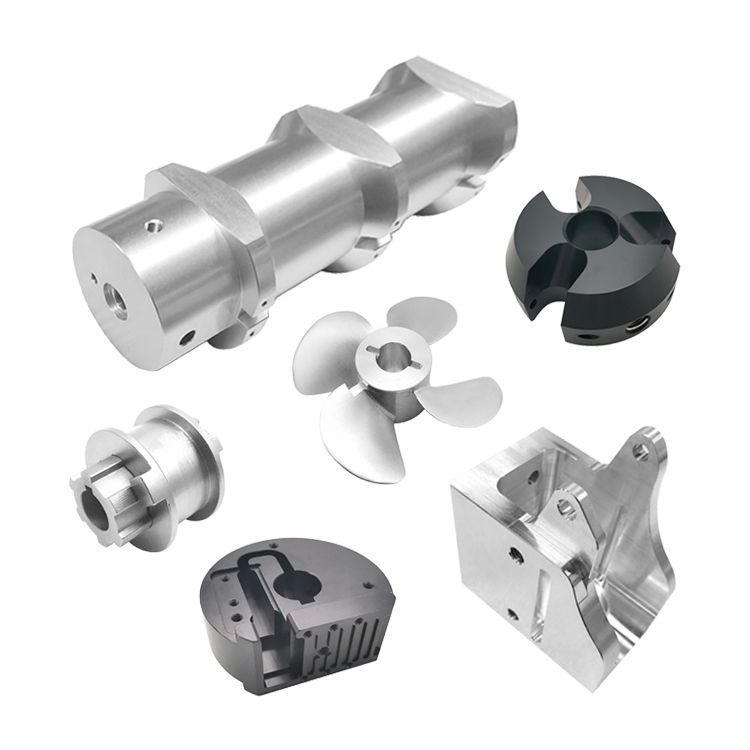
CNC machining gives us three main ways to make threads. Each has its own use.
Tapping
This is the most common method. A tap cuts the threads. It goes into a drilled hole. The tap has flutes. These carry chips out.
-
Good for: Most threads. High volume. Small to medium sizes.
-
Limits: Can break in blind holes. Not good for hard materials.
Thread Milling
A thread mill is a special tool. It moves in a circle. It cuts threads as it goes up. This is different from tapping.
-
Good for: Large diameters. Hard materials. Blind holes. Left-hand threads.
-
Limits: Slower than tapping. Needs a CNC machine with helical interpolation.
Thread Turning on a Lathe
For parts on a CNC lathe, we cut threads with a turning tool. The part spins. The tool moves in. This works for external and internal threads.
-
Good for: Long threads. Custom thread sizes. Parts already on a lathe.
-
Limits: Not for small holes. Needs a lathe.
4. Comparison Table: Tapping vs Thread Milling
| Feature | Tapping | Thread Milling |
|---|---|---|
| Speed | Fast | Moderate |
| Tool Cost | Low | Higher |
| Chip Evacuation | Can be an issue in blind holes | Good. Chips fall out. |
| Material | Good for most metals | Better for hard metals |
| Same Tool for Multiple Sizes | No | Yes. One tool can do many sizes. |
| Broken Tool Risk | High. Tap can break in hole. | Low. Tool retracts easily. |
5. Where Threaded Holes Are Used in Precision Parts
Threaded holes are everywhere. Here are three common uses.
Mechanical Assembly
This is the main use. Threaded holes let you bolt parts together. A bracket bolts to a frame. A cover bolts to a housing. The threads hold the fasteners tight.
Fluid Sealing
Threaded holes can hold fluid. Pipe threads are tapered. They seal without extra parts. For straight threads, we use sealant or O-rings. This is common in hydraulic fittings and fuel systems.
Adjustment Functions
Threaded holes let you adjust parts. A screw goes through a threaded hole. Turning the screw moves the part. This is used in positioning stages, tensioners, and leveling feet.
6. Expert Insight: Getting Thread Quality Right
*“A thread looks simple. But it is easy to get wrong. The drill size matters. If the hole is too small, the tap breaks. If the hole is too big, the thread strips. For blind holes, chip evacuation is key. We use spiral-flute taps. They pull chips out. For hard materials like stainless steel, we thread mill. It is slower. But we do not break tools. A broken tap in a $500 part is a big loss. We take the time to do it right.”*
— CNC Lead Programmer, DongGuan YiTai Electronic Technologies
7. One-Stop Service: Precision Threading from DongGuan YiTai Electronic Technologies
At 'DongGuan YiTai Electronic Technologies' , we make threaded holes every day. We know the standards. We know the methods. We know how to get the fit right.
We offer all three threading methods. We tap small holes. We thread mill hard materials. We turn threads on our CNC lathes. And we check every thread with go/no-go gauges.
Send us your drawing. Tell us the thread type. Tell us if it is a blind hole or a through hole. We will pick the best method. We will give you a quote with the threading included.
8. Frequently Asked Questions (FAQ)
Q: What is the difference between a threaded hole and a tapped hole?
A: They are the same thing. Tapping is the process of cutting threads. A tapped hole is a hole that has been threaded. People use both terms.
Q: How deep should a threaded hole be?
A: For strength, a threaded hole should be at least 1.5 times the diameter deep. For M6, that is 9mm deep. For a blind hole, add 2–3 threads of clearance at the bottom. This lets chips settle.
Q: What is the best way to thread hard materials like stainless steel?
A: Thread milling is safer. Stainless steel work hardens. A tap can bind and break. A thread mill cuts with less force. It also lets you adjust the fit if needed.
Q: Can I use a threaded hole for a pressure seal?
A: Yes, but use the right thread. NPT or BSPT pipe threads are tapered. They seal by compression. For straight threads, you need an O-ring or thread sealant.
Q: What happens if I use the wrong tap drill size?
A: Two problems. If the hole is too small, the tap can break. It also makes the thread tight. If the hole is too big, the thread will strip. The screw will pull out. We use standard tap drill charts. We check the fit with gauges.
Q: Does DongGuan YiTai Electronic Technologies offer custom thread sizes?
A: Yes. We make custom threads for special applications. We can cut non-standard pitches. We can cut left-hand threads. We can also cut trapezoidal threads for lead screws. Tell us what you need. We will make it.
DongGuan YiTai Electronic Technologies Co.,Ltd
DongGuan YiTai Electronic Technologies Co.,Ltd is a manufacturing service provider located in Dongguan, China.
YiTai specialized in CNC turning machining and sheet metal fabrication mainly. As a member of Hung Mou Group, we focus on the overseas marketing development. And based on our parent company’s manufacturing capability and resources, YiTai also expended machining services such as die casting, injection molding, aluminum profile extrusion, 3D printing, which are committed to providing customers with one-stop purchasing services and experience.
CNC MACHINING , CNC MILLING , CNC TURNING , SHEETMETAL , FASTENER , OTHERS




How to Cut Stainless Steel: 12 Best Methods Explained
The Complete Guide to Hard Anodizing Colors: Types, Properties, and How to Choose for CNC Aluminum Parts
Related Article