What Are the Softest Metals?
1. What Are “Soft Metals”?
- Mohs Hardness Scale: A simple scale from 1 (softest) to 10 (hardest). Talc is 1, diamond is 10. Soft metals usually rank below 3 on this scale.
- Brinell Hardness (HB): Measures how much a metal dents when pressed. Soft metals have low HB values (often below 50).
2. The Softest Metals: A Closer Look
1. Cesium (Cs)
- Mohs Hardness: 0.2 (softest metal on Earth)
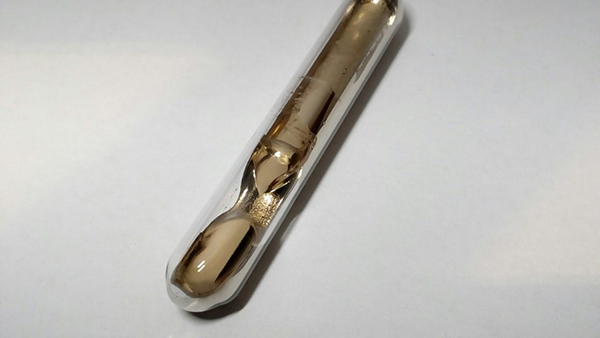
- Key Trait: So soft it can be squished with your fingers at room temperature. It may even turn into a paste if held.
- Safety Note: Reacts violently with water or air. It must be stored in oil to stop it from catching fire.
- Use: Used in atomic clocks (the most accurate clocks in the world).
2. Rubidium (Rb)
- Mohs Hardness: 0.3
- Key Trait: Almost as soft as cesium. You can cut it with a butter knife.
- Safety Note: Also reacts with water/air. Stored in oil.
- Use: Used in sensors for detecting radiation and in some electronic devices.
3. Potassium (K)
- Mohs Hardness: 0.4
- Key Trait: Soft enough to slice with a knife. It has a silvery color but fades fast in air.
- Safety Note: Reacts with water to make fire. Stored in kerosene (a type of oil).
- Use: Used in fertilizers (as potassium salts) and some batteries.
4. Sodium (Na)
- Mohs Hardness: 0.5
- Key Trait: Soft and shiny. You can press it into a flat sheet with your thumb.
- Safety Note: Reacts with water (but less violently than potassium). Stored in kerosene.
- Use: Used in street lamps (sodium vapor lamps), cooling systems for nuclear reactors, and making soap.
5. Lithium (Li)
- Mohs Hardness: 0.6
- Key Trait: The lightest metal. It's soft but a little harder than sodium.
- Safety Note: Reacts with air/water, but more slowly. Stored in oil or argon gas.
- Use: The main material in lithium-ion batteries (for phones, laptops, and electric cars).
6. Lead (Pb)
- Mohs Hardness: 1.5
- Key Trait: Heavy and soft. You can scratch it with your fingernail. It bends without breaking.
- Safety Note: Toxic if swallowed or breathed. Must be handled carefully.
- Use: Used in car batteries, radiation shields (for X-ray rooms), and old water pipes (now replaced with safer materials).
7. Gold (Au)
- Mohs Hardness: 2.5
- Key Trait: Shiny and very malleable (can be hammered into thin sheets). A single gram of gold can make a sheet 1 square meter big.
- Safety Note: Non-toxic and stable (doesn't react with air or water).
- Use: Used in jewelry, electronic circuits (it conducts electricity well), and dental fillings.
8. Silver (Ag)
- Mohs Hardness: 2.5–3
- Key Trait: The best conductor of electricity. Soft enough to bend but harder than gold.
- Safety Note: Non-toxic. Tarnishes (turns black) in air over time.
- Use: Used in silverware, jewelry, electrical wires, and mirrors.
3. Soft Metals Comparison Table
|
Metal Name
|
Mohs Hardness
|
Brinell Hardness (HB)
|
Room Temperature State
|
Key Trait
|
Main Uses
|
|
Cesium (Cs)
|
0.2
|
~0.1
|
Soft solid/paste
|
Reacts violently with water
|
Atomic clocks
|
|
Rubidium (Rb)
|
0.3
|
~0.2
|
Soft solid
|
Reacts with water/air
|
Radiation sensors
|
|
Potassium (K)
|
0.4
|
~0.3
|
Soft solid
|
Catches fire in water
|
Fertilizers, batteries
|
|
Sodium (Na)
|
0.5
|
~0.6
|
Soft solid
|
Reacts with water
|
Street lamps, nuclear cooling
|
|
Lithium (Li)
|
0.6
|
~0.7
|
Soft solid
|
Lightest metal
|
Lithium-ion batteries
|
|
Lead (Pb)
|
1.5
|
~30
|
Solid
|
Heavy, toxic
|
Car batteries, radiation shields
|
|
Gold (Au)
|
2.5
|
~25
|
Solid
|
Malleable, shiny
|
Jewelry, electronics
|
|
Silver (Ag)
|
2.5–3
|
~26
|
Solid
|
Best electrical conductor
|
Silverware, wires, mirrors
|
4. Common Uses of Soft Metals
- Lithium: Powers phones, laptops, and electric cars. Its softness makes it easy to shape into battery cells.
- Gold: Used in tiny circuits (like in phones). It doesn't rust, so it keeps conducting electricity reliably.
- Silver: Used in wires and circuit boards. It conducts electricity better than any other metal.
- Cesium & Rubidium: Make atomic clocks. These clocks keep time so well they lose less than 1 second every 100 million years.
- Sodium: Used in cooling systems for nuclear reactors. It can carry heat away from the reactor safely.
- Lead: Shields people from radiation (in X-ray rooms or nuclear plants). Its softness lets it be shaped into custom shields.
- Potassium: Used in fertilizers. Plants need potassium to grow, and soft potassium salts are easy to mix into soil.
- Gold & Silver: Used in jewelry. Their softness lets jewelers make detailed designs (like engravings).
- Lead: Was used in pencils (but not anymore—modern pencils use graphite). It was soft enough to leave marks on paper.
5. Expert Opinion on Soft Metals
6. FAQ About Soft Metals
DongGuan YiTai Electronic Technologies Co.,Ltd
DongGuan YiTai Electronic Technologies Co.,Ltd is a manufacturing service provider located in Dongguan, China.
YiTai specialized in CNC turning machining and sheet metal fabrication mainly. As a member of Hung Mou Group, we focus on the overseas marketing development. And based on our parent company’s manufacturing capability and resources, YiTai also expended machining services such as die casting, injection molding, aluminum profile extrusion, 3D printing, which are committed to providing customers with one-stop purchasing services and experience.
CNC MACHINING , CNC MILLING , CNC TURNING , SHEETMETAL , FASTENER , OTHERS




Everything You Need to Know About Plastic Injection Molding
Technical Level, Market Prospects, and Development Trends of the Home Hardware Industry in 2025
Related Article