Enter the Bronze Family: A Complete Guide to the Most Common Bronze Alloys for CNC Precision Machining – Tin Bronze, Aluminum Bronze, Silicon Bronze and More
-
Bronze Basics: Alloy Groups and How They Differ from Brass and Copper
-
Machining Guidelines and Post‑Processing for Each Bronze Type
1. Bronze Basics: Alloy Groups and How They Differ from Brass and Copper
Copper alloys are split into three families.

-
Pure copper (C101, C110): Very high electrical and thermal conductivity. Soft and easy to bend.
-
Brass (copper + zinc): Good machinability. Bright gold color. Lower corrosion resistance than bronze.
-
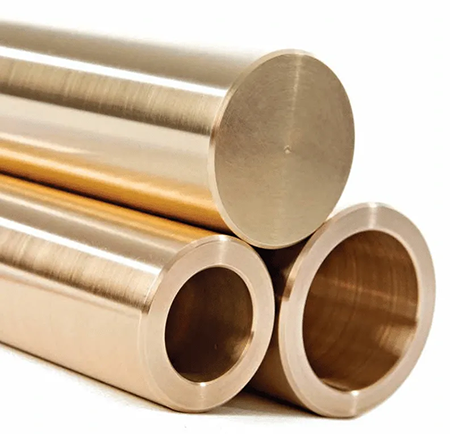
Bronze (copper + tin, aluminum, silicon, or other elements): Better strength, wear resistance, and corrosion resistance than brass.
The main types of bronze are based on the second alloy element.
| Bronze Type | Main Alloy | Key Trait |
|---|---|---|
| Tin bronze | Tin (Sn) | High wear resistance, good for bearings |
| Aluminum bronze | Aluminum (Al) | Very high strength, good in seawater |
| Silicon bronze | Silicon (Si) | Good corrosion resistance, easy to weld |
| Phosphor bronze | Tin + phosphorus | High fatigue strength, good for springs |
| Manganese bronze | Zinc + manganese + iron | High strength, but less corrosion resistant |
2. Key Grades: Mechanical Properties and Corrosion Resistance
Here are five common CNC bronze grades.

C93200 (SAE 660) – Bearing Bronze
This is a tin bronze with lead. The lead gives good machinability and self‑lubricating properties. It is the standard for low‑speed, high‑load bearings.
-
Tensile strength: 240 MPa
-
Hardness: 65 HB
-
Good for: Bushings, thrust washers, pump parts.
C95400 – Aluminum Bronze
Aluminum bronze is very strong. It is often used to replace steel in corrosive environments.
-
Tensile strength: 550‑690 MPa (similar to mild steel)
-
Hardness: 170‑200 HB
-
Good for: Worm gears, valve seats, high‑strength wear plates.
C65500 – Silicon Bronze
Silicon bronze has good corrosion resistance and moderate strength. It welds easily and does not crack.
-
Tensile strength: 380‑480 MPa
-
Hardness: 100‑130 HB
-
Good for: Marine hardware, fasteners, welded structures.
C51000 – Phosphor Bronze
Phosphor bronze has high fatigue strength and good electrical conductivity. It springs back well.
-
Tensile strength: 480‑760 MPa (spring temper)
-
Hardness: 180‑220 HV
-
Good for: Electrical contacts, bellows, spring washers.
C95800 – Nickel Aluminum Bronze
This is a special aluminum bronze with nickel. It resists seawater corrosion better than almost any other copper alloy.
-
Tensile strength: 650‑750 MPa
-
Hardness: 150‑190 HB
-
Good for: Ship propellers, seawater pumps, offshore components.
The table below compares these grades side by side.
| Grade | Type | Tensile (MPa) | Hardness | Corrosion Resistance | Machinability |
|---|---|---|---|---|---|
| C93200 | Tin‑lead bronze | 240 | 65 HB | Fair | Excellent (80%) |
| C95400 | Aluminum bronze | 550‑690 | 170‑200 HB | Very good (seawater) | Fair (50%) |
| C65500 | Silicon bronze | 380‑480 | 100‑130 HB | Good | Good (60%) |
| C51000 | Phosphor bronze | 480‑760 | 180‑220 HV | Good | Fair (50%) |
| C95800 | Nickel aluminum bronze | 650‑750 | 150‑190 HB | Excellent (seawater) | Fair (45%) |
3. Machining Guidelines and Post‑Processing for Each Bronze Type
Bronze is not as easy to machine as brass. But with the right tools, it works well.
Cutting Parameters and Tool Choice
-
C93200 (bearing bronze): The lead makes chips break. Use sharp carbide tools. Speed 150‑250 m/min. Good surface finish.
-
C95400 (aluminum bronze): This is hard and abrasive. Use coated carbide (TiAlN). Reduce speed to 80‑120 m/min. Take light cuts to avoid work hardening.
-
C65500 (silicon bronze): This is gummy. Chips do not break well. Use sharp, polished tools. Use coolant to wash chips away. Speed 100‑150 m/min.
-
C51000 (phosphor bronze): Spring temper is hard. Use carbide tools. Support the part well to avoid vibration.
Post‑Processing – Passivation, Polishing, and Plating
-
Passivation: Bronze does not need passivation like stainless steel. But a chromate conversion coating can stop tarnish.
-
Polishing: Bronze polishes to a shiny, gold‑like finish. Use fine abrasive belts or buffing wheels.
-
Nickel plating: Many bronze parts get a nickel plate. This makes the surface harder and stops tarnish. It also gives a bright silver look.
4. Expert Insight: Do Not Guess the Alloy – Know the Load
“I have seen engineers use bearing bronze for a heavy‑load gear. The gear failed because the bronze was too soft. They should have used aluminum bronze (C95400). I also see people use aluminum bronze for a simple bushing. That is too expensive and hard to machine. Know the load and the environment. Then pick the bronze. The small cost of the right alloy saves big money later.”
— Senior Materials Specialist, DongGuan YiTai Electronic Technologies
5. Frequently Asked Questions (FAQ)
Q: What is the difference between bronze and brass?
A: Bronze is copper + tin (and sometimes other elements). Brass is copper + zinc. Bronze is stronger and more resistant to salt water. Brass is easier to machine and cheaper.
Q: Which bronze is easiest to machine?
A: C93200 (SAE 660) bearing bronze is the easiest. It has lead added. The lead makes short chips and gives a smooth finish. It machines almost like brass.
Q: Can bronze be welded?
A: Yes, but it depends on the type. Silicon bronze (C65500) welds very well with TIG or MIG. Aluminum bronze is harder to weld. Tin bronze does not weld well – use brazing instead.
Q: Does bronze rust?
A: No, bronze does not rust like steel. But it can tarnish. It turns dark brown or green over time. This is called patina. It is only cosmetic. For a bright finish, use nickel plating.
Q: What is the best bronze for seawater?
A: Nickel aluminum bronze (C95800) is the best. It resists pitting and crevice corrosion in seawater. C95400 (aluminum bronze) is also good. Do not use bearing bronze (C93200) in seawater – it will corrode.
Q: Does DongGuan YiTai Electronic Technologies machine all these bronze grades?
A: Yes. We machine C93200, C95400, C65500, C51000, and C95800. We also offer nickel plating and polishing. Send us your drawing. We will help you pick the best bronze for your job.
DongGuan YiTai Electronic Technologies Co.,Ltd
DongGuan YiTai Electronic Technologies Co.,Ltd is a manufacturing service provider located in Dongguan, China.
YiTai specialized in CNC turning machining and sheet metal fabrication mainly. As a member of Hung Mou Group, we focus on the overseas marketing development. And based on our parent company’s manufacturing capability and resources, YiTai also expended machining services such as die casting, injection molding, aluminum profile extrusion, 3D printing, which are committed to providing customers with one-stop purchasing services and experience.
CNC MACHINING , CNC MILLING , CNC TURNING , SHEETMETAL , FASTENER , OTHERS




Understanding Stress and Strain: How These Two Fundamental Concepts Determine the Precision, Distortion, and Life of CNC Precision Parts
ISO 9001 2015 certification CNC precision machining quality assurance
Related Article