316 vs 316L Stainless Steel for CNC Machining

316 vs 316L stainless steel is one of the most common material questions we get from engineers and buyers. The two grades look the same, cost similar amounts, and both sit in the austenitic stainless steel family that is widely used for corrosion-resistant components, custom hardware, and CNC machined parts. The main difference is carbon content, but the right choice also depends on welding, corrosion exposure, machining requirements, part geometry, and project cost.
This guide compares the two grades on the points that actually change a buying decision: composition, corrosion behaviour, welding, CNC machinability, custom part production, and cost. We also explain which grade tends to suit welded assemblies and which one works well for machined parts, so you can read a drawing and know what to ask for.
- What Are 316 and 316L Stainless Steel?
- Key Differences Between the Two Grades
- Chemical Composition and Carbon Content
- Corrosion Resistance Comparison
- 316 vs 316L for Welding
- 316 vs 316L for CNC Machining
- 316 vs 316L for Custom Metal Parts
- Which Is Better: 316 or 316L?
- 316 vs 316L Cost Considerations
- How to Choose the Right Stainless Steel Grade
- Frequently Asked Questions
1. What Are 316 and 316L Stainless Steel?
1.1 What Is 316 Stainless Steel?
316 stainless steel is an austenitic grade that contains chromium, nickel, and molybdenum. The molybdenum is the reason 316 stands apart from the more common 304 grade, because it improves resistance to chlorides and other corrosive environments. 316 is used for industrial equipment, marine hardware, chemical processing parts, food-processing equipment, and general hardware components that need dependable corrosion performance.
1.2 What Is 316L Stainless Steel?
316L stainless steel is the low-carbon version of 316. The letter L stands for low carbon, and the lower carbon content helps reduce the risk of carbide precipitation during welding. That makes 316L a frequent choice for welded assemblies, fabricated frames, tanks, pipes, and other parts that are welded and then exposed to demanding service conditions.
The practical difference between the grades is small on paper and large in specific situations. Neither one is automatically stronger, and neither is automatically more corrosion resistant in every environment. Actual performance depends on material condition, the environment, the manufacturing route, and how the part is welded and finished.

2. 316 vs 316L Stainless Steel: Key Differences
The 316 vs 316L difference is easiest to see side by side. This comparison table covers the properties that matter for material selection in machining and fabrication.
| Property | 316 Stainless Steel | 316L Stainless Steel |
|---|---|---|
| Basic material family | Austenitic stainless steel | Low-carbon version of 316 |
| Carbon content | Higher than 316L | Lower than 316 |
| Corrosion resistance | Excellent in many environments | Comparable in many applications |
| Welding suitability | Suitable, but post-weld conditions matter | Often preferred for welded assemblies |
| Machinability | Similar general machining behaviour | Similar general machining behaviour |
| Typical use | Machined parts, hardware, industrial components | Welded parts, fabricated assemblies, corrosion-sensitive applications |
| Cost | Depends on grade, supplier, and market | Depends on grade, supplier, and market |
Notice what the table does not say. It does not claim that one grade is always stronger, always cheaper, or always more corrosion resistant. Those answers change with the part and the environment, and fixed price differences only make sense with real purchasing data from your supplier.
3. Chemical Composition and Carbon Content
Both grades carry the same base alloying elements: chromium, nickel, and molybdenum. The main distinction sits in the maximum carbon content. 316L stainless steel is held to a lower carbon limit, and that single change is why the L grade behaves differently around welding.
When stainless steel is heated in the range that promotes carbide formation, carbon can combine with chromium at the grain boundaries. That process, called sensitization, pulls chromium away from the areas next to the weld and can hurt corrosion resistance there. Low carbon stainless steel such as 316L has less carbon available for that reaction, so the risk is reduced.
Maximum carbon values for 316 and 316L are defined by the standard you work to, and ASTM, EN, and JIS do not state every limit in the same way. Always confirm the applicable material standard and review the material certificate before production. Composition figures in a general article should not be treated as the specification for your order.

4. Corrosion Resistance Comparison
Are 316 and 316L Equally Corrosion Resistant?
In many non-welded applications, their corrosion resistance can be very similar. Both grades resist general corrosion, pitting, and chloride attack better than most other stainless grades because of the molybdenum content. If a part is machined and never welded, the practical corrosion difference between 316 and 316L is often small.
That changes when welding enters the picture. The 316 vs 316L corrosion resistance question matters most in the heat-affected zone next to a weld. Because 316L reduces the risk of sensitization, it may hold its corrosion resistance better than 316 in welded areas over time.
Real-world resistance also depends on chloride exposure, temperature, surface condition, cleaning routines, and fabrication quality. A rough, contaminated surface will corrode before a clean passivated one, no matter which grade you choose.
Which Grade Is Better for Marine or Chemical Environments?
Both grades may be considered for demanding marine and chemical applications. The final choice depends on the exact chemical exposure, temperature range, design life, and whether the part is welded. For highly corrosive or regulated applications, a materials specialist should confirm the grade rather than relying on a general comparison.
Specifying stainless steel for marine environments or chemical duty usually means reviewing more than the L designation. It means checking the chloride level, the operating temperature, the finish, and the testing or certification required by the customer.
5. 316 vs 316L for Welding
Welding can change the local material condition, so 316 or 316L for welding is decided differently from machining. When welding is a major part of the manufacturing process, 316L is often selected because its lower carbon content helps reduce the risk of carbide precipitation in the heat-affected zone.
That is why 316L shows up so often in welded structures, fabricated frames, tanks, pipes, and assemblies that will sit in corrosive service. For 316L welded stainless steel parts, the lower carbon content is a form of insurance at the weld.
The grade alone does not control weld quality. Welding procedure, heat input, filler material, and post-weld treatment all matter. A correct filler metal and controlled heat input protect a 316 weld almost as well as switching to 316L, so the decision is about risk, volume of welding, and service conditions, not a simple rule. For stainless steel fabrication that includes welded joints, matching the filler metal to the base grade and keeping heat input under control matter as much as the material number on the certificate. For welded assemblies that also need forming and joining, our sheet metal fabrication and welding capabilities can be combined with machining and finishing in one project.
6. 316 vs 316L for CNC Machining
Both materials can be CNC machined, and the machining route is where buyers often expect a big difference that does not really exist. For 316 vs 316L for CNC machining, the L designation is not a machinability rating. Both grades work harden if cutting conditions are not controlled, and both respond to the same good practices.
Tool sharpness, feed rate, cutting speed, coolant, chip evacuation, and workholding affect the result far more than the small carbon difference between the grades. 316 stainless steel machining and 316L stainless steel CNC machining behave similarly in a well-set process, so the practical difference on the machine is usually minor.
CNC Machining Considerations
- Use sharp and rigid tooling so the edge cuts instead of rubbing.
- Avoid excessive dwell or rubbing, because both cause work hardening.
- Maintain stable cutting conditions with a consistent feed.
- Control heat and chip evacuation so the part and the tool stay cool.
- Inspect critical dimensions after machining, especially after heavy stock removal.
Buyers often ask which stainless steel is easier to machine. The honest answer is that neither grade has a clear edge, because the small carbon difference is not what makes stainless steel difficult to cut. Cutting conditions decide that.
Material selection for a machined part should follow the drawing and the application, not the assumption that one grade machines better than the other. Our 316L stainless steel CNC machining service supports tight-tolerance components manufactured according to customer drawings, with material certificates confirmed before the job starts. This is the level of precision stainless steel machining that keeps critical dimensions stable across a production run.
7. 316 vs 316L for Custom Metal Parts
For custom metal parts, the choice between 316 and 316L should be based on the complete manufacturing route. A CNC machined part with no welding may have different material priorities from a fabricated assembly with multiple welded joints.
Typical custom work in these grades includes CNC turned parts, CNC milled components, stainless steel brackets, fittings and connectors, valves and fluid-handling parts, marine hardware, food-processing components, and welded assemblies. 316L stainless steel custom parts tend to appear where welding and corrosion performance are part of the requirement, while machined 316 parts cover a large share of standard hardware work.
In custom stainless steel components, the grade is only one input. Tolerance, surface finish, thread type, passivation, and inspection requirements decide how the part is actually made. Our custom stainless steel parts work starts from the drawing, so the grade, the process, and the finishing are confirmed together before any material is cut.
The most expensive mistake in stainless steel sourcing is not picking 316 instead of 316L. It is ordering material without a standard, a certificate, and a confirmed manufacturing route, and discovering the mismatch after parts are made.
Materials and engineering review, DongGuan YiTai

8. Which Is Better: 316 or 316L?
There is no short answer, so this is a decision logic rather than a ranking. Neither grade is universally better. The correct choice depends on material standards, welding requirements, exposure conditions, machining route, and customer specifications.
316 tends to be the working choice when:
- The part is primarily machined and welding is not a major operation.
- The drawing specifies 316.
- The application requires the properties of 316 and the material is readily available.
316L tends to be the working choice when:
- The part includes welding in its manufacturing route.
- The welded area will be exposed to corrosive conditions.
- The drawing specifically requires a low-carbon grade.
- The component belongs to a fabricated or welded assembly.
When a drawing does not state a grade, ask before quoting. Reading "stainless steel" on a print and assuming 316 or 316L can lead to the wrong material, the wrong certificate, and a failed inspection.
9. 316 vs 316L Cost Considerations
A 316 vs 316L cost comparison cannot be reduced to a fixed number, because price depends on market conditions, material form, quantity, supplier, and certification requirements. Bar, sheet, plate, and forgings all price differently, and 316L may have different availability and pricing from 316 in a given market.
For a machined part, the total cost is driven by more than the grade name. Tooling, machining time, finishing, inspection, and material certification can affect the final price more than the difference between 316 and 316L. Buying cheaper material without the required certificate is rarely a saving once rework and inspection failures are counted.
When comparing quotes for custom stainless steel parts, ask each supplier for the same scope: material standard, certificate, tolerance, finish, and quantity. That is the only fair way to compare stainless steel CNC machining cost between shops.
10. How to Choose the Right Stainless Steel Grade
Good stainless steel material selection follows a short checklist, not a gut feeling. We use these five steps on every project that involves 316 or 316L:
- Confirm the applicable material standard. State ASTM, EN, JIS, or the customer-specified standard, because limits differ between them.
- Identify whether welding is required. Welding moves the balance toward 316L in most cases.
- Review the corrosion and temperature environment. Check chlorides, chemicals, temperature, and any coating or passivation requirements.
- Check machining, finishing, and inspection requirements. Confirm tolerances, threads, surface finish, and any testing.
- Confirm the final grade with the customer or materials engineer. The drawing and the certificate should match before production starts.
Conclusion
The main difference in 316 vs 316L stainless steel is carbon content, but material selection should consider more than chemical composition. 316L is often preferred for welded assemblies because less carbon means less risk of sensitization at the weld. Both grades can be suitable for CNC machined parts when the material specification and manufacturing process are properly controlled.
For most projects the answer comes from the drawing, the welding plan, and the service environment, not from a general rule. If your part is machined only, either grade may work and the print decides. If it is welded and will face corrosive service, 316L is the safer starting point.
Send us your drawing to request a material and DFM review before production. We will confirm the grade, the standard, and the manufacturing route together, so the material matches the part and the certificate matches the order.
Not Sure Whether 316 or 316L Is Right for Your Part?
Send us your drawing for a material and DFM review. We will confirm the grade, the applicable standard, and the realistic tolerances before production.
Request a Material Review11. Frequently Asked Questions
What is the difference between 316 and 316L stainless steel?
The main difference is carbon content. 316L has a lower maximum carbon content and is often preferred for welded components, because less carbon reduces the risk of carbide precipitation in the heat-affected zone.
Is 316L better than 316 stainless steel?
Not in every application. 316L is often better suited to welded assemblies, while both grades can be suitable for machined parts depending on the drawing and the service environment. There is no universally better grade.
Which is easier to machine, 316 or 316L?
If you are asking which stainless steel is easier to machine, neither grade has a clear edge. Both can be challenging because they may work harden, and machinability depends on tooling, cutting conditions, workholding, and the part design rather than the L designation alone.
Is 316L more corrosion resistant than 316?
Their corrosion resistance can be similar in many non-welded applications. 316L may offer an advantage in welded areas because its lower carbon content reduces the risk of sensitization.
Should I use 316 or 316L for CNC machining?
Choose the grade specified by the drawing or engineering requirement. If the part is welded or will face corrosive conditions after welding, 316L may be preferred.
Can you machine custom parts from 316L stainless steel?
Yes. 316L can be used for custom CNC turned parts, milled components, fittings, brackets, and other stainless steel hardware when the material certificate and drawing requirements are confirmed first.
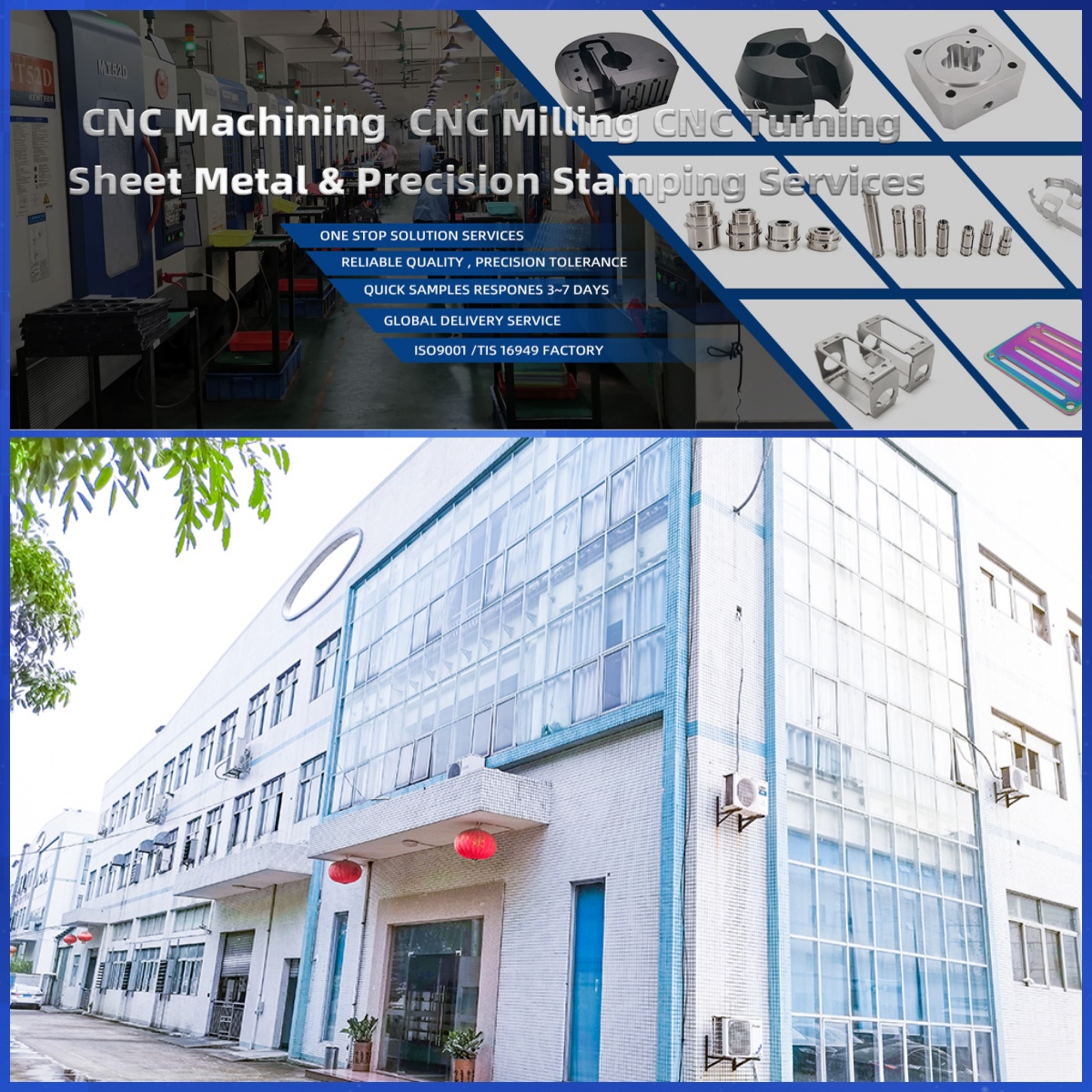
DongGuan YiTai Electronic Technologies Co.,Ltd
DongGuan YiTai Electronic Technologies Co.,Ltd is a manufacturing service provider located in Dongguan, China.
YiTai specialized in CNC turning machining and sheet metal fabrication mainly. As a member of Hung Mou Group, we focus on the overseas marketing development. And based on our parent company’s manufacturing capability and resources, YiTai also expended machining services such as die casting, injection molding, aluminum profile extrusion, 3D printing, which are committed to providing customers with one-stop purchasing services and experience.
CNC MACHINING , CNC MILLING , CNC TURNING , SHEETMETAL , FASTENER , OTHERS




Plastic Fabrication: Methods, Applications, and Selection Guide
What Is Stamping in Metal Manufacturing?
Related Article