The Dry Mirror Finishing Process and Its Applications in Custom Hardware Manufacturing

- What Is the Dry Mirror Finishing Process?
- Basic Process Flow of Dry Mirror Finishing
- Key Features of the Dry Mirror Finishing Process
- Dry Tumbling vs. Traditional Polishing
- Which Custom Hardware Products Suit Dry Mirror Finishing?
- How Does It Fit Into Custom Hardware Manufacturing?
- How to Tell If It Suits Your Parts?
- Key Quality Control Points
- Value in Custom Hardware Manufacturing
- Conclusion
- FAQ
1. What Is the Dry Mirror Finishing Process?
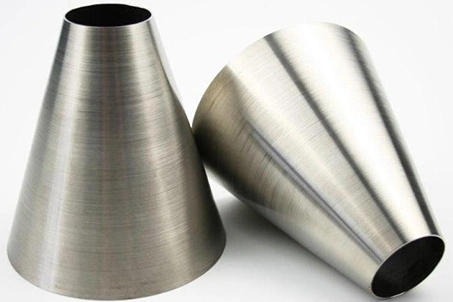
The dry mirror finishing process (also expressed in English as dry mirror finishing, dry vibratory finishing, or dry tumbling polishing) falls under dry grinding, dry barrel finishing, and dry vibratory polishing. Its basic principle is not complicated: workpieces and dry media are placed together in a finishing machine, and the machine uses rolling, vibrating, or centrifugal motion to keep the media in continuous contact with the part surface, repeatedly colliding and rubbing, so the surface condition improves step by step.
A complete dry tumbling process usually includes rough treatment, fine finishing, and mirror brightening stages. The rough treatment stage removes burrs and softens tool marks; the fine finishing stage evens out the surface further; the mirror brightening stage uses finer media and gentler parameters to boost gloss. That is where the term dry mirror polishing comes from.
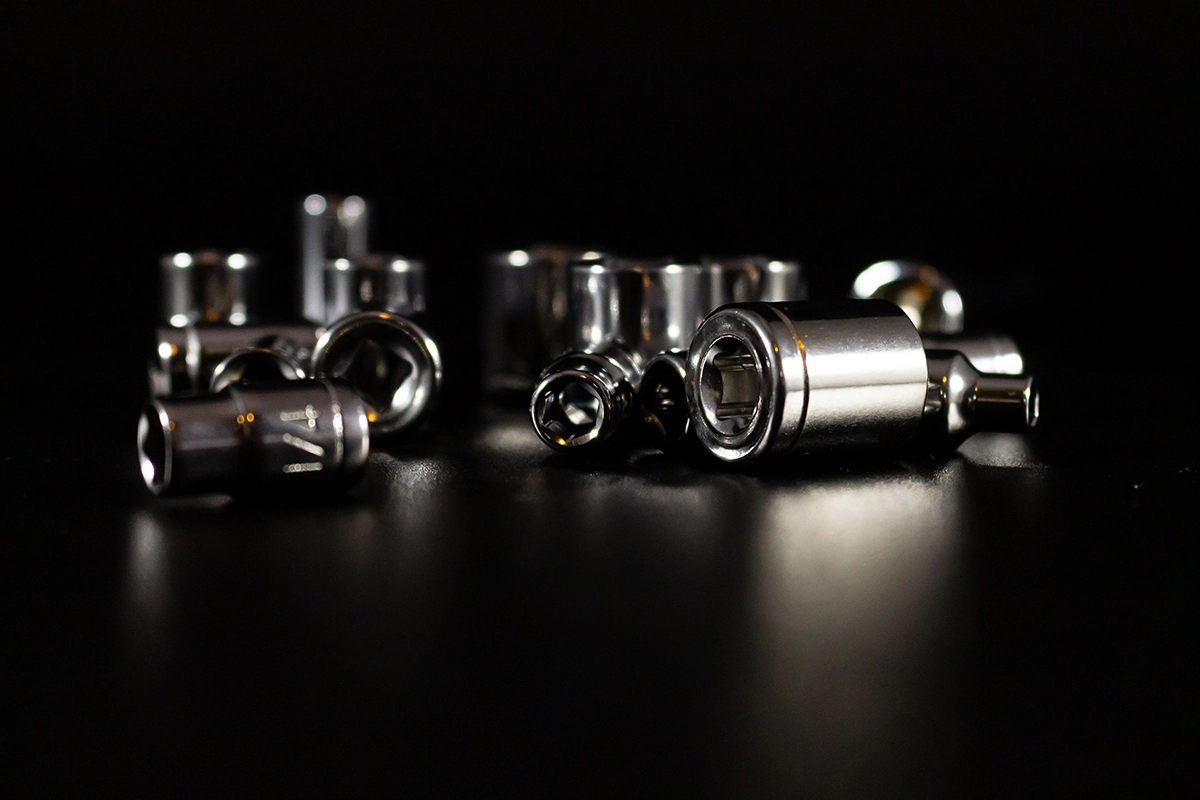
Note: The final result is not decided by the machine alone. It also depends on the media type, load ratio, processing time, machine speed, and part geometry. Parts made of different materials and shapes can reach very different gloss levels, so we recommend verifying the actual result with sample parts.
2. Basic Process Flow of Dry Mirror Finishing
A well-defined process is the foundation of stable results. The full precision metal finishing flow can be divided into five stages.
2.1 Workpiece Pre-Treatment
Before parts enter the finishing machine, they need basic preparation:
- Remove obvious large burrs
- Check for deformation, dents, and machining defects
- Sort parts by size and shape
- Protect fragile areas, sharp corners, and precision assembly surfaces as needed
Good pre-treatment reduces the load in the later fine polishing stage. Our metal surface finishing service includes a complete pre-treatment process.
2.2 Choose the Right Media
Media selection directly affects the final result. Common media types include:
- Ceramic media — stronger cutting action, good for rough treatment and deburring
- Resin media — relatively gentle, suitable for the fine finishing stage
- Plant-based media — such as walnut shells and corn cobs, mostly used for brightening and drying
- Specialized fine polishing media — configured for specific materials and gloss requirements
Careful with promises: Media performance depends heavily on the workpiece material and machine parameters. Without actual process data, we should not promise that any single media will definitely achieve a mirror effect. We recommend running a small batch test first.
2.3 Rough Tumbling and Surface Leveling
This stage solves the basic issues: removing light burrs, softening tool marks, improving the surface left by casting or stamping, and initially evening out the part appearance. Hardware deburring is the most direct benefit of this stage.
2.4 Fine Polishing and Mirror Brightening
Using finer media and gentler parameters, this stage further improves surface gloss and uniformity. It is the stage that decides whether the final finish can approach a mirror effect, and it is also the stage most dependent on experienced parameter tuning.
2.5 Cleaning, Sorting, and Final Inspection
- Remove media residue and metal dust
- Check for surface scratches, dents, and color differences
- Check key dimensions and assembly areas for any impact
- Package per customer requirements to avoid secondary impacts
3. Key Features of the Dry Mirror Finishing Process
Less Variability Than Manual Polishing
Manual polishing is easily affected by operator force, time, and experience, so parts from the same batch can look different between operators. A parameter-stable mechanized tumbling process helps improve batch-to-batch consistency — once the parameters are set, repeatability is far better than manual work.
Built for Batch Hardware Parts
For large quantities of standardized hardware parts, dry tumbling can connect with turning, milling, stamping, die casting, and CNC machining as a batch step in the production chain. Metal parts polishing changes from "one part at a time" to "one batch at a time."
Deburring and Surface Improvement in One Step
Dry tumbling can handle a certain level of deburring, edge rounding, surface leveling, and gloss improvement at the same time. Work that used to take multiple steps can sometimes be merged into one, reducing transfers and the risk of impacts in between.
New Demands on Environmental and Shop-Floor Management
Important: "Dry" does not mean completely pollution-free. Dry processing can generate dust, media debris, and metal particles, so dust collection, cleaning, consumable management, and workpiece washing procedures are still required. Some sources highlight the water-free nature of the process, but actual environmental performance still depends on the specific equipment and on-site management. We do not recommend using "eco-friendly, pollution-free, zero wastewater" as a standard marketing claim.
4. Dry Tumbling vs. Traditional Polishing
Each process has its own use cases. There is no absolute winner.
| Comparison Item | Dry Mirror Finishing | Traditional Manual / Wheel Polishing |
|---|---|---|
| Method | Mechanical contact between parts and media | Manual control of polishing wheels or belts |
| Batch consistency | Controllable through parameters | Heavily influenced by operators |
| Complex shapes | Works well with some irregular parts | Hard to reach certain corners |
| Deburring ability | Can be combined with surface leveling | Needs multiple steps |
| Water usage | Some processes can run without water | Depends on the process |
| Best for | Batch, small, irregular hardware parts | Localized high gloss and specific areas |
Do not assume dry tumbling is simply better than traditional polishing across the board. Choose based on part geometry, gloss requirements, and production volume. For areas that need extremely high localized gloss, traditional polishing is still irreplaceable.

5. Which Custom Hardware Products Suit Dry Mirror Finishing?
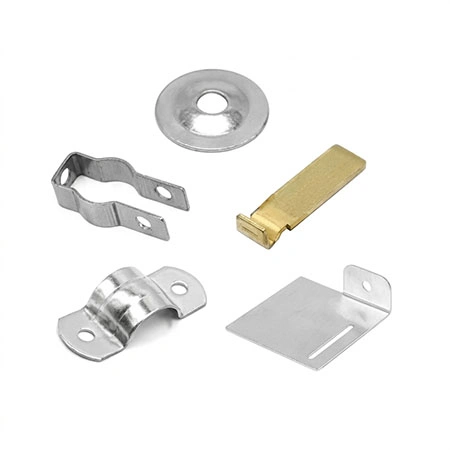
Precision CNC Hardware Parts
Works well for CNC turned parts, CNC milled parts, small connectors, shaft and sleeve parts, and decorative hardware parts. These parts have high dimensional accuracy and moderate batch sizes. Combined with our CNC precision parts machining capability, machining and surface finishing can be seamlessly connected.

Stainless Steel Hardware Parts
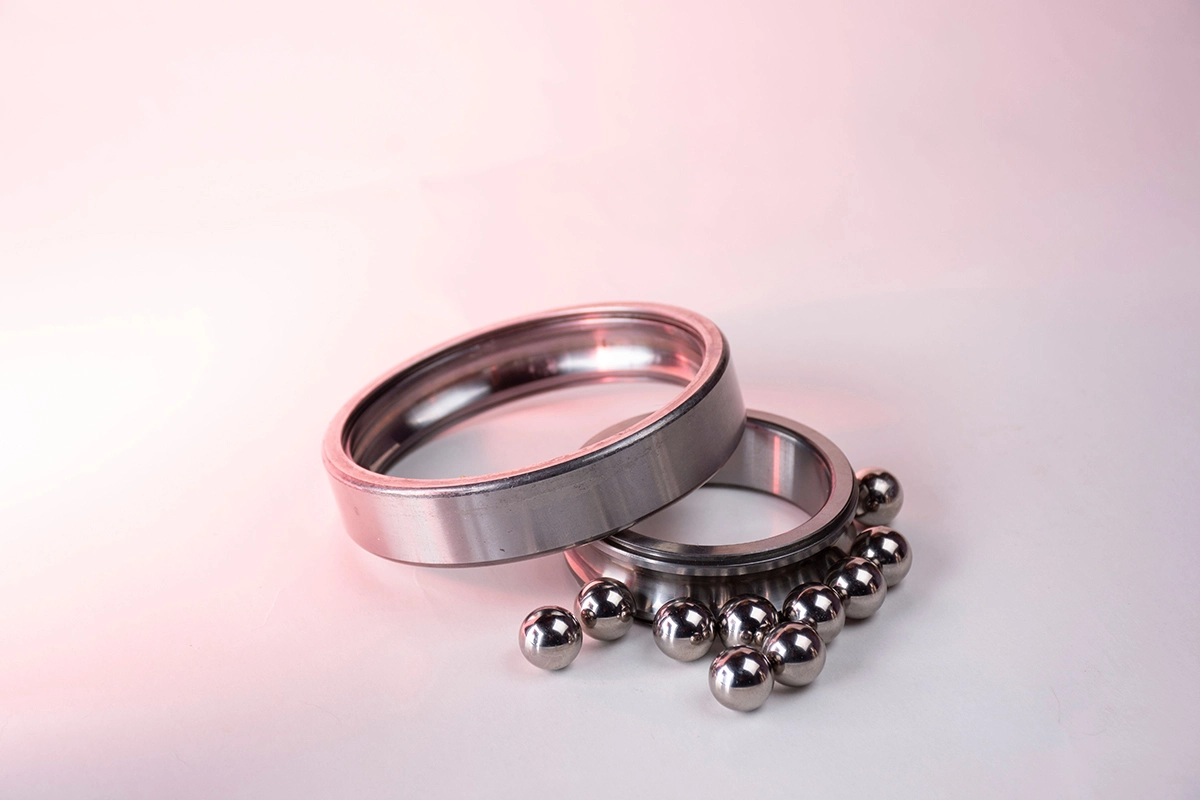
Can improve the edges and surface condition of some stainless steel parts. Note that the final gloss, texture, and cleanliness requirements should be confirmed with sample parts — stainless steel is harder, so reaching an ideal mirror finish usually takes longer than with softer metals.
Aluminum Alloy Hardware Parts
Suitable for some aluminum alloy decorative parts, knobs, housing accessories, and structural parts. Aluminum alloy is relatively soft, so dents, deformation, and surface color differences need close control, and the load ratio and processing time must be adjusted accordingly.
Copper Alloy, Zinc Alloy, and Other Metal Parts
For brass, zinc alloy, and similar materials, process testing should be done based on hardness, surface condition, and part geometry. These materials react very differently on the surface, so parameters from other materials should not be copied directly.
6. How Does Dry Mirror Finishing Fit Into Custom Hardware Manufacturing?
Treat this step as part of a complete manufacturing chain, not as an isolated polishing operation. A typical flow looks like this:
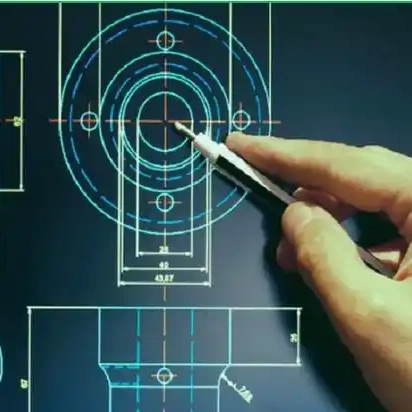
- Drawing and 3D file review — confirm material, tolerances, appearance requirements, and key assembly surfaces
- Material confirmation — verify material certificates and batches
- CNC, stamping, die casting, or turning/milling — complete the basic forming
- Deburring and pre-treatment — prepare parts for tumbling
- Dry mirror finishing — rough tumbling, fine polishing, brightening
- Cleaning and appearance inspection — remove residue, check scratches and color differences
- Dimension and assembly check — confirm dimensional changes stay within allowed limits
- Packaging and batch delivery — package per requirements to avoid secondary impacts
For custom hardware projects, dry mirror finishing should be considered as part of the complete manufacturing process rather than an isolated polishing step. Part geometry, material, tolerances, edge conditions, and final appearance requirements should be reviewed before production.
— Process Engineering Team, DongGuan YiTai Electronic Technology
7. How to Tell If Dry Mirror Finishing Suits Your Parts?
You can make a quick call based on five factors:
- Part material — hardness, toughness, and surface reaction directly affect media selection and processing time
- Part size and weight — oversized or overweight parts move poorly inside the machine, and results may suffer
- Sharp corners, thin walls, or easily deformed features — these areas are prone to damage or deformation during tumbling
- Blind holes, deep grooves, or internal bores — media cannot reach these areas effectively, so the effect is limited
- Customer requirements for gloss, roughness, and appearance consistency — the higher the requirement, the more important early sample validation becomes
A special reminder: Internal bores, deep grooves, and narrow dead corners may need other processes to work together. Do not assume dry tumbling can cover every area. If your parts have such features, mention them at the quotation stage so we can evaluate the right process combination.
8. Key Quality Control Points
Quality control for surface finishing comes down to "measurable and reproducible":
- Validate with samples first — run a small sample batch before mass production, and both parties confirm the appearance standard before scaling up
- Confirm dimensional changes before and after processing — especially on mating surfaces with tolerance requirements
- Check key assembly surfaces — avoid assembly dimensions going out of tolerance due to tumbling
- Control scratches and dents — load quantity and sorting method both affect impact risk
- Set a batch appearance standard — use sealed reference samples as the comparison baseline for each batch
- Spot check or fully inspect critical dimensions — per customer requirements
If the customer has specific requirements, Ra roughness, gloss, chamfer dimensions, appearance grades, and cleanliness standards can be added. These values must be based on real inspection results and should not be preset without testing.

9. The Value of Dry Mirror Finishing in Custom Hardware Manufacturing
All in all, the value of this process can be summed up in six points:
- Better part appearance — improved gloss and overall texture
- Fewer burrs and sharp edges — lower risk of scratches during assembly and a better feel
- Better batch consistency — parameter control replaces the variability of manual experience
- Less reliance on manual work — eases dependence on polishing skills and labor
- Works with many metals — stainless steel, aluminum alloy, copper alloy, and zinc alloy can all be evaluated
- Connects with CNC, stamping, and die casting — one step in the complete manufacturing chain, with less transfer
As a professional precision hardware finishing manufacturer, we value the second and third points the most — bringing deburring and consistency into a controlled process is more practically valuable than chasing mirror gloss alone.
10. Conclusion
The dry mirror finishing process offers a new approach to surface finishing for custom precision hardware manufacturing. Its value lies not only in better gloss, but also in bringing deburring, surface leveling, and batch consistency into a controlled production flow. For parts with different materials, geometries, and appearance requirements, we recommend confirming the best process combination through drawing review and sample testing, rather than simply applying a standard solution.
11. FAQ
Q: What is the dry mirror finishing process?
A: Dry mirror finishing is a process that uses dry media to rub, impact, and refine metal workpieces, improving the surface condition, removing some burrs, and boosting gloss. Parts and media stay in continuous contact through rolling, vibrating, or centrifugal motion in the machine, and the process usually includes rough treatment, fine finishing, and mirror brightening stages.
Q: Are dry tumbling and mirror polishing the same thing?
Not exactly. Dry tumbling is a type of mechanized surface treatment. Whether the final result reaches a mirror effect depends on the material, equipment, media, processing time, and part geometry. We recommend confirming the actual achievable gloss level with samples before mass production.
Q: Which hardware parts suit dry mirror finishing?
It generally suits small metal parts made in batches, decorative hardware, CNC machined parts, stamping parts, and some die-casting parts. Complex internal bores, deep grooves, and thin-walled structures that deform easily need separate evaluation.
Q: Can dry tumbling remove all burrs completely?
It depends. Burr size, location, material hardness, and part geometry all affect the result, so sample testing is usually needed to confirm. Larger burrs generally need pre-treatment first.
Q: Does dry mirror finishing work for stainless steel and aluminum alloy?
It can be evaluated, but the two materials differ in hardness, surface reaction, and dent risk, so media and process parameters should be set separately. For aluminum alloy, pay close attention to dents, deformation, and surface color differences.
Q: What information is needed before custom hardware manufacturing?
We recommend providing 2D drawings, 3D files, material, quantity, dimensional tolerances, appearance requirements, surface finishing requirements, and target delivery date.
Q: Not sure if dry mirror finishing suits your parts?
Submit your drawings for a process evaluation. Based on material, geometry, and appearance requirements, we will suggest a process combination and a sample plan.
DongGuan YiTai Electronic Technologies Co.,Ltd
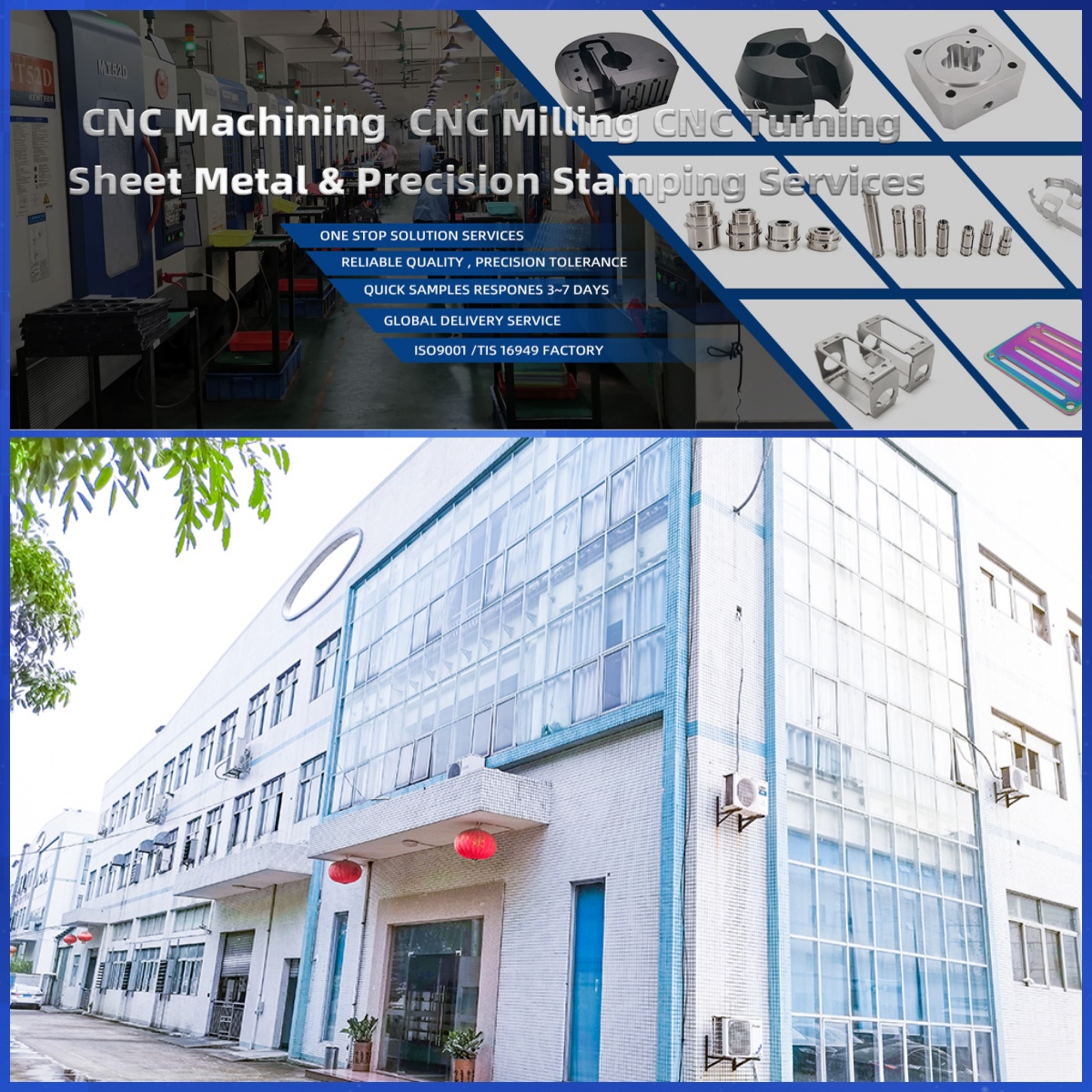
DongGuan YiTai Electronic Technologies Co.,Ltd is a manufacturing service provider located in Dongguan, China.
YiTai specialized in CNC turning machining and sheet metal fabrication mainly. As a member of Hung Mou Group, we focus on the overseas marketing development. And based on our parent company’s manufacturing capability and resources, YiTai also expended machining services such as die casting, injection molding, aluminum profile extrusion, 3D printing, which are committed to providing customers with one-stop purchasing services and experience.
CNC MACHINING , CNC MILLING , CNC TURNING , SHEETMETAL , FASTENER , OTHERS




What Is Stamping in Metal Manufacturing?
Will AI Replace CNC Machining? What Changes—and What Won't
Related Article