Welding Technology in the Hardware Industry: Applications, Comparisons, and Our Expertise
- Introduction
- Key Applications of Welding Technology in the Hardware Industry
- Comparison Between Welding and Other Manufacturing Processes
- Our Company's Mature Application of Welding Technology
- Expert Opinion
- Frequently Asked Questions (FAQ)
1. Introduction
2. Key Applications of Welding Technology in the Hardware Industry
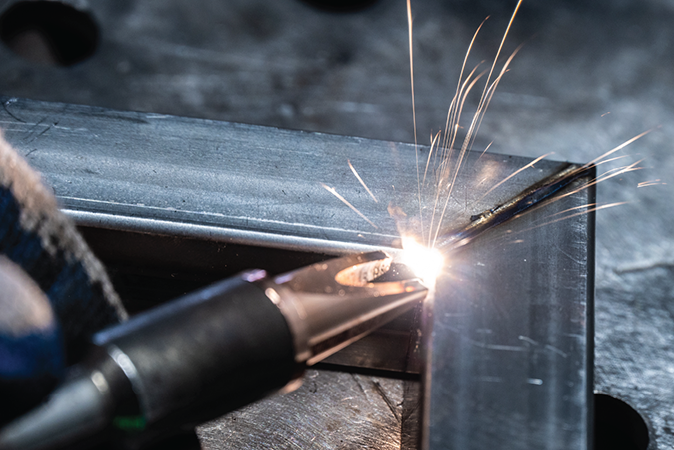
Welding technology is widely used in the manufacturing of hardware products due to its flexibility and reliability. Its main application areas are as follows:

2.1 Furniture Hardware
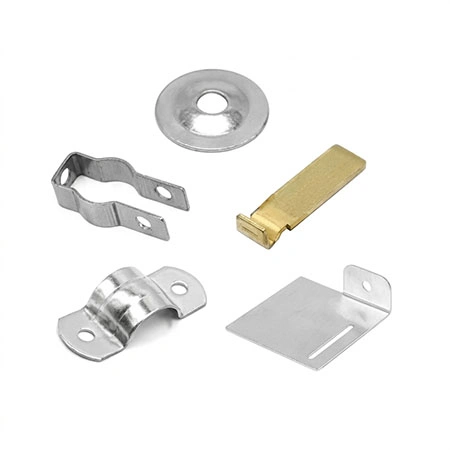
Furniture hardware includes hinges, brackets, frames, drawer slides, and bed frames. Welding creates stable metal connections for these components. For example, sofa frames utilize welding at the joints of steel tubes, ensuring the load-bearing structure remains free from deformation or breakage even after years of use. Cabinet hinges also rely on welding technology, guaranteeing that the product remains secure after thousands of opening and closing cycles. Drawer slides manufactured with welding enable smooth operation and resist wear. Welding effectively enhances the durability of furniture hardware, reducing return rates and improving customer satisfaction.
2.2 Construction Hardware
Construction hardware, such as steel brackets, guardrails, scaffolding components, and security windows, requires extremely high strength. These critical components, essential for the safety of buildings and bridges, are tightly connected through welding, ensuring they can withstand heavy loads, strong winds, and harsh weather conditions. For instance, welded bridge guardrails remain sturdy even after prolonged use. Scaffolding components joined by welding safely support construction workers and materials. Welding also helps improve the rust resistance of construction hardware, contributing to the longevity of structures.
2.3 Tool Hardware
Hand tools and power tool components often employ welding technology. Typical examples include pliers, wrenches, drill bits, axes, and hammer heads. These tools need to withstand continuous force, and welding ensures a firm bond between metal parts, preventing separation during use. For example, the handle and head of a wrench are welded into a single unit, capable of enduring high torque without breaking. Power tool housings also utilize welding to ensure the product can withstand continuous vibrations generated by motor operation. Welding technology significantly enhances the reliability of tool hardware, meeting the needs of both professional users and DIY enthusiasts.
3. Comparison Between Welding and Other Manufacturing Processes
| Process | Strength | Cost | Efficiency | Durability | Suitable Materials | Environmental Impact |
|---|---|---|---|---|---|---|
| Welding | High (joint strength equals base metal) | Medium (low material waste) | High (automatic machines process 50-100 parts/hour) | High (resists rust and wear) | Steel, aluminum, copper, stainless steel | Low (minimal waste, low energy use for modern machines) |
| Riveting | Medium (joint strength 60-70% of base metal) | Medium (costs for rivets and labor) | Low (processes 10-20 parts/hour) | Medium (may loosen after 5-10 years) | Steel, iron, aluminum | Low (no harmful fumes) |
| Bolted Connection | Medium (joint strength 50-60% of base metal) | High (costs for bolts, nuts, and drilling) | Low (processes 8-15 parts/hour) | Medium (loosens with vibration) | All metals, plastic | Low (no waste, reusable parts) |
| Brazing | Low (joint strength 30-40% of base metal) | High (expensive filler metals) | Medium (processes 20-30 parts/hour) | Low (weak against force) | Thin steel, copper, brass | Medium (some filler metals release fumes) |
3.1 Advantages of Welding
- It creates permanent, strong joints that match the strength of the base metal. This is critical for hardware that needs to bear weight or force.
- It works with most common metals in hardware production. This includes steel, aluminum, and stainless steel.
- It is efficient for mass production. Automatic welding machines can process 50-100 parts per hour. This reduces production time and costs.
- It has lower material waste. The process does not require extra parts like bolts or rivets.
- It improves the appearance of products. Welded joints can be polished to look smooth.
3.2 Disadvantages of Welding
- It needs skilled workers to operate the equipment. Poor welding can create weak joints or defects.
- It may cause small deformations in thin metal parts (less than 2mm thick). This requires extra finishing work.
- It requires safety tools. Workers need masks, gloves, and protective clothing to avoid burns or fume inhalation.
- It is not easy to disassemble. Welded joints can only be separated by cutting, which damages the product.
3.3 Pros and Cons of Other Processes
- Riveting: It is easy to learn. Workers can be trained in a few days. But it takes more time to complete. Rivets also add extra weight to the product. Joints can loosen over time, especially in tools or furniture that move often.
- Bolted Connection: It is easy to disassemble. This is good for hardware that needs maintenance. But it costs more. Bolts and nuts add material costs. Drilling holes for bolts also takes extra time. Joints are less strong than welded ones. They can loosen with vibration.
- Brazing: It is good for thin metals. The process uses low heat, so it does not damage thin parts. But joints are weak. They cannot bear heavy loads. Brazing also uses expensive filler metals. This makes the process more costly than welding.
4. Our Company's Mature Application of Welding Technology
4.1 Advanced Welding Equipment
4.2 Strict Quality Control
4.3 Successful Cases
- Furniture Hardware Project: We partnered with GreenHome, a leading furniture brand. We made welded drawer slides and bed frames for their products. Our welding process reduced product damage during shipping by 30%. It also increased the product's lifespan by 5 years. GreenHome reported a 20% increase in customer satisfaction.
- Construction Hardware Project: We supplied welded scaffolding parts for a large building project. The parts needed to support heavy loads. Our welded joints passed all safety tests. The project was completed on time. The customer praised our products for their reliability.
5. Expert Opinion
6. Frequently Asked Questions (FAQ)
Q: Is welding suitable for small hardware parts?
Q: How long do welded hardware products last?
Q: Is welding more expensive than other processes?
Q: Can welding be used for aluminum hardware?
Q: Do welded hardware products need special treatment after welding?
DongGuan YiTai Electronic Technologies Co.,Ltd
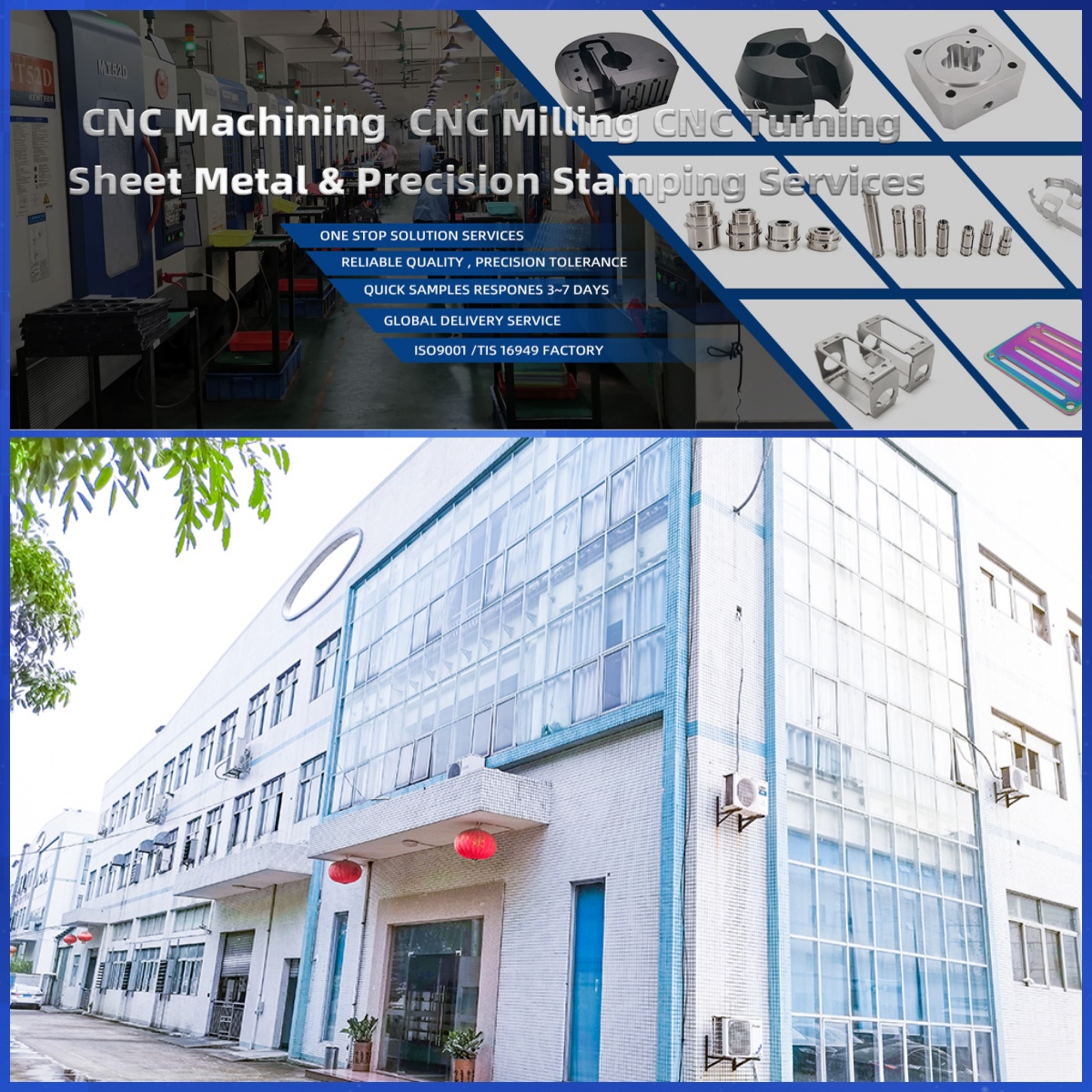
DongGuan YiTai Electronic Technologies Co.,Ltd is a manufacturing service provider located in Dongguan, China.
YiTai specialized in CNC turning machining and sheet metal fabrication mainly. As a member of Hung Mou Group, we focus on the overseas marketing development. And based on our parent company’s manufacturing capability and resources, YiTai also expended machining services such as die casting, injection molding, aluminum profile extrusion, 3D printing, which are committed to providing customers with one-stop purchasing services and experience.
CNC MACHINING , CNC MILLING , CNC TURNING , SHEETMETAL , FASTENER , OTHERS




A Comprehensive Guide to CNC Grinding
Wire EDM for Stainless Steel Sheets: Process, Properties, Uses & Our Advantages
Related Article