Deep Dive into CNC Turning: From Outside Diameter to Threads – Mastering 9 Core Machining Types

This guide explains nine core turning types. You will learn what each one does. You will know when to use them. And you will see how they come together to make a complete part.
-
Outside Surface Turning Series – Defining the Body of Round Parts
-
Face and Feature Turning – Creating Mounting Surfaces and Functional Features
-
Internal Cavity and Hole Series – High-Concentricity Bores in the Rotational Center
-
How DongGuan YiTai's One-Stop Precision Turning Capability Boosts Your Round Parts
1. Outside Surface Turning Series – Defining the Body of Round Parts
The outside diameter (OD) is the main surface of a shaft or bushing. Three common turning types shape it.
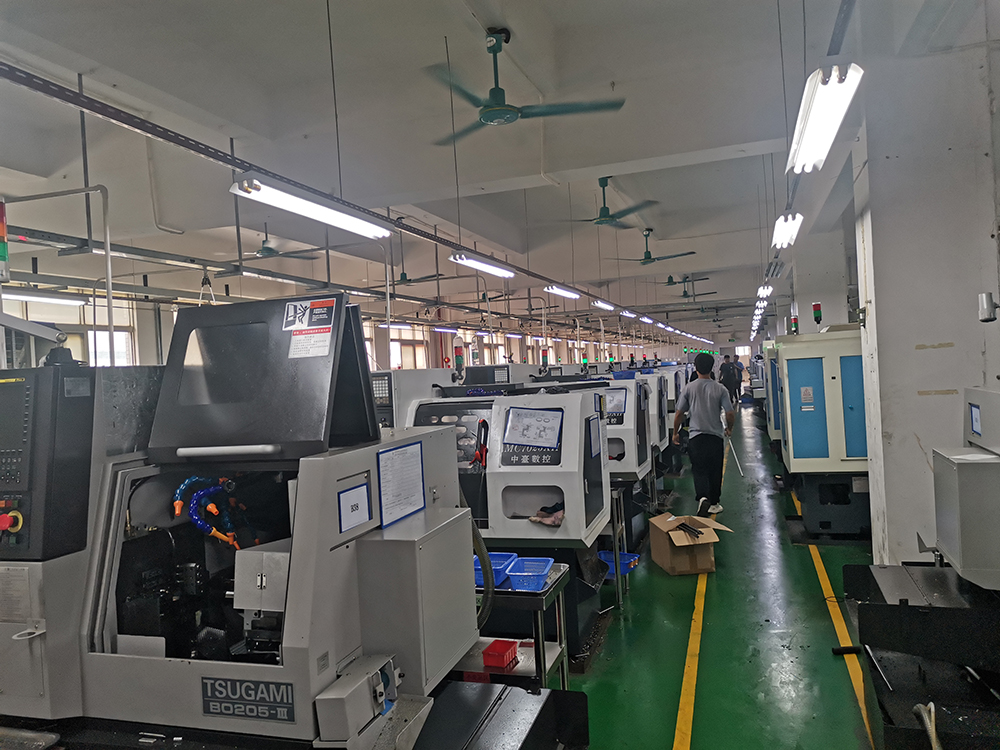
Straight Turning (Cylindrical Turning)
This is the most basic turning operation. The tool moves parallel to the part axis. It cuts the outside diameter to a precise size.
-
Result: A smooth, straight cylinder.
-
Tolerance: ±0.005–0.01mm is typical.
-
Use for: Shaft journals, bearing seats, outer diameters of bushings.
Taper Turning
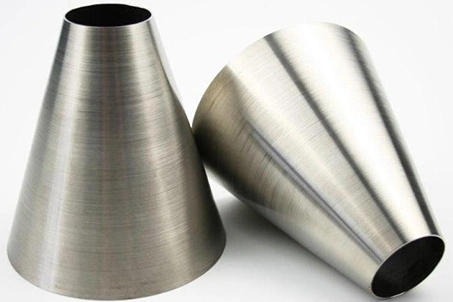
The tool moves at an angle to the part axis. This creates a cone shape.
-
Result: A smooth tapered surface.
-
How: You can angle the tool holder or use CNC interpolation.
-
Use for: Tool shanks, hydraulic sealing surfaces, Morse taper fittings.
Contour Turning (Profile Turning)
The tool follows a curved path. It cuts radii, arcs, and complex profiles in one continuous motion.
-
Result: A smooth, blended shape with no steps.
-
How: CNC machines use two axes (X and Z) simultaneously.
-
Use for: Pistons, cam profiles, ergonomic handles.
2. Face and Feature Turning – Creating Mounting Surfaces and Functional Features
The ends of a shaft and special features are just as important as the outer diameter.

Facing
The tool moves across the end of the part. It cuts the end flat and square to the axis.
-
Result: A smooth, flat end face.
-
Tolerance: Perpendicularity within 0.01–0.02mm is common.
-
Use for: Creating a reference surface for length measurement. Squaring the ends of a bar.
Grooving and Cut-Off
Grooving cuts a narrow channel into the part. Cut-off separates the finished part from the raw bar.
-
Grooving: Uses a narrow tool to cut a straight or dovetail groove. For retaining rings (snap rings) or O‑rings.
-
Cut-off (parting): A blade tool moves radially into the part. It cuts until the part drops off.
-
Use for: Snap ring grooves, oil grooves, parting finished parts.
Thread Turning
The tool follows a helical path. It cuts screw threads on the outside or inside of a part.
-
Single-point threading: One tool cuts the entire thread profile. Uses multiple passes. Very flexible. Good for custom pitches.
-
Multi-tooth threading (thread mill insert): A wider tool with several teeth cuts the full thread depth in 1–2 passes. Faster but needs a rigid setup.
-
Tolerance: Class 2A/2B or 6H is standard.
-
Use for: Bolts, threaded shafts, pipe fittings.
The table below compares single-point and multi-tooth threading.
| Feature | Single-Point | Multi-Tooth |
|---|---|---|
| Number of passes | Many (5–15) | Few (1–3) |
| Cycle time | Slower | Faster |
| Tool cost | Low | Higher |
| Best for | Odd pitches, small batches, large diameters | Standard pitches, high volume |
3. Internal Cavity and Hole Series – High-Concentricity Bores in the Rotational Center
The inside of a part is as critical as the outside. Bores must be concentric with the outer diameter.
Drilling and Boring
You start with a solid bar. First, you drill a hole. Then you bore it to size.
-
Drilling: A twist drill makes the starting hole. The hole may wander slightly.
-
Boring: A single-point boring bar removes material to enlarge and straighten the hole. It corrects any drift from drilling.
-
Result: A straight, round hole concentric with the OD.
-
Tolerance: ±0.005–0.01mm after boring.
-
Use for: Cylinder bores, bearing housings, through holes.
Reaming and Single-Point Boring for Precision Fits
For very tight tolerances (IT7 or better), you need a finishing step.
-
Reaming: A multi-flute reamer follows the existing hole. It gives a very smooth surface and precise size. But it cannot correct a crooked hole.
-
Single-point fine boring: Uses a adjustable boring head with a single carbide insert. Can correct slight position errors. Ideal for high-precision bores.
-
Use for: Dowel pin holes, valve seats, hydraulic cylinder bores.
4. Special Types – Hard Turning and Heavy-Duty Turning
Two less common but important turning types.
Hard Turning
Hard turning cuts materials with a hardness over 45 HRC (e.g., hardened steel, bearing raceways). Uses ceramic or CBN (cubic boron nitride) inserts.
-
Benefit: Replaces grinding in many cases. Faster. Less setup.
-
Surface finish: Ra 0.2–0.4µm possible.
-
Use for: Bearing races, hardened shafts, gear blanks.
Heavy-Duty Turning
This uses large, powerful lathes to remove massive amounts of metal. Parts can weigh tons.
-
Typical depth of cut: 5–20mm per pass.
-
Use for: Roller shafts, paper mill rolls, large turbine spindles.
5. How DongGuan YiTai's One-Stop Precision Turning Capability Boosts Your Round Parts
At ‘DongGuan YiTai Electronic Technologies’ , we do all these turning types. We have live-tooled CNC lathes and Swiss-type machines. We support bar stock from 1mm to 80mm diameter. We also offer secondary operations like milling, cross-drilling, and keyway cutting in the same setup.
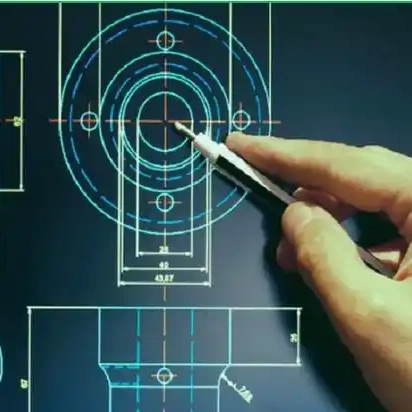
We do not just turn parts. We help you design them for manufacturability. Send us your drawing. We will recommend the best turning type and give you a fast quote.
6. Expert Insight: The Right Tool for the Right Turn
*“I see beginners use a single-point thread tool for a simple M6 thread on a soft steel part. That is slow. A multi-tooth insert would cut the thread in one pass. But then they try the same tool on a hard stainless part. The tool breaks. The lesson is: know your material and your volume. For high volume on soft materials, multi-tooth is fast. For hard materials or odd pitches, single-point is safer. There is no single best tool. There is only the right tool for the job.”*
— Lead CNC Turning Engineer, DongGuan YiTai Electronic Technologies
7. Frequently Asked Questions (FAQ)
Q: What is the difference between turning and milling?
A: Turning rotates the workpiece while a stationary tool cuts it. It makes round parts. Milling rotates the tool while the workpiece stays still (or moves). It makes flat or complex 3D shapes.
Q: Can a CNC lathe do milling?
A: Yes, with live tooling. A live tool is a small milling spindle built into the turret. The part stops rotating. The live tool spins and mills flats, slots, or cross holes. This is called mill-turn machining.
Q: What is the typical surface finish from straight turning?
A: With a sharp insert and good speeds, straight turning gives Ra 0.8–1.6µm . For a smoother finish, use a wiper insert or a finishing pass. For mirror finish, you may need grinding or polishing.
Q: How do I choose between reaming and boring for a precision hole?
A: Use reaming if the hole position is already good and you only need a precise diameter and smooth surface. It is fast. Use boring if the hole is crooked or off position and you need to correct it. Boring is slower but more flexible.
Q: What is the hardest material you can turn on a standard CNC lathe?
A: Standard lathes with carbide tools can turn materials up to about 45 HRC comfortably. For harder materials (up to 70 HRC), you need hard turning with ceramic or CBN inserts and a very rigid machine.
Q: Does DongGuan YiTai Electronic Technologies offer turning for exotic alloys?
A: Yes. We turn stainless steel (303, 316, 17-4), titanium (Ti-6Al-4V), Inconel, brass, bronze, and engineering plastics like PEEK and Acetal. Send us your material spec with the drawing.
DongGuan YiTai Electronic Technologies Co.,Ltd
DongGuan YiTai Electronic Technologies Co.,Ltd is a manufacturing service provider located in Dongguan, China.
YiTai specialized in CNC turning machining and sheet metal fabrication mainly. As a member of Hung Mou Group, we focus on the overseas marketing development. And based on our parent company’s manufacturing capability and resources, YiTai also expended machining services such as die casting, injection molding, aluminum profile extrusion, 3D printing, which are committed to providing customers with one-stop purchasing services and experience.
CNC MACHINING , CNC MILLING , CNC TURNING , SHEETMETAL , FASTENER , OTHERS




Deep Dive into Brass: An Engineer's Irreplaceable Core Material for Precision Machining
How to Find a Qualified Custom Sheet Metal Enclosure Manufacturer: A Deep Audit Checklist
Related Article